Your Notifications
All done, no notifications

Hiatal Hernia Repair Cost in Malaysia

Costs starts from USD4500 to USD9000
Filters

How Much Does Hiatal Hernia Cost in Malaysia?

The cost of hiatal hernia repair in Malaysia generally ranges between USD 4500 - USD 9000, depending on multiple medical and non-medical factors. The final expense may vary based on the type and size of the hernia, the surgical approach used (laparoscopic, open, or robotic), whether fundoplication is performed along with the repair, hospital infrastructure, surgeon expertise, and the need for ICU care and post-operative monitoring.Additional expenses may include pre-operative evaluation, diagnostic tests and imaging, anesthesia charges, surgical fees, hospital stay, medications, post-operative care, follow-up consultations, and supportive treatment, all of which contribute to the overall treatment cost. Since hiatal hernia repair is commonly performed using minimally invasive techniques, patients often benefit from shorter hospital stays and quicker recovery, which can help optimize overall treatment expenses.Many international patients prefer Malaysia for hiatal hernia repair due to the availability of experienced gastrointestinal surgeons, advanced laparoscopic surgical centres, and comparatively affordable treatment packages without compromising quality of care.

Factors Affecting the Cost of Hiatal Hernia in Malaysia

Cost of Hiatal Hernia Repair in Major cities of Malaysia

CityMinimum Cost (USD)Minimum Cost (MYR)Maximum Cost (USD)Maximum Cost (MYR)
Kuala LumpurUSD 450018180USD 900036360

Hiatal Hernia Repair Cost : A Global Comparison

CountryMinimum CostMinimum Local CurrencyMaximum CostMaximum Local Currency
CzechiaUSD 4500CZK 95715USD 9000CZK 191430
HungaryUSD 4000HUF 1335280USD 8500HUF 2837470
IndiaUSD 1200INR 111864USD 3000INR 279660
IsraelUSD 11000ILS 34650USD 17000ILS 53550
LithuaniaUSD 4000LTL 11960USD 8500LTL 25415
MalaysiaUSD 4500MYR 18180USD 9000MYR 36360
PolandUSD 3800PLN 14136USD 7500PLN 27900
Saudi ArabiaUSD 6500SAR 24375USD 12000SAR 45000
SingaporeUSD 12000SGD 15480USD 20000SGD 25800
South AfricaUSD 4500ZAR 76500USD 8500ZAR 144500
South KoreaUSD 8500KRW 12903850USD 15000KRW 22771500
SpainUSD 7500EUR 6525USD 14000EUR 12180
SwitzerlandUSD 15000CHF 12000USD 25000CHF 20000
ThailandUSD 5500THB 180180USD 10500THB 343980
TunisiaUSD 4000TND 11760USD 8500TND 24990
TurkeyUSD 4500TRY 200250USD 8500TRY 378250
United Arab EmiratesUSD 8000AED 29360USD 15000AED 55050
United KingdomUSD 8500GBP 7395USD 16000GBP 13920
VietnamUSD 12000VND 316116000USD 30000VND 790290000

Need Help Planning Your Treatment Abroad?

Your 24/7 AI Health Assistant

Hiatal hernia surgery is used to address a problem in which a piece of the stomach slides upward into the chest via the diaphragm opening (hiatus), and it is advised when symptoms worsen or complications arise. In addition to treating complications like persistent oesophagitis, bleeding or ulcers, Barrett's oesophagus in certain cases, and major issues like obstruction or gastric volvulus, the procedure is intended to treat hiatal hernia-related severe GERD (acid reflux), chronic heartburn that cannot be controlled with medication, swallowing difficulties caused by hernia-related blockage, and paraesophageal hernia with a risk of strangulation.

You should see a doctor if you have severe or persistent reflux/heartburn, a sour taste in your mouth with regurgitation, chest pain (after ruling out heart disease), food getting stuck or difficulty swallowing, breathlessness due to a large hernia, or vomiting and upper abdominal fullness, as well as complications such as bleeding (black stools), severe pain, or unexpected vomiting. If you experience sudden, severe upper stomach or chest discomfort, persistent vomiting, or difficulty passing food, an emergency evaluation is necessary.

Preparation includes surgical examination and clinical consultation, as well as investigations such as upper gastrointestinal endoscopy, barium swallow study, oesophageal manometry (if appropriate), 24-hour pH monitoring (for GERD evaluation), and a CT scan for big or severe hernias. CBC, LFT, RFT, ECG, and chest X-ray are examples of routine testing.

The most common method for repairing a hiatal hernia is laparoscopic under general anaesthesia. During this procedure, the surgeon makes tiny abdominal incisions, pulls the stomach back into its normal position, and uses sutures to tighten the diaphragm opening (hiatus). In certain situations, mesh reinforcement is added, and fundoplication (anti-reflux wrap) is often used to prevent GERD..

Depending on the hernia's size and complexity, whether mesh reinforcement is needed, and whether fundoplication is also done in addition to the repair, the procedure typically takes 1.5 to 3 hours.

Potential complications include:
  • Infection and bleeding
  • Swallowing difficulties (temporary dysphagia)
  • Damage to the stomach, spleen, or oesophagus (rare)
  • Gas-bloat syndrome (difficulty belching)
  • Hernia recurrence (particularly large hernias)
  • Complications associated to mesh (rare)
  • Risks associated with anaesthesia
  • Rarely, deep vein thrombosis

Long-term relief from GERD symptoms, prevention of major complications like hernia obstruction and strangulation, improved swallowing and digestion, a decreased need for long-term acid-suppressive medications, and an overall improvement in sleep quality and quality of life are just a few advantages of hiatal hernia repair.

After a one to three-day hospital stay, pain medication, and early ambulation, recovery usually entails a planned dietary transition from liquids to soft foods and a gradual return to a normal diet over a period of two to six weeks. While wound healing and symptom monitoring are monitored on a regular basis, patients are encouraged to refrain from heavy lifting for four to six weeks.

Hiatal hernia repair has a high success rate; in professional laparoscopic surgical centres, 85–95% of patients experience symptom relief. However, if lifestyle changes are not made, certain big or complicated paraesophageal hernias may reoccur.

Would you like some help? We are available.

Get Help
Explore Hospitals ( 1 )
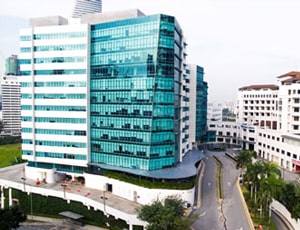
Hiatal Hernia Repair in Parkway Pantai: Costs, Top Doctors, and Reviews

Kuala Lumpur, Malaysia

  • Joint Commission International, or JCI

Parkway Pantai located in Kuala Lumpur, Malaysia is accredited by JCI. Also listed below are some of the most prominent infrastructural details:

  • Capacity of 335 beds
  • 200+ specialist Doctors
  • Critical Care Unit
  • Neonatal Intensive Care Unit
  • Operating Theatre
  • International Patient Care Center
  • Types of rooms available- Premier Suite, Supreme Suite, Deluxe Single Room, 2-bedded room, 4-bedded room, Deluxe Suite, Premier Single room, and Supreme Single room

Need Some Advice From Our Experts?

Request a Call Back Now!

Our team of healthcare experts would be happy to assist you

trusted Patientstrusted Patients+99
Trusted by 50000+ Patients
Required | alphabets and spaces
Required | A valid, working email address
Required | A valid contact

Process Involved for Hiatal Hernia Repair in Malaysia

  • Identification and assessment of the severity of hernias
  • Imaging testing and GERD workup
  • Fitness clearance and pre-operative preparation
  • Surgery (fundoplication ± mesh ± hernia reduction + hiatal repair)
  • Monitoring following surgery
  • Dietary adjustments and lifestyle guidance
  • Follow-up assessment
  • Sliding hiatal hernia and reflux symptoms
  • Hernia of the paraesophagus
  • GERD combined with a hiatal hernia
  • Hernia-related gastric volvulus (emergency)
  • Laparoscopic Hiatal Hernia Repair (Most Common)
  • Repairing an Open Hiatal Hernia
  • Robotic Repair of Hiatal Hernias
  • Repair with or without fundoplication
  • Repair using mesh reinforcement or not

Patient might qualify if:

  • Despite taking medicine, symptoms continue.
  • There is a large paraesophageal or hiatal hernia.
  • There are issues including bleeding, blockage, or severe reflux.
  • The patient is ready for surgery and anaesthesia.
  • Fundoplication (depending on the situation, Nissen, Toupet, or Dor)
  • Endoscopy
  • pH monitoring and esophageal manometry
  • Procedures for gastric fixation in cases of large paraesophageal hernia (gastropexy)
  • It prevents complications like strangulation.
  • Helps with swallowing and reflux
  • Lessens reflux-related long-term respiratory symptoms
  • Improves the quality of life

After successful repair, patients can expect:

  • Considerable decrease in regurgitation and reflux
  • Improved digestion and reduced chest pain
  • Better sleep and less coughing at night
  • Decreased reliance on long-term medications
  • Fill out the inquiry form: Fill out the form to provide us with the relevant information about your condition.
  • Consult with Our Healthcare Expert:One of our qualified specialists will contact you for a consultation
  • Receive a Detailed Treatment Plan:After examining your situation, we will provide you with a detailed treatment plan that includes expert views and cost breakdowns for various choices.
  • Choose your preferred option: Choose the treatment option that suits you the best.

Instantly Connect with our Hiatal Hernia Repair Specialists

Doctor 1
Doctor 2
Doctor 3
Doctor 4
Doctor 5
Doctor 6
Doctor 7
Doctor 8
Our Services to Better your Experience

Opinion & Option

We submit the most accurate opinion and options from one or more countries for your review

Consult Privately

Consult with a certified specialist privately on our telemedicine platform even before you decide to travel

Logistics

We handle flights, visas, transfers, and accommodation—so you can focus on your health.

Recovery

Our In-house rehabilitation service packages to better your recovery and treatment outcome

Other Popular Countries for Hiatal Hernia Repair

Our network connects you with the leading medical tourism destinations globally, offering a wide range of cities, top doctors, and flexible pricing options.

Turkey
United Kingdom
Vietnam
Thailand

Frequently Asked Questions

The majority of patients recover in two to six weeks, and they can resume light activities in one to two weeks.

In addition to the procedure cost, patients may incur:
  • Pre-treatment tests
  • Medications during recovery
  • Follow-up consultations
  • A hospital stay typically lasts one to three days. The stay could be a little longer if the hernia is large or difficult, or if other surgeries like fundoplication are carried out.

    Long-term care consists of:
  • Consuming little meals frequently for a few weeks
  • Steer clear of excessive eating and carbonated beverages
  • Keeping a healthy weight
  • Initially avoiding heavy lifting
  • Keeping an eye out for indicators of recurrence
  • Malaysia has been selected because it provides cutting-edge robotic and laparoscopic surgery alternatives, qualified doctors, affordable treatment packages, and first-rate post-operative care for a safe recovery and improved long-term results.

    Upper gastrointestinal endoscopy, barium swallow study, oesophageal manometry, 24-hour pH monitoring (if necessary), and standard blood tests, chest X-rays, ECGs, and CBCs are examples of tests that may be performed.

    Yes. In approved hospitals with skilled surgical teams, hiatal hernia repair is a common minimally invasive procedure that is safe. Additionally, coordinated support for consultations, surgical scheduling, and post-operative follow-up care is provided to international patients.Recovery is typically easy and complication rates are low with skilled surgeons and appropriate pre-operative examination.

    Depending on the type of hernia and level of surgical skill, the overall success rate ranges from 85 to 95%. After surgery, the majority of patients report considerable improvements in their quality of life, swallowing difficulty, and reflux symptoms.

    Author

    Dr. Vishwas Kaushik

    MBBS, MD

    5 Years of Experience

    Dr. Vishwas Kaushik is a qualified medical professional holding an MBBS from the prestigious Belgorod State University, Russia, with a strong foundation in clinical medicine and healthcare practice. His comprehensive medical training has equipped him with a profound understanding of evidence-based clinical practices, patient-centered care, and the evolving landscape of modern medicine. With a keen interest in medical research and scientific communication, he consistently translates complex clinical concepts into clear, accurate, and accessible content for diverse audiences. His work reflects a deep commitment to advancing medical knowledge, delivering impactful healthcare insights, and bridging the gap between clinical expertise and accessible medical communication.. View More