The average cost of Spider Veins (Sclerotherapy) in Tunis approximately starts from USD 200 - USD 500
Need Help Planning Your Treatment Abroad?
Your 24/7 AI Health Assistant 
A medical procedure called sclerotherapy is used to treat spider and varicose veins, which are typically found on the legs. The doctor will inject a specific solution into your spider or varicose vein using a needle. The lining of your blood vessels becomes irritated by this chemical solution, which causes it to swell, adhere, and leave a scar. Your vein is sealed off, improving both its appearance and sensation.
Spider veins also known as telangiectasias, are inflamed blood vessels that appear red, blue, or purple immediately beneath the skin. They are usually not harmful. Although they rarely occur, spider veins can occasionally cause burning, itching, or discomfort (particularly in your legs). Spider veins can be removed, and treatments can improve your skin's appearance.
What are the types of Sclerotherapy?
The most common type of sclerotherapy is called liquid sclerotherapy, in which a tiny needle is used to inject a liquid chemical solution, or sclerosant, directly into the vein. The vascular lining becomes irritated by the sclerosant, which makes it expand and adhere. The vein eventually becomes fading scar tissue.
The size and location of the veins, the patient's general health, and the doctor's experience all play a role in the sclerotherapy procedure selection.
Who needs Sclerotherapy?
People with spider veins or varicose veins may benefit from sclerosing their veins, but not everyone is an ideal candidate. You will consult with a vascular specialist before the treatment, who will determine your eligibility for sclerotherapy.
Sclerotherapy is not often performed on veins that you may require in the future for surgical bypass treatments, such as the saphenous vein used in coronary artery bypass graft surgery unless the vein is already damaged beyond repair.
Would you like some help? We are available.
Get Help
Tunis, Tunisia
Taoufik Clinique located in Tunis, Tunisia is accredited by JCI. Also listed below are some of the most prominent infrastructural details:

Tunis, Tunisia
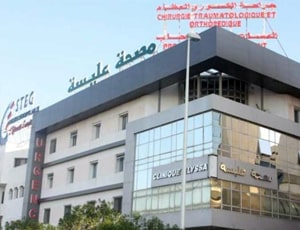
Apart from in-detail treatment procedures available, Clinic Alyssa located in Tunis, Tunisia has a wide variety of facilities available for International Patients. Some of the facilities which are provided by them are Accommodation, Airport Transfer, Interpreter, SIM, TV inside room. Also listed below are some of the most prominent infrastructural details:
Need Some Advice From Our Experts?
Our team of healthcare experts would be happy to assist you

+99


Opinion & Option
We submit the most accurate opinion and options from one or more countries for your review
Consult Privately
Consult with a certified specialist privately on our telemedicine platform even before you decide to travel
Logistics
We handle flights, visas, transfers, and accommodation—so you can focus on your health.
Recovery
Our In-house rehabilitation service packages to better your recovery and treatment outcome
Our network connects you with the leading medical tourism destinations globally, offering a wide range of cities, top doctors, and flexible pricing options.


While depending upon a range of factors, the minimum cost for Spider Veins (Sclerotherapy) in Tunis is $600. TEMOS are just some of the accreditations which top hospitals in Tunis hold where a Spider Veins (Sclerotherapy) is conducted.
Different hospitals have different pricing policy when it comes to the cost of Spider Veins (Sclerotherapy) in Tunis. The Spider Veins (Sclerotherapy) package cost usually includes all the expenses related to pre and post surgery expenses of the patient. Typically, the package cost of Spider Veins (Sclerotherapy) in Tunis includes the expenses related to the surgeon's fee, anesthesia, hospital, meals, nursing and ICU stay. There are many things that may increase the cost of Spider Veins (Sclerotherapy) in Tunis, including prolonged hospital stay and complications after the procedure.
There are several best hospitals for Spider Veins (Sclerotherapy) in Tunis. For quick reference, the following are some of the leading hospitals for Spider Veins (Sclerotherapy) in Tunis:
The recovery of the patient many vary, depending on several factors. However, on an average, patient is supposed to stay for about 9 days in the country after discharge. This period is important to conduct all the follow-up tests to ensure that the surgery was successful and the patient can go back to the home country.
Apart from the Spider Veins (Sclerotherapy) cost, the patient may have to pay for additional daily expenses such as for guest house after discharge and meals. These are the chanrges for daily meals and hotel stay outside the hospital. The extra charges may vary from 35 USD.
The patient is supposed to stay at the hospital for about 1 Days after Spider Veins (Sclerotherapy) surgery for monitoring and care. The doctors team review the patient's recovery during this time with the help of blood tests and imaging scans. Once they feel that everything is on track, the patient is discharged.
There are more than 2 Hospitals that offer Spider Veins (Sclerotherapy) in Tunis. These hospitals have propoer infrastructure as well as offer good quality of services when it comes to Spider Veins (Sclerotherapy) surgery. Also, these hospitals follow the necessary guidelines as required by the medical associations for the treatment of Spider Veins (Sclerotherapy) patients.
Some of the most sought after doctors for Spider Veins (Sclerotherapy) in Tunis are:
Tunis is Tunisia's capital and largest city. Tunis's healthcare system integrates the public and private sectors, allowing it to serve the vast majority of the country's citizens. The Ministry of Public Health is in charge of basic primary care and preventive services in the public sector. In the private sector, healthcare facilities include an outpatient network of general or specialized medicine, paramedical treatment, and hospitalization. The "Caisse Nationale d'Assurance Maladie" manages Tunis's health insurance. Expats and travelers pay more for medical care however most medical centers provide excellent services. The wait is brief, and doctor visits are neither time-consuming nor inconvenient. Tunisians have free access to government-owned medical facilities including hospitals. Staff at public healthcare facilities are fluent in Arabic, French, and English, making it easier for patients from all over the country to be treated here. In recent years, Tunis's private healthcare system has expanded in terms of infrastructure, capacity, and healthcare professionals. Private clinics, especially in Tunis, adhere to worldwide standards. Some clinics are equipped to perform surgeries on patients. In Tunis, ambulance services are limited to major cities, and air evacuation is highly preferred in the majority of medical emergencies.
The hospitals in Tunis deliver quality care and treatment. They are internationally recognized and accredited by healthcare organizations like JCI and ISO. Some of the top hospitals in the city include:
The doctors in Tunis play a vital role in delivering top-level healthcare services focusing on each patient’s needs. Some of the top doctors in the city include:
Tunis is an easily reachable city by train, bus, and flight. The nearest airport to Tunis is Tunis–Carthage International Airport from where you can travel to the city by bus or cab. If you are planning to undergo treatment here, MediGence can assist you in planning your medical travel.
Tunis is Tunisia's capital and largest city. Tunis's healthcare system integrates the public and private sectors, allowing it to serve the vast majority of the country's citizens. The Ministry of Public Health is in charge of basic primary care and preventive services in the public sector. In the private sector, healthcare facilities include an outpatient network of general or specialized medicine, paramedical treatment, and hospitalization. The "Caisse Nationale d'Assurance Maladie" manages Tunis's health insurance. Expats and travelers pay more for medical care however most medical centers provide excellent services. The wait is brief, and doctor visits are neither time-consuming nor inconvenient. Tunisians have free access to government-owned medical facilities including hospitals. Staff at public healthcare facilities are fluent in Arabic, French, and English, making it easier for patients from all over the country to be treated here. In recent years, Tunis's private healthcare system has expanded in terms of infrastructure, capacity, and healthcare professionals. Private clinics, especially in Tunis, adhere to worldwide standards. Some clinics are equipped to perform surgeries on patients. In Tunis, ambulance services are limited to major cities, and air evacuation is highly preferred in the majority of medical emergencies.
The hospitals in Tunis deliver quality care and treatment. They are internationally recognized and accredited by healthcare organizations like JCI and ISO. Some of the top hospitals in the city include:
The doctors in Tunis play a vital role in delivering top-level healthcare services focusing on each patient’s needs. Some of the top doctors in the city include:
Tunis is an easily reachable city by train, bus, and flight. The nearest airport to Tunis is Tunis–Carthage International Airport from where you can travel to the city by bus or cab. If you are planning to undergo treatment here, MediGence can assist you in planning your medical travel.