Your Notifications
All done, no notifications

Spider Veins (Sclerotherapy) Cost in Monastir

Starts from USD 650

Disclaimer: Cost range is subject to change based on clinical evaluation.

Affordable World-class Treatment - Accredited Hospitals - Free Treatment Plan in 24 Hrs

15-45 min
Procedure Time
80 - 90%
Success Rate
Spider Veins: Costs, Top Doctors and, Hospitals | MediGence
JCI/ISO 100,000+ Patients 24X7 Coordinator Visa & Travel handled
Your all-in-one medical travel platform for treatment, recovery & care.

Get Your Personalised Treatment Plan in Just 24 Hours.

Share your details to receive a personalised treatment plan, estimated costs, hospital recommendations, and expert guidance, “completely free.”

Required | alphabets and spaces
Required | A valid, working email address
Required | A valid contact

Your information is protected with HIPAA-compliant security standards. We only share your details with hospitals after your consent.

Estimated Treatment Cost
Starts from USD 650
All-inclusive • Hospital + Medications + Recovery Assistance + Dedicated Care Coordinator

International Quality. Affordable Care.
The average cost of Spider Veins (Sclerotherapy) in Monastir starts from USD 650.

Cost of Spider Veins (Sclerotherapy) in Major Cities of Tunisia

CityCost (USD)
La Marsa Starting $650 Explore More
Monastir Starting $650 Explore More
Tunis Starting $600 Explore More
Alvina Hasan
Author

M.Pharm

2 Year of Experience

Alvina Hasan is a dedicated medical researcher and scientific writer with a strong foundation in pharmaceutical sciences. She holds a B.Pharm from Jamia Hamdard University and an M.Pharm in Quality Assurance from DIPSAR University.

With deep medical expertise and a strong interest in healthcare communication, she focuses on transforming complex clinical and scientific information into clear, engaging, and easy-to-understand narratives. She develops insightful healthcare articles and research-driven content designed to support both medical professionals and patients, helping bridge the gap between advanced medical knowledge and practical understanding.

Readers can explore her published research and articles here:

https://carcinogenesis.com/index.php/JOC/article/view/868

https://carcinogenesis.com/index.php/JOC/article/view/870

View More
Dr. Pradeep Jain
Reviewer

General & Laparoscopic Surgeon

33 Years of Experience

Last Reviewed - June 2026

Dr. Pradeep Jain has completed his MBBS, MS - General Surgery, MCh - Surgical Gastroenterology/G.I. Surgery, and MCh - Surgical Oncology. He is a GastroIntestinal Surgeon, General Surgeon, Surgical Oncologist, Bariatric Surgeon par excellence with total experience of 36 years of which about 33+ years have been as a specialist
View More

Need Help Choosing the Right Treatment? Talk to a Medical Advisor

Our dedicated Medical Patient Advisors are here to answer your questions, help you compare treatment options, estimate costs, and guide you through every step of your healthcare journey.

15 min
Average response time

Serving Patients Worldwide in Multiple Languages.

A medical procedure called sclerotherapy is used to treat spider and varicose veins, which are typically found on the legs. The doctor will inject a specific solution into your spider or varicose vein using a needle. The lining of your blood vessels becomes irritated by this chemical solution, which causes it to swell, adhere, and leave a scar. Your vein is sealed off, improving both its appearance and sensation.

Spider veins also known as telangiectasias, are inflamed blood vessels that appear red, blue, or purple immediately beneath the skin. They are usually not harmful. Although they rarely occur, spider veins can occasionally cause burning, itching, or discomfort (particularly in your legs). Spider veins can be removed, and treatments can improve your skin's appearance.

What are the types of Sclerotherapy?

The most common type of sclerotherapy is called liquid sclerotherapy, in which a tiny needle is used to inject a liquid chemical solution, or sclerosant, directly into the vein. The vascular lining becomes irritated by the sclerosant, which makes it expand and adhere. The vein eventually becomes fading scar tissue.

  • Foam Sclerotherapy: In this technique, a gas or air mixture is added to the sclerosant solution to produce foam. Deeper veins in the leg or larger varicose veins are frequently treated using foam sclerotherapy. By moving the blood in the vein, the foam increases the area where the sclerosant comes into contact with the vein wall.
  • Ultrasound-Guided Sclerotherapy (UGS): This method injects sclerosant into veins that are not visible on the skin's surface, like deeper varicose veins, by using ultrasound imaging to guide the injection. Treatment efficacy is increased and accurate injection placement is ensured with the use of ultrasound.
  • Transdermal Sclerotherapy: In this more recent method, a transdermal laser is used to help the sclerosant absorb through the skin. It is especially helpful in treating tiny veins that are near the surface of the skin.

The size and location of the veins, the patient's general health, and the doctor's experience all play a role in the sclerotherapy procedure selection.

Who needs Sclerotherapy?

People with spider veins or varicose veins may benefit from sclerosing their veins, but not everyone is an ideal candidate. You will consult with a vascular specialist before the treatment, who will determine your eligibility for sclerotherapy.

  • Sclerotherapy is not an option for you if you:
  • Possess a blood clot caused by an active deep vein thrombosis or superficial vein thrombosis.
  • You are carrying a child. It will take you at least three months following delivery to receive sclerotherapy.
  • Nursing (breastfeeding).
  • Unable to move from bed.

Sclerotherapy is not often performed on veins that you may require in the future for surgical bypass treatments, such as the saphenous vein used in coronary artery bypass graft surgery unless the vein is already damaged beyond repair.

Explore Hospitals ( 1 )

Monastir, Tunisia

3.1 - 108 reviews · 120+ Beds · 117+ Procedures
JCI
Starting
USD 650

Get Your Spider Veins (Sclerotherapy)
Plan in 24 hrs.

Our experienced Medical Patient Advisors have supported 100,000+ patients across 120+ countries with personalised treatment plans, hospital recommendations, cost estimates, and travel assistance, all free.

HIPAA-Compliant Data SecurityShared Only with Your Consent

✓ Free Consultation ✓ No Obligation ✓ Personalized Treatment Plan ✓ Response Within 24 Hours

Required | alphabets and spaces
Required | A valid, working email address
Required | A valid contact

Your medical info is kept HIPAA-style confidential. We never share with hospitals without your consent.

Process Involved for Spider Veins (Sclerotherapy) in Monastir

  • Small to Medium Varicose Veins
  • Spider Veins
  • Chronic Venous Insufficiency (CVI)
  • Hemorrhoids
  • Venous Malformations
  • Traditional Sclerotherapy
  • Foam Sclerotherapy
  • Ultrasound-Guided Sclerotherapy
  • Laser-Assisted Sclerotherapy
  • Visible Spider or Varicose Veins
  • Non-pregnant & Non-breastfeeding women
  • Individual with No History of Blood Clots
  • Individual with Good overall health
  • Individuals not taking certain medications
  • Improves Skin Appearance
  • Improves Circulation & Relieves Symptoms of Vein Issues
  • Long-Lasting Results
  • Boosts Confidence & Comfort
  • Safe & Well-Tolerated
  • Visible Reduction in Spider Veins
  • Improves Skin Appearance
  • Improves Circulation & Relieves Symptoms of Vein Issues
  • Long-Lasting Results
  • Boosts Confidence & Comfort
  • Safe & Well-Tolerated
  • Quick Recovery with No Downtime
  • Minimal Scarring or Skin Changes
  • Dermatologist
  • Interventional Radiologist
  • Cosmetic Surgeon
  • Aesthetician
  • Fill out the inquiry form: Fill out the form to provide us with the relevant information about your condition.
  • Consult with Our Healthcare Expert: One of our qualified specialists will contact you for a consultation.
  • Receive a Detailed Treatment Plan:After examining your situation, we will provide you with a detailed treatment plan that includes expert views and cost breakdowns for various choices.
  • Choose your preferred option: Choose the treatment option that suits you the best.
Jenny Wilson
Your Dedicated Medical Patient Advisor
Treatment planning • Hospital coordination • Multilingual support • Response within 15 minutes.
Our Services to Better your Experience

Opinion & Option

We submit the most accurate opinion and options from one or more countries for your review

Consult Privately

Consult with a certified specialist privately on our telemedicine platform even before you decide to travel

Logistics

We handle flights, visas, transfers, and accommodation—so you can focus on your health.

Recovery

Our In-house rehabilitation service packages to better your recovery and treatment outcome

Patient Stories

Ameera
Ameera
Ameera’s Journey to Health and Confidence: A Varicose Veins Recovery Story from the UAE to Thailand

Ameera's symptoms have worsened. Her veins have become grossly enlarged and twisted, and her discomfort has progressed to pain that…

Frequently Asked Questions

The cost of Spider Veins (Sclerotherapy) in Monastir is starts from USD 650, which varies depending on the number and size of veins treated, the type of sclerosing agent used, the number of sessions required, the clinic or hospital, and the specialist’s experience. Diagnostic evaluation, consultation, compression garments, and follow-up visits may also affect the total cost. Patients should request a personalised treatment estimate after medical evaluation.

Some of the best hospitals in Monastir for Spider Veins (Sclerotherapy) include:
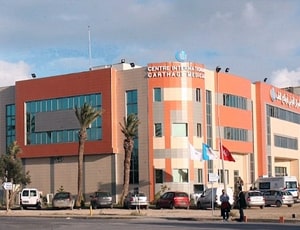
  • Carthage International Medical Center
  • Choose a qualified vascular surgeon, dermatologist, phlebologist, or other appropriately trained specialist with experience in treating spider and small superficial veins. Consider the doctor's qualifications, experience with sclerotherapy, treatment approach, complication-management protocols, and patient outcomes. Reviewing before-and-after results and discussing the expected number of sessions during consultation can also help.

    Sclerotherapy is generally an effective treatment for reducing the appearance of spider veins, although results vary between patients. The success rates, such as 80 - 90%, depends on vein size, location, underlying venous disease, skin characteristics, and adherence to post-treatment instructions. Some veins may require multiple sessions, and new veins can develop over time.

    Sclerotherapy generally causes only mild discomfort, as the treatment involves injecting a solution into the affected veins using a fine needle. Patients may experience brief stinging, burning, or cramping during or shortly after the injections. The level of discomfort varies depending on the number and location of veins treated.

    The number of sessions depends on the number, size, and distribution of the spider veins. Some patients achieve satisfactory improvement after one session, while others may require multiple treatments. Sessions are usually spaced apart to allow the treated veins to heal and gradually fade.

    Sclerotherapy can effectively treat existing spider veins, but it does not prevent new veins from developing. Recurrence or the appearance of new spider veins may be influenced by genetics, ageing, hormonal changes, prolonged standing, and underlying venous conditions. Additional treatment may therefore be required in the future.

    Light walking is generally encouraged after sclerotherapy, while strenuous exercise and activities that place significant pressure on the treated area may need to be avoided temporarily. The treating specialist will provide specific instructions based on the extent of treatment and the patient's condition.

    Compression stockings may be recommended after sclerotherapy to support healing and reduce swelling or discomfort. The duration of use varies according to the treatment performed and the specialist's protocol. Patients should follow the treating physician's instructions regarding the type and duration of compression.

    Treatment may involve liquid or foam sclerotherapy, depending on the type and size of the veins. Specialists may also use ultrasound-guided sclerotherapy when deeper or less visible veins need treatment. In selected cases, laser or other vein treatments may be considered. The most appropriate technique is determined after examining the veins and assessing the underlying circulation.

    Possible side effects include temporary redness, swelling, bruising, itching, tenderness, or inflammation around the treated veins. Less common complications may include skin pigmentation, small blood clots, allergic reactions, skin ulceration, or formation of tiny new blood vessels around the treated area. Rare but serious complications such as deep vein thrombosis can occur and require prompt medical attention.

    Before travelling, obtain a medical evaluation to determine whether sclerotherapy is appropriate and whether additional investigations are needed. Share your medical history, current medications, allergies, previous vein treatments, and any history of blood clots with the specialist. Follow instructions regarding medications, smoking, alcohol, and compression garments, and plan sufficient time for follow-up after treatment.

    Yes. Many hospitals and clinics offer online consultations for international patients in Monastir. During the consultation, the specialist can review photographs, previous medical reports, treatment history, symptoms, and other relevant information. However, an in-person examination may still be necessary before confirming the treatment plan because the veins need to be assessed directly.

    International patients should generally bring their passport, medical history, previous vein-treatment records, relevant imaging or Doppler ultrasound reports, medication list, allergy information, and details of previous procedures. Any referral letters or insurance documents should also be carried if applicable.

    Sclerotherapy is usually performed as an outpatient procedure, so an extended hospital stay is generally not required. International patients may be advised to remain in Monastir for several days to allow for the initial consultation, treatment, and follow-up assessment. The exact duration depends on the number of sessions and the patient's individual recovery.

    Recovery after sclerotherapy is usually relatively quick. Most patients can walk soon after treatment and may return to routine activities within a short period, depending on the extent of treatment. Bruising or mild swelling may persist for several days or weeks. The treated veins gradually fade over the following weeks to months, and multiple sessions may be required.

    Patients should contact their treating specialist immediately if they develop severe pain, increasing swelling, significant skin changes, difficulty breathing, chest pain, or other concerning symptoms. The treating hospital or clinic can assess the problem and provide appropriate treatment. International patients should also obtain clear emergency and follow-up contact details before leaving Monastir.

    International patients can begin by submitting their medical reports and treatment requirements through the MediGence platform. The medical team can review the case, recommend an appropriate specialist, provide a treatment plan and estimated cost, and coordinate consultation and appointments. Travel, accommodation, medical visa assistance, and local transportation may also be arranged where available.

    Monastir may be considered for sclerotherapy based on the availability of qualified vascular and dermatology specialists, modern diagnostic facilities, minimally invasive vein-treatment techniques, and internationally oriented healthcare services. Patients should compare specialist expertise, treatment facilities, expected outcomes, total costs, and follow-up arrangements before making a decision.

    Treatment options may include liquid sclerotherapy, foam sclerotherapy, and ultrasound-guided sclerotherapy. Depending on the type and location of the veins, laser or other minimally invasive vein treatments may also be considered. If an underlying venous problem is identified, the specialist may recommend treating that condition as part of the overall management plan in Monastir.

    FAQ's Related to Tunisia

    Traditionally considered to be a fishing port, Monastir has now become a popular city amongst international travelers. The healthcare system in the city has expanded significantly and consists of hospitals and clinics that deliver healthcare services according to international standards. The doctors and surgeons in the city are highly experienced in providing effective treatments for various conditions. Patients visiting this city would benefit from the ultra-modern equipment, qualified medical staff, and the high standard of care at hospitals. Several patients travel to the city for procedures such as plastic surgery, hair transplantation, orthopedic surgery, and bariatric surgery. Some hospitals in the city also have a separate unit for assisting international patients so that they can avail treatment without any inconvenience and have a pleasant stay.

    The hospitals in Monastir are well-equipped with the latest medical technologies and consist of skilled doctors for various specialties. Some of the top hospitals in Monastir are:

    • International Center Carthage Medical: The hospital has advanced facilities and doctors with impeccable backgrounds to provide the best possible care to both international and national patients. With a capacity of over 133 beds, it has interpreters on board. The hospital provides healthcare services in specialties such as nephrology, endocrinology, neurology, orthopedics, and cardiac sciences. It also has special surgical resuscitation unit, interventional cardiology unit, and maternity and neonatal resuscitation unit.
    • Hospital Fattouma Bourguiba: This is one of the leading university hospitals in Monastir. The hospital has a competent and dedicated medical staff to take care of the different healthcare needs of patients from around the globe. The hospital offers a range of healthcare services in various specialties including pediatrics, cardiology, neurology, and internal medicine.

    The doctors in Monastir are highly efficient and adept. They have completed their education and training at some of the best institutes around the world. Some of the top doctors in Monastir are:

    • Dr. Habib Gamra: He is a renowned cardiologist with expertise in mitral and aortic balloon valvuloplasty, drug-eluting stents, management of heart failure, acute MI, acute coronary syndromes, and antithrombotic therapy. Dr.Gamra is the president of the Tunisian Heart Foundation and also received an honorary award from the Egyptian Society of Cardiology.
    • Dr. Safia Taieb: She is an expert obstetrician and gynecologist with extensive experience. Dr. Safia is highly competent and is dedicated to treating various diseases of the female reporductive tract. Some of these include endometriosis, uterine fibroids, and polycystic ovarian disease.
    • Dr. Sofiem Ben amor: He is an expert ophthalmologist with years of experience in cataract surgery, strabismus surgery, and retinal detachment surgery.

    Monastir is easily reachable and you can travel to the city by air or road. It has an international airport that connects the city to different cities around the world. if you wish to avail treatment at Monastir, then we can assist you with visas and airport transfers so that you have a comfortable stay in the city.

    Not Sure About Your Treatment Plan? Get a Second Opinion

    Get your medical reports reviewed by experienced doctors to help you make a confident treatment decision, all online within 48 hours.

    Upload Your Reports
    Free second opinion on your CAR-T plan