Disclaimer: Cost range is subject to change based on clinical evaluation.
Affordable World-class Treatment - Accredited Hospitals - Free Treatment Plan in 24 Hrs

Share your details to receive a personalised treatment plan, estimated costs, hospital recommendations, and expert guidance, “completely free.”
Your information is protected with HIPAA-compliant security standards. We only share your details with hospitals after your consent.
| City | Cost (USD) | |
|---|---|---|
| Kaunas | Starting $25k | Explore More |
| Vilnius | Starting $25k | Explore More |


Our dedicated Medical Patient Advisors are here to answer your questions, help you compare treatment options, estimate costs, and guide you through every step of your healthcare journey.
Norwood surgery is done to treat hypoplastic left heart syndrome (HLHS), a rare congenital heart defect where the left side of the heart is underdeveloped. The treatment helps reroute blood flow, in order to allow the right side of the heart to pump blood to the lungs and the rest of the body.
If a newborn exhibits bluish skin, breathing difficulties, or poor feeding, get medical attention immediately. Early diagnosis of HLHS is vital for timely, life-saving treatment.
The medical staff will evaluate the baby's condition using diagnostic procedures including ECGs and blood testing in order to get ready for Norwood surgery. Pediatric cardiologists and surgeons will meet with parents to explain the surgery and the healing process. The baby is typically stabilized in a neonatal intensive care unit (NICU) before surgery.
Norwood surgery is performed in newborns with hypoplastic left heart syndrome to reroute blood flow. By joining the pulmonary artery to the undeveloped aorta and putting in a shunt to guide blood to the lungs, surgeons can build a new aorta. This promotes circulation by enabling the right ventricle to circulate blood to the body and lungs.
It usually takes 6 to 8 hours to do Norwood surgery.
Infants with hypoplastic left heart syndrome benefit from improved oxygenation following Norwood surgery, which restores blood flow to the body and lungs. It significantly increases survival rates and lays the groundwork for future surgeries.
Post-operative recovery after Norwood surgery involves careful monitoring in the neonatal intensive care unit (NICU) for several weeks. The baby may need medications to support heart function and prevent complications. Gradual recovery entails pain management, heart rhythm monitoring, and getting ready for the next steps of surgery.
Infants undergoing Norwood surgery typically have a success rate of 70\u201380%.
75–90%
Successful first-stage heart repair10–14 days
Typical hospital stay2–3 months
Typical recovery periodVilnius, Lithuania
Our experienced Medical Patient Advisors have supported 100,000+ patients across 120+ countries with personalised treatment plans, hospital recommendations, cost estimates, and travel assistance, all free.
✓ Free Consultation ✓ No Obligation ✓ Personalized Treatment Plan ✓ Response Within 24 Hours
Your medical info is kept HIPAA-style confidential. We never share with hospitals without your consent.

Opinion & Option
We submit the most accurate opinion and options from one or more countries for your review
Consult Privately
Consult with a certified specialist privately on our telemedicine platform even before you decide to travel
Logistics
We handle flights, visas, transfers, and accommodation—so you can focus on your health.
Recovery
Our In-house rehabilitation service packages to better your recovery and treatment outcome

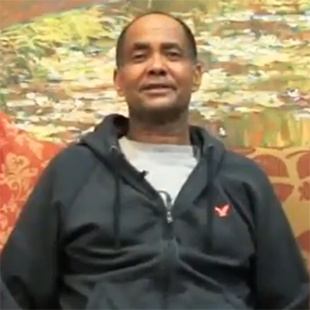
Mr. Hailu Kassa underwent Coronary Artery Bypass Surgery in Vejthani Hospital, Thailand under the supervision of Dr. Piya, Cardio-Thoracic Surgeon

Patient Testimonial: Rod Schaubroeck from United States (U.S.A) underwent heart valve replacement at Fortis Hospital, India
Vilnius is the capital of Lithuania and it is the largest city in the country. Vilnius has two types of healthcare systems: public and private. It also has a two-tiered healthcare insurance system, with public and private providers. The public system was founded in 1993 by the Compulsory Health Insurance Fund (CHIF), commonly known as "valstybin ligoni kasa." As an expat, you will have access to the public healthcare system if you are a permanent or temporary resident working in the country. Both private and governmental healthcare in Vilnius is generally regarded as of high quality. Vilnius has an excellent reputation for all types of treatments, particularly cardiology and dental care, as evidenced by its expanding importance as a medical tourism destination. The private medical sector offers high-quality care at competitive pricing that can be as low as 25% less than those in other nations. A variety of primary and hospital care, as well as elective cosmetic surgery, laser eye treatment, and dental care, can be covered by private health insurance. A patient should also consider purchasing a medical evacuation policy. There is practically little private provision for inpatient treatment in Vilnius.
The hospitals in Vilnius deliver quality care and treatment. They are internationally recognized and accredited by healthcare organizations like JCI and ISO. Some of the top hospitals in the city include:
The doctors in Vilnius play a vital role in delivering top-level healthcare services focusing on each patient’s needs. Some of the top doctors in the city include:
Vilnius is an easily reachable city by train, bus, and flight. The nearest airport to Vilnius is Vilnius (VNO) Airport from where you can travel to the city by bus or cab. If you are planning to undergo treatment here, MediGence can assist you in planning your medical travel.
Get your medical reports reviewed by experienced doctors to help you make a confident treatment decision, all online within 48 hours.
Upload Your Reports