Your Notifications
All done, no notifications

LV restoration surgery Cost in Thailand

USD 2000 - USD 40000

Affordable World-class Treatment - Accredited Hospitals - Free Treatment Plan in 24 Hrs

7
Days in Hospital
4-6 hrs
Procedure Time
80 - 90%
Success Rate
JCI/ISO 100,000+ Patients 24X7 Coordinator Visa & Travel handled
Your all-in-one medical travel platform for treatment, recovery & care.

Get Your Personalised Treatment Plan in Just 24 Hours.

Share your details to receive a personalised treatment plan, estimated costs, hospital recommendations, and expert guidance, “completely free.”

Required | alphabets and spaces
Required | A valid, working email address
Required | A valid contact
Connect with an Expert

Your information is protected with HIPAA-compliant security standards. We only share your details with hospitals after your consent.

Estimated Treatment Cost
USD 2000 - USD 40000
All-inclusive • Hospital + Medications + Recovery Assistance + Dedicated Care Coordinator

International Quality. Affordable Care.

How Much Does LV Restoration Surgery Cost in Thailand?

The cost of Left Ventricular Restoration Surgery in Thailand typically ranges between USD 20000 - USD 30000, depending on the patient's medical condition, the complexity of the procedure, and the hospital where the surgery is performed.

Factors Influencing the Cost of LV Restoration

  • Hospital and Location: Hospitals that are global institutions in cardiology located in major cities often charge high prices for treatments because of their high-end cardiac technological industrialisation and broad experience in care.
  • Doctor's Expertise: The knowledge and credibility of cardiothoracic hospital experts and cardiovascular surgeons may affect the total cost of treatments.
  • Surgical Complexity: Patients who need additional procedures such as the CABG (Coronary Artery Bypass Grafting) procedure or heart valve operations will face higher costs of cardiac treatment.
  • Pre-surgery Testing: Costs of treatment include expenses related to various medical tests, diagnostic imaging, laboratory analysis and consultations done by skilled doctors.
  • Hospitalisation and Treatment in ICU: The longer patients stay in hospital, need intensive treatment and get post-operative check-ups, the bigger their bills will be.
  • Medical or Age Condition of the Patient: Older patients or those having diseases would require more monitoring and careful treatment, which leads to higher expenses.
  • Post-operative Care: Medical care after surgery, rehabilitation, consultations, and medications will additionally increase the cost of cardiac treatment.

What's included in your LV restoration surgery quote?

LV restoration surgery
fee, operating room charges
Cardiology consultations
Pre-evaluation, surgical planning, follow-ups
7–10-day hospital stay
Inpatient care, monitoring, management
10–14-day in-country follow-up
Wound check, recovery evaluation
Visa & medical-visa invite letter
Airport pickup & transfers

Cost of LV restoration surgery in Major Cities of Thailand

CityCost (USD)
Bangkok $20,000 – $30,000 Explore More

Lv Restoration Surgery - Thailand Vs the World

$0 - $0
$7k - $0
$8k - $15k
$12k - $18k
$20k - $35k
$20k - $65k
$20k - $30k
$30k - $55k
$30k - $60k
$34k - $80k
$35k - $60k
$40k - $60k
Dr. Abdullah Rahil
Author

MPT (Neuro)

7 Years of Experience

Dr. Abdullah Rahil, M.P.T. (Neurology), is a dedicated physiotherapy professional specializing in orthopedic, neurological, and musculoskeletal rehabilitation. With strong clinical expertise, he focuses on improving patient mobility, reducing pain, and restoring functional independence through evidence-based rehabilitation techniques. He is skilled in advanced therapeutic approaches that support effective rehabilitation and recovery for a wide range of musculoskeletal and neurological conditions, focusing on improving mobility, reducing pain, and restoring functional independence. Dr. Rahil has extensive experience managing diverse rehabilitation cases. His patient-centered approach emphasizes personalized treatment plans, continuous assessment, and comprehensive rehabilitation to achieve optimal recovery outcomes.
View More
Dr. Naresh Kumar Goyal
Reviewer

Cardiologist

21 Years of Experience

Last Reviewed - June 2026

Dr. Naresh Kumar Goyal is highly trained as a cardiologist with exposure in virtually all aspects of cardiology. He qualified with an MD in internal medicine in 1999 from SMS Medical College, Jaipur, and served in the Cardiology Department as an honorary resident. From this stage, he also started with training in the temporary pacing of the pacemaker as well as interventional services.
View More

Need Help Choosing the Right Treatment? Talk to a Medical Advisor

Our dedicated Medical Patient Advisors are here to answer your questions, help you compare treatment options, estimate costs, and guide you through every step of your healthcare journey.

15 min
Average response time

Serving Patients Worldwide in Multiple Languages.

Left ventricular restoration surgery aims to restore or reconstruct the left ventricle to its standard spherical form and size in patients with akinetic heart segments due to post-infarction left ventricular aneurysm or dilated cardiomyopathy.

The purpose of LV (Left Ventricular) Restoration Surgery is to repair and shrink a damaged or dilated left ventricle, typically following a heart attack or in cases of heart failure. The objectives include enhancing the heart's pumping efficiency, lowering symptoms like exhaustion or dyspnea, and stopping further heart damage. This surgery enhances cardiac output and quality of life by restoring a more normal heart geometry and function.

Heart failure symptoms, including shortness of breath, persistent fatigue, limb oedema, or impaired exercise tolerance, should be discussed with a cardiologist or cardiac surgeon, particularly if you have a history of myocardial infarction (heart attack). LV restoration may be considered if medicines and other treatments are no longer successful.

Preparation entails a comprehensive cardiac evaluation, including coronary angiography, cardiac MRI, and echocardiogram to determine the degree of heart damage and function. Before surgery, you should stop taking some medications and refrain from eating or drinking anything. In addition, your physician will assess your general surgical readiness and review the advantages and disadvantages.

  • Access to the Heart: Open heart surgery is typically used to perform the treatment under general anaesthesia.
  • Excision of Scarred Tissue: This procedure involves removing damaged or scarred tissue from a prior heart attack.
  • Ventricular Reshaping: The ventricle's elliptical form and ideal volume are restored through reconstruction.
  • Use of Patch (if necessary): A surgical patch may be used to repair the heart wall.
  • Valve Repair (if necessary): Mitral valve repair may be required if there is a leak.
  • Closure: Following the restoration of cardiac geometry, the chest is closed.

The procedure usually takes three to five hours, and five to ten days are needed in the hospital. Depending on general health and surgical reaction, the initial recuperation at home takes roughly four to six weeks.

  • Infection or bleeding
  • Arrhythmias (irregular heartbeat)
  • Blood clots or a stroke
  • Respiratory issues
  • Heart attack during or after surgery
  • Need for additional surgeries (in rare cases)

With LV restoration, heart failure symptoms are lessened, physical capability is increased, and heart function is much improved. This can lower reliance on heart failure drugs or devices and increase survival rates.

With LV restoration, heart function is significantly enhanced, physical performance is increased, and heart failure symptoms are reduced. It can improve survival rates and reduce dependence on heart failure medications or devices.

Although the degree of heart damage and the patient's condition determine success, many patients report notable improvements in their symptoms and heart function. When done on the right candidates, survival and quality of life significantly increase.

80–90%

Improved heart function

7–10 days

Typical hospital stay

8–12 weeks

to typical return to work
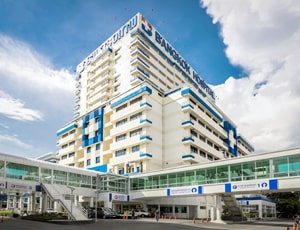
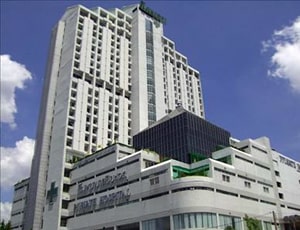
Explore Hospitals ( 7 )

Bangkok, Thailand

580+ Beds · 255+ Procedures
JCI
Starting
USD 20000

Bangkok, Thailand

263+ Beds · 229+ Procedures
JCI

Bangkok, Thailand

300+ Beds · 287+ Procedures
JCI GHA
Starting
USD 15000

Bangkok, Thailand

550+ Beds · 238+ Procedures
JCI
Starting
USD 10000

Bangkok, Thailand

400+ Beds · 160+ Procedures
ISO JCI
Starting
USD 2000

Bangkok, Thailand

120+ Beds · 171+ Procedures
JCI
Starting
USD 25000

Bangkok, Thailand

150+ Beds · 171+ Procedures
JCI ISO
Starting
USD 20000

Get Your LV restoration surgery
Plan in 24 hrs.

Our experienced Medical Patient Advisors have supported 100,000+ patients across 120+ countries with personalised treatment plans, hospital recommendations, cost estimates, and travel assistance, all free.

HIPAA-Compliant Data SecurityShared Only with Your Consent

Free Consultation No Obligation Personalized Treatment Plan Response Within 24 Hours

Required | alphabets and spaces
Required | A valid, working email address
Required | A valid contact

Your medical info is kept HIPAA-style confidential. We never share with hospitals without your consent.

Process Involved for LV restoration surgery in Thailand

  • Specialist Consultation: An appointment with a cardiologist and cardiac surgeon is made to examine the patient's heart condition and determine if LVRS is the most appropriate measure.
  • Staging and Diagnosis: Imaging, echocardiograms, and diagnostic studies are done to measure the extent of left ventricular dysfunction and overall heart condition.
  • Personalised Treatment Plan: The medical team creates a treatment plan for every patient depending on their age, overall health, and specific heart condition.
  • Pre-Treatment Counseling: The patient and his/her family are informed about the procedure, risks involved, recovery process, and post-operative care.
  • Follow-up Care: Regular consultations with the surgeon and cardiologist to assess recovery, monitor heart function, and formulate treatment plans.
  • Dilated Cardiomyopathy
  • Severe Left Ventricular Dysfunction

Left Ventricular Restoration Surgery is an option for those patients who have:

  • Severe left ventricular dysfunction due to dilated cardiomyopathy or other causes of left ventricular dysfunction.
  • In most cases, the age range is 18–65 years (though older individuals may also be considered depending on their health).
  • Symptoms of heart failure that are not controlled with medication.
  • Mitral Valve Repair or Replacement
  • CABG
  • Increases the efficiency of heart pumping by maximising left ventricular function.
  • Improves the oxygen and blood supply to critical organs.
  • Reduces heart failure symptoms such as fatigue and breathlessness.
  • Reduced likelihood of arrhythmias and, in some cases, reduced need for cardiac transplantation.
  • Fill out the inquiry form: Fill out the form to provide us with the relevant information about your condition.
  • Consult with Our Healthcare Expert: One of our qualified specialists will contact you for a consultation.
  • Receive a Detailed Treatment Plan: After examining your situation, we will provide you with a detailed treatment plan that includes expert views and cost breakdowns for various choices.
  • Choose your preferred option: Choose the therapy option that best suits you.
  • Seamless Organization: We will manage all the details, including visas, flights, accommodations, and transfers, for a stress-free journey.
Jenny Wilson
Your Dedicated Medical Patient Advisor
Treatment planning • Hospital coordination • Multilingual support • Response within 15 minutes.
Our Services to Better your Experience

Opinion & Option

We submit the most accurate opinion and options from one or more countries for your review

Consult Privately

Consult with a certified specialist privately on our telemedicine platform even before you decide to travel

Logistics

We handle flights, visas, transfers, and accommodation—so you can focus on your health.

Recovery

Our In-house rehabilitation service packages to better your recovery and treatment outcome

Patient Stories

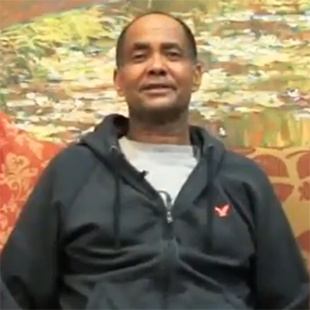
Mr Hailu Kassa : CABG Surgery
Mr Hailu Kassa
Mr Hailu Kassa : CABG Surgery

Mr. Hailu Kassa underwent Coronary Artery Bypass Surgery in Vejthani Hospital, Thailand under the supervision of Dr. Piya, Cardio-Thoracic Surgeon

Rod Schaubroeck
Rod Schaubroeck
Rod Schaubroeck : Double Valve Replacement

Patient Testimonial: Rod Schaubroeck from United States (U.S.A) underwent heart valve replacement at Fortis Hospital, India

Frequently Asked Questions

The cost of LV restoration surgery in Thailand may vary depending on the extent of left ventricular damage, presence of a ventricular aneurysm or scar tissue, heart function, need for coronary artery bypass grafting (CABG) or valve surgery, hospital charges, surgeon’s fees, intensive care requirements, and length of hospitalisation. The overall cost may include cardiac investigations, surgery, cardiopulmonary bypass, intensive care, medications, cardiac rehabilitation, and follow-up care.MediGence can help international patients explore suitable cardiac centres and obtain an estimated treatment plan based on the patient’s cardiac condition and clinical requirements.

The best hospitals in Thailand for LV restoration surgery are those with experienced cardiothoracic surgeons, heart failure specialists, cardiac anaesthesiologists, cardiac imaging experts, perfusionists, and multidisciplinary heart teams. Patients should consider hospitals with advanced cardiac imaging, dedicated cardiac intensive care units, expertise in complex ventricular reconstruction, and comprehensive cardiac rehabilitation programmes.

Patients should choose a cardiothoracic or cardiac surgeon experienced in surgical ventricular reconstruction and the management of ischaemic heart failure. Important factors include the surgeon’s experience with left ventricular aneurysm repair, ventricular remodelling, CABG, and combined cardiac procedures.The treating team should assess left ventricular size and function, myocardial scar burden, coronary artery disease, valve function, symptoms, and overall surgical risk before recommending LV restoration surgery.

LV restoration surgery has an overall success rate of approximately , depending on the extent and location of ventricular damage, left ventricular function, severity of heart failure, presence of coronary artery disease, associated valve disease, and the patient’s overall health. Outcomes may include improved ventricular geometry, reduced symptoms, and better cardiac function in appropriately selected patients.

Hospitals in Thailand may use transthoracic and transoesophageal echocardiography, cardiac MRI, cardiac CT, coronary angiography, myocardial viability assessment, advanced cardiopulmonary bypass systems, and intraoperative cardiac imaging.LV restoration surgery, also known as surgical ventricular reconstruction, aims to exclude or reshape scarred and non-functioning areas of the left ventricle to restore a more efficient ventricular size and geometry. The procedure may be combined with CABG, ventricular aneurysm repair, or mitral valve surgery when clinically required.

Possible risks and complications may include:
  • Bleeding or infection
  • Abnormal heart rhythms
  • Reduced cardiac output or worsening heart failure
  • Heart attack or stroke
  • Blood clot formation
  • Kidney or lung complications
  • Ventricular dysfunction
  • Residual or recurrent ventricular enlargement
  • Need for mechanical circulatory support
  • Prolonged intensive care or hospitalisation
  • Need for additional cardiac procedures
  • Risks related to cardiopulmonary bypass and anaesthesia
  • The treating cardiac team will explain the potential risks based on the patient’s heart function and planned procedure.

    Patients should share all relevant medical records with the treating cardiac team before travelling. These may include echocardiography reports, cardiac MRI or CT scans, coronary angiography findings, stress or viability studies, previous cardiac treatment records, blood test results, and details of current medications and allergies.Patients should also discuss the expected hospital stay, intensive care requirements, cardiac rehabilitation, travel fitness, and follow-up plan before making travel arrangements.

    Yes. International patients can arrange an online consultation with a cardiac surgeon or heart failure specialist before travelling to Thailand. The specialist may review cardiac imaging, left ventricular function, coronary anatomy, symptoms, previous treatments, and overall surgical risk to determine whether LV restoration surgery may be appropriate.MediGence can help coordinate online consultations and facilitate the sharing of relevant medical records with suitable specialists.

    International patients should carry a valid passport and relevant medical documents, including:
  • Echocardiography reports
  • Cardiac MRI or CT reports and images
  • Coronary angiography reports and images
  • Previous cardiology or cardiac surgery records
  • Recent blood test and cardiac assessment reports
  • Current prescriptions and medication details
  • Allergy and medical history records
  • The required stay in Thailand depends on the complexity of the surgery, the patient’s heart function, intensive care requirements, and postoperative recovery. LV restoration surgery generally requires hospitalisation, including cardiac intensive care and monitoring in a specialised cardiac unit.Patients may need to remain in Thailand until cardiac function is stable, the surgical wound is healing appropriately, rehabilitation has begun, and the treating team confirms that the patient is fit to travel.

    Recovery after LV restoration surgery may take several weeks to months. Patients usually require gradual mobilisation, medication management, cardiac rehabilitation, and regular monitoring of heart function.The recovery timeline depends on preoperative cardiac function, the extent of ventricular reconstruction, associated procedures, and the patient’s response to rehabilitation.

    If complications occur, patients should contact the treating cardiac team or seek urgent medical attention. Immediate evaluation may be required for chest pain, severe breathlessness, fainting, rapid or irregular heartbeat, increasing leg swelling, fever, wound redness or discharge, or sudden worsening of symptoms.Patients should receive clear discharge instructions and a detailed cardiac follow-up plan before returning home.

    International patients can submit their medical details and relevant cardiac reports through the MediGence website. Following an initial review, the MediGence care team can help patients explore suitable cardiac hospitals and experienced cardiac surgeons, coordinate consultations, and support treatment and medical travel planning.The final treatment recommendation is made by the multidisciplinary cardiac team after a detailed clinical evaluation.

    International patients may choose Thailand for access to experienced cardiac surgeons, advanced cardiac imaging, specialised heart failure programmes, modern cardiopulmonary bypass technology, dedicated cardiac intensive care, and comprehensive rehabilitation services. The destination should be evaluated based on surgical expertise, patient safety standards, experience with complex ventricular reconstruction, and long-term cardiac follow-up.

    Treatment options depend on the extent of left ventricular dysfunction, myocardial scarring, coronary artery disease, valve abnormalities, and the patient’s overall clinical condition. Options may include:
  • Guideline-directed medical therapy for heart failure
  • Coronary artery bypass grafting (CABG)
  • LV restoration or surgical ventricular reconstruction
  • Left ventricular aneurysm repair
  • Mitral valve repair or replacement
  • Implantable cardioverter-defibrillator (ICD) or cardiac resynchronisation therapy (CRT)
  • Mechanical circulatory support
  • Heart transplantation in selected patients
  • Cardiac rehabilitation and long-term follow-up
  • The multidisciplinary cardiac team will recommend the most appropriate treatment after reviewing the patient’s cardiac function, imaging findings, and overall health.

    International patients may choose Thailand for access to specialised cardiac centres, experienced cardiothoracic surgeons, advanced cardiac imaging, complex ventricular reconstruction techniques, and comprehensive heart failure care.MediGence can assist with hospital and specialist selection, medical record coordination, consultation scheduling, treatment planning, and travel-related support. The final destination should be selected according to the patient’s cardiac condition, surgical requirements, recovery needs, and the hospital’s expertise in LV restoration surgery.

    Not Sure About Your Treatment Plan? Get a Free Second Opinion

    Have your reports reviewed by independent oncology experts to help you make a confident treatment decision, all online within 48 hours.

    Upload Your Reports
    Free second opinion on your CAR-T plan