Affordable World-class Treatment - Accredited Hospitals - Free Treatment Plan in 24 Hrs

Share your details to receive a personalised treatment plan, estimated costs, hospital recommendations, and expert guidance, “completely free.”
Your information is protected with HIPAA-compliant security standards. We only share your details with hospitals after your consent.
The average cost of Device Closure of ASD (Amplatzer Septal Occluder) in Antalya approximately starts from USD 7200 - USD 8800
| City | Minimum Cost (USD) | Minimum Cost (TRY) | Maximum Cost (USD) | Maximum Cost (TRY) |
|---|---|---|---|---|
| Ankara | USD 7200 | 281232 | USD 8800 | 343728 |
| Antalya | USD 7200 | 281232 | USD 8800 | 343728 |
| Istanbul | USD 7200 | 281232 | USD 8800 | 343728 |
| Izmir | USD 7200 | 281232 | USD 8800 | 343728 |
| Kocaeli | USD 7200 | 281232 | USD 8800 | 343728 |
| Samsun | USD 7200 | 281232 | USD 8800 | 343728 |
| Tokat | USD 6480 | 253109 | USD 7920 | 309355 |
| Trabzon | USD 6480 | 253109 | USD 7920 | 309355 |
| Usak | USD 6480 | 253109 | USD 7920 | 309355 |
| Zonguldak | USD 6480 | 253109 | USD 7920 | 309355 |
| City | Cost (USD) | |
|---|---|---|
| Ankara | $7,200 – $8,800 | Explore More |
| Antalya | $7,200 – $8,800 | Explore More |
| Canakkale | $6,480 – $7,920 | Explore More |
| Istanbul | $7,200 – $8,800 | Explore More |
| Izmir | $7,200 – $8,800 | Explore More |
| Kocaeli | $7,200 – $8,800 | Explore More |
| Samsun | $7,200 – $8,800 | Explore More |
| Tokat | $6,480 – $7,920 | Explore More |
| Trabzon | $6,480 – $7,920 | Explore More |
| Usak | $6,480 – $7,920 | Explore More |
| Zonguldak | $6,480 – $7,920 | Explore More |

Alvina Hasan is a dedicated medical researcher and scientific writer with a strong foundation in pharmaceutical sciences. She holds a B.Pharm from Jamia Hamdard University and an M.Pharm in Quality Assurance from DIPSAR University.
With deep medical expertise and a strong interest in healthcare communication, she focuses on transforming complex clinical and scientific information into clear, engaging, and easy-to-understand narratives. She develops insightful healthcare articles and research-driven content designed to support both medical professionals and patients, helping bridge the gap between advanced medical knowledge and practical understanding.
Readers can explore her published research and articles here:

Our dedicated Medical Patient Advisors are here to answer your questions, help you compare treatment options, estimate costs, and guide you through every step of your healthcare journey.
The procedure closes the atrial septal defect (a hole in the wall between the upper heart chambers). Closing the defect averts potential problems such as right heart enlargement, arrhythmias, stroke, or pulmonary hypertension, especially in moderate to large ASDs.
A visit to the cardiologist is recommended if you experience fatigue, breathlessness, heart palpitations, or recurrent respiratory tract infections. Most ASDs are diagnosed by echocardiography, either in childhood or in adulthood, during one of the evaluations for a murmur or a few symptoms.
The patient may have an echocardiogram (commonly TEE) and chest X-ray; an ECG and blood work are recorded. You will be requested to stop certain medications (if applicable) and fast for about 6 to 8 hours before the procedure. Of course, informed consent is obtained, and the method and its risks will be discussed beforehand.
With sedation or general anesthesia, a catheter is introduced into the groin vein and advanced into the heart. The device is then passed through the ASD and opened to cover the hole. Over time, it becomes incorporated into the septum.
The procedure generally lasts between 1 and 2 hours, and patients undergo monitoring for several hours in recovery. Most patients go home the day after.
This procedure avoids open-heart surgery, permanently closes the defect, relieves symptoms, averts long-term complications, and thus allows faster rehabilitation into everyday life.
Recovery is fast, and most patients return to normal activities within a week. Blood-thinning agents such as aspirin could be prescribed for several months. Follow-up echocardiography is essential to ensure the device functions properly.
When used for appropriate ASDS, success rates are more than 95%. They provide long-term results as good as surgical closure but with less risk, faster recovery, and fewer complications.
95–99%
Successful defect closure2–3 days
Typical hospital stay2–4 weeks
Typical return to daily activitiesOur experienced Medical Patient Advisors have supported 100,000+ patients across 120+ countries with personalised treatment plans, hospital recommendations, cost estimates, and travel assistance, all free.
✓ Free Consultation ✓ No Obligation ✓ Personalized Treatment Plan ✓ Response Within 24 Hours
Your medical info is kept HIPAA-style confidential. We never share with hospitals without your consent.

Opinion & Option
We submit the most accurate opinion and options from one or more countries for your review
Consult Privately
Consult with a certified specialist privately on our telemedicine platform even before you decide to travel
Logistics
We handle flights, visas, transfers, and accommodation—so you can focus on your health.
Recovery
Our In-house rehabilitation service packages to better your recovery and treatment outcome

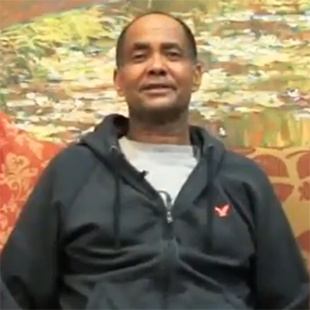
Mr. Hailu Kassa underwent Coronary Artery Bypass Surgery in Vejthani Hospital, Thailand under the supervision of Dr. Piya, Cardio-Thoracic Surgeon

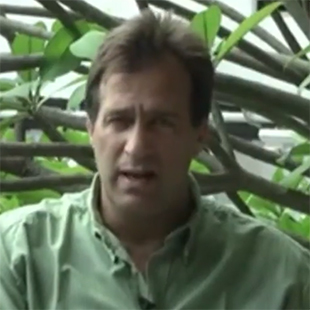
Patient Testimonial: Rod Schaubroeck from United States (U.S.A) underwent heart valve replacement at Fortis Hospital, India
On an average, Device Closure of ASD (Amplatzer Septal Occluder) in Antalya costs about $10000. There many SAS, JCI, TEMOS certified hospitals in Antalya that offer Device Closure of ASD (Amplatzer Septal Occluder).
The Device Closure of ASD (Amplatzer Septal Occluder) package cost in Antalya varies from one hospital to another and may offer different benefits. Some of the best hospitals for Device Closure of ASD (Amplatzer Septal Occluder) offer a comprehensive package that covers the end-to-end expenses related to investigations and treatment of the patient. The Device Closure of ASD (Amplatzer Septal Occluder) cost in Antalya includes the cost of anesthesia, medicines, hospitalization and the surgeon's fee. Extended hospital stay, complications after the surgery or new diagnosis may affect the overall cost of Device Closure of ASD (Amplatzer Septal Occluder) in Antalya.
Device Closure of ASD (Amplatzer Septal Occluder) in Antalya is offered by multiple hospitals across the country. Some of the most renowned hospitals for Device Closure of ASD (Amplatzer Septal Occluder) in Antalya include the following:
After Device Closure of ASD (Amplatzer Septal Occluder) in Antalya, the patient is supposed to stay in guest house for another 12 days. During this time, the patient undergoes medical tests and consultations. this is to ensure that the treatment was successful and the patient us safe to return.
Antalya is one of the most popular cities for Device Closure of ASD (Amplatzer Septal Occluder) in the world. The country offers the best cost of Device Closure of ASD (Amplatzer Septal Occluder), best doctors, and advanced hospital infrastructure. there are a select few destinations that provide comparable quality of healthcare for the procedure. Some of such cities are:
There are certain expenses additional to the Device Closure of ASD (Amplatzer Septal Occluder) cost that the patient may have to pay for. The per day extra expenses in Antalya per person are about 40 USD.
After the Device Closure of ASD (Amplatzer Septal Occluder) surgery takes place, the average duration of stay at the hospital is about 3 Days. The patient is subjected to several biochemistry and radiological scans to see that everything is okay and the recovery is on track. After making sure that patient is clinically stable, discharge is planned.
There are about 1 Hospitals Device Closure of ASD (Amplatzer Septal Occluder) hospitals in Antalya that are best known for their services. These hospitals have the required infrastructure and a decided Device Closure of ASD (Amplatzer Septal Occluder) unit where renal failure patients can be treated. Also, these hospitals follow the necessary guidelines as required by the medical associations for the treatment of Device Closure of ASD (Amplatzer Septal Occluder) patients.
Some of the most sought after doctors for Device Closure of ASD (Amplatzer Septal Occluder) in Antalya are:
Turkey is one of the top 10 countries for health tourism in the world. Amongst all its cities, Antalya is known for having one of the best healthcare facilities. The city has 27 private hospitals, 14 public hospitals, 5 IVF centers, and 23 centers for dialysis. It also houses 2 institutes dedicated to organ transplantation. Most of the patients visit Antalya for receiving treatments like bone marrow transplantation, orthopedic surgery, cardiac surgery, dialysis, hair transplantation, and liver transplants. Patients prefer to travel to Antalya because the hospitals here offer affordable yet highly effective treatments. There are also shorter waiting times and most of the hospitals are internationally recognized and accredited. Antalya has multilingual and highly-skilled doctors.
There are many prestigious hospitals in Antalya equipped with the most modern facilities such as 1.5 Tesla MRI, panendoscope, and 64*2 multi-slice computed tomography. Some of the top hospitals in Antalya are
The Ministry of Health in Turkey oversees that doctors are working as per the set standards and ethics. Thus, maintaining the quality of healthcare in Antalya. Some of the top doctors in Antalya are:
You can conveniently travel to Antalya via air. The city has great connectivity with all the major international airports in the world. If you are planning to visit Antalya for your treatment, we can help you with visas, airport transfers, and accommodation to make the journey convenient for you.
Turkey is one of the top 10 countries for health tourism in the world. Amongst all its cities, Antalya is known for having one of the best healthcare facilities. The city has 27 private hospitals, 14 public hospitals, 5 IVF centers, and 23 centers for dialysis. It also houses 2 institutes dedicated to organ transplantation. Most of the patients visit Antalya for receiving treatments like bone marrow transplantation, orthopedic surgery, cardiac surgery, dialysis, hair transplantation, and liver transplants. Patients prefer to travel to Antalya because the hospitals here offer affordable yet highly effective treatments. There are also shorter waiting times and most of the hospitals are internationally recognized and accredited. Antalya has multilingual and highly-skilled doctors.
There are many prestigious hospitals in Antalya equipped with the most modern facilities such as 1.5 Tesla MRI, panendoscope, and 64*2 multi-slice computed tomography. Some of the top hospitals in Antalya are
The Ministry of Health in Turkey oversees that doctors are working as per the set standards and ethics. Thus, maintaining the quality of healthcare in Antalya. Some of the top doctors in Antalya are:
You can conveniently travel to Antalya via air. The city has great connectivity with all the major international airports in the world. If you are planning to visit Antalya for your treatment, we can help you with visas, airport transfers, and accommodation to make the journey convenient for you.
Have your reports reviewed by independent oncology experts to help you make a confident treatment decision, all online within 48 hours.
Upload Your Reports