Affordable World-class Treatment - Accredited Hospitals - Free Treatment Plan in 24 Hrs

Share your details to receive a personalised treatment plan, estimated costs, hospital recommendations, and expert guidance, “completely free.”
Your information is protected with HIPAA-compliant security standards. We only share your details with hospitals after your consent.
| City | Minimum Cost (USD) | Minimum Cost (AED) | Maximum Cost (USD) | Maximum Cost (AED) |
|---|---|---|---|---|
| Ajman | USD 7200 | 26424 | USD 13500 | 49545 |
| Dubai | USD 8000 | 29360 | USD 15000 | 55050 |
| City | Cost (USD) | |
|---|---|---|
| Ajman | $7,200 – $13,500 | Explore More |
| Dubai | $8,000 – $15,000 | Explore More |


Our dedicated Medical Patient Advisors are here to answer your questions, help you compare treatment options, estimate costs, and guide you through every step of your healthcare journey.
Infants with congenital heart abnormalities can survive until they have corrective surgery with the use of a septostomy. The Rashkind procedure or balloon atrial septostomy is another term for septostomy. Because it affects the atria, the two upper chambers of the infant's heart, the treatment is referred to as "atrial."
A small opening in the septum of a fetus is called the foramen ovale. The wall separating their heart's left and right halves is called the septum. Blood can move from the right side of the fetus's heart to the left side through the foramen ovale. A balloon catheter is used during the septostomy procedure to enlarge the foramen ovale and permit blood from both sides of the heart to mix. Thus, blood with and without oxygen combine. To give the baby enough time for surgery, the method maintains the foramen ovale open.
This is a percutaneous technique, which means that a medical professional will penetrate the skin with a needle and implant a catheter. A balloon within the catheter enlarges a hole that exists naturally in the infant's heart. Blood with more oxygen can mingle with blood with less oxygen through this opening. The baby's body can then begin to circulate this partially oxygenated blood after it has left the heart. The infant's blood would simply be low in oxygen flowing through their body without this pathway.
A Septostomy is not exactly an open cardiac surgery. Rather, it's an interim solution to bridge the time between birth and surgery.
General classification of Septostomy:
Septostomy is required by:
In cases of congenital heart abnormalities, such as transposition of the great arteries or hypoplastic left heart syndrome, balloon atrial septostomy is performed to create or enlarge a hole between the heart's atria, improving blood flow. It improves oxygen levels by equalising pressures in the heart chambers.
Consult a physician if you have unexpected changes in your health, such as breathing difficulties or chest pain, or if your symptoms are persistent and odd. Seek medical help if things don't get better or get worse.
Your doctor will give you detailed advice on how to be ready for a balloon atrial septostomy, which can include fasting beforehand. You may need to stop certain medications, and an assessment of your overall health will be conducted.
During a balloon atrial septostomy, a balloon is inflated to create or widen a hole between the atria after a catheter is inserted through a blood supply to the heart. This helps improve blood flow and oxygen levels in cases of congenital heart defects
Completing a balloon atrial septostomy usually takes 30 to 60 minutes. Depending on the patient's condition and the case's intricacy, the length of time may change.
Infants with congenital heart abnormalities benefit from balloon atrial septostomy in terms of improved oxygenation and blood flow. It provides a temporary solution to stabilize the patient before further surgeries or treatments.
After a balloon atrial septostomy, post-operative rehabilitation involves monitoring for issues like bleeding or arrhythmias. For observation, patients might have to remain in the hospital for a few hours to a day.
Studies show that around 98% of patients who undergo balloon atrial septostomy (BAS) experience rapid success.
90–95%
Successful atrial septal opening2–3 days
Typical hospital stay1–2 weeks
Typical recovery periodAjman, United Arab Emirates
Our experienced Medical Patient Advisors have supported 100,000+ patients across 120+ countries with personalised treatment plans, hospital recommendations, cost estimates, and travel assistance, all free.
✓ Free Consultation ✓ No Obligation ✓ Personalized Treatment Plan ✓ Response Within 24 Hours
Your medical info is kept HIPAA-style confidential. We never share with hospitals without your consent.

Opinion & Option
We submit the most accurate opinion and options from one or more countries for your review
Consult Privately
Consult with a certified specialist privately on our telemedicine platform even before you decide to travel
Logistics
We handle flights, visas, transfers, and accommodation—so you can focus on your health.
Recovery
Our In-house rehabilitation service packages to better your recovery and treatment outcome

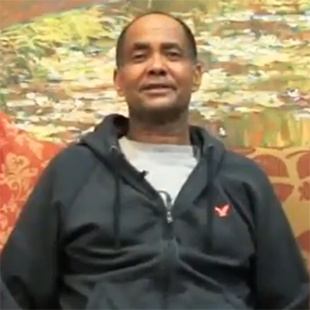
Mr. Hailu Kassa underwent Coronary Artery Bypass Surgery in Vejthani Hospital, Thailand under the supervision of Dr. Piya, Cardio-Thoracic Surgeon

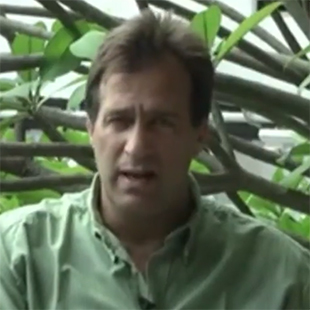
Patient Testimonial: Rod Schaubroeck from United States (U.S.A) underwent heart valve replacement at Fortis Hospital, India
The Balloon Atrial Septostomy package cost in Ajman varies from one hospital to another and may offer different benefits. Some of the best hospitals for Balloon Atrial Septostomy offer a comprehensive package that covers the end-to-end expenses related to investigations and treatment of the patient. The treatment cost usually includes the expenses related to hospitalization, surgery, nursing, medicines, and anesthesia. A prolonged hospital stay due to delayed recovery, new diagnosis and complications after surgery may increase the cost of Balloon Atrial Septostomy in Ajman.
There are several best hospitals for Balloon Atrial Septostomy in Ajman. Some of the best hospitals for Balloon Atrial Septostomy in Ajmaninclude the following:
The recovery of the patient many vary, depending on several factors. However, on an average, patient is supposed to stay for about 18 days in the country after discharge. This is important to ensure that the surgery was successful. During this time, control and follow-up tests take place to check for medical fitness.
Ajman is considered to be one of the best places for Balloon Atrial Septostomy in the world. This is because of the availability of some of the best doctors, advanced medical technology and good hospital infrastructure. However, there are other cities as mentioned below that are popular for Balloon Atrial Septostomy as well:
There are certain additional cost that the patient has to pay apart from the Balloon Atrial Septostomy cost. These are the chanrges for daily meals and hotel stay outside the hospital. The extra charges may vary from 60 USD.
After the Balloon Atrial Septostomy surgery takes place, the average duration of stay at the hospital is about 2 Days. The patient is subjected to several biochemistry and radiological scans to see that everything is okay and the recovery is on track. After making sure that patient is clinically stable, discharge is planned.
The average rating for Balloon Atrial Septostomy hospitals in Ajman is 4.1. This rating is automatically calculated on the basis of several parameters such as the infrastructure of the hospital, quality of services, nursing support, and other services.
There are more than 1 Hospitals that offer Balloon Atrial Septostomy in Ajman. These hospitals have proper infrastructure for the treatment of patients who require Balloon Atrial Septostomy. These hospitals comply with all the rules and regulations as dictated by the regulatory bodies and medical association in Ajman
Some of the most sought after doctors for Balloon Atrial Septostomy in Ajman are:
Have your reports reviewed by independent oncology experts to help you make a confident treatment decision, all online within 48 hours.
Upload Your Reports