Affordable World-class Treatment - Accredited Hospitals - Free Treatment Plan in 24 Hrs
Share your details to receive a personalised treatment plan, estimated costs, hospital recommendations, and expert guidance, “completely free.”
Your information is protected with HIPAA-compliant security standards. We only share your details with hospitals after your consent.
The average cost of Angioplasty in Tunis approximately starts from USD 5000 - USD 10000
| City | Minimum Cost (USD) | Minimum Cost (TND) | Maximum Cost (USD) | Maximum Cost (TND) |
|---|---|---|---|---|
| Ez Zahra | USD 4500 | 13410 | USD 9000 | 26820 |
| Monastir | USD 4500 | 13410 | USD 9000 | 26820 |
| Tunis | USD 5000 | 14900 | USD 10000 | 29800 |
| City | Cost (USD) | |
|---|---|---|
| Ez Zahra | $4,500 – $9,000 | Explore More |
| Monastir | $4,500 – $9,000 | Explore More |
| Tunis | $5,000 – $10,000 | Explore More |


Our dedicated Medical Patient Advisors are here to answer your questions, help you compare treatment options, estimate costs, and guide you through every step of your healthcare journey.
A minimally invasive medical technique called an “angioplasty” is done to open up clogged or restricted arteries.
Peripheral angioplasty is often used to enhance blood flow to the legs, and carotid angioplasty, and coronary angioplasty, are conducted to improve blood flow to the brain. A catheter is placed into the constricted artery during the surgery, and at the tip of the catheter is a deflated balloon. Once in place, the balloon is inflated to expand the artery and start blood flow again by pressing the plaque up against the walls of the artery. To help keep the artery open, a stent—a tiny mesh tube—may occasionally be inserted. Conditions like carotid artery stenosis, peripheral artery disease, and coronary artery disease are frequently treated using angioplasty.
Conditions like carotid artery stenosis, peripheral artery disease, and coronary artery disease are frequently treated using angioplasty. Vascular surgeons or interventional cardiologists usually carry it out in a specialized catheterization laboratory (cath lab). Compared to open surgery, angioplasty is less invasive and linked to quicker recovery periods and fewer problems.
The objectives of angioplasty are to reduce cardiac injury after a heart attack, alleviate symptoms such as angina (chest pain), reopen normal blood flow through narrowed or blocked arteries, and prevent subsequent cardiovascular events such as heart attacks or strokes.
If you experience chest pain, shortness of breath, fatigue, dizziness, or symptoms of a heart attack such as severe chest pressure, arm or jaw pain spreading to the chest, sweating, or nausea, you need to see a doctor. Early medical evaluation can enhance outcomes and dramatically reduce the risk of complications.
Patients are often required to fast, stop taking some medications temporarily, and make arrangements to go home after the procedure. ECG, echocardiogram, stress tests, blood work, and coronary angiography are all potentially involved in the preparation.
The typical length of an angioplasty procedure takes anywhere from half an hour to two hours. Then, you'll recuperate at the hospital. You can ask your healthcare professional for a better idea of what to expect regarding the hospital stay overall.
By restoring circulation, avoiding heart attacks, and minimizing the necessity for open heart surgery, angioplasty can quickly relieve the symptoms of blocked arteries. It can significantly improve physical function and quality of life.
Most patients recover within a week and can resume their usual activities. Follow-up imaging, cardiac rehabilitation, medication, and lifestyle changes are necessary for long-term success and prevention of recurrence.
Angioplasty success rates vary depending on several factors, such as the type of angioplasty, the blocked artery, the degree of the blockage, age, and general health.
Over 90 percent of the patients have their blocked blood vessels near the heart opened successfully with angioplasty. The blood artery is often re-blocked at the point where the balloon was inflated in approximately 30 to 40 percent of the patients.
95–99%
Success rate for restoring blood flow in blocked coronary arteries1–2 days
Typical hospital stay1–2 weeks
Return to normal daily activities depending on recovery and overall heart healthOur experienced Medical Patient Advisors have supported 100,000+ patients across 120+ countries with personalised treatment plans, hospital recommendations, cost estimates, and travel assistance, all free.
✓ Free Consultation ✓ No Obligation ✓ Personalized Treatment Plan ✓ Response Within 24 Hours
Your medical info is kept HIPAA-style confidential. We never share with hospitals without your consent.

Opinion & Option
We submit the most accurate opinion and options from one or more countries for your review
Consult Privately
Consult with a certified specialist privately on our telemedicine platform even before you decide to travel
Logistics
We handle flights, visas, transfers, and accommodation—so you can focus on your health.
Recovery
Our In-house rehabilitation service packages to better your recovery and treatment outcome

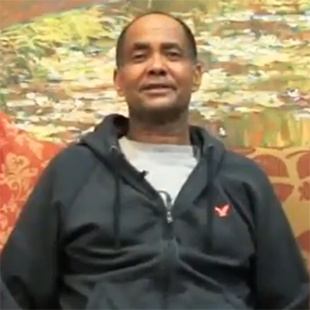
Mr. Hailu Kassa underwent Coronary Artery Bypass Surgery in Vejthani Hospital, Thailand under the supervision of Dr. Piya, Cardio-Thoracic Surgeon

Patient Testimonial: Rod Schaubroeck from United States (U.S.A) underwent heart valve replacement at Fortis Hospital, India
Angioplasty cost in Tunis starts from about $8000. Angioplasty in Tunis is conducted across several TEMOS certified hospitals.
Different hospitals have different pricing policy when it comes to the cost of Angioplasty in Tunis. The Angioplasty package cost usually includes all the expenses related to pre and post surgery expenses of the patient. The Angioplasty package in Tunis includes the fees of the surgeon, hospitalization and anesthesia as well. Extended hospital stay, complications after the surgery or new diagnosis may affect the overall cost of Angioplasty in Tunis.
There are several best hospitals for Angioplasty in Tunis. For quick reference, the following are some of the leading hospitals for Angioplasty in Tunis:
After discharge from the hospital, the patient has to stay for another 16 days in the country for complete recovery. This duration of stay is recommended to complete all the necessary follow-ups and control tests to ensure that the surgery was successful.
There are certain additional cost that the patient has to pay apart from the Angioplasty cost. These include the cost of accommodation and meals outside hospital. The per day cost in this case may range from 35 USD.
The patient has to spend about 2 Days in the hospital after Angioplasty for proper recovery and to get clearance for discharge. This time frame is important for the patient to recover properly and feel comfortable after the surgery. With the help of several tests, it is determined that the patient is doing fine after the surgery and is okay to be discharged.
Out of all the hospitals in Tunis, there are about 2 Hospitals best hospitals for Angioplasty in Tunis. These hospitals have the required infrastructure and a decided Angioplasty unit where renal failure patients can be treated. Additionally, these hospitals are known to comply with the international standards as well as local legal requirements for the treatment of patients.
Have your reports reviewed by independent oncology experts to help you make a confident treatment decision, all online within 48 hours.
Upload Your Reports