Affordable World-class Treatment - Accredited Hospitals - Free Treatment Plan in 24 Hrs

Share your details to receive a personalised treatment plan, estimated costs, hospital recommendations, and expert guidance, “completely free.”
Your information is protected with HIPAA-compliant security standards. We only share your details with hospitals after your consent.
The average cost of Angiography (Including Non-Ionic Contrast) in Ajman approximately ranges between USD 1200 - USD 3500
| City | Minimum Cost (USD) | Minimum Cost (AED) | Maximum Cost (USD) | Maximum Cost (AED) |
|---|---|---|---|---|
| Abu Dhabi | USD 1200 | 4404 | USD 3500 | 12845 |
| Ajman | USD 1080 | 3964 | USD 3150 | 11560 |
| Dubai | USD 1200 | 4404 | USD 3500 | 12845 |
| Sharjah | USD 1200 | 4404 | USD 3500 | 12845 |
| City | Cost (USD) | |
|---|---|---|
| Abu Dhabi | $1,200 – $3,500 | Explore More |
| Ajman | $1,080 – $3,150 | Explore More |
| Dubai | $1,200 – $3,500 | Explore More |
| Sharjah | $1,200 – $3,500 | Explore More |

Dr. Shagufta Parveen is a Clinical researcher and medical writer with expertise in clinical pharmacology and pharmacotherapeutics. She holds a B.Pharm and Doctor of Pharmacy (Post-Baccalaureate) degree from Teerthanker Mahaveer University, Moradabad.
During her clinical stint at BLK-Max Super Speciality Hospital and Indraprastha Apollo Hospital, she gained hands-on experience in the Clinical Pharmacology Department. Combining scientific knowledge with strong medical writing skills, Dr. Shagufta develops evidence-based healthcare content, treatment guides, and patient education resources.
Her work focuses on simplifying complex medical concepts while maintaining scientific accuracy, helping readers better understand healthcare advancements and treatment options.
In addition to her writing expertise, she is actively involved in scientific research and has contributed to peer-reviewed publications.
Her research work is accessible through the following links:
https://scholar.google.com/citations?user=lMVK1eIAAAAJ&hl=en
https://carcinogenesis.com/index.php/JOC/article/view/870

Our dedicated Medical Patient Advisors are here to answer your questions, help you compare treatment options, estimate costs, and guide you through every step of your healthcare journey.
Non-ionic angiography is a type of angiography procedure that utilizes non-ionic contrast media. Contrast media are substances injected into the bloodstream to enhance the visibility of blood vessels during imaging procedures such as angiography. Non-ionic contrast media have lower osmolality in comparison to older ionic contrast media, which means they are less likely to cause adverse reactions such as allergic reactions or kidney damage.
Non-ionic contrast media are commonly used in modern medical imaging techniques, including angiography, to provide clearer and safer visualization of blood vessels.
Angiography is often indicated for patients with coronary heart disease (CHD), which can lead to sudden cardiac arrest and severe chest pain. In emergencies, such as during a heart attack, angiography is crucial for diagnosing and treating blockages promptly to prevent further damage to the heart muscle. Delayed treatment can result in the surrounding healthy tissues becoming scarred, leading to long-term complications. Additionally, angiography may be necessary for patients with conditions like aortic stenosis or those who have abnormal results on heart stress tests.
Angiography visualises blood vessels to diagnose conditions such as blockages, aneurysms, blood clots, or malformations in veins or arteries. It is most commonly performed in the heart (coronary angiography), brain, kidneys, and limbs to guide treatment.
Consult immediately with a physician if you have persistent chest pain, recurrent dizziness or fainting, signs of stroke, i.e., sudden weakness or problems with speaking, leg pain during activity, or if you are at high risk for cardiovascular disease because of diabetes, hypertension, or smoking. These findings may require further evaluation of your vascular system with angiography.
Preparation includes fasting for 6\u20138 hours, blood testing to evaluate renal function and clotting, and the cessation of certain medications (e.g., blood thinners or metformin). A contrast dye or iodine allergy needs to be disclosed. Pre and post-procedure hydration is suggested.
Angiograms are performed under local anesthesia. A catheter is inserted through the skin into a blood vessel, commonly in the groin or the wrist, and advanced into the region of interest. The cath system is then injected with a non-ionic contrast dye, and X-rays are obtained to examine blood flow while looking for blockages or other abnormalities. Depending on the case's complexity, the intervention can range from 30 minutes to a few hours.
The procedure typically takes 30 minutes to 1 hour, depending on the area being scanned and any findings that might need to be addressed immediately.
Angiography delivers precise, real-time photographs of blood vessels, allowing diagnosis and even concurrent treatment (e.g., deployment of a stent). It guides additional management and most often precludes more invasive treatment.
Most patients are monitored for a few hours post-procedure, especially regarding bleeding around the catheter site. Restrictions include recommended rest and no heavy lifting for 24 to 48 hours. Drinking lots of water is encouraged to flush the contrast dye from the system. Patients will return to normal activities after a few days without complications.
Angiography is very effective in diagnosing vascular diseases, which helps therapy-oriented decisions like stent placement or surgery. It offers almost 97% visualisation accuracy of targeted vessels.
90%
success RateSame day or 1 day
Typical hospital stay24–48 hours
Typical return to normal daily activitiesAjman, United Arab Emirates
Our experienced Medical Patient Advisors have supported 100,000+ patients across 120+ countries with personalised treatment plans, hospital recommendations, cost estimates, and travel assistance, all free.
✓ Free Consultation ✓ No Obligation ✓ Personalized Treatment Plan ✓ Response Within 24 Hours
Your medical info is kept HIPAA-style confidential. We never share with hospitals without your consent.

Opinion & Option
We submit the most accurate opinion and options from one or more countries for your review
Consult Privately
Consult with a certified specialist privately on our telemedicine platform even before you decide to travel
Logistics
We handle flights, visas, transfers, and accommodation—so you can focus on your health.
Recovery
Our In-house rehabilitation service packages to better your recovery and treatment outcome

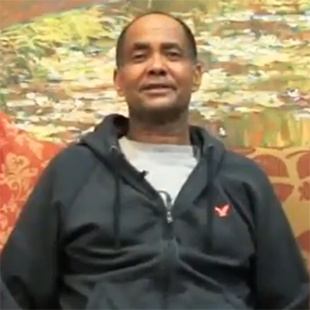
Mr. Hailu Kassa underwent Coronary Artery Bypass Surgery in Vejthani Hospital, Thailand under the supervision of Dr. Piya, Cardio-Thoracic Surgeon

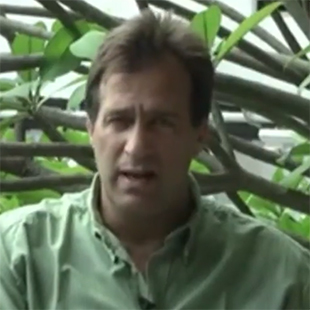
Patient Testimonial: Rod Schaubroeck from United States (U.S.A) underwent heart valve replacement at Fortis Hospital, India
The cost of Angiography (Including Non-Ionic Contrast) in Ajman starts from $3020. Angiography (Including Non-Ionic Contrast) in Ajman is conducted across several JCI, TEMOS certified hospitals.
Angiography (Including Non-Ionic Contrast) package cost in Ajman has different inclusions and exclusions. The top hospitals for Angiography (Including Non-Ionic Contrast) in Ajman covers all the expenses related to the pre-surgery investigations of the candidate. Typically, the package cost of Angiography (Including Non-Ionic Contrast) in Ajman includes the expenses related to the surgeon's fee, anesthesia, hospital, meals, nursing and ICU stay. A prolonged hospital stay due to delayed recovery, new diagnosis and complications after surgery may increase the cost of Angiography (Including Non-Ionic Contrast) in Ajman.
There are many hospitals that perform Angiography (Including Non-Ionic Contrast) in Ajman. Some of the most renowned hospitals for Angiography (Including Non-Ionic Contrast) in Ajman include the following:
While the speed of recovery may vary from patient to patient, they are still required to stay for about 2 days after discharge. This is important to ensure that the surgery was successful. During this time, control and follow-up tests take place to check for medical fitness.
Ajman is undoubtedly one of the best cities for Angiography (Including Non-Ionic Contrast) in the world. It offers the best medical expertise and good patient experience at an affordable cost. there are a select few destinations that provide comparable quality of healthcare for the procedure. Some of such cities are:
Apart from the Angiography (Including Non-Ionic Contrast) cost, the patient may have to pay for additional daily expenses such as for guest house after discharge and meals. These charges may vary from 60 USD per person.
The average duration of stay at the hospital after Angiography (Including Non-Ionic Contrast) is about 1 Days for proper care and monitoring. The patient is subjected to several biochemistry and radiological scans to see that everything is okay and the recovery is on track. After making sure that patient is clinically stable, discharge is planned.
The average rating of hospitals for Angiography (Including Non-Ionic Contrast) in Ajman is 4.1. This rating is calculated based on several parameters such as hygiene, politeness of staff, infrastructure and quality of services
Out of all the hospitals in Ajman, there are about 1 Hospitals best hospitals for Angiography (Including Non-Ionic Contrast) in Ajman. These hospitals have propoer infrastructure as well as offer good quality of services when it comes to Angiography (Including Non-Ionic Contrast) surgery. Such hospitals follow all legal protocols and guidelines as specified by the local medical affairs body when it comes to the treatment of international patients.
Some of the most sought after doctors for Angiography (Including Non-Ionic Contrast) in Ajman are:
Have your reports reviewed by independent oncology experts to help you make a confident treatment decision, all online within 48 hours.
Upload Your Reports