Our Platform Features
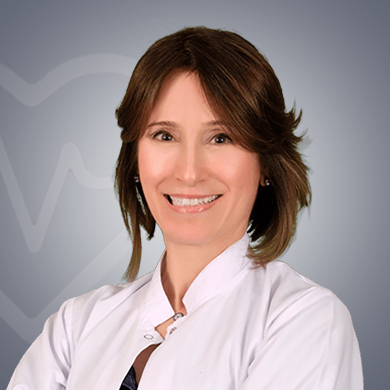
Dr. Ece Cetin
Acibadem International Hospital, Turkey, Istanbul
Hematologist • 24 years experience
Turkish EnglishDr. Ece Cetin is a specialized Hematologist in Turkey. And one of the most sought after medical specialists in Istanbul, Turkey. The doctor has over 24 Years of experience and is associated with Acibadem International Hospital.
Association and Memberships Dr. Ece Cetin is part of:
- Pediatrics Association
Qualifications :
- 1996 Istanbul Universitesi Cerrahpasa Tip Fakultesi Cocuk Sagligi ve Hastaliklari
- 1986 Istanbul Universitesi Cerrahpasa Tip Fakultesi
Hospital Address :
Yeilk

Dr. Nese Karaaslan Biyikli
Anadolu Medical Center, Turkey, Kocaeli
Nephrologist • 28 years experience
Turkish EnglishDr. Nese Karaaslan Biyikli is a specialized Nephrologist in Turkey. And one of the most sought after medical specialists in Istanbul, Turkey. The doctor has over 11 Years of experience and is associated with Avcilar Anadolu Hospital.
Association and Memberships Dr. Nese Karaaslan Biyikli is part of:
- Istanbul Medical Clinic Graduates Society
- Turkish Nephrology Society, Istanbul Branch
- Pediatric Nephrology Society
- International Pediatric Nephrology Association (IPNA)
Qualifications :
- University Istanbul University Istanbul Medical School, Istanbul 1995
- Istanbul University Istanbul Medical School, Pediatric Health and Diseases Department, Istanbul, 1999
- Marmara University Pediatric Nephrology Department, Istanbul 2003
Hospital Address :
Mustafa Kemal Paa,
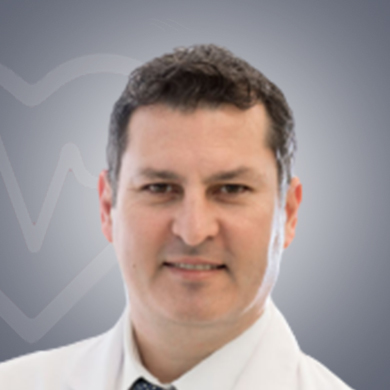
Dr. Halil Erbis
Medical Park Antalya Hospital, Turkey, Antalya
Nephrologist • 26 years experience
Turkish EnglishDr. Halil Erbis is a specialized Kidney Transplant Surgeon in Turkey. And one of the most sought after medical specialists in Antalya, Turkey. The doctor has over 13 Years of experience and is associated with Medical Park Antalya Hospital.
Association and Memberships Dr. Halil Erbis is part of:
- Turkey Organ Transplant Organizations Coordination Association, Member, 2011
- National Surgical Association, Member, 2005
Qualifications :
- 2001 - 2007 - Pamukkale University Faculty of Medicine / Department of Surgical Medical Sciences / Department of General Surgery
- 1991 - 1998 - Dokuz Eylul University Faculty of Medicine / Medicine Pr. - Expertise
Hospital Address :
Fener, Medical Park Antalya Hastanesi, Tekeliolu Caddesi, Muratpaa/Antalya, Turkey
What is the medical expertise of Dr Halil Erbis?
- With over 13 years of extensive experience, Dr Halil Erbis specializes in kidney transplantation( living and deceased), liver transplantation, chronic kidney diseases, and kidney cancer. He was a Clinical Fellow at the Sisli Florence Nightingale Hospital.
- Professionally, he is a part of several societies such as the National Surgery Association and the Turkish Organ Transplantation Organizations Coordination Committee. His research interests include nephrectomy, liver transplantation, and pediatric liver transplantation. Some of his publications include:
- Yuksel Y, Tekin I, Erbis H, Yuksel D, Sarier M, Yanıkoglu A, Yavuz HA, Demirbas A. A Single-Center Experience With Kidney Transplantation in Patients Who Had Low Left Ventricular Ejection Fraction. Exp Clin Transplant. 2023 Jan 16.
- Ozturk SA, Yuksel Y, Erbis H, Aliosmanoglu I, Sarier M, Yayar O, Yavuz HA, Demirbas A. Laparoscopic Live Donor Nephrectomy: Experience of High-Volume Center with 2,477 Cases. Urol Int. 2021;105(1-2):100-107.
- Ozkul F, Kasim Arik M, ErbiÅ H, AkbaÅ A, Yilmaz VT, Barutcu A, Ali OsmanoÄlu I, Kocak H. Left ventricle ejection fraction may predict mortality in renal transplant patients. Ren Fail. 2016 Nov;38(10):1622-1625.
Do you know?
Using MediGence’s Telemedicine Platform, you can book a personalized video consultation with renowned doctors around the world

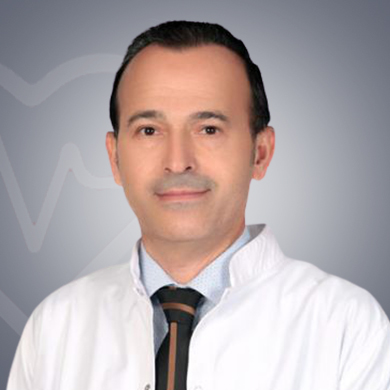
Dr. Mehmet Akin
Medical Park Goztepe Hospital, Turkey, Istanbul
Hematologist • 46 years experience
Turkish EnglishDr. Mehmet Akin is a specialized Hematologist in Turkey. And one of the most sought after medical specialists in Istanbul, Turkey. The doctor has over 33 of experience and is associated with Medical Park Goztepe Hospital.
Qualifications :
- 1985 - 1991 Istanbul University Cerrahpasa Faculty of Medicine
Hospital Address :
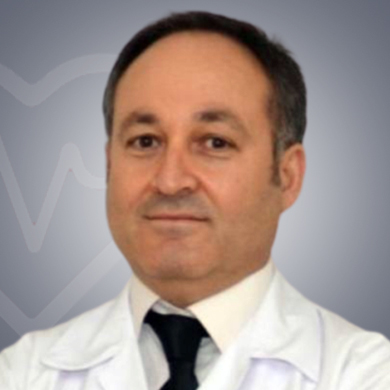
Dr. Mesut Sahin
Medical Park Ordu Hospital, Turkey, Ordu
Nephrologist • 16 years experience
Turkish EnglishDr. Mesut Sahin is a specialized Nephrologist in Turkey. And one of the most sought after medical specialists in Ordu, Turkey. The doctor has over 16 Years of experience and is associated with Medical Park Ordu Hospital.
Qualifications :
- Erciyes University Type Faculty Ankara Numune Hospital Internal Medicine USA
Hospital Address :
Akyaz, Medical Park Ordu Hastanesi, ehit Ali Gaffar Okkan Caddesi, Altnordu/Ordu, Turkey
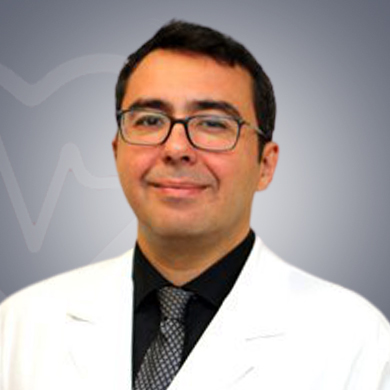
Dr. Huseyin Yuce Bircan
Baskent University Istanbul Hospital, Turkey, Istanbul
Laparoscopic Surgeon • 26 years experience
Dr. Huseyin Yuce Bircan is a specialized General Laparoscopic Surgeon in Turkey. And one of the most sought after medical specialists in Istanbul, Turkey. The doctor has over 20 Years of experience and is associated with Baskent University Istanbul Hospital.
Association and Memberships Dr. Huseyin Yuce Bircan is part of:
- Istanbul Medical Association
- Ankara Surgical Association
- Turkish Surgical Association
- Turkish Society of Endocrine Surgery
- Ankara Cinema Culture Society
Qualifications :
- 2000 - 2004- General Surgery / Ankara Oncology Teaching and Research Hospital
Hospital Address :
Altunizade, BAKENT
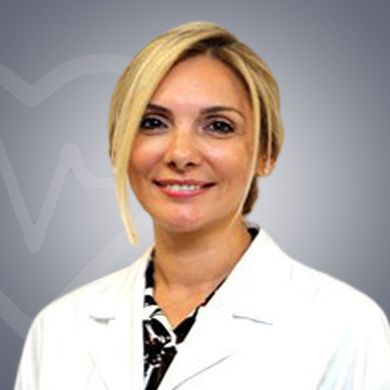
Dr. Feza Yarbug Karakayali
Baskent University Istanbul Hospital, Turkey, Istanbul
Laparoscopic Surgeon • 25 years experience
Dr. Feza Yarbug Karakayali is a specialized General Laparoscopic Surgeon in Turkey. And one of the most sought after medical specialists in Istanbul, Turkey. The doctor has over 25 Years of experience and is associated with Baskent University Istanbul Hospital.
Association and Memberships Dr. Feza Yarbug Karakayali is part of:
- Turkish Surgical Association
- Turkish Society of Colon and Rectal Surgery
- Turkish Transplantation Society
- Turkish Association of Vascular Surgery
- International College of Surgeons
- Middle East Society of Organ Transplantation
- International Pediatric Transplantation Association
- The Transplantation Society
- European Society of Coloproctology
Certifications :
- Fellowship American College of Surgeons
Qualifications :
- Medical Doctor, School of Medicine, Cukurova University, 1996
Hospital Address :
Altunizade, BAKENT
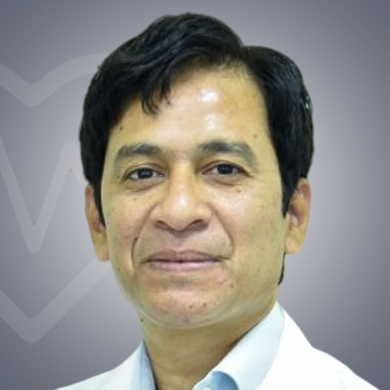
Dr. Giriraj Bora
Artemis Health Institute, India, Gurgaon
Hepatologist • 22 years experience
Hindi EnglishDr Giriraj Bora is one of the leading Liver Transplant Surgeon in Gurugram, India. The medical practitioner holds over 20 years of experience and is associated with Artemis Health Institute .
Association and Memberships Dr. Giriraj Bora is part of:
- Delhi Medical Council
Certifications :
- Fellowship in Liver Transplant - Indraprastha Apollo Hospital, Delhi
Qualifications :
- MBBS
- MS
- MCh
Hospital Address :
Artemis Hospitals, Sector 51, Gurugram, Haryana, India
Medical Expertise of Dr. Giriraj Bora
- Medical expertise in liver transplantation and liver resections for hepatocellular malignancies, and combined liver-kidney transplantation.
- Other expertise of Dr. Giriraj Bora is in pancreatic surgery (Whipple's pancreaticoduodenal resections and chronic pancreatitis surgery).
- Three-year MCh superspecialty programme in G I Surgery at the G B Pant Hospital in Delhi.
- In 2011, he became a Fellow in Liver Transplant / HPB Surgery at CLBS, where he received comprehensive training in all aspects of liver transplantation and HPB surgery.
- He is not just a dedicated surgeon but a key player in donor evaluation prior to liver transplantation.
- His study has focused on the hemodynamic alterations that occur following liver transplantation and changes that occur after IVC crossclamping in LDLT.
- Dr. Bora has several publications in G I Surgery, Liver Transplantation and has given numerous talks at national and international conferences.
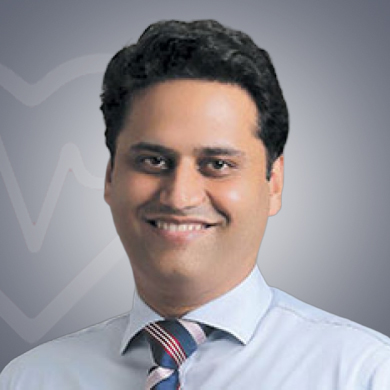
Dr. Rehan Saif
Aster Medcity, India, Kochi
Hepatologist • 15 years experience
English Urdu Hindi Kannada TeluguDr Rehan Saif is one of the top Liver Transplant Surgeon in Abu Dhabi, United Arab Emirates. The doctor holds over 12 years of experience and is associated with Aster Medicity.
Association and Memberships Dr. Rehan Saif is part of:
- Royal College of surgeons of Edinburgh, UK
Certifications :
- Higher Specialist Surgical Training - HPB & Transplantation (Northern Deanery, UK)
- Fellowship, Kaohsiung Chang Gung Memorial Hospital, Taiwan
- Fellowship, UIC Medical Center, Chicago ,USA
- Fellowship, Royal College of Surgeons of Edinburgh
- FRCS, UK
- Diploma, European Diploma in Transplantation
Qualifications :
- MBBS
- MS
- FRCS,
Hospital Address :
Aster Medcity Hospital, South Chittoor, Kochi, Kerala, India
Medical Expertise of Dr. Rehan Saif
- Medical expertise in management of hepatocellular carcinoma, complex gallbladder and biliary cancers, benign and malignant pancreatic disease and robotic HPB surgery.
- Dr. Rehan Saif is a well-known surgeon who specialises in HPB and abdominal multi-organ transplant surgery.
- Dr. Saif graduated from JJM Medical College in Davangere with a bachelor's degree in medicine and a master's degree in general surgery.
- He spent 12 years in the United Kingdom receiving additional specialism in advanced surgical training.
- Dr. Saif completed his fellowship in the field of liver transplantation at Kaohsiung Chang Gung Memorial Hospital in Taiwan.
- International Fellowship in Robotic HPB Surgery at UIC Medical Center in Chicago and is trained in the field of Robotic Minimally Invasive HPB Surgery in the United Kingdom.
- Extensive training in all aspects of hepato-pancreato-biliary disease and abdominal multi-organ transplantation (Liver, Pancreas (whole organ and Islets and Kidney).
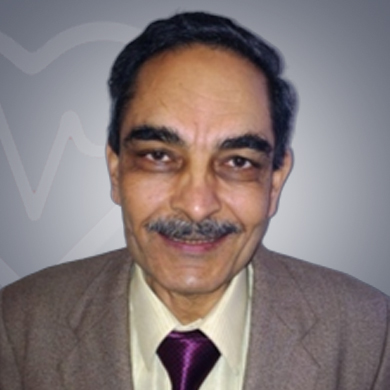
Dr. Harinder Jit Singh Gill
Fortis Hospital, India, Mohali
Nephrologist • 47 years experience
English HindiDr. Harinder Jit Singh Gill is one of the most sought after Nephrologist in Mohali, India. The clinician holds over 32 years of experience and is associated with Fortis Hospital.
Association and Memberships Dr. Harinder Jit Singh Gill is part of:
- Indian Society of Nephrology
- Indian Society of Hemodialysis
- Indian Society of Peritoneal Dialysis
- Indian Society of Transplantation
- Indian Society of Physicians
Qualifications :
- MD
- MBBS
Hospital Address :
Fortis Hospital Mohali, Sector 62, Sahibzada Ajit Singh Nagar, Punjab, India
Medical Expertise of Dr. Harinder Jit Singh Gill
- Medical expertise in Kidney Transplantation, Critical Care Nephrology, Acute Renal Failure, and Nephrotic Syndrome.
- Kidney Stones, Chronic Kidney Disease, Hypertension, and Dialysis of all types are his other areas of expertise.
- Dr. Harinder Jit Singh Gill earned his MD (Medicine) and DM (Nephrology) degrees from Delhi University and AIIMS, respectively (Delhi).
- He spent 12 years in the Army as a nephrologist, and he was the chairman of the Nephrology Department at the famed Army Hospital (R&R) in Delhi.
- Before joining Fortis Mohali, he worked as a Senior Consultant Nephrology at Rockland Hospital in Delhi until 2009.
- Dr. Harinder Jit Singh Gill founded the kidney transplant unit at Fortis Hospital, Mohali in 2009 and was instrumental for an ABO-incompatible kidney transplant programme in 2014.
- He is a regular speaker at national nephrology and transplant conferences.
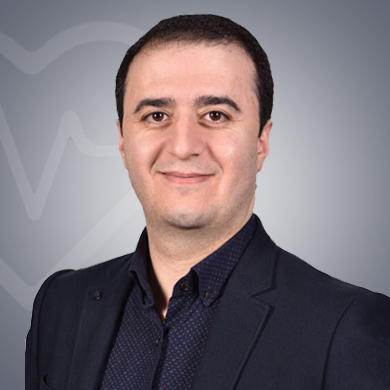
Dr. Gokhan
Memorial Atasehir Hospital, Turkey, Istanbul
Nephrologist • 20 years experience
Turkish EnglishDr Gokhan is one of the most skillful Nephrologist in Istanbul, Turkey. The clinician holds over 20 years of experience and is associated with Memorial Atasehir Hospital.
Association and Memberships Dr. Gokhan is part of:
- Clinical Journal of Translation Turkey Committee Member ERA-EDTA Turkish Nephrology Association
Qualifications :
- Nephrology Clinic Associate Professor Lecturer Chief of Nephrology Nephrology Specialist Training Internal Medicine Residency Training Medical Doctor Education
Hospital Address :
K
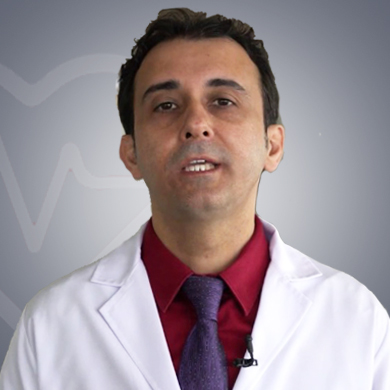
Dr. Omer Onder Savas
Medicana Bursa Hospital, Turkey, Bursa
Hematologist • 20 years experience
Turkish EnglishDr Omer Onder Savas is one of the most sought after Haematologist in Bursa, Turkey. The clinician holds over 14 years of experience and is associated with Medicana Bursa Hospital.
Qualifications :
- Marmara University School of Medicine (1994)
- Ankara Ataturk Education and Research Hospital Internal Medicine Pogram (2010)
- Ankara Numune Education and Research Hospital Hemotology Medicine Program (2014)
Hospital Address :
Odunluk Mahallesi, Medicana BURSA HOSPITAL, Akp?nar Caddesi, Nilfer/Bursa, Turkey
Medical Expertise of Dr. Omer Onder Savas
- Medical expertise of the specialist is Anemias (Acquired/genetic), thalassemias (mediterranean anemia), ITP and other thrombocytopenias, hemolytic anemias, etc.), Multiple myeloma, Myelodysplastic syndrome, Lymphoma, and Hereditary thrombophilia.
- Other areas of expertise are Hemophilia, Pregnancy-related thrombocytopenia, Chronic myeloid leukrolifera, Chronic diseases (polycythemia) vera, essential thrombocytosis, primary myelofibrosis), and pregnancy follow-up with risk for thrombophilia.
- His articles have been published in International Refereed Journals and articles have also been published in National Refereed Journals.
- Papers Presented at International Scientific Meetings and Published in Proceedings and at National Scientific Meetings and Published in Proceedings.
- Professional training: Internal Medicine Specialization Training, TAF compulsory military service, Hematology minor specialization training.
- A long and illustrious professional experience from being a Hematology Specialist at Ãorum Training and Research Hospital, and Hitit University Assist. Faculty Membership.
- He has treated patients across a long 2 decades of experience
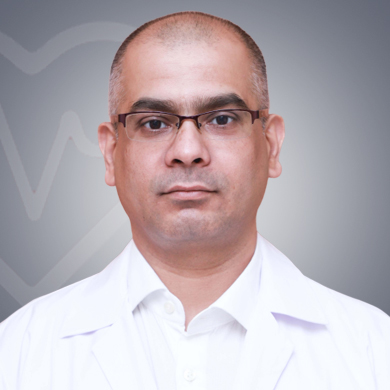
Dr. Harish Pathak
nanavati Super Speciality Hospital, India, Mumbai
Nephrologist • 22 years experience
Hindi EnglishDr Harish Pathak is one of the foremost Nephrologist in Mumbai, India. The clinician holds over 15 years of experience and is associated with Nanavati Super Speciality Hospital.
Association and Memberships Dr. Harish Pathak is part of:
- Maharashtra Medical Council
Qualifications :
- MBBS
- MD
Hospital Address :
Nanavati Super Speciality Hospital, LIC Colony, Suresh Colony, Vile Parle West, Mumbai, Maharashtra, India
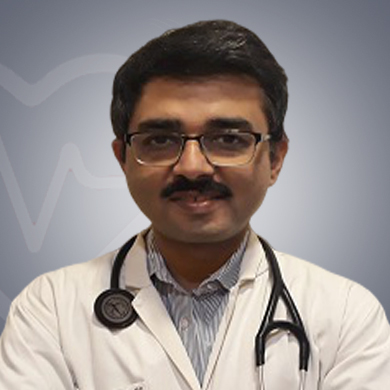
Dr. Gagan Deep Chabbra
Max Super Speciality Hospital, Saket, India, Delhi
Nephrologist • 23 years experience
Hindi EnglishDr Gagan Deep Chabbra is one of the most skillful Nephrologist in New Delhi, India. The clinician holds over 15 years of experience and is associated with Max Super Speciality Hospital, Saket.
Association and Memberships Dr. Gagan Deep Chabbra is part of:
- Indian Society of Nephrology (ISN)
- Indian Society of Organ Transplantation (ISOT)
- Delhi Nephrology Society
Qualifications :
- DNB
- MBBS
Hospital Address :
Max Super Speciality Hospital, Saket Institutional Area, Saket, New Delhi, Delhi, India
Medical Expertise of Dr. Gagan Deep Chabbra
- He specialises in ABO incompatible, highly sensitised, and cadaveric kidney transplantation, as well as interventional nephrology (AV Fistula, AV Shunt, and Perm-Cath Insertion).
- Peritoneal dialysis (continuous, intermittent, and APD), and critical care nephrology (CRRT, SLED, and Immunoadsorption) are also his medical expertise.
- He has completed specialisation in Interventional Nephrology and works with critical nephrology situations.
- Recipient of the President of India's AITSE award in 1993, the Indian Society of Organ Transplant (ISOT) Best Mini-Oral Presentation Award in 2012, and the ISOT's Award of Excellence in 2014.
- He attends workshops and conferences on a regular basis.
- He is a member of the Indian Society of Nephrology, the Indian Society of Organ Transplantation, and the Delhi Nephrology Society, among others.
- He does research on a regular basis and has multiple papers to his name in ISOT, ISN, and the British journal.
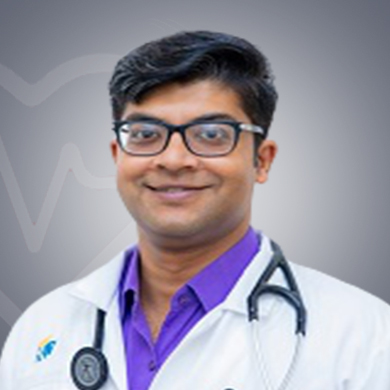
Dr. Saptarshi Bishnu
Max Super Speciality Hospital, Saket, India, Delhi
Hepatologist • 15 years experience
Hindi EnglishDr Saptarshi Bishnu is one of the top Hepatologist in Chennai, India. The medical specialist holds over 10 years of experience and is associated with Max Super Speciality Hospital, Saket.
Association and Memberships Dr. Saptarshi Bishnu is part of:
- Medical Council of India (MCI)
Qualifications :
- MBBS
- MD
Hospital Address :
Max Super Speciality Hospital, Saket Institutional Area, Saket, New Delhi, Delhi, India
Medical Expertise of Dr. Saptarshi Bishnu
- Dr. Saptarshi excels in providing services like Hepatitis D Treatment,Intra-Uterine Insemination (IUI), ERCP, D&C (Dilation and Curettage) and Hepatitis C Treatment, etc.
- Dr. Saptarshi is a well-qualified & renowned hepatologist
- Completed his MBBS & MD from IPGMER (Kolkata), West Bengal University of Health Sciences
- He has worked with many reputed Liver specialists
- Dr. Saptarshi is a registered member of the Medical Council of India
- Dr Saptarshi Bishnu can speak English, Bengali


