Browse verified doctors or let our care team help you find the doctor best suited to your condition, treatment goals, and budget.

Dubai, United Arab Emirates
At NMC Specialty Hospital, Al Nahda, Total Hip Replacement U/L is performed using advanced hip-replacement technology and personalized surgical planning. Established in 2004, this JCI accredited hospital in Dubai, United Arab Emirates has 187 beds and offers specialized orthopedic and rehabilitation services.
Total Hip Replacement U/L may be considered when one hip has extensive joint damage that causes ongoing pain, stiffness, difficulty walking, or limitations in daily activities. During surgery, the damaged femoral head is removed and replaced with a stem and artificial ball, while the worn socket is fitted with a prosthetic acetabular component. Depending on the patient's anatomy and clinical requirements, different implant materials and fixation methods may be selected. Early mobilization and structured rehabilitation support recovery following the procedure.
NMC Specialty Hospital provides specialized Total Hip Replacement U/L with a focus on accurate implant positioning, restoration of hip function, and individualized recovery care. Established in 1975, the JCI, NABH accredited hospital is located in Abu Dhabi, United Arab Emirates and operates 104 beds with modern orthopedic and joint-replacement infrastructure.
Total Hip Replacement can restore the function of a severely damaged hip by replacing the femoral head and acetabular surface with artificial components. The procedure may be suitable for patients with advanced arthritis, hip deformity, traumatic joint damage, or avascular necrosis when pain and disability significantly affect quality of life. Prior to surgery, doctors assess bone quality, joint anatomy, medical history, and activity requirements to select an appropriate implant and surgical plan. After the operation, physical therapy, safe movement training, and follow-up assessments help patients gradually return to everyday activities.
Ajman, United Arab Emirates
Thumbay University Hospital, Ajman provides specialized Total Hip Replacement U/L with a focus on accurate implant positioning, restoration of hip function, and individualized recovery care. Established in 2002, the JCI accredited hospital is located in Ajman, United Arab Emirates and operates 350 beds with modern orthopedic and joint-replacement infrastructure.
Total Hip Replacement can restore the function of a severely damaged hip by replacing the femoral head and acetabular surface with artificial components. The procedure may be suitable for patients with advanced arthritis, hip deformity, traumatic joint damage, or avascular necrosis when pain and disability significantly affect quality of life. Prior to surgery, doctors assess bone quality, joint anatomy, medical history, and activity requirements to select an appropriate implant and surgical plan. After the operation, physical therapy, safe movement training, and follow-up assessments help patients gradually return to everyday activities.
At Meliva Kardiolita Hospital, Kaunas, Total Hip Replacement U/L is performed using advanced hip-replacement technology and personalized surgical planning. Established in 1998, this JCI accredited hospital in Kaunas, Lithuania has 8 beds and offers specialized orthopedic and rehabilitation services.
Total Hip Replacement U/L may be considered when one hip has extensive joint damage that causes ongoing pain, stiffness, difficulty walking, or limitations in daily activities. During surgery, the damaged femoral head is removed and replaced with a stem and artificial ball, while the worn socket is fitted with a prosthetic acetabular component. Depending on the patient's anatomy and clinical requirements, different implant materials and fixation methods may be selected. Early mobilization and structured rehabilitation support recovery following the procedure.
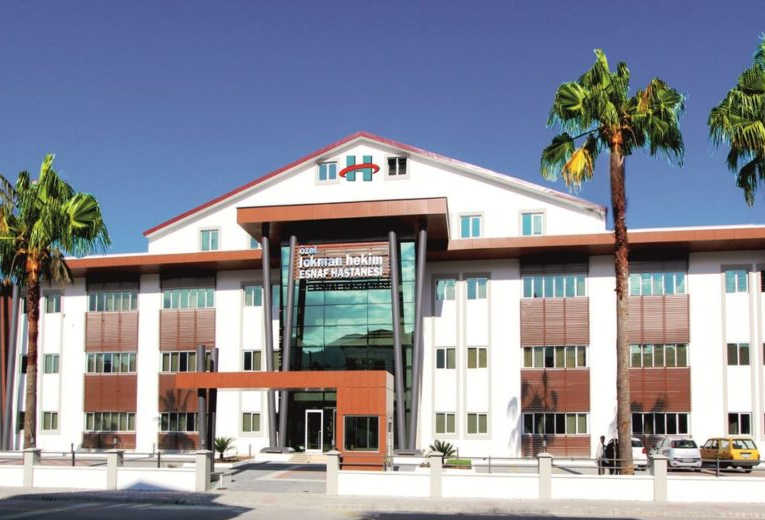
Choosing Lokman Hekim Esnaf Hospital for Total Hip Replacement U/L gives patients access to experienced joint-replacement specialists, modern operating facilities, and comprehensive post-operative rehabilitation. Established in 1997, the JCI accredited hospital in Fethiye, Turkey has 75 beds and provides specialized hip surgery services.
Total Hip Replacement U/L may be advised for patients experiencing advanced degeneration or structural damage in a single hip. The procedure removes the diseased femoral head and replaces the joint surfaces with artificial components to improve stability and movement. Depending on the surgical approach, the operation may use different methods to access the hip while minimizing disruption to surrounding tissues. Patients typically begin movement soon after surgery under medical supervision, followed by exercises designed to strengthen the muscles around the hip and improve walking ability.
Bukit Tinggi Medical Centre is a trusted healthcare provider for Total Hip Replacement U/L, offering specialized hip arthroplasty supported by experienced orthopedic surgeons and advanced joint-replacement facilities. Established in 2016, the MSQH accredited hospital is situated in Kuala Lumpur, Malaysia and has 171 beds.
Total Hip Replacement is used to replace a severely damaged hip joint and improve pain and functional movement. It is commonly performed when conservative measures such as medicines, physiotherapy, weight management, or activity modification no longer provide adequate relief. The operation involves replacing both sides of the hip joint with prosthetic components designed to allow smoother movement. Before surgery, imaging and medical assessment are used to evaluate the joint and plan implant positioning. Rehabilitation is then tailored to the patient's strength, mobility, and recovery progress.
Rajagiri Hospital provides specialized Total Hip Replacement U/L with a focus on accurate implant positioning, restoration of hip function, and individualized recovery care. Established in 2014, the JCI accredited hospital is located in Kochi, India and operates beds with modern orthopedic and joint-replacement infrastructure.
Total Hip Replacement can restore the function of a severely damaged hip by replacing the femoral head and acetabular surface with artificial components. The procedure may be suitable for patients with advanced arthritis, hip deformity, traumatic joint damage, or avascular necrosis when pain and disability significantly affect quality of life. Prior to surgery, doctors assess bone quality, joint anatomy, medical history, and activity requirements to select an appropriate implant and surgical plan. After the operation, physical therapy, safe movement training, and follow-up assessments help patients gradually return to everyday activities.
IRCCS Policlinico San Donato is a trusted healthcare provider for Total Hip Replacement U/L, offering specialized hip arthroplasty supported by experienced orthopedic surgeons and advanced joint-replacement facilities. Established in 1969, the SSN accredited hospital is situated in milan, Italy and has 430 beds.
Total Hip Replacement is used to replace a severely damaged hip joint and improve pain and functional movement. It is commonly performed when conservative measures such as medicines, physiotherapy, weight management, or activity modification no longer provide adequate relief. The operation involves replacing both sides of the hip joint with prosthetic components designed to allow smoother movement. Before surgery, imaging and medical assessment are used to evaluate the joint and plan implant positioning. Rehabilitation is then tailored to the patient's strength, mobility, and recovery progress.
Choosing IRCCS Ospedale Galeazzi- Sant’Ambrogio for Total Hip Replacement U/L gives patients access to experienced joint-replacement specialists, modern operating facilities, and comprehensive post-operative rehabilitation. Established in 1963, the SSN accredited hospital in milan, Italy has 560 beds and provides specialized hip surgery services.
Total Hip Replacement U/L may be advised for patients experiencing advanced degeneration or structural damage in a single hip. The procedure removes the diseased femoral head and replaces the joint surfaces with artificial components to improve stability and movement. Depending on the surgical approach, the operation may use different methods to access the hip while minimizing disruption to surrounding tissues. Patients typically begin movement soon after surgery under medical supervision, followed by exercises designed to strengthen the muscles around the hip and improve walking ability.
Marengo Asia Hospitals, Faridabad provides specialized Total Hip Replacement U/L with a focus on accurate implant positioning, restoration of hip function, and individualized recovery care. Established in 2007, the NABH, NABL accredited hospital is located in Faridabad, India and operates 325 beds with modern orthopedic and joint-replacement infrastructure.
Total Hip Replacement can restore the function of a severely damaged hip by replacing the femoral head and acetabular surface with artificial components. The procedure may be suitable for patients with advanced arthritis, hip deformity, traumatic joint damage, or avascular necrosis when pain and disability significantly affect quality of life. Prior to surgery, doctors assess bone quality, joint anatomy, medical history, and activity requirements to select an appropriate implant and surgical plan. After the operation, physical therapy, safe movement training, and follow-up assessments help patients gradually return to everyday activities.
Baby Memorial Hospital provides specialized Total Hip Replacement U/L with a focus on accurate implant positioning, restoration of hip function, and individualized recovery care. Established in 1987, the NABH accredited hospital is located in Calicut, India and operates 500 beds with modern orthopedic and joint-replacement infrastructure.
Total Hip Replacement can restore the function of a severely damaged hip by replacing the femoral head and acetabular surface with artificial components. The procedure may be suitable for patients with advanced arthritis, hip deformity, traumatic joint damage, or avascular necrosis when pain and disability significantly affect quality of life. Prior to surgery, doctors assess bone quality, joint anatomy, medical history, and activity requirements to select an appropriate implant and surgical plan. After the operation, physical therapy, safe movement training, and follow-up assessments help patients gradually return to everyday activities.
Saudi German Hospital provides specialized Total Hip Replacement U/L with a focus on accurate implant positioning, restoration of hip function, and individualized recovery care. Established in 1988, the JCI accredited hospital is located in Cairo, Egypt and operates 3000 beds with modern orthopedic and joint-replacement infrastructure.
Total Hip Replacement can restore the function of a severely damaged hip by replacing the femoral head and acetabular surface with artificial components. The procedure may be suitable for patients with advanced arthritis, hip deformity, traumatic joint damage, or avascular necrosis when pain and disability significantly affect quality of life. Prior to surgery, doctors assess bone quality, joint anatomy, medical history, and activity requirements to select an appropriate implant and surgical plan. After the operation, physical therapy, safe movement training, and follow-up assessments help patients gradually return to everyday activities.
At Tawakkal Specialist Hospital, Kuala Lumpur, Total Hip Replacement U/L is performed using advanced hip-replacement technology and personalized surgical planning. Established in 1984, this ISO accredited hospital in Kuala Lumpur, Malaysia has 200 beds and offers specialized orthopedic and rehabilitation services.
Total Hip Replacement U/L may be considered when one hip has extensive joint damage that causes ongoing pain, stiffness, difficulty walking, or limitations in daily activities. During surgery, the damaged femoral head is removed and replaced with a stem and artificial ball, while the worn socket is fitted with a prosthetic acetabular component. Depending on the patient's anatomy and clinical requirements, different implant materials and fixation methods may be selected. Early mobilization and structured rehabilitation support recovery following the procedure.
Sukumvit Hospital, Bangkok offers advanced Total Hip Replacement U/L using modern joint-replacement techniques and individualized orthopedic treatment plans. Established in 1977, the JCI accredited hospital is located in Bangkok, Thailand and has 280 beds, providing comprehensive orthopedic care for local and international patients.
Total Hip Replacement is a surgical procedure in which the damaged portions of the hip joint are replaced with artificial components. It may be recommended for patients with severe osteoarthritis, rheumatoid arthritis, avascular necrosis, fractures, or other conditions causing persistent pain and restricted mobility. The damaged femoral head is replaced with a prosthetic component, while the damaged socket is resurfaced with an artificial cup. Physiotherapy after surgery helps restore strength, mobility, and functional independence.
Saudi German Hospital provides specialized Total Hip Replacement U/L with a focus on accurate implant positioning, restoration of hip function, and individualized recovery care. Established in 2021, the JCI accredited hospital is located in Alexandria, Egypt and operates 3000 beds with modern orthopedic and joint-replacement infrastructure.
Total Hip Replacement can restore the function of a severely damaged hip by replacing the femoral head and acetabular surface with artificial components. The procedure may be suitable for patients with advanced arthritis, hip deformity, traumatic joint damage, or avascular necrosis when pain and disability significantly affect quality of life. Prior to surgery, doctors assess bone quality, joint anatomy, medical history, and activity requirements to select an appropriate implant and surgical plan. After the operation, physical therapy, safe movement training, and follow-up assessments help patients gradually return to everyday activities.
| Speciality | Orthopedics |
| Procedure | Total Hip Replacement U/L |
| Success Rate | 90-98% |
| Recovery Time | 3-6 months |
| Treatment Time | 1-2 hours |
| Chances of Recurrence | Low |
One hip joint is replaced surgically with an artificial implant during a unilateral hip replacement. The damaged hip joint is taken out during the procedure and replaced with prosthetic parts, such as a metal ball and a socket made of metal, ceramic, or plastic. These parts mimic the hip joint's natural structure and function, enhancing joint movement and minimizing pain.
Total Hip Replacement Unilateral is frequently used to treat a range of medical conditions that affect just one hip joint, including severe osteoarthritis, rheumatoid arthritis, avascular necrosis, hip fractures, and deformities. These conditions may result in discomfort, stiffness, trouble walking, and a lower quality of life.
Following the procedure, the patient will be hospitalized for a few days to manage pain, monitor vital signs, and begin physical therapy. Physical therapy is essential for strengthening the hip joint, increasing the range of motion, and restoring normal walking patterns. The patient will gradually progress to weight-bearing activities and walking with the assistance of crutches or walkers. Full recovery can take several weeks to months, and regular check-ins with the surgeon are required to monitor progress and ensure optimal healing. Rehabilitation exercises, pain management, and following post-operative instructions are critical for a full recovery.

A hip replacement procedure replaces the injured hip joint's bone and cartilage with artificial parts, reducing pain and restoring movement. These artificial components replace the old joint's functions, improving the patient's quality of life.