Browse verified doctors or let our care team help you find the doctor best suited to your condition, treatment goals, and budget.
Medanta - The Medicity offers advanced Brain Cancer Treatment using modern neurosurgical, radiation, and oncology techniques. Established in 2009, the JCI, NABH accredited hospital is located in Gurgaon, India and has 1250 beds, providing comprehensive cancer care for local and international patients.
Brain Cancer Treatment is planned according to the type, location, size, grade, and extent of the brain tumor, as well as the patient's overall health. Treatment may include surgery to remove as much of the tumor as safely possible, radiation therapy, chemotherapy, targeted therapy, or a combination of approaches. Doctors generally use MRI or other imaging studies, along with a biopsy or surgical tissue analysis when appropriate, to establish the diagnosis and guide treatment planning.
Sharjah, United Arab Emirates
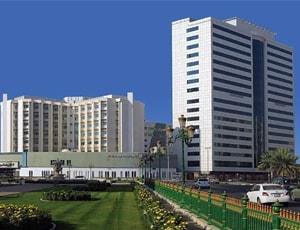
At NMC Royal Hospital Sharjah, Brain Cancer Treatment is provided using advanced diagnostic and treatment technologies with personalized care plans. Established in 1981, this JCI accredited hospital in Sharjah, United Arab Emirates has 137 beds and offers comprehensive neurosurgical and oncology services.
Brain Cancer Treatment may be recommended for patients with primary brain tumors or certain tumors that have spread to the brain from another part of the body. Depending on the tumor type and clinical situation, treatment can involve surgery, radiation therapy, chemotherapy, targeted medicines, or other systemic treatments. A multidisciplinary team may evaluate MRI findings, tumor pathology, molecular characteristics, neurological symptoms, and overall health before selecting the most appropriate treatment strategy.
Phyathai 2 International Hospital offers advanced Brain Cancer Treatment using modern neurosurgical, radiation, and oncology techniques. Established in 1987, the JCI accredited hospital is located in Bangkok, Thailand and has 550 beds, providing comprehensive cancer care for local and international patients.
Brain Cancer Treatment is planned according to the type, location, size, grade, and extent of the brain tumor, as well as the patient's overall health. Treatment may include surgery to remove as much of the tumor as safely possible, radiation therapy, chemotherapy, targeted therapy, or a combination of approaches. Doctors generally use MRI or other imaging studies, along with a biopsy or surgical tissue analysis when appropriate, to establish the diagnosis and guide treatment planning.
ParkCity Medical Centre offers advanced Brain Cancer Treatment using modern neurosurgical, radiation, and oncology techniques. Established in 2012, the JCI accredited hospital is located in Kuala Lumpur, Malaysia and has 300 beds, providing comprehensive cancer care for local and international patients.
Brain Cancer Treatment is planned according to the type, location, size, grade, and extent of the brain tumor, as well as the patient's overall health. Treatment may include surgery to remove as much of the tumor as safely possible, radiation therapy, chemotherapy, targeted therapy, or a combination of approaches. Doctors generally use MRI or other imaging studies, along with a biopsy or surgical tissue analysis when appropriate, to establish the diagnosis and guide treatment planning.
Florence Nightingale Hospital is a trusted healthcare provider for Brain Cancer Treatment, offering modern brain tumor treatment supported by experienced neurosurgeons, radiation oncologists, and medical oncologists. Established in 1989, the JCI accredited hospital is situated in Istanbul, Turkey and has 804 beds.
Brain Cancer Treatment can help control or remove brain tumors depending on their type, location, and extent. When surgery is appropriate, the neurosurgeon may remove all or part of the tumor while attempting to preserve important brain functions. Radiation therapy, chemotherapy, targeted therapy, or other treatments may be used before or after surgery or when surgery is not suitable. Detailed brain imaging and tissue diagnosis, when required, help specialists develop an individualized treatment plan.
Parkway East Hospital offers advanced Brain Cancer Treatment using modern neurosurgical, radiation, and oncology techniques. Established in 1942, the JCI accredited hospital is located in Singapore, Singapore and has 143 beds, providing comprehensive cancer care for local and international patients.
Brain Cancer Treatment is planned according to the type, location, size, grade, and extent of the brain tumor, as well as the patient's overall health. Treatment may include surgery to remove as much of the tumor as safely possible, radiation therapy, chemotherapy, targeted therapy, or a combination of approaches. Doctors generally use MRI or other imaging studies, along with a biopsy or surgical tissue analysis when appropriate, to establish the diagnosis and guide treatment planning.
Gleneagles Hospital Mumbai offers advanced Brain Cancer Treatment using modern neurosurgical, radiation, and oncology techniques. Established in 1996, the JCI accredited hospital is located in Mumbai, India and has 450 beds, providing comprehensive cancer care for local and international patients.
Brain Cancer Treatment is planned according to the type, location, size, grade, and extent of the brain tumor, as well as the patient's overall health. Treatment may include surgery to remove as much of the tumor as safely possible, radiation therapy, chemotherapy, targeted therapy, or a combination of approaches. Doctors generally use MRI or other imaging studies, along with a biopsy or surgical tissue analysis when appropriate, to establish the diagnosis and guide treatment planning.
Subang Jaya Medical Centre provides specialized Brain Cancer Treatment with a focus on accurate diagnosis, precise treatment, patient safety, and comprehensive recovery support. Established in 1985, the JCI accredited hospital is located in Kuala Lumpur, Malaysia and operates 442 beds with modern neuro-oncology infrastructure.
Brain Cancer Treatment is tailored to the individual patient's tumor type, location, grade, molecular characteristics, and overall health. Depending on the diagnosis, treatment may involve surgery, stereotactic or conventional radiation therapy, chemotherapy, targeted therapy, immunotherapy in selected situations, or a combination of treatments. Specialists generally use advanced imaging and pathological evaluation to confirm and characterize the tumor before treatment. Ongoing follow-up with imaging and clinical assessments helps monitor treatment response and disease progression.
Saudi German Hospital provides specialized Brain Cancer Treatment with a focus on accurate diagnosis, precise treatment, patient safety, and comprehensive recovery support. Established in 2012, the JCI accredited hospital is located in Dubai, United Arab Emirates and operates 300 beds with modern neuro-oncology infrastructure.
Brain Cancer Treatment is tailored to the individual patient's tumor type, location, grade, molecular characteristics, and overall health. Depending on the diagnosis, treatment may involve surgery, stereotactic or conventional radiation therapy, chemotherapy, targeted therapy, immunotherapy in selected situations, or a combination of treatments. Specialists generally use advanced imaging and pathological evaluation to confirm and characterize the tumor before treatment. Ongoing follow-up with imaging and clinical assessments helps monitor treatment response and disease progression.
Choosing Antalya Anadolu Hastanesi for Brain Cancer Treatment gives patients access to experienced specialists, advanced neurosurgical technology, and comprehensive cancer care. Established in 2006, the accredited hospital in Antalya, Turkey has 114 beds and provides specialized neurological and oncology services.
Patients with brain cancer may require different treatment approaches depending on the tumor's location, grade, size, molecular features, and whether it has spread. Treatment options may include surgical tumor removal, radiation therapy, chemotherapy, targeted therapy, or combinations of these treatments. Before treatment, doctors may perform neurological assessments, MRI scans, and tissue testing to understand the tumor and plan the safest and most effective treatment approach. Rehabilitation may also be recommended when neurological functions are affected.
Ghaziabad, India
Max Super Specialty Hospital, Vaishali offers advanced Brain Cancer Treatment using modern neurosurgical, radiation, and oncology techniques. Established in 2008, the NABL, NABH accredited hospital is located in Ghaziabad, India and has 370 beds, providing comprehensive cancer care for local and international patients.
Brain Cancer Treatment is planned according to the type, location, size, grade, and extent of the brain tumor, as well as the patient's overall health. Treatment may include surgery to remove as much of the tumor as safely possible, radiation therapy, chemotherapy, targeted therapy, or a combination of approaches. Doctors generally use MRI or other imaging studies, along with a biopsy or surgical tissue analysis when appropriate, to establish the diagnosis and guide treatment planning.
Max Hospital, Gurgaon provides specialized Brain Cancer Treatment with a focus on accurate diagnosis, precise treatment, patient safety, and comprehensive recovery support. Established in 2007, the ISO, NABH, NABL accredited hospital is located in Gurgaon, India and operates 104 beds with modern neuro-oncology infrastructure.
Brain Cancer Treatment is tailored to the individual patient's tumor type, location, grade, molecular characteristics, and overall health. Depending on the diagnosis, treatment may involve surgery, stereotactic or conventional radiation therapy, chemotherapy, targeted therapy, immunotherapy in selected situations, or a combination of treatments. Specialists generally use advanced imaging and pathological evaluation to confirm and characterize the tumor before treatment. Ongoing follow-up with imaging and clinical assessments helps monitor treatment response and disease progression.
Dubai, United Arab Emirates
At Zulekha Hospital Dubai, Brain Cancer Treatment is provided using advanced diagnostic and treatment technologies with personalized care plans. Established in 2004, this JCI accredited hospital in Dubai, United Arab Emirates has 179 beds and offers comprehensive neurosurgical and oncology services.
Brain Cancer Treatment may be recommended for patients with primary brain tumors or certain tumors that have spread to the brain from another part of the body. Depending on the tumor type and clinical situation, treatment can involve surgery, radiation therapy, chemotherapy, targeted medicines, or other systemic treatments. A multidisciplinary team may evaluate MRI findings, tumor pathology, molecular characteristics, neurological symptoms, and overall health before selecting the most appropriate treatment strategy.
Choosing Liv Hospital Ulus for Brain Cancer Treatment gives patients access to experienced specialists, advanced neurosurgical technology, and comprehensive cancer care. Established in 2013, the JCI accredited hospital in Istanbul, Turkey has 154 beds and provides specialized neurological and oncology services.
Patients with brain cancer may require different treatment approaches depending on the tumor's location, grade, size, molecular features, and whether it has spread. Treatment options may include surgical tumor removal, radiation therapy, chemotherapy, targeted therapy, or combinations of these treatments. Before treatment, doctors may perform neurological assessments, MRI scans, and tissue testing to understand the tumor and plan the safest and most effective treatment approach. Rehabilitation may also be recommended when neurological functions are affected.
Indraprastha Apollo Hospital offers advanced Brain Cancer Treatment using modern neurosurgical, radiation, and oncology techniques. Established in 1996, the JCI accredited hospital is located in Delhi, India and has 710 beds, providing comprehensive cancer care for local and international patients.
Brain Cancer Treatment is planned according to the type, location, size, grade, and extent of the brain tumor, as well as the patient's overall health. Treatment may include surgery to remove as much of the tumor as safely possible, radiation therapy, chemotherapy, targeted therapy, or a combination of approaches. Doctors generally use MRI or other imaging studies, along with a biopsy or surgical tissue analysis when appropriate, to establish the diagnosis and guide treatment planning.
| Speciality | Oncology |
| Procedure | Brain Cancer Treatment |
| Success Rate | Varies as per stage, grade, type and location of cancer |
| Recovery Time | Few weeks to several months |
| Treatment Time | 3 to 8 hours |
| Chances of Recurrence | Varies as per stage, grade, type and location of cancer |
Brain cancer treatment involves various approaches to managing and controlling abnormal growths of cells in the brain. The treatment plan depends on factors such as the type of brain cancer, its stage, location, and the patient's overall health. Treatment options may include surgery, chemotherapy, targeted therapy, and immunotherapy.
Brain tumors, which can be benign (non-cancerous) or malignant (cancerous), are specifically treated in brain cancer treatment. It includes primary brain tumors that originate in the brain itself and secondary brain tumors that result from the spread of cancer from other parts of the body.
The recovery process may take weeks to months and depends on factors such as the type and stage of the tumor, the extent of treatment, and the individual's response to therapy. After surgery, recovery may involve a healing period, rehabilitation, and monitoring for potential complications. Recovery also includes regular follow-up visits to monitor for any signs of recurrence or new tumors. The overall recovery process focuses on supporting the patient's physical and emotional well-being, including rehabilitation, symptom management, and ongoing support for the challenges associated with brain cancer.

One of the most difficult diagnoses a patient, or their family, may get is brain cancer. When local resources are scarce or when specialists and cutting-edge technologies are needed