Explore trusted hospitals and care options, or get personalised support to find a suitable option based on your treatment needs, preferences, and budget.

At Max Hospital, Gurgaon, Epilepsy Treatment is performed using specialized epilepsy-management protocols and comprehensive pre-treatment neurological assessment. Established in 2007, this ISO, NABH, NABL accredited hospital in Gurgaon, India has 104 beds and offers advanced neurology, epileptology, and neurodiagnostic services.
Epilepsy Treatment may be considered for patients with recurrent unprovoked seizures or a confirmed diagnosis of epilepsy. The specialist evaluates seizure characteristics, medical history, neurological findings, medications, and possible underlying causes. Investigations such as EEG, video-EEG monitoring, brain MRI, and laboratory tests may be used to classify seizures and identify abnormalities that can guide treatment selection.
Sikarin Hospital offers advanced Epilepsy Treatment using modern neurological, neurodiagnostic, and epilepsy-management techniques and individualized care plans. Established in 1979, the JCI accredited hospital is located in Bangkok, Thailand and has 354 beds, providing comprehensive neurological care for local and international patients.
Epilepsy Treatment is planned according to the type, frequency, cause, and severity of seizures and the patient's overall health. Antiseizure medications are commonly used to control seizures, while selected patients with drug-resistant epilepsy may be evaluated for epilepsy surgery, dietary therapies, or neuromodulation procedures. Comprehensive assessment helps determine the most appropriate treatment strategy and long-term follow-up plan.
Bangkok, Thailand
Choosing Kasemrad Ramkhamhaeng Hospital for Epilepsy Treatment gives patients access to experienced epilepsy specialists, advanced EEG and neuroimaging systems, epilepsy monitoring facilities, neurosurgical support, and structured long-term care. Established in 1992, the JCI accredited hospital in Bangkok, Thailand has 120 beds and provides specialized epilepsy and neurological services.
Epilepsy Treatment is individualized according to seizure type, seizure frequency, underlying cause, response to medication, and the patient's age and overall health. Treatment may involve regular antiseizure medication and monitoring, with medication adjustments based on seizure control and tolerability. Patients with drug-resistant epilepsy may undergo prolonged video-EEG monitoring and other investigations to determine whether a surgical or device-based treatment could reduce seizure burden.
Dubai, United Arab Emirates
At Zulekha Hospital Dubai, Epilepsy Treatment is performed using specialized epilepsy-management protocols and comprehensive pre-treatment neurological assessment. Established in 2004, this JCI accredited hospital in Dubai, United Arab Emirates has 179 beds and offers advanced neurology, epileptology, and neurodiagnostic services.
Epilepsy Treatment may be considered for patients with recurrent unprovoked seizures or a confirmed diagnosis of epilepsy. The specialist evaluates seizure characteristics, medical history, neurological findings, medications, and possible underlying causes. Investigations such as EEG, video-EEG monitoring, brain MRI, and laboratory tests may be used to classify seizures and identify abnormalities that can guide treatment selection.
Choosing Indraprastha Apollo Hospital for Epilepsy Treatment gives patients access to experienced epilepsy specialists, advanced EEG and neuroimaging systems, epilepsy monitoring facilities, neurosurgical support, and structured long-term care. Established in 1996, the JCI accredited hospital in Delhi, India has 710 beds and provides specialized epilepsy and neurological services.
Epilepsy Treatment is individualized according to seizure type, seizure frequency, underlying cause, response to medication, and the patient's age and overall health. Treatment may involve regular antiseizure medication and monitoring, with medication adjustments based on seizure control and tolerability. Patients with drug-resistant epilepsy may undergo prolonged video-EEG monitoring and other investigations to determine whether a surgical or device-based treatment could reduce seizure burden.
At Apollo Hospitals, Epilepsy Treatment is performed using specialized epilepsy-management protocols and comprehensive pre-treatment neurological assessment. Established in 1988, this JCI accredited hospital in Hyderabad, India has 550 beds and offers advanced neurology, epileptology, and neurodiagnostic services.
Epilepsy Treatment may be considered for patients with recurrent unprovoked seizures or a confirmed diagnosis of epilepsy. The specialist evaluates seizure characteristics, medical history, neurological findings, medications, and possible underlying causes. Investigations such as EEG, video-EEG monitoring, brain MRI, and laboratory tests may be used to classify seizures and identify abnormalities that can guide treatment selection.
Sterling Wockhardt Hospital offers advanced Epilepsy Treatment using modern neurological, neurodiagnostic, and epilepsy-management techniques and individualized care plans. Established in 2001, the NABL accredited hospital is located in Mumbai, India and has 225 beds, providing comprehensive neurological care for local and international patients.
Epilepsy Treatment is planned according to the type, frequency, cause, and severity of seizures and the patient's overall health. Antiseizure medications are commonly used to control seizures, while selected patients with drug-resistant epilepsy may be evaluated for epilepsy surgery, dietary therapies, or neuromodulation procedures. Comprehensive assessment helps determine the most appropriate treatment strategy and long-term follow-up plan.
At Star Hospitals, Epilepsy Treatment is performed using specialized epilepsy-management protocols and comprehensive pre-treatment neurological assessment. Established in 2008, this NABH, NABL accredited hospital in Hyderabad, India has 435 beds and offers advanced neurology, epileptology, and neurodiagnostic services.
Epilepsy Treatment may be considered for patients with recurrent unprovoked seizures or a confirmed diagnosis of epilepsy. The specialist evaluates seizure characteristics, medical history, neurological findings, medications, and possible underlying causes. Investigations such as EEG, video-EEG monitoring, brain MRI, and laboratory tests may be used to classify seizures and identify abnormalities that can guide treatment selection.
Venkateshwar Hospital offers advanced Epilepsy Treatment using modern neurological, neurodiagnostic, and epilepsy-management techniques and individualized care plans. Established in 2016, the NABL, NABH accredited hospital is located in Delhi, India and has 325 beds, providing comprehensive neurological care for local and international patients.
Epilepsy Treatment is planned according to the type, frequency, cause, and severity of seizures and the patient's overall health. Antiseizure medications are commonly used to control seizures, while selected patients with drug-resistant epilepsy may be evaluated for epilepsy surgery, dietary therapies, or neuromodulation procedures. Comprehensive assessment helps determine the most appropriate treatment strategy and long-term follow-up plan.
Delhi, India
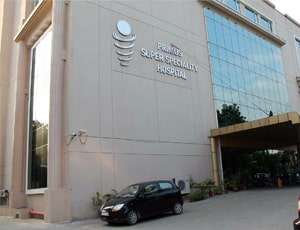
Primus Super Speciality Hospital offers advanced Epilepsy Treatment using modern neurological, neurodiagnostic, and epilepsy-management techniques and individualized care plans. Established in 2001, the NABH accredited hospital is located in Delhi, India and has 250 beds, providing comprehensive neurological care for local and international patients.
Epilepsy Treatment is planned according to the type, frequency, cause, and severity of seizures and the patient's overall health. Antiseizure medications are commonly used to control seizures, while selected patients with drug-resistant epilepsy may be evaluated for epilepsy surgery, dietary therapies, or neuromodulation procedures. Comprehensive assessment helps determine the most appropriate treatment strategy and long-term follow-up plan.
Rabin Medical Center offers advanced Epilepsy Treatment using modern neurological, neurodiagnostic, and epilepsy-management techniques and individualized care plans. Established in 1996, the JCI accredited hospital is located in Petah Tikva, Israel and has 1300 beds, providing comprehensive neurological care for local and international patients.
Epilepsy Treatment is planned according to the type, frequency, cause, and severity of seizures and the patient's overall health. Antiseizure medications are commonly used to control seizures, while selected patients with drug-resistant epilepsy may be evaluated for epilepsy surgery, dietary therapies, or neuromodulation procedures. Comprehensive assessment helps determine the most appropriate treatment strategy and long-term follow-up plan.
Mumbai, India
nanavati Super Speciality Hospital is a trusted healthcare provider for Epilepsy Treatment, offering comprehensive epilepsy care supported by experienced neurologists, epileptologists, neurosurgeons, neurophysiology specialists, and multidisciplinary teams. Established in 1950, the NABH- accredited hospital is situated in Mumbai, India and has 350 beds.
Epilepsy Treatment aims to reduce or prevent seizures while minimizing treatment-related effects and maintaining quality of life. Antiseizure medicines are selected according to seizure type and patient-specific factors. For individuals whose seizures remain uncontrolled despite appropriate medication, specialized evaluation may identify whether epilepsy surgery, vagus nerve stimulation, responsive neurostimulation, deep brain stimulation, or dietary therapy could be appropriate.
Asya Hospital provides specialised Epilepsy Treatment with a focus on accurate seizure classification, evidence-based treatment, advanced epilepsy monitoring, and individualized follow-up care. Established in 1993, the TMA accredited hospital is located in Istanbul, Turkey and operates 150 beds, with modern neurological, neurodiagnostic, imaging, surgical, and rehabilitation infrastructure.
Epilepsy Treatment can involve medication, lifestyle and safety measures, dietary approaches, surgery, or neuromodulation depending on the patient's diagnosis and response to therapy. A detailed pre-treatment evaluation may include neurological examination, EEG or video-EEG monitoring, high-resolution brain MRI, neuropsychological testing, and other investigations when required. These assessments help the multidisciplinary epilepsy team identify the seizure focus, assess treatment options, and develop an individualized long-term management plan.
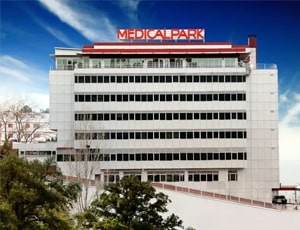
Medical Park Usak Hospital provides specialised Epilepsy Treatment with a focus on accurate seizure classification, evidence-based treatment, advanced epilepsy monitoring, and individualized follow-up care. Established in 2013, the JCI accredited hospital is located in Usak, Turkey and operates 106 beds, with modern neurological, neurodiagnostic, imaging, surgical, and rehabilitation infrastructure.
Epilepsy Treatment can involve medication, lifestyle and safety measures, dietary approaches, surgery, or neuromodulation depending on the patient's diagnosis and response to therapy. A detailed pre-treatment evaluation may include neurological examination, EEG or video-EEG monitoring, high-resolution brain MRI, neuropsychological testing, and other investigations when required. These assessments help the multidisciplinary epilepsy team identify the seizure focus, assess treatment options, and develop an individualized long-term management plan.
Trabzon, Turkey
At Medical Park Trabzon Star Hospital, Epilepsy Treatment is performed using specialized epilepsy-management protocols and comprehensive pre-treatment neurological assessment. Established in 2011, this JCI accredited hospital in Trabzon, Turkey has 120 beds and offers advanced neurology, epileptology, and neurodiagnostic services.
Epilepsy Treatment may be considered for patients with recurrent unprovoked seizures or a confirmed diagnosis of epilepsy. The specialist evaluates seizure characteristics, medical history, neurological findings, medications, and possible underlying causes. Investigations such as EEG, video-EEG monitoring, brain MRI, and laboratory tests may be used to classify seizures and identify abnormalities that can guide treatment selection.
| Speciality | Neurology |
| Procedure | Epilepsy Treatment |
| Success Rate | Varies by condition |
| Recovery Time | Varies by condition |
| Treatment Time | Varies by condition |
| Chances of Recurrence | Varies by condition |
Epilepsy, also known as seizure disease, is a chronic medical condition that occurs due to abnormal signals in the brain produced by damaged brain cells. This uncontrolled activity can lead to changes in the state of awareness, muscle twitches and jerks, emotions, sensations, and behavior. The available surgical options include surgical resection, which involves removing abnormal brain tissue, disconnection of fiber bundles connecting different brain areas, and stereotactic radiosurgery, which targets and destroys abnormal brain tissue. Additionally, neuromodulation devices can be implanted to deliver electrical impulses to the brain, gradually reducing seizures.
Epilepsy treatment is primarily used to manage and control seizures in individuals diagnosed with epilepsy. It can help reduce the frequency and severity of seizures, improve a person's quality of life, and reduce the risk of injury during a seizure.
The recovery period following epilepsy treatment varies according to the type of treatment used. Patients taking medications may need to adhere to a specific dosage regimen and attend regular check-ups with their healthcare provider to monitor their response to the medication and adjust the dosage as needed. In the case of surgical interventions, the recovery process may include a hospital stay, post-operative care, and follow-up appointments to assess the procedure's success and the patient's overall condition. The recovery may take 3-6 weeks.
.jpg)
Epilepsy is a type of neurological disorder in which people have recurrent seizures that aren't triggered by a reason and are due to abnormal electrical activity in the brain. Many people can control their epilepsy through the use of anti-seizure medications