Browse verified doctors or let our care team help you find the doctor best suited to your condition, treatment goals, and budget.
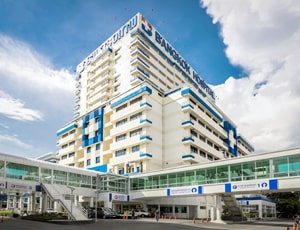
Bangkok Hospital offers advanced Deep Brain Stimulation (DBS) Treatment using modern neurosurgical techniques and precise brain-targeting technology. Established in 1972, the JCI accredited hospital is located in Bangkok, Thailand and has 580 beds, providing comprehensive neurological and neurosurgical care for local and international patients.
Deep Brain Stimulation is a neurosurgical treatment in which thin electrodes are implanted in specific areas of the brain and connected to a pulse generator placed under the skin, usually near the chest. The system delivers controlled electrical impulses to modify abnormal brain activity. DBS is commonly used for selected patients with movement disorders such as Parkinson's disease, essential tremor, and dystonia when symptoms are not adequately controlled with medication. Detailed neurological assessment and brain imaging are performed before surgery to identify suitable candidates and plan electrode placement.
Vejthani Hospital provides specialized Deep Brain Stimulation with a focus on accurate patient selection, precise electrode placement, and individualized stimulation management. Established in 1994, the JCI accredited hospital is located in Bangkok, Thailand and operates 263 beds with modern neurotechnology and neurosurgical infrastructure.
Deep Brain Stimulation may provide symptom relief for carefully selected patients with movement disorders that remain disabling despite medication and other conservative approaches. Before treatment, a multidisciplinary team evaluates the patient's neurological symptoms, response to medicines, cognitive status, and imaging findings. During surgery, electrodes are placed in specific brain structures using stereotactic guidance, and the electrodes are connected to an implanted pulse generator. Following recovery, specialists gradually program the device to balance symptom control and potential side effects. Long-term follow-up is important for adjusting stimulation settings and managing the underlying condition.
Choosing Bangpakok 9 International Hospital for Deep Brain Stimulation gives patients access to experienced functional neurosurgeons, advanced stereotactic equipment, and comprehensive neurological care. Established in 2003, the JCI, GHA accredited hospital in Bangkok, Thailand has 300 beds and provides specialized treatment for complex movement disorders.
Deep Brain Stimulation (DBS) is an implant-based therapy designed to regulate abnormal electrical signaling within targeted brain circuits. The procedure usually involves placing electrodes into a predetermined brain region and connecting them to a programmable device implanted beneath the skin. The stimulation can be adjusted without another brain operation, allowing clinicians to optimize settings according to the patient's symptoms and treatment response. Patients generally require regular follow-up visits for programming, medication adjustments, and monitoring of the implanted system.
Phyathai 2 International Hospital offers advanced Deep Brain Stimulation (DBS) Treatment using modern neurosurgical techniques and precise brain-targeting technology. Established in 1987, the JCI accredited hospital is located in Bangkok, Thailand and has 550 beds, providing comprehensive neurological and neurosurgical care for local and international patients.
Deep Brain Stimulation is a neurosurgical treatment in which thin electrodes are implanted in specific areas of the brain and connected to a pulse generator placed under the skin, usually near the chest. The system delivers controlled electrical impulses to modify abnormal brain activity. DBS is commonly used for selected patients with movement disorders such as Parkinson's disease, essential tremor, and dystonia when symptoms are not adequately controlled with medication. Detailed neurological assessment and brain imaging are performed before surgery to identify suitable candidates and plan electrode placement.

Patient Chloe Diane Mii Tangaroa has become worse over the last five years. She was suffering from chronic anxiety and most of the time depressed…

The hospital services and the kind staff have exceeded my expectations. I appreciate the experts at Artemis Hospital for providing excellent counseling and consultations based…
| Speciality | Neurology |
| Procedure | Deep Brain Stimulation |
| Success Rate | 85-95% |
| Recovery Time | 3-4 weeks |
| Treatment Time | 2-6 hours |
| Chances of Recurrence | 10-20% |
Deep Brain Stimulation (DBS) is a surgical procedure that involves the implantation of electrodes in specific areas of the brain to deliver electrical impulses. During the procedure, thin wires called leads are placed in precise brain regions, and a device known as a neurostimulator is implanted under the skin in the chest or abdomen. The neurostimulator sends electrical signals to the targeted brain areas, modulating abnormal brain activity and helping to relieve symptoms.
Deep Brain Stimulation is primarily used to treat movement disorders such as Parkinson's disease, essential tremor, and dystonia. It can also be beneficial for certain psychiatric conditions like obsessive-compulsive disorder (OCD) and Tourette syndrome. In these conditions, DBS helps to regulate and modulate abnormal brain activity, reducing symptoms such as tremors, rigidity, involuntary movements, and obsessive or compulsive behaviors.
The recovery process after Deep Brain Stimulation can vary depending on individual factors and the specific condition being treated. Typically, patients will need some time to adjust to the presence of the implanted device and may experience temporary discomfort or soreness at the surgical sites. Physical therapy, occupational therapy, and speech therapy may be recommended to help regain movement, coordination, and speech abilities. Regular follow-up visits with the healthcare team are recommended. Overall, it may take around a month for the patient to adjust to normal life after the procedure.
According to the procedure, hospitals are ranked based on a variety of components. The following criteria can be used to classify hospitals for Deep Brain Stimulations in Thailand- Availability of the Procedure, Popularity of the procedure & hospital, Infrastructure, Pricing structure, Experienced Medical Professionals, Technology Employed, Facilities Available for the Patients & Visitors, Success Rate of the Hospital.
MediGence puts forth a lot of effort to make your medical travel of the finest quality, convenient, and affordable for you. We keep your health a priority and make sure you receive a hassle-free medical journey with some unmatched benefits & services. Some of our caregiving services & unmatched benefits include hotel stays or accommodation, airport transfers, dedicated case manager, care packages for recovery, online consultations with the specialist, 24/7 assistance, and prenegotiated treatment packages with an assured 30% discount. To help you receive top-notch medical treatment, we also provide a number of additional benefits.
Yes, you can avail a video consultation with the specialist before travelling to Thailand. When our patient advisors connect with you regarding your query, you can place your request of having an online consultation with the specialist. They will verify the doctor's consultation availability. Once confirmed, a payment link will be provided to you so you may schedule your online consultation.
Many people have started traveling to Thailand for Deep Brain Stimulation due to the country’s modern healthcare infrastructure and high success rate. Deep Brain Stimulation is the best option when it comes to Thailand for a variety of reasons including:
The recovery time for a procedure varies based on the condition of the patient and the complexity of the surgery. Other factors, such as the patient's continued participation in rehabilitation sessions and postoperative care appointments, have a significant impact on the length of their recovery. Patients must also visit for follow-ups post-surgery to ensure proper healing and speed up the recovery process.