Browse verified doctors or let our care team help you find the doctor best suited to your condition, treatment goals, and budget.

Delhi, India
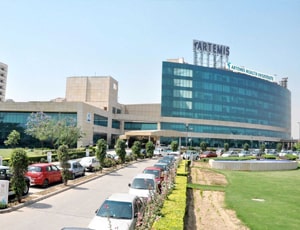
The Neurosciences Institute at the Artemis Health Institute is equipped with all the latest instruments and diagnostic tools for treating conditions like Stroke. The diagnostic tests performed by the neuro specialists include a physical exam, a neurological exam, Blood tests, computerized tomography (CT) scan, magnetic resonance imaging (MRI), carotid ultrasound, cerebral angiogram, echocardiogram, etc.
Treatment options for stroke include TPA (tissue plasminogen activator), blood-thinning medications such as anticoagulants (warfarin) and antiplatelet drugs (aspirin or ticlopidine); a combination of aspirin and sustained release dipyridamole; and carotid endarterectomy. In addition, the hospital offers stroke rehabilitation. Dr. Sumit Singh and Dr. Manish Mahajan are some of the neuro specialists associated with Artemis Health Institute.
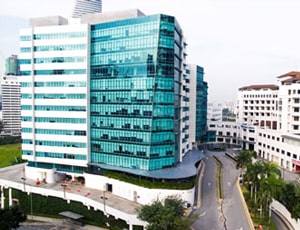
Bangpakok 9 International Hospital is a prominent healthcare facility of the BPK Hospital Group. The hospital is among the finest private healthcare facilities in Thailand. Bangpakok 9 International Hospital is popularly known for its exceptional medical services. The hospital caters to both local and international visitors. With a team of highly skilled medical professionals, state-of-the-art technology, and certifications from JCI (Joint Commission International) and HA (Hospital Accreditation), Bangpakok 9 International Hospital ensures the highest standards of care. The hospital has a Stroke Prevention Clinic that is available around the clock to provide complete primary stroke care services.
In order to increase accuracy and efficiency in the diagnosis and treatment of stroke patients, Bangkok Hospital makes use of a variety of cutting-edge medical technologies. This includes the Gamma Knife, the MRI, and the computerized tomography scan (CT scan). Bangkok Hospital has various processes in place to speed up procedures and reduce waiting times. Dr. Prathan Nantha-aree is a stroke specialist at the hospital.
Best doctors for Stroke Treatment at Bangpakok 9 International Hospital:
Medanta Institute of Neurosciences is an integrated institute with a dedicated team of doctors and cutting-edge technology that aims to provide comprehensive and multidisciplinary care for brain and spine disorders. The institute's staff includes highly qualified neurologists, neurosurgeons, neuro-interventionists, neuro-anesthetists, neurocritical care specialists, neuropsychologists, and neuropsychiatrists. The institute has clinics that specialize in brain tumors, spinal disorders, stroke, epilepsy, movement disorders, and headaches. In addition, the institute offers specialized services and protocols for the emergency management of acute neurological disorders such as stroke and other neurological trauma.
The diagnostic techniques available at the hospital include Cerebral angiogram, MRI scan, CT scan, Blood tests, etc. The treatment options include emergency medications like an injection of TPA (Tissue plasminogen activator) that restores blood flow by dissolving the clot responsible for the brain attack. The hospital also provides clot removal with the help of minimally invasive clot removal methods and angioplasty to embed a stent in the blocked artery. Carotid endarterectomy is another procedure available at Medanta- The Medicity. Dr. Prashant Kumar Thakur, Dr. Silky Arora, and Dr. Deepa N Aswatha are some of the neuro specialists at Medanta.
NPISTANBUL Brain Hospital is a pioneer of high-quality neurological treatments. The centre is JCI-accredited and well-regarded for offering safe and effective treatments for a wide variety of neurological conditions including stroke. The hospital has ultra-modern infrastructure such as 2 laminar flow digital operating rooms and 16-bed intensive care units. Additionally, the hospital is equipped with cutting-edge technologies such as O-Arm CT navigation and ICG, color Doppler ultrasonography, 3-D screening systems, and a high-level neurosurgical microscope. Some of the internationally recognized techniques at the hospital include neuronavigation TMU/TMS, ECT, electronic implant therapy, functional surgery and tDCS.
The procedures performed at the hospital usually have a high-success rate and are executed by skilled neurosurgeons. These medical professionals are competent and extremely adept in treating conditions like stroke.
Stroke needs prompt medical attention. The neurosurgeons at the hospital have the ability to handle such intensive situations and provide stroke treatment effectively. Some of the experts associated with the hospital include Dr AKin Akakin, Dr. Prof. Mustafa Bozbuga, and Dr Salih Aydin. The department of physical therapy and rehabilitation also helps the patients overcome the after-effects of stroke. The department offers physical therapy, speech therapy and occupational therapy to enable patients to re-integrate into society.
Best doctors for Stroke Treatment at NPISTANBUL Brain Hospital:
Ghaziabad, India
Antalya Anadolu is an internationally recognized facility with 120 beds. With its advanced technologies and a patient-centric approach, the hospital provides impeccable healthcare services to patients from all over the world. Antalya Anadolu has an eye-catching infrastructure. The rooms at the hospital are well-furnished to ensure that patients have a comfortable stay at the hospital. It has adult intensive care units and 3 operating rooms. Additionally, some of the modern facilities at the hospital include Doppler USG, Computerized Tomography(CT), 1.5 Tesla MRI, Bone Densitometry, 24*7 ambulance services, X-ray, and Extracorporeal Shock Wave Lithotripsy(ESWL).
The Brain and Nerve Surgery Department has exceptionally trained and qualified medical professionals. The doctors here can perform advanced surgeries for a range of conditions such as Stroke, spine diseases, trauma, and cerebrovascular diseases. Stroke patients are routinely treated at the hospital by experts such as Prof. Dr Bektas Acikgoz and Dr Ramadan Warn. In addition to treatment, the patients also receive rehabilitation from renowned rehab experts to fasten their recovery.
| Speciality | Neurology |
| Procedure | Stroke Treatment |
| Success Rate | Varies by condition |
| Recovery Time | Varies by condition |
| Treatment Time | Varies by condition |
| Chances of Recurrence | Varies by condition |
Stroke treatment involves a combination of various interventions to minimize damage to the brain. The treatment approach depends on the type of stroke, whether it is ischemic (caused by a blood clot) or hemorrhagic (caused by bleeding in the brain). Ischemic stroke treatment may involve medications to dissolve or remove the clot, while hemorrhagic stroke treatment focuses on stopping bleeding and relieving pressure on the brain.
Stroke treatment can address a range of medical conditions, including ischemic stroke, hemorrhagic stroke, transient ischemic attacks (TIAs), and certain underlying risk factors that contribute to stroke, such as high blood pressure, atrial fibrillation, and carotid artery disease. The goal is to prevent further damage to the brain, restore blood flow, and manage risk factors to reduce the likelihood of future strokes.
The recovery process after a stroke depends on the severity of the stroke and individual factors. The recovery process includes rehabilitation programs like physical therapy, occupational therapy, speech therapy, and other specialized therapies. The focus is on improving motor skills, restoring speech and language abilities, and regaining independence in daily activities. Recovery is gradual and may take months or even years. Doctors may suggest lifestyle modifications and prescribe certain medications to prevent future strokes.

Patients are those who went to sleep healthy and woke up with stroke symptoms, or a stroke occurs during sleep; this is known as a wake-up stroke.