Browse verified doctors or let our care team help you find the doctor best suited to your condition, treatment goals, and budget.

Choosing Yashoda Hospital, Malakpet for Capsule Endoscopy gives patients access to non-invasive gastrointestinal imaging, specialist interpretation, and comprehensive diagnostic support. Established in 1989, the NABH, NABL accredited hospital is located in Hyderabad, India and operates 404 beds with modern gastroenterology facilities.
Capsule Endoscopy provides a detailed view of sections of the small bowel that may be difficult to reach with standard endoscopic procedures. The patient swallows a disposable capsule equipped with a tiny camera and light source, which records images as it moves through the intestine. The captured information is transmitted to a recording device and reviewed by a gastroenterologist. Before the procedure, doctors assess factors such as swallowing ability and the possibility of intestinal narrowing that could prevent the capsule from passing normally.
Choosing Assuta Hospital for Capsule Endoscopy gives patients access to non-invasive gastrointestinal imaging, specialist interpretation, and comprehensive diagnostic support. Established in 1934, the JCI accredited hospital is located in Tel Aviv, Israel and operates 300 beds with modern gastroenterology facilities.
Capsule Endoscopy provides a detailed view of sections of the small bowel that may be difficult to reach with standard endoscopic procedures. The patient swallows a disposable capsule equipped with a tiny camera and light source, which records images as it moves through the intestine. The captured information is transmitted to a recording device and reviewed by a gastroenterologist. Before the procedure, doctors assess factors such as swallowing ability and the possibility of intestinal narrowing that could prevent the capsule from passing normally.
Thomson Medical Centre provides specialized Capsule Endoscopy with a focus on detailed visualization of the small intestine, accurate diagnosis, and comfortable patient evaluation. Established in 1979, the accredited hospital is located in Singapore, Singapore and operates 190 beds with advanced gastroenterology and diagnostic facilities.
Capsule Endoscopy is a minimally invasive procedure in which the patient swallows a small capsule containing a miniature camera. As the capsule naturally travels through the digestive tract, it captures images of the gastrointestinal lining, particularly areas of the small intestine that can be difficult to examine using conventional endoscopy. It may be recommended to investigate unexplained gastrointestinal bleeding, suspected Crohn's disease, or other small-bowel abnormalities. The capsule is normally passed naturally through the stool after completing its journey.
Anadolu Medical Center provides specialized Capsule Endoscopy with an emphasis on high-quality gastrointestinal imaging, accurate interpretation, and patient-centered diagnostic care. Established in 2005, the JCI, ISO accredited hospital is based in Kocaeli, Turkey and has 268 beds supported by advanced digestive health and diagnostic technology.
Capsule Endoscopy can help investigate conditions affecting the small intestine, particularly when conventional tests provide limited information. The capsule contains a miniature camera that takes images as it moves through the gastrointestinal tract and sends them to a portable recorder. Doctors may use the results to investigate unexplained bleeding, small-bowel inflammation, or other suspected abnormalities. In most cases, the capsule leaves the body naturally through bowel movements, although patients should follow specific preparation and dietary instructions provided by the medical team.
I.A.U VM Medical Park Florya Hospital provides specialized Capsule Endoscopy with an emphasis on high-quality gastrointestinal imaging, accurate interpretation, and patient-centered diagnostic care. Established in 2017, the JCI accredited hospital is based in Istanbul, Turkey and has 300 beds supported by advanced digestive health and diagnostic technology.
Capsule Endoscopy can help investigate conditions affecting the small intestine, particularly when conventional tests provide limited information. The capsule contains a miniature camera that takes images as it moves through the gastrointestinal tract and sends them to a portable recorder. Doctors may use the results to investigate unexplained bleeding, small-bowel inflammation, or other suspected abnormalities. In most cases, the capsule leaves the body naturally through bowel movements, although patients should follow specific preparation and dietary instructions provided by the medical team.
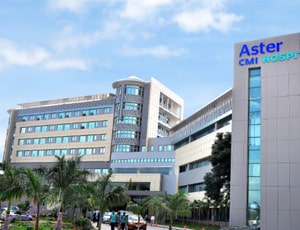
Aster CMI Hospital provides specialized Capsule Endoscopy with an emphasis on high-quality gastrointestinal imaging, accurate interpretation, and patient-centered diagnostic care. Established in 2014, the JCI, NABH, NABL accredited hospital is based in Bangalore, India and has 500 beds supported by advanced digestive health and diagnostic technology.
Capsule Endoscopy can help investigate conditions affecting the small intestine, particularly when conventional tests provide limited information. The capsule contains a miniature camera that takes images as it moves through the gastrointestinal tract and sends them to a portable recorder. Doctors may use the results to investigate unexplained bleeding, small-bowel inflammation, or other suspected abnormalities. In most cases, the capsule leaves the body naturally through bowel movements, although patients should follow specific preparation and dietary instructions provided by the medical team.
At Czech Medical Center, Capsule Endoscopy is performed using modern gastrointestinal imaging technology and individualized diagnostic planning. Established in 1996, the JCI accredited hospital in Brno, Czechia it has adequate bed capacity and offers comprehensive digestive health services.
Capsule Endoscopy allows doctors to examine the small bowel without inserting a conventional endoscope through the mouth or anus. The patient swallows a pill-sized camera that takes photographs as it moves through the digestive system. The images are transmitted to a recording device worn by the patient and later reviewed by a specialist. Depending on the findings, the test may help identify bleeding, inflammation, ulcers, polyps, or other abnormalities that may not be detected through routine examinations.
Burjeel Medical City provides specialized Capsule Endoscopy with an emphasis on high-quality gastrointestinal imaging, accurate interpretation, and patient-centered diagnostic care. Established in 2017, the ISO accredited hospital is based in Abu Dhabi, United Arab Emirates and has 350 beds supported by advanced digestive health and diagnostic technology.
Capsule Endoscopy can help investigate conditions affecting the small intestine, particularly when conventional tests provide limited information. The capsule contains a miniature camera that takes images as it moves through the gastrointestinal tract and sends them to a portable recorder. Doctors may use the results to investigate unexplained bleeding, small-bowel inflammation, or other suspected abnormalities. In most cases, the capsule leaves the body naturally through bowel movements, although patients should follow specific preparation and dietary instructions provided by the medical team.
Apollo Hospitals Bannerghatta offers dedicated Capsule Endoscopy supported by experienced gastroenterologists, advanced imaging systems, and modern diagnostic infrastructure. Established in 2007, the JCI accredited hospital is situated in Bangalore, India and has 350 beds providing specialized gastrointestinal care.
Capsule Endoscopy is commonly used when a detailed examination of the small intestine is needed. After swallowing the capsule, its camera records multiple images while it passes naturally through the digestive tract. The procedure can be particularly useful for evaluating suspected small-bowel bleeding, inflammatory bowel disease, or unexplained anaemia when other investigations have not identified the cause. Patients generally continue normal activities according to their doctor's instructions while the capsule travels through the digestive system.
Choosing Fortis Hospital for Capsule Endoscopy gives patients access to non-invasive gastrointestinal imaging, specialist interpretation, and comprehensive diagnostic support. Established in 2001, the NABH, NABL, JCI accredited hospital is located in Bangalore, India and operates 375 beds with modern gastroenterology facilities.
Capsule Endoscopy provides a detailed view of sections of the small bowel that may be difficult to reach with standard endoscopic procedures. The patient swallows a disposable capsule equipped with a tiny camera and light source, which records images as it moves through the intestine. The captured information is transmitted to a recording device and reviewed by a gastroenterologist. Before the procedure, doctors assess factors such as swallowing ability and the possibility of intestinal narrowing that could prevent the capsule from passing normally.
Faridabad, India
Choosing Sarvodaya Hospital and Research Centre for Capsule Endoscopy gives patients access to non-invasive gastrointestinal imaging, specialist interpretation, and comprehensive diagnostic support. Established in 1997, the NABH, NABL accredited hospital is located in Faridabad, India and operates 500 beds with modern gastroenterology facilities.
Capsule Endoscopy provides a detailed view of sections of the small bowel that may be difficult to reach with standard endoscopic procedures. The patient swallows a disposable capsule equipped with a tiny camera and light source, which records images as it moves through the intestine. The captured information is transmitted to a recording device and reviewed by a gastroenterologist. Before the procedure, doctors assess factors such as swallowing ability and the possibility of intestinal narrowing that could prevent the capsule from passing normally.
Sharjah, United Arab Emirates
Choosing Zulekha Hospital Sharjah for Capsule Endoscopy gives patients access to non-invasive gastrointestinal imaging, specialist interpretation, and comprehensive diagnostic support. Established in 1992, the JCI accredited hospital is located in Sharjah, United Arab Emirates and operates 185 beds with modern gastroenterology facilities.
Capsule Endoscopy provides a detailed view of sections of the small bowel that may be difficult to reach with standard endoscopic procedures. The patient swallows a disposable capsule equipped with a tiny camera and light source, which records images as it moves through the intestine. The captured information is transmitted to a recording device and reviewed by a gastroenterologist. Before the procedure, doctors assess factors such as swallowing ability and the possibility of intestinal narrowing that could prevent the capsule from passing normally.
Medipol Mega University Hospital provides specialized Capsule Endoscopy with a focus on detailed visualization of the small intestine, accurate diagnosis, and comfortable patient evaluation. Established in 2012, the JCI accredited hospital is located in Istanbul, Turkey and operates 810 beds with advanced gastroenterology and diagnostic facilities.
Capsule Endoscopy is a minimally invasive procedure in which the patient swallows a small capsule containing a miniature camera. As the capsule naturally travels through the digestive tract, it captures images of the gastrointestinal lining, particularly areas of the small intestine that can be difficult to examine using conventional endoscopy. It may be recommended to investigate unexplained gastrointestinal bleeding, suspected Crohn's disease, or other small-bowel abnormalities. The capsule is normally passed naturally through the stool after completing its journey.
Fortis Hospital provides specialized Capsule Endoscopy with a focus on detailed visualization of the small intestine, accurate diagnosis, and comfortable patient evaluation. Established in 2011, the NABH, NABL accredited hospital is located in Kolkata, India and operates 400 beds with advanced gastroenterology and diagnostic facilities.
Capsule Endoscopy is a minimally invasive procedure in which the patient swallows a small capsule containing a miniature camera. As the capsule naturally travels through the digestive tract, it captures images of the gastrointestinal lining, particularly areas of the small intestine that can be difficult to examine using conventional endoscopy. It may be recommended to investigate unexplained gastrointestinal bleeding, suspected Crohn's disease, or other small-bowel abnormalities. The capsule is normally passed naturally through the stool after completing its journey.
Choosing Medicover Hungary for Capsule Endoscopy gives patients access to non-invasive gastrointestinal imaging, specialist interpretation, and comprehensive diagnostic support. Established in 2015, the ISO accredited hospital is located in Budapest, Hungary and operates 30 beds with modern gastroenterology facilities.
Capsule Endoscopy provides a detailed view of sections of the small bowel that may be difficult to reach with standard endoscopic procedures. The patient swallows a disposable capsule equipped with a tiny camera and light source, which records images as it moves through the intestine. The captured information is transmitted to a recording device and reviewed by a gastroenterologist. Before the procedure, doctors assess factors such as swallowing ability and the possibility of intestinal narrowing that could prevent the capsule from passing normally.
| Speciality | Gastroenterology |
| Procedure | Capsule Endoscopy |
| Success Rate | 95-98% |
| Recovery Time | 1-2 days |
| Treatment Time | 30 minute |
| Chances of Recurrence | NA |