Browse verified doctors or let our care team help you find the doctor best suited to your condition, treatment goals, and budget.
Max Super Speciality Hospital, Saket is a trusted healthcare provider for PDA Closure, offering specialised PDA treatment supported by experienced paediatric cardiologists and cardiac surgeons, modern catheterisation facilities, and multidisciplinary cardiovascular care. Established in 2006, the JCI, NABH accredited hospital is situated in Delhi, India and has 539 beds.
A patent ductus arteriosus can allow blood to flow continuously between the aorta and the pulmonary artery, potentially leading to pulmonary overcirculation and cardiac enlargement when the connection is significant. PDA Closure aims to eliminate this abnormal blood flow. Depending on the patient's age and PDA characteristics, the medical team may use a transcatheter closure device or surgical ligation. A detailed cardiovascular assessment helps determine the safest and most effective option.
Gurgaon, India
At Fortis Memorial Research Institute, PDA Closure is performed using specialized pediatric cardiac techniques and comprehensive pre-procedure cardiovascular assessment. Established in 2013, this JCI, NABH, NABL accredited hospital in Gurgaon, India has 311 beds and offers advanced pediatric and congenital cardiac services.
PDA Closure may be considered for children or adults with a persistent ductus arteriosus that is clinically significant or complicated. In catheter-based closure, a thin catheter is introduced through a blood vessel and guided to the PDA, where a closure device is positioned to block abnormal blood flow. Echocardiography and other imaging studies are used to assess the size and anatomy of the PDA and determine the most appropriate treatment approach.
At Asian Institute of Medical Sciences, PDA Closure is performed using specialized pediatric cardiac techniques and comprehensive pre-procedure cardiovascular assessment. Established in 2010, this NABL, NABH accredited hospital in Faridabad, India has 425 beds and offers advanced pediatric and congenital cardiac services.
PDA Closure may be considered for children or adults with a persistent ductus arteriosus that is clinically significant or complicated. In catheter-based closure, a thin catheter is introduced through a blood vessel and guided to the PDA, where a closure device is positioned to block abnormal blood flow. Echocardiography and other imaging studies are used to assess the size and anatomy of the PDA and determine the most appropriate treatment approach.
Apollo Hospital International Limited offers advanced PDA Closure using modern congenital cardiac treatment techniques and individualized cardiovascular care plans. Established in 2003, the NABH, JCI accredited hospital is located in Ahmedabad, India and has 300 beds, providing comprehensive cardiac care for local and international patients.
PDA Closure is a procedure used to close a patent ductus arteriosus, a persistent blood vessel connecting the pulmonary artery and aorta that normally closes shortly after birth. Closure may be recommended when the PDA is significant and causes excess blood flow to the lungs or increases the workload on the heart. Depending on the patient's age, anatomy, and clinical condition, closure may be performed using a catheter-based device or surgical technique.
At Fortis Hospital, PDA Closure is performed using specialized pediatric cardiac techniques and comprehensive pre-procedure cardiovascular assessment. Established in 2006, this JCI, NABH accredited hospital in Mohali, India has 276 beds and offers advanced pediatric and congenital cardiac services.
PDA Closure may be considered for children or adults with a persistent ductus arteriosus that is clinically significant or complicated. In catheter-based closure, a thin catheter is introduced through a blood vessel and guided to the PDA, where a closure device is positioned to block abnormal blood flow. Echocardiography and other imaging studies are used to assess the size and anatomy of the PDA and determine the most appropriate treatment approach.
Metro Hospital offers advanced PDA Closure using modern congenital cardiac treatment techniques and individualized cardiovascular care plans. Established in 1997, the NABL, NABH, ISO accredited hospital is located in Noida, India and has 289 beds, providing comprehensive cardiac care for local and international patients.
PDA Closure is a procedure used to close a patent ductus arteriosus, a persistent blood vessel connecting the pulmonary artery and aorta that normally closes shortly after birth. Closure may be recommended when the PDA is significant and causes excess blood flow to the lungs or increases the workload on the heart. Depending on the patient's age, anatomy, and clinical condition, closure may be performed using a catheter-based device or surgical technique.
Sharda Hospital offers advanced PDA Closure using modern congenital cardiac treatment techniques and individualized cardiovascular care plans. Established in 2005, the NABH accredited hospital is located in Noida, India and has 1200 beds, providing comprehensive cardiac care for local and international patients.
PDA Closure is a procedure used to close a patent ductus arteriosus, a persistent blood vessel connecting the pulmonary artery and aorta that normally closes shortly after birth. Closure may be recommended when the PDA is significant and causes excess blood flow to the lungs or increases the workload on the heart. Depending on the patient's age, anatomy, and clinical condition, closure may be performed using a catheter-based device or surgical technique.
Delhi, India
Choosing Fortis Flt. Lt. Rajan Dhall Hospital for PDA Closure gives patients access to experienced pediatric cardiac specialists, advanced echocardiography and catheterisation facilities, intensive care support, and structured follow-up care. Established in 2006, the NABH accredited hospital in Delhi, India has 162 beds and provides specialised congenital cardiac services.
PDA Closure may be performed under sedation or general anaesthesia depending on the patient's age, treatment method, and clinical circumstances. During transcatheter closure, a catheter is guided through a blood vessel to deliver a closure device into the PDA. Surgical closure may be considered when catheter-based treatment is unsuitable, particularly in some small infants. After treatment, patients are monitored for blood pressure, heart function, residual blood flow, and potential complications before discharge and follow-up.
Choosing Clear Medi Hospital, Karkardooma for PDA Closure gives patients access to experienced pediatric cardiac specialists, advanced echocardiography and catheterisation facilities, intensive care support, and structured follow-up care. Established in 2017, the NABH, NABL accredited hospital in Delhi, India has 100 beds and provides specialised congenital cardiac services.
PDA Closure may be performed under sedation or general anaesthesia depending on the patient's age, treatment method, and clinical circumstances. During transcatheter closure, a catheter is guided through a blood vessel to deliver a closure device into the PDA. Surgical closure may be considered when catheter-based treatment is unsuitable, particularly in some small infants. After treatment, patients are monitored for blood pressure, heart function, residual blood flow, and potential complications before discharge and follow-up.
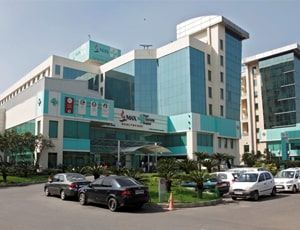
At VPS Rockland Hospital, PDA Closure is performed using specialized pediatric cardiac techniques and comprehensive pre-procedure cardiovascular assessment. Established in 2013, this NABH, NABL accredited hospital in Gurgaon, India has 345 beds and offers advanced pediatric and congenital cardiac services.
PDA Closure may be considered for children or adults with a persistent ductus arteriosus that is clinically significant or complicated. In catheter-based closure, a thin catheter is introduced through a blood vessel and guided to the PDA, where a closure device is positioned to block abnormal blood flow. Echocardiography and other imaging studies are used to assess the size and anatomy of the PDA and determine the most appropriate treatment approach.
Choosing Bai Jerbai Wadia Hospital for Children for PDA Closure gives patients access to experienced pediatric cardiac specialists, advanced echocardiography and catheterisation facilities, intensive care support, and structured follow-up care. Established in 1929, the AACI accredited hospital in Mumbai, India has 350 beds and provides specialised congenital cardiac services.
PDA Closure may be performed under sedation or general anaesthesia depending on the patient's age, treatment method, and clinical circumstances. During transcatheter closure, a catheter is guided through a blood vessel to deliver a closure device into the PDA. Surgical closure may be considered when catheter-based treatment is unsuitable, particularly in some small infants. After treatment, patients are monitored for blood pressure, heart function, residual blood flow, and potential complications before discharge and follow-up.
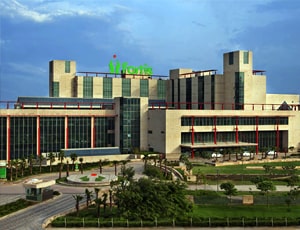
Chennai, India
The Madras Institute of Orthopedics and Traumatology is a trusted healthcare provider for PDA Closure, offering specialised PDA treatment supported by experienced paediatric cardiologists and cardiac surgeons, modern catheterisation facilities, and multidisciplinary cardiovascular care. Established in 1999, the JCI, NABH accredited hospital is situated in Chennai, India and has 1000 beds.
A patent ductus arteriosus can allow blood to flow continuously between the aorta and the pulmonary artery, potentially leading to pulmonary overcirculation and cardiac enlargement when the connection is significant. PDA Closure aims to eliminate this abnormal blood flow. Depending on the patient's age and PDA characteristics, the medical team may use a transcatheter closure device or surgical ligation. A detailed cardiovascular assessment helps determine the safest and most effective option.
Choosing Manipal Hospital, Ghaziabad for PDA Closure gives patients access to experienced pediatric cardiac specialists, advanced echocardiography and catheterisation facilities, intensive care support, and structured follow-up care. Established in 2010, the NABH, NABL accredited hospital in Ghaziabad, India has 9500 beds and provides specialised congenital cardiac services.
PDA Closure may be performed under sedation or general anaesthesia depending on the patient's age, treatment method, and clinical circumstances. During transcatheter closure, a catheter is guided through a blood vessel to deliver a closure device into the PDA. Surgical closure may be considered when catheter-based treatment is unsuitable, particularly in some small infants. After treatment, patients are monitored for blood pressure, heart function, residual blood flow, and potential complications before discharge and follow-up.
Choosing VPS Lakeshore Hospital for PDA Closure gives patients access to experienced pediatric cardiac specialists, advanced echocardiography and catheterisation facilities, intensive care support, and structured follow-up care. Established in 2003, the NABH, ISO accredited hospital in Kochi, India has 350 beds and provides specialised congenital cardiac services.
PDA Closure may be performed under sedation or general anaesthesia depending on the patient's age, treatment method, and clinical circumstances. During transcatheter closure, a catheter is guided through a blood vessel to deliver a closure device into the PDA. Surgical closure may be considered when catheter-based treatment is unsuitable, particularly in some small infants. After treatment, patients are monitored for blood pressure, heart function, residual blood flow, and potential complications before discharge and follow-up.
At Manipal Hospital, Yeshwantpur, PDA Closure is performed using specialized pediatric cardiac techniques and comprehensive pre-procedure cardiovascular assessment. Established in 2022, this JCI, NABH, NABL accredited hospital in Bangalore, India has 250 beds and offers advanced pediatric and congenital cardiac services.
PDA Closure may be considered for children or adults with a persistent ductus arteriosus that is clinically significant or complicated. In catheter-based closure, a thin catheter is introduced through a blood vessel and guided to the PDA, where a closure device is positioned to block abnormal blood flow. Echocardiography and other imaging studies are used to assess the size and anatomy of the PDA and determine the most appropriate treatment approach.

Miora's story is a strong reminder that early diagnosis, quality pediatric care, and coordination can make a world of difference in the life of a…
| Speciality | Cardiac Sciences |
| Procedure | PDA Closure |
| Success Rate | 95-98% |
| Recovery Time | 1-2 weeks |
| Treatment Time | 1-2 hours |
| Chances of Recurrence | 1% |
Yes, the hospitals in India that do PDA (Patent Ductus Arteriosus) closure have the best equipment in the medical industry. As prime care destinations, hospitals or health care centres apply their modality of using up-to-date facilities, including echocardiography, angiography and catheterisation laboratories.
These hospitals also have pulse post-operation clinical care in specialised Intensive Care Units. Most of them are affiliated with the National Board of Accreditation in Healthcare (NABH) and Joint Commission International (JCI), validating that they meet worldwide norms, and they host proficient cardiologists who specialise in managing the disease of congenital heart disease.
India's best destinations for PDA Closure have some of the most qualified cardiologists and cardiac surgeons with the best imaging systems and electrophysiology labs. These hospitals provide well-rounded preoperative, intraoperative and postoperative care, emphasising patient safety, comfort, and future care. They also have high success rates and national/international affiliations and offer individualised and client-friendly services.
The success rate of PDA closure is usually excellent in India, and it applies to even modern methods like catheter closure. Catheter-based closure outcomes are approximately 95-98% and have a minimal complication rate. This high success rate is attributed to the fact that many medical technologies, highly qualified cardiologists, and adequate and suitable hospitals are employed here. The success rate for surgical closure is also high, especially in more complicated cases, at 90-95%.
Through the patients, MediGence provides the list of certified and recognised doctors in India for PDA Closure. At that point, the patient is provided with all the data necessary regarding the expert’s specialisation, experience, success stories, and other crucial experience data. From the list of resources that MediGence offers, patients can quickly get the right doctor and hence have the correct tests done, which are well-recommended and cost-efficient. It is an ideal connection source to help you consult and find needed treatment only with reputable and experienced providers.
A few of the best hospitals for PDA Closure in India are as follows:
The cost of a PDA Closure in India typically ranges from (USD 5000 - 6500), depending on the hospital location, surgeon's expertise, and the procedure's complexity.
PDA Closure in India includes complete treatment solutions for overseas visitors. Numerous healthcare organisations nationwide are conversant with medical tourism and have individual services to cater to international clients. These services often include:
In general, the closure of PDA in India is an uneventful process; however, it involves some risks like any other surgical intervention. These risks may include:
Patients undergoing PDA closure in India usually take 1-2 weeks to recover. After catheter-based closure, patients are observed in the hospital for 1-2 days and are discharged within 2-3 days, with a return to work of light physical activity within a week and no heavy lifting for 2-4 weeks.
Hospitalisation may take 3 to 5 days in surgical closures, but the complete recovery may take 3 to 6 weeks. A second visit is usually after 1-2 weeks; however, there are usually three to six monthly heart reviews. Recovery is generally not extensive, especially when using minimally invasive techniques.
To receive a teleconsultation with a cardiologist before planning your trip to India to undergo the PDA Closure, use the Medigence platform. All it takes is a callback from a specialist, a diagnosis, and learning about treatments and procedures available to you from the comfort of your home. This way, you can make the right choices and may not doubt your treatment choice.
Managing patients who have gone through the closure of PDA (Patent Ductus Arteriosus) in India is crucial. It plays a significant role in preventing complications soon after the surgery. Here's what patients can generally expect:
India is a popular choice for PDA Closure because of several factors:
First, the patient will be asked to complete an online contact form on our site. Once submitted, MediGence will contact you to help fix your PDA Closure in India. With us, you will know which hospital to go to, you will see a doctor of your choice, and we will support you step by step. Enrollment is our guideline, with the help of which we help you receive the required documents and coordinate your treatment schedule so you can have comfort all the time from the day of registration up to the day of discharge from the hospital.
When the PDA comes to India to treat PDA through a hospital visit, the following steps are followed to prepare the patient and give him/her the best treatment. Here's what typically happens:
In India, while PDA (Patent Ductus Arteriosus) closure is most commonly treated with catheter-based closure or surgical closure, there are a few alternative treatment options or management approaches depending on the patient’s condition:
Factors to be considered before PDA closure in India with the understanding that several key preparatory measures must be taken for the surgery and the consequent phase to be as efficient as possible. Here’s how you can prepare:

This is the tale of Miora Tantely Rasamison, a 1-year-old girl from Madagascar whose family was extremely concerned about her health throughout the first few months of her life. Her symptoms,