Your Notifications
All done, no notifications

Cost of Trans Urethral Resection of Prostrate (TURP) Worldwide

Get a Quote

Affordable World-class Treatment - Accredited Hospitals - Free Treatment Plan in 24 Hrs

1
Days in Hospital
13
Post-Hospital
90 - 95%
Success Rate
Trans Urethral Resection of Prostrate (TURP): Cost, Procedure and Hospitals | Me
JCI/ISO 100,000+ Patients 24X7 Coordinator Visa & Travel handled
Your all-in-one medical travel platform for treatment, recovery & care.

Get Your Personalised Treatment Plan in Just 24 Hours.

Share your details to receive a personalised treatment plan, estimated costs, hospital recommendations, and expert guidance, “completely free.”

Required | alphabets and spaces
Required | A valid, working email address
Required | A valid contact
Connect with an Expert

Your information is protected with HIPAA-compliant security standards. We only share your details with hospitals after your consent.

Estimated Treatment Cost
All-inclusive • Hospital + Medications + Recovery Assistance + Dedicated Care Coordinator

International Quality. Affordable Care.

Males are the only ones with prostate glands. It encircles the urethra and rests beneath the bladder. The tube that exits the body with pee is called the urethra. Prostate tissue aids in semen production. Prostate tissue is surgically removed through the penis in a procedure known as transurethral resection of the prostate (TURP). No cuts are required.

Factors that affect the cost of Trans Urethral Resection of Prostrate (TURP):

  • Healthcare Facility Type: Whether TURP surgery is done in an outpatient clinic, hospital, or ambulatory surgical center will affect the cost. Compared to stand-alone surgical centers or clinics, hospitals typically have higher overhead expenditures, which can translate into higher overall charges.
  • Surgeon's amount: A major component of the total cost is the amount that the urologist or surgeon who performs the TURP surgery charges. More experienced or specially trained surgeons could be able to charge more for their services.
  • Anesthesia Fees: To guarantee the patient's comfort and safety throughout the TURP treatment, anesthesia is necessary. The entire cost is influenced by the cost of anesthesia services, which might differ depending on the kind of anesthesia utilized and the length of the surgery.
  • Operating Room Fees: The total cost of TURP surgery is increased by the expense of using the operating room, which includes supplies, equipment, and support personnel. Operating room costs may vary depending on how long the procedure takes and whether any other services are needed.
  • Pre-operative Evaluation and Testing: In order to determine whether a patient is a good candidate for TURP surgery, they usually go through pre-operative evaluation and testing. Blood tests, urine tests, imaging investigations (MRIs and CT scans), and heart exams are a few examples of this. The total cost is increased by the cost of these assessments.
  • Hospitalization Fees: For post-operative care and monitoring, TURP surgery patients may need to spend the night in the hospital. One should take into account the total cost of hospitalization, which includes lodging fees, nursing care, prescription drugs, and other auxiliary services.
  • Medical Supplies and Equipment: Specialized supplies and equipment, such as irrigation systems, catheters, and endoscopic instruments, are needed during TURP operation. The total cost of the treatment is increased by the cost of these items.
  • Post-operative Care & Follow-up: Patients may need prescription drugs, catheter care, follow-up appointments, and other post-operative care services following TURP surgery. The price of these services goes toward the total cost of care.
  • Geographic Location: The price of healthcare services varies depending on where you live, with higher prices typically being linked to areas with higher living expenses or higher demand for specialist medical treatment.
CountryCostLocal_currency
United KingdomUSD 4762 - 140003762 - 11060
TurkeyUSD 9100 - 12000274274 - 361680
SpainUSD 1100010120
United StatesUSD 5000 - 150005000 - 15000
SingaporeUSD 5000 - 100006700 - 13400
Alvina Hasan
Author

M.Pharm

2 Year of Experience

Last Reviewed - June 2026

Alvina Hasan is a dedicated medical researcher and scientific writer with a strong foundation in pharmaceutical sciences. She holds a B.Pharm from Jamia Hamdard University and an M.Pharm in Quality Assurance from DIPSAR University.

With deep medical expertise and a strong interest in healthcare communication, she focuses on transforming complex clinical and scientific information into clear, engaging, and easy-to-understand narratives. She develops insightful healthcare articles and research-driven content designed to support both medical professionals and patients, helping bridge the gap between advanced medical knowledge and practical understanding.

Readers can explore her published research and articles here:

https://carcinogenesis.com/index.php/JOC/article/view/868

https://carcinogenesis.com/index.php/JOC/article/view/870

View More
Dr. Ashish George
Reviewer

Gastroenterologist

18 Years of Experience

Last Reviewed - June 2026

Dr. Ashish George is one of the leading names in HPB surgery & liver transplantation and has about 18+ years of experience.He is a principal consultant & unit head of liver transplant at Fortis Shalimar Bagh.
View More

Need Help Choosing the Right Treatment? Talk to a Medical Advisor

Our dedicated Medical Patient Advisors are here to answer your questions, help you compare treatment options, estimate costs, and guide you through every step of your healthcare journey.

15 min
Average response time

Serving Patients Worldwide in Multiple Languages.

Transurethral resection of the prostate (TURP) is a common surgical procedure used to address urinary issues resulting from an enlarged prostate. During TURP, a resectoscope is inserted through the penis and passed along the urethra to access the prostate. This instrument allows surgeons to visualize and remove excess prostate tissue that obstructs urine flow.

TURP is often recommended for men experiencing moderate to severe urinary symptoms unresponsive to medication. While effective, other non-surgical alternatives exist, offering comparable outcomes to TURP with fewer side effects and quicker recovery times. These alternative procedures provide viable options for individuals seeking treatment for an enlarged prostate while minimizing the impact on daily life.

Transurethral Resection of the Prostate (TURP) alleviates urinary symptoms resulting from benign prostatic hyperplasia (BPH), such as:

  • Frequent, urgent need to urinate.
  • Trouble starting urination.
  • Slow urination.
  • More trips to the bathroom at night.
  • Stopping and starting again while urinating.
  • The feeling that you can't fully empty your bladder.
  • Urinary tract infections.

The goal of transurethral resection of the prostate (TURP) is to remove the urinary symptoms of benign prostatic hyperplasia (BPH). It reduces such issues as having to urinate frequently or urgently, having difficulty starting to urinate, having a weak or slow stream of urine, getting up at night to urinate, having an interrupted stream, feeling one never fully empties the bladder, and having frequent UTIs.

You should consult with the doctor If you experience any symptoms such as incomplete bladder emptying, urinary retention and frequent or urgent urination.Early assessment prevents worsening symptoms or kidney complications.

Preparation involves a physical examination, urinalysis, PSA, blood test, and imaging test. Blood thinners may have to be stopped, transportation arrangements made, and fasting required prior to the procedure. Your urologist should discuss medication and potential lifestyle modifications with you.

  • Insertion: In order to access the prostate, a resectoscope is inserted via the urethra (no outside wounds).
  • Visual Examination: The surgeon views the prostate using the camera to locate any excessive tissue.
  • Tissue Removal: A laser or electrical loop is employed to trim or vaporise excess prostate tissue.
  • Flushing: Tissue fragments are rinsed into the bladder using sterile fluid.
  • Evacuation: The urethra evacuates tissue fragments from the bladder.
  • Removal of Scope: Following tissue removal and control of bleeding, the resectoscope is removed.

The recovery following TURP is four to six weeks. You should not do any heavy lifting, strenuous exercise, or sex until your doctor says it is okay. If you are taking prescription pain medication, do not drive or operate machinery.

  • Electrical dysfunction
  • Urinary Tract Infection
  • Hematuria
  • Urinary Incontinence

  • Rapid outcomes: Most individuals have improvement in their urinary symptoms within a matter of days.
  • Relieves severe BPH symptoms: If medication has not helped ease moderate to severe BPH-induced urinary problems, TURP can be helpful. If you have bladder stones, kidney stones, or BPH-induced kidney damage, your physician may also recommend TURP.

Expect passing urinary symptoms, hematuria, and minor discomfort. Avoid hard lifting and strenuous activities for several weeks. In 4–6 weeks, complete healing typically occurs. Follow-up includes urine flow tests and monitoring of symptoms.

Over 80–90% of patients have relief from symptoms following TURP, which proves its high success rate. While some patients might need retreatment after a few years, long-term outcomes are good.

Explore Hospitals ( 177 )

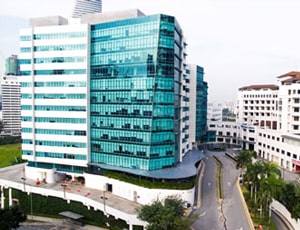
Kuala Lumpur, Malaysia

MSQH

Novena, Singapore

JCI

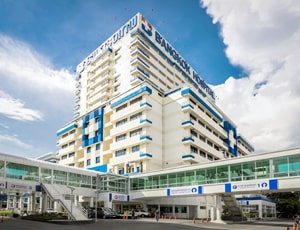
Bangkok, Thailand

JCI
Starting
USD 5800

Seoul, South Korea

ISO
Starting
USD 6000

Singapore, Singapore

JCI

Delhi, India

5.0 - 1 review · 650+ Beds · 302+ Procedures
JCI NABH
Starting
USD 3620

Kuala Lumpur, Malaysia

JCI MSQH
Starting
USD 7000

Ankara, Turkey

JCI
Starting
USD 5130

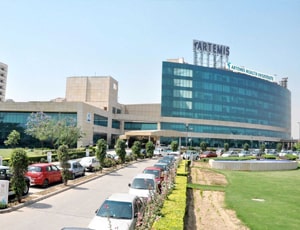
Gurgaon, India

3.3 - 4 reviews · 750+ Beds · 307+ Procedures
JCI NABH
Starting
USD 3590

Singapore, Singapore

JCI
Starting
USD 8900

Get Your Trans Urethral Resection of Prostrate (TURP)
Plan in 24 hrs.

Our experienced Medical Patient Advisors have supported 100,000+ patients across 120+ countries with personalised treatment plans, hospital recommendations, cost estimates, and travel assistance, all free.

HIPAA-Compliant Data SecurityShared Only with Your Consent

Free Consultation No Obligation Personalized Treatment Plan Response Within 24 Hours

Required | alphabets and spaces
Required | A valid, working email address
Required | A valid contact

Your medical info has is HIPAA-style confidential. We never share with hospitals without your consent.

Process Involved for Trans Urethral Resection of Prostrate (TURP)

  • Consultation with a specialist: See a urologist to assess the symptoms and plan for TURP based on prostate size, symptoms, and other medical conditions.
  • Pre-surgical evaluation: The urologist will do a physical exam with a digital rectal exam (DRE) and a urinalysis. Imaging like ultrasound can be employed to examine prostate size and bladder problems.
  • Treatment discussion: Discuss the pros and cons of TURP with the urologist. Other alternatives, such as drugs or lifestyle adjustments, will be contemplated if needed.
  • Surgical planning: Read the procedure specifics, anesthesia, recovery, and possible complications.
  • Follow-up after surgery: Interval follow-up visits to evaluate relief of symptoms, watch for complications, and monitor recovery. Follow-up treatment may involve the management of potential side effects such as impotence or incontinence.
  • Benign Prostatic Hyperplasia (BPH)
  • Urinary Retention
  • Bladder Outlet Obstruction
  • Recurrent Urinary Tract Infections (UTIs)
  • Bladder Stones
  • Patients with benign prostatic hyperplasia (BPH), which is the enlargement of the prostate, resulting in urinary symptoms.
  • Those patients who have not responded to other treatments or medications for symptoms like difficulty while passing urine, frequent passing of urine, poor flow of urine, or incontinence urinary retention can be helped with TURP.
  • Those patients at higher risk, like having chronic retention of urine, repeated urinary tract infections, or bladder stones, should be offered TURP when conservative measures fail.
  • Significant improvement of urinary symptoms like increased flow and less urination.
  • Relief of urinary obstruction and retention.
  • It is a minimally invasive procedure with no outside incision.
  • Lower recurrence risk of bladder stones and recurrent urinary tract infection with increased urine flow.
  • Typically shorter recovery time than open surgery.
  • Fill out the inquiry form: Fill out the form to provide us with the relevant information about your condition.
  • Consult with Our Healthcare Expert: One of our qualified specialists will contact you for a consultation.
  • Receive a Detailed Treatment Plan: After examining your situation, we will provide you with a detailed treatment plan that includes expert views and cost breakdowns for various choices.
  • Choose your preferred option: Choose the treatment option that suits you the best.
Jenny Wilson
Your Dedicated Medical Patient Advisor
Treatment planning • Hospital coordination • Multilingual support • Response within 15 minutes.
Our Services to Better your Experience

Opinion & Option

We submit the most accurate opinion and options from one or more countries for your review

Consult Privately

Consult with a certified specialist privately on our telemedicine platform even before you decide to travel

Logistics

We handle flights, visas, transfers, and accommodation—so you can focus on your health.

Recovery

Our In-house rehabilitation service packages to better your recovery and treatment outcome

Not Sure About Your Treatment Plan? Get a Free Second Opinion

Have your reports reviewed by independent oncology experts to help you make a confident treatment decision, all online within 48 hours.

Upload Your Reports
Free second opinion on your CAR-T plan