Your Notifications
All done, no notifications

Peritoneal Dialysis Cost in Kochi

Starts from USD 70

Disclaimer: Cost range is subject to change based on clinical evaluation.

Affordable World-class Treatment - Accredited Hospitals - Free Treatment Plan in 24 Hrs

1
Days in Hospital
30-60 min
Procedure Time
80 - 90%
Success Rate
Peritoneal Dialysis
JCI/ISO 100,000+ Patients 24X7 Coordinator Visa & Travel handled
Your all-in-one medical travel platform for treatment, recovery & care.

Get Your Personalised Treatment Plan in Just 24 Hours.

Share your details to receive a personalised treatment plan, estimated costs, hospital recommendations, and expert guidance, “completely free.”

Required | alphabets and spaces
Required | A valid, working email address
Required | A valid contact

Your information is protected with HIPAA-compliant security standards. We only share your details with hospitals after your consent.

Estimated Treatment Cost
Starts from USD 70
All-inclusive • Hospital + Medications + Recovery Assistance + Dedicated Care Coordinator

International Quality. Affordable Care.
The Cost of Peritoneal Dialysis in Kochi is available starts from USD 70.

Cost of Peritoneal Dialysis in Major Cities of India

CityCost (USD)
Calicut Starting $70 Explore More
Delhi Starting $80 Explore More
Faridabad Starting $70 Explore More
Gurgaon Starting $70 Explore More
Kochi Starting $70 Explore More
Mumbai Starting $80 Explore More
Rajkot Starting $70 Explore More
Nimra Haseeb
Author

MSc Biochemistry

4 Years of Experience

Miss Nimra Haseeb is a medical researcher and a scientific content writer. She holds a Bachelor’s degree in Biotechnology and a Master’s in Biochemistry from Integral University, Lucknow. With strong experience in healthcare research, she specializes in secondary research, clinical data analysis, and evidence-based medical writing. Her work focuses on transforming complex scientific and medical information into clear, accurate, and reliable healthcare content for patients and healthcare audiences. She is also experienced in interpreting medical studies and healthcare trends to deliver well-researched and informative content that supports better health awareness and decision-making.
View More
Dr. Akash Khandelwal
Reviewer

Hematologist

9 Years of Experience

Last Reviewed - June 2026

Dr. Akash Khandelwal is a distinguished Hematologist, Hemato-oncologist, and Bone Marrow Transplant (BMT) Physician with extensive training from the prestigious AIIMS New Delhi. His expertise encompasses a wide range of specialized techniques in bone marrow transplantation, including autologous and allogeneic transplants such as matched sibling donors, matched unrelated donors (MUD), and haploidentical donor transplants. Dr. Khandelwal has personally supervised and conducted over 100 bone marrow transplants.
View More

Need Help Choosing the Right Treatment? Talk to a Medical Advisor

Our dedicated Medical Patient Advisors are here to answer your questions, help you compare treatment options, estimate costs, and guide you through every step of your healthcare journey.

15 min
Average response time

Serving Patients Worldwide in Multiple Languages.

When the kidneys are unable to adequately filter waste materials and extra fluid from the circulation owing to renal failure, peritoneal dialysis is used. It uses the lining of your abdomen (the peritoneum) and a cleansing solution to filter blood inside your body.

You should consult a physician If you have signs of kidney failure, such as fatigue, ankle or leg edema, changes in urination, nausea, or shortness of breath. If you are currently receiving peritoneal dialysis, get in touch with your physician if you experience any of the following symptoms: chronic discomfort, issues with fluid drainage, or infection (fever, abdominal pain, or hazy dialysis fluid).

Your doctor will arrange for a little abdominal surgery to insert a catheter to prepare you for peritoneal dialysis. You may need to stop certain medications, and you'll receive training on performing dialysis at home, maintaining hygiene, and monitoring for infection.

With peritoneal dialysis, a catheter is used to fill your abdominal cavity with dialysate, a cleansing fluid. The fluid draws waste and excess fluids from your blood through the peritoneal membrane, which lines your abdominal organs. A machine repeats the procedure several times a day or overnight, draining the fluid after a particular period of time and replacing it with a new solution.

The average duration of continuous ambulatory peritoneal dialysis is 40 minutes. Three to five sessions a day are required.

  • Infection of the abdominal lining (Peritonitis)
  • redness, pain, or pus around the site of insertion
  • Hernias
  • Poor dialysis clearance
  • Abdominal bloating and fullness

  • Greater flexibility and independence
  • Fewer dietary restrictions compared to hemodialysis
  • Preserves remaining kidney function

To allow for healing, you will need to wait approximately 2 weeks following peritoneal dialysis catheter placement before beginning therapy. Proper care of the catheter site is essential to prevent infection. Additionally, you'll get instructions on how to safely administer dialysis at home.

The success rate of peritoneal dialysis is excellent when patients are well-trained and adhere to treatment protocols.

95–99%

Safe and effective dialysis treatment

1–2 days

Typical hospital stay

1–2 weeks

Resume daily activities
Explore Hospitals ( 1 )

Kochi, India

4.7 - 20506 reviews · 273+ Procedures
JCI
Starting
USD 70
Chat with a Medical Advisor

Get Your Peritoneal Dialysis
Plan in 24 hrs.

Our experienced Medical Patient Advisors have supported 100,000+ patients across 120+ countries with personalised treatment plans, hospital recommendations, cost estimates, and travel assistance, all free.

HIPAA-Compliant Data SecurityShared Only with Your Consent

✓ Free Consultation ✓ No Obligation ✓ Personalized Treatment Plan ✓ Response Within 24 Hours

Required | alphabets and spaces
Required | A valid, working email address
Required | A valid contact

Your medical info is kept HIPAA-style confidential. We never share with hospitals without your consent.

Jenny Wilson
Your Dedicated Medical Patient Advisor
Treatment planning • Hospital coordination • Multilingual support • Response within 15 minutes.
Our Services to Better your Experience

Opinion & Option

We submit the most accurate opinion and options from one or more countries for your review

Consult Privately

Consult with a certified specialist privately on our telemedicine platform even before you decide to travel

Logistics

We handle flights, visas, transfers, and accommodation—so you can focus on your health.

Recovery

Our In-house rehabilitation service packages to better your recovery and treatment outcome

Patient Stories

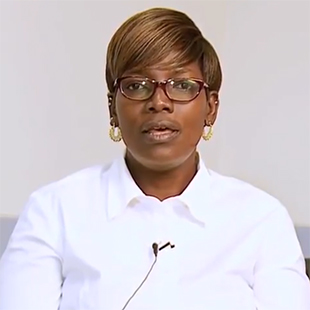
Marsha Akatu, Bone marrow transplant
Marsha Akatu
Marsha Akatu:Bone marrow transplant

Marsha Akatu from Kenya was suffering from Sickle Cell Anaemia. She got her treatment done at Medanta Hospital, Gurgaon, India.

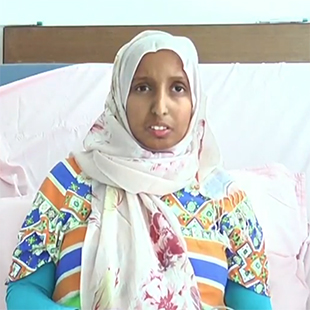
Bushra Masoud
Bushra Masoud
Bushra Masoud:Brain Tumor Treatment

Patient Testimonial: Bushra Masoud for Brain Marrow Treatment from Apollo Hospitals

Conditions treated by Peritoneal Dialysis

Frequently Asked Questions

Peritoneal Dialysis in Kochi typically costs between starts from USD 70. The final cost depends on the type of peritoneal dialysis, the patient's condition, the duration of treatment, the dialysis solutions and supplies required, the hospital, and the nephrologist's expertise. This estimated cost generally includes consultations, catheter placement (if required), dialysis supplies, training, laboratory tests, medications, and follow-up care. A personalized cost estimate is usually provided after reviewing the patient's medical records.

Some of the best hospitals in Kochi for Peritoneal Dialysis include:
  • Rajagiri Hospital
  • Choose an experienced nephrologist with expertise in managing peritoneal dialysis and chronic kidney disease. Reviewing the doctor's qualifications, experience, patient outcomes, and the quality of the dialysis program can help you make an informed decision. Seeking a second opinion is also recommended.

    Peritoneal Dialysis is a well-established and effective kidney replacement therapy that provides excellent outcomes for appropriately selected patients. Treatment success depends on adherence to the dialysis schedule, infection prevention, and regular follow-up with the nephrology team.

    Peritoneal Dialysis is generally safe, but potential risks include peritonitis, catheter-site infection, catheter blockage, fluid leakage, hernia, weight gain, electrolyte imbalance, and inadequate dialysis. Most complications can be managed effectively with prompt medical attention.

    Before travelling, gather your medical records, kidney function test results, dialysis history, medication list, passport, and complete an online consultation if available. Confirm your treatment schedule, accommodation, and visa requirements in advance. If you are already on peritoneal dialysis, discuss the transportation or availability of dialysis supplies with your healthcare provider.

    Yes, MediGence provides online consultations for international patients before travel. Nephrologists review your medical records and dialysis history to determine the most suitable treatment plan. This also helps you receive an estimated cost and travel guidance.

    Patients should bring a valid passport, visa, medical records, recent laboratory reports, dialysis prescription, medication list, catheter details (if applicable), and previous treatment records. These documents help ensure uninterrupted dialysis care.

    The duration of stay depends on your treatment needs. Patients travelling for catheter placement and training may stay for 1 to 3 weeks, while those requiring ongoing dialysis may remain longer based on their individualized treatment plan.

    Patients usually recover quickly after each dialysis exchange and can continue most normal daily activities. If a catheter is newly inserted, recovery generally takes 1 to 2 weeks before regular peritoneal dialysis can begin, depending on healing and medical advice.

    You can book your Peritoneal Dialysis in Kochi by following these simple steps:
  • Submit your medical records and recent dialysis reports for review.
  • Receive a personalized treatment plan and cost estimate from specialists.
  • Choose from leading hospitals and dialysis centers based on your preferences.
  • Schedule your catheter placement (if required), dialysis training, or treatment sessions.
  • Arrange your medical visa, travel, and accommodation before your visit.
  • Travel to Kochi and begin your treatment as planned.
  • Attend follow-up appointments and receive post-treatment guidance before returning home.
  • Kochi offers advanced nephrology care, experienced kidney specialists, internationally accredited hospitals, modern dialysis technologies, and comprehensive patient education programs. Patients also benefit from high-quality treatment and competitive healthcare costs.

    Not Sure About Your Treatment Plan? Get a Second Opinion

    Get your medical reports reviewed by experienced doctors to help you make a confident treatment decision, all online within 48 hours.

    Upload Your Reports
    Free second opinion on your CAR-T plan