Your Notifications
All done, no notifications

Hemodialysis Cost in Faridabad

Costs starts from USD300 to USD600
Filters

The average cost of Hemodialysis in Faridabad approximately starts from USD 300 - USD 600

Cost of Hemodialysis in Major Cities of India

CityMinimum Cost (USD)Minimum Cost (INR)Maximum Cost (USD)Maximum Cost (INR)
BangaloreUSD 30025692USD 60051384
ChennaiUSD 30025692USD 60051384
DelhiUSD 30025692USD 60051384
FaridabadUSD 30025692USD 60051384
GhaziabadUSD 30025692USD 60051384
GurgaonUSD 30025692USD 60051384
GurugramUSD 30025692USD 60051384
HyderabadUSD 30025692USD 60051384
KochiUSD 30025692USD 60051384
KolkataUSD 30025692USD 60051384
MumbaiUSD 30025692USD 60051384
NoidaUSD 30025692USD 60051384
PanjimUSD 27023123USD 54046246
RajkotUSD 27023123USD 54046246

Need Help Planning Your Treatment Abroad?

Your 24/7 AI Health Assistant

Hemodialysis is a treatment for advanced kidney failure that helps patients maintain an active life despite kidney malfunction. During hemodialysis, a machine filters waste, salts, and fluids from the blood when the kidneys can no longer perform this function properly.

With hemodialysis, patients must:

  • Follow a strict treatment schedule.
  • Take medications regularly.
  • Make dietary changes.

While hemodialysis is a significant responsibility, patients are supported by a dedicated healthcare team, including a kidney specialist and other professionals experienced in managing hemodialysis. It is also possible to perform hemodialysis at home with proper training and support.

What is the need for Hemodialysis

The doctor will help determine when you should start hemodialysis based on several factors, including

  • Patient’s overall health
  • kidney function
  • signs and symptoms
  • Quality of life
  • Personal preferences

Hemodialysis assists the body in regulating blood pressure and preserving the appropriate balance of fluids and essential minerals, such as potassium and sodium. Generally, hemodialysis begins before your kidneys have deteriorated to the point of causing life-threatening complications.

Types

In-Center Hemodialysis: Patients receive hemodialysis three times a week at a dialysis center, with each session lasting between 3 to 5 hours. This regimen is commonly followed by many individuals undergoing hemodialysis treatment.

Daily Hemodialysis: Daily hemodialysis entails more frequent but shorter sessions, usually administered at home over six or seven days a week, with each session lasting approximately two hours. This approach offers increased flexibility and convenience for patients managing their hemodialysis treatment regimen.

Hemodialysis is a life-sustaining treatment for patients with end-stage kidney disease or severe chronic kidney failure. When the kidneys can no longer filter out wastes, excess water, and toxins from the bloodstream, hemodialysis artificially does so. It is typically required when kidney function drops below 10–15%.

Seek a doctor if you have symptoms of kidney failure, such as fatigue, nausea, swelling, shortness of breath, high blood pressure, or changed urination. A nephrologist must regularly monitor patients with CKD to determine the necessity of dialysis.

Preparation involves creating a vascular access, either an arteriovenous (AV) fistula, graft, or a central venous catheter, several weeks before starting dialysis. You’ll need blood tests, infection screenings, and dietary counselling. Patients are educated about the procedure, dialysis schedule, and fluid and diet restrictions.

When hemodialysis is performed, blood is removed from the body through a vascular access and passed through a dialyser (a machine that functions similarly to a kidney), where excess water, waste materials, and toxins are eliminated. The purified blood is then returned to the body.

A session may last 3 to 5 hours and is usually given three times a week. Depending on their medical needs, some patients may need shorter or more frequent sessions.

  • Low blood pressure during dialysis
  • Muscle cramps
  • Dizziness
  • Infections at the access site
  • Blood clots
  • Anemia

Hemodialysis prolongs the life of patients with kidney failure, eliminates poisons, diminishes symptoms such as fatigue and swelling, and enhances overall health. It enables patients to maintain their kidney disease while waiting for a transplant or receiving long-term care.

There is no post-operative surgery following each dialysis treatment, although patients can get tired or be weak afterwards. Keeping the site healthy is a priority. Close follow-up visits, laboratory check-ups, and dietary compliance are integral components of continued care.

Though it is not a cure, hemodialysis is a good maintenance therapy. How long and with what quality of life one survives depends on age, general health, and how well one complies with the dialysis treatment. Many survive for 5–10 years or longer on dialysis, and some with good care do well for 20+ years.

Would you like some help? We are available.

Get Help
Explore Hospitals ( 3 )
Hemodialysis in Asian Institute of Medical Sciences: Costs, Top Doctors, and Reviews

Faridabad, India

  • National Accreditation Board for Testing and Calibration Laboratories (NABL)
  • National Accreditation Board for Hospitals & Healthcare Providers (NABH)

Types of Hemodialysis in Asian Institute of Medical Sciences and its associated cost

Treatment OptionApproximate Cost Range (USD)Approximate Cost Range (INR)
Overall Hemodialysis51 - 4054163 - 33456
In-Center Hemodialysis51 - 1014152 - 8292
Home Hemodialysis152 - 30512427 - 25015
Nocturnal Hemodialysis202 - 40716719 - 33341
  • Address: Asian Institute of Medical Sciences, Sector 21A, Faridabad, Haryana, India
  • Facilities related to Asian Institute of Medical Sciences: Post operative followup, Mobility Accessible Rooms, Online Doctor Consultation, Air Ambulance, Religious Facilities
Hemodialysis in Sarvodaya Hospital and Research Centre: Costs, Top Doctors, and Reviews

Faridabad, India

4.9 ( 4 Reviews )
  • National Accreditation Board for Hospitals & Healthcare Providers (NABH)
  • National Accreditation Board for Testing and Calibration Laboratories (NABL)

Types of Hemodialysis in Sarvodaya Hospital and Research Centre and its associated cost

Treatment OptionApproximate Cost Range (USD)Approximate Cost Range (INR)
Overall Hemodialysis51 - 4064181 - 33444
In-Center Hemodialysis51 - 1024173 - 8310
Home Hemodialysis152 - 30412476 - 24863
Nocturnal Hemodialysis204 - 40716682 - 33387
  • Address: Sarvodaya Hospital, Sector 8, Faridabad, Haryana, India
  • Facilities related to Sarvodaya Hospital and Research Centre: Post operative followup, Mobility Accessible Rooms, Online Doctor Consultation, Air Ambulance, Religious Facilities
Hemodialysis in Amrita Hospital: Costs, Top Doctors, and Reviews

Faridabad, India

  • National Accreditation Board for Hospitals & Healthcare Providers (NABH)

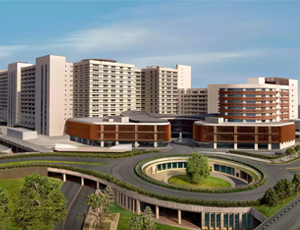
Founded in 1998 by Mata Amritanandamayi (Amma), the Amrita Institute of Medical Sciences and Research Centre is one of India’s leading healthcare institutions, accredited by ISO, NABH, and NABL. With 2 branches, 7 medical colleges, and a network of 800+ doctors and 2,600+ beds, it offers comprehensive care across 81 specialties and 12 super-specialty departments, supported by 60+ modern operating theatres and 534 critical care beds. The Faridabad campus, a world-class multispeciality facility, houses advanced centers for oncology, neurosciences, cardiac sciences, gastro-sciences, mother and child care, and trauma care, along with India’s most comprehensive infectious disease unit. Guided by a mission of compassion and innovation, Amrita Hospitals combine cutting-edge medicine with humanitarian service to empower communities and promote holistic well-being.

Need Some Advice From Our Experts?

Request a Call Back Now!

Our team of healthcare experts would be happy to assist you

trusted Patientstrusted Patients+99
Trusted by 50000+ Patients
Required | alphabets and spaces
Required | A valid, working email address
Required | A valid contact

Process Involved for Hemodialysis in Faridabad

  • Pre-Treatment Stage: The patient receives an initial evaluation that includes blood testing, imaging, and the setting up of a dialysis access (e.g., fistula or catheter).
  • Dialysis Stage: Blood is extracted from the patient and sent through a dialysis machine, which removes waste and excess fluids before restoring clean blood to the body. This treatment usually takes 3-5 hours and is repeated 3-4 times per week.
  • Immediate Post-Treatment Recovery: Following dialysis, patients may experience fatigue, low blood pressure, or lightheadedness, which usually passes with rest.
  • Follow-up Care: Regular monitoring of renal function, blood pressure, electrolytes, and dialysis access sites is required to determine efficacy and avoid complications.
  • End-Stage Kidney Disease (ESKD)
  • Acute Kidney Failure
  • Chronic Kidney Disease (CKD) in cases requiring dialysis
  • Toxic kidney injuries
  • Dialysis-related complications
  • End-stage kidney disease (ESKD) or acute renal failure occurs when the kidneys are unable to filter waste and excess fluids adequately.
  • Patients who are unable to have a kidney transplant or are awaiting a donor kidney.
  • Candidates with chronic diseases, such as diabetes or hypertension, which have resulted in renal failure.
  • Dialysis Access Creation
  • Vascular Surgery
  • Kidney Transplant
  • It eliminates toxins, extra fluids, and waste from the body.
  • Maintains electrolyte balance, preventing harmful imbalances.
  • Life-saving treatment for patients awaiting a kidney transplant or recovery.
  • Nephrologist
  • Fill out the inquiry form: Fill out the form to provide us with the relevant information about your condition.
  • Consult with Our Healthcare Expert: One of our qualified specialists will contact you for a consultation.
  • Receive a Detailed Treatment Plan: After examining your situation, we will provide you with a detailed treatment plan that includes expert views and cost breakdowns for various choices.
  • Choose your preferred option: Choose the treatment option that suits you the best.

Instantly Connect with our Hemodialysis Specialists

Doctor 1
Doctor 2
Doctor 3
Doctor 4
Doctor 5
Doctor 6
Doctor 7
Doctor 8
Our Services to Better your Experience

Opinion & Option

We submit the most accurate opinion and options from one or more countries for your review

Consult Privately

Consult with a certified specialist privately on our telemedicine platform even before you decide to travel

Logistics

We handle flights, visas, transfers, and accommodation—so you can focus on your health.

Recovery

Our In-house rehabilitation service packages to better your recovery and treatment outcome

Other Popular Countries for Hemodialysis

Our network connects you with the leading medical tourism destinations globally, offering a wide range of cities, top doctors, and flexible pricing options.

Thailand
Italy
Vietnam
United Arab Emirates

Frequently Asked Questions

The minimum cost of Hemodialysis in Faridabad is about $100. Only some of the best and certified hospitals in Faridabad perform Hemodialysisation for international patients.

Hemodialysis cost in Faridabad varies from one hospital to the other. There are many hospital who cover the cost of pre-surgical investigations of the patient in the treatment package. The Hemodialysis package in Faridabad includes the fees of the surgeon, hospitalization and anesthesia as well. Extended hospital stay, complications after the surgery or new diagnosis may affect the overall cost of Hemodialysis in Faridabad.

There are several best hospitals for Hemodialysis in Faridabad. For quick reference, the following are some of the leading hospitals for Hemodialysis in Faridabad:

Upon discharge from the hospital after Hemodialysis in Faridabad, the patients are advised to stay for about 5 days for recovery. This is important to ensure that the surgery was successful. During this time, control and follow-up tests take place to check for medical fitness.

Faridabad is considered to be one of the best places for Hemodialysis in the world. This is because of the availability of some of the best doctors, advanced medical technology and good hospital infrastructure. there are a select few destinations that provide comparable quality of healthcare for the procedure. Some of such cities are:

Apart from the Hemodialysis cost, there are a few other daily charges that the patient may have to pay. These are the chanrges for daily meals and hotel stay outside the hospital. The extra charges may vary from 25 USD.

The overall rating for hospitals providing Hemodialysis in Faridabad is 4.9. The average rating is based on several parameters such as cleanliness, fair pricing, and quality of care.

Out of all the hospitals in Faridabad, there are about 2 Hospitals best hospitals for Hemodialysis in Faridabad. These hospitals have the required infrastructure and a decided Hemodialysis unit where renal failure patients can be treated. Apart from good services, the hospitals are known to follow all standard and legal guidelines as dictated by the local medical affairs body or organization.

Some of the most sought after doctors for Hemodialysis in Faridabad are:

Author

Fauzia Zeb Fatima

M.Pharm

4 Years of Experience

Fauzia Zeb is a distinguished medical and scientific content writer with a robust academic foundation in pharmaceutical sciences, holding a B.Pharm and M.Pharm degree from prestigious institutions, including MIT and Jamia Hamdard University. Her comprehensive expertise in pharmacology, clinical sciences, and biomedical research enables her to translate complex medical and scientific concepts into precise, evidence-based content tailored for diverse audiences. Specializing in peer-reviewed articles, clinical blog posts, and research-driven publications, she demonstrates a consistent ability to bridge the gap between advanced medical science and accessible, audience-specific communication. . View More

Reviewer

Dr. Akash Khandelwal

Hematologist

9 Years of Experience

Dr. Akash Khandelwal is a distinguished Hematologist, Hemato-oncologist, and Bone Marrow Transplant (BMT) Physician with extensive training from the prestigious AIIMS New Delhi. His expertise encompasses a wide range of specialized techniques in bone marrow transplantation, including autologous and allogeneic transplants such as matched sibling donors, matched unrelated donors (MUD), and haploidentical donor transplants. Dr. Khandelwal has personally supervised and conducted over 100 bone marrow transplants. View More