Your Notifications
All done, no notifications

Hip Resurfacing Surgery Cost in Czechia

USD 2500 - USD 5000

Affordable World-class Treatment - Accredited Hospitals - Free Treatment Plan in 24 Hrs

3
Days in Hospital
2-3 hrs
Procedure Time
85 - 95%
Success Rate
JCI/ISO 100,000+ Patients 24X7 Coordinator Visa & Travel handled
Your all-in-one medical travel platform for treatment, recovery & care.

Get Your Personalised Treatment Plan in Just 24 Hours.

Share your details to receive a personalised treatment plan, estimated costs, hospital recommendations, and expert guidance, “completely free.”

Required | alphabets and spaces
Required | A valid, working email address
Required | A valid contact
Connect with an Expert

Your information is protected with HIPAA-compliant security standards. We only share your details with hospitals after your consent.

Estimated Treatment Cost
USD 2500 - USD 5000
All-inclusive • Hospital + Medications + Recovery Assistance + Dedicated Care Coordinator

International Quality. Affordable Care.

How Much Does Hip Resurfacing Surgery Cost in Czechia?

The cost of Hip Resurfacing Surgery in Czechia is USD 8000 - USD 20000

The total expenses may differ depending on the kind of procedure undergone, the patient's health, the hospital and region, the doctor's competence, and the required medical assistance before and after the procedure. Moreover, other factors like diagnostic tests, length of hospital stay, rehabilitation, follow-up consultations, and the use of drugs, special implants, and treatment methods can also impact the final price.

Factors Influencing the Cost of Hip Resurfacing Surgery:

  • Surgery Type: Treatment cost can differ based on whether one hip or both hips need to be treated. Bilateral hip resurfacing is normally more costly because it entails a longer surgery and more overall treatment.
  • Hospital and Location: Costs may be different among hospitals and cities. Providers in metropolitan areas or hospitals with advanced facilities and specialisation in orthopaedic surgery might charge more.
  • Surgeon’s Experience: The professional qualifications and experience of the orthopedic specialist have an impact on the fees charged by the physician.
  • Pre-Surgery Tests: Patients should have imaging studies like X-ray, MRI, CT scan and blood tests prior to the surgery. The type and number of imaging tests to be done can lead to an increase in the overall treatment cost.
  • Post-Surgery Care and Rehabilitation: Recovery may require physiotherapy, rehab, medications, wound dressing, follow-up appointments and ongoing reviews.
  • Length of Hospital Stay: Hospital stay length is determined by how complicated the procedure was in addition to how quickly the patient recovers. The longer a person stays in the hospital, the higher the costs incurred for lodging, treatment, and medication.

What's included in your Hip Resurfacing Surgery quote?

Hip Resurfacing Surgery
Bone-preserving surgery to relieve hip pain and restore joint function using a metal implant
Orthopaedic surgeon consultation
Pre-surgery evaluation, treatment planning, and post-operative follow-up consultations
Hospital stay & supportive care
Surgery, anaesthesia, inpatient care, nursing support, and recovery monitoring
Follow-up monitoring
X-rays, physiotherapy guidance, and routine post-surgery follow-up visits
Visa & medical-visa invite letter
Airport pickup & transfers

Cost of Hip Resurfacing Surgery in Major Cities of Czechia

CityCost (USD)
Brno $8,000 – $20,000 Explore More

Hip Resurfacing Surgery - Czechia Vs the World

$0 - $0
$4k - $6k
$6k - $12k
$6k - $16k
$8k - $12k
$9k - $13k
$10k - $17k
$15k - $25k
$15k - $25k
$16k - $28k
$17k - $22k
$18k - $25k
Dr. Abdullah Rahil
Author

MPT (Neuro)

7 Years of Experience

Dr. Abdullah Rahil, M.P.T. (Neurology), is a dedicated physiotherapy professional specializing in orthopedic, neurological, and musculoskeletal rehabilitation. With strong clinical expertise, he focuses on improving patient mobility, reducing pain, and restoring functional independence through evidence-based rehabilitation techniques. He is skilled in advanced therapeutic approaches that support effective rehabilitation and recovery for a wide range of musculoskeletal and neurological conditions, focusing on improving mobility, reducing pain, and restoring functional independence. Dr. Rahil has extensive experience managing diverse rehabilitation cases. His patient-centered approach emphasizes personalized treatment plans, continuous assessment, and comprehensive rehabilitation to achieve optimal recovery outcomes.
View More
Dr. Manoj Miglani
Reviewer

Orthopedic Surgeon

22 Years of Experience

Last Reviewed - June 2026

Known for his soft-spoken nature, Dr. Manon Miglani had completed his MBBS from Maulana Azad Medical College and MS (Ortho) for All India Institute of Medical Sciences. Dr. Miglani was awarded AO spine fellowship from Queen’s Medical Center, Nottingham and he also received Stryker fellowship in Arthroplasty from Indraprastha Apollo Hospital. Dr. Manon Miglani has provided his expert services to various hospitals of Delhi and NCR including AIIMS, Indraprastha Apollo, Jaipur Golden hospital, and Artemis hospital Presently, Dr. Manon is the additional director of Fortis, Vasant Kunj and senior consultant at Fortis, Shalimar Bagh.
View More

Need Help Choosing the Right Treatment? Talk to a Medical Advisor

Our dedicated Medical Patient Advisors are here to answer your questions, help you compare treatment options, estimate costs, and guide you through every step of your healthcare journey.

15 min
Average response time

Serving Patients Worldwide in Multiple Languages.

Hip resurfacing is a type of hip replacement surgery that uses implants to treat hip pain and stiffness caused by osteoarthritis and other conditions. These implants replace damaged tissue and bone, facilitating smoother movement. Men under 60 are the ideal candidates for hip resurfacing.

Conditions that are treated with hip resurfacing

  • Arthritis
  • Fracture
  • Increased stress on the bones because of obesity (overuse of the bones)
  • Congenital abnormalities
  • Necrosis (loss of blood supply)

Hip resurfacing surgery treats conditions that can damage the hip joint and may require replacement, including osteoarthritis, rheumatoid arthritis and osteonecrosis, where reduced blood flow leads to bone collapse. These conditions result in joint damage or shape changes, causing pain and limited mobility.

You should consult a doctor about hip resurfacing surgery if you have persistent hip pain that limits your range of motion, interferes with your everyday activities, or causes weakness in your hip joint even after non-surgical treatments like medication or physical therapy. Additionally, if you have hip arthritis or joint degeneration causing severe discomfort, a doctor can assess if you're a candidate for surgery.

The orthopaedic surgeon will evaluate your hip, order X-rays and blood tests, and review your medical history before hip resurfacing surgery. They'll also advise on medications to avoid and recommend quitting smoking to support healing. During the appointment, don't forget to ask questions.

Anaesthesia is given on the day of the operation to ensure minimal discomfort. A metal or ceramic cap is inserted after the surgeon creates incisions, removes infected bone and cartilage, and resurfaces the femur. The femur is then re-aligned and fitted into the new prosthetic socket.

Typically, hip resurfacing surgery takes 2-3 hours. The length of time may vary based on the type of prosthetic your surgeon employs and the extent of damage to your original hip joint.

  • Blood clot formation in leg veins
  • Infection
  • Fracture
  • Dislocation of sockets
  • Change in leg length
  • Nerve Damage

Hip resurfacing dramatically enhances quality of life through pain relief, increased strength, and improved mobility. It provides advantages like improved biomechanics, decreased risk of dislocation, and higher mobility for physical activities.

Following hip resurfacing surgery, patients usually require a 1-4 day hospital stay and many weeks of physical therapy to recover. Within a few days, most patients are able to walk with assistance, and over the course of six to twelve weeks, they can progressively resume their regular activities. Full recovery, including return to high-impact activities, may take 3\u20136 months, depending on individual healing and rehabilitation progress.

About 85% to 95% of people who have hip resurfacing surgery report significant pain reduction and increased mobility, making it a highly successful procedure, particularly for younger, active patients.

85-95%

Success rate for pain relief and improved hip function in suitable candidates

3–5 days

Typical hospital stay

6–12 weeks

Return to normal daily activities with rehabilitation and physiotherapy
Explore Hospitals ( 1 )

Brno, Czechia

137+ Procedures
JCI
Starting
USD 2500

Get Your Hip Resurfacing Surgery
Plan in 24 hrs.

Our experienced Medical Patient Advisors have supported 100,000+ patients across 120+ countries with personalised treatment plans, hospital recommendations, cost estimates, and travel assistance, all free.

HIPAA-Compliant Data SecurityShared Only with Your Consent

Free Consultation No Obligation Personalized Treatment Plan Response Within 24 Hours

Required | alphabets and spaces
Required | A valid, working email address
Required | A valid contact

Your medical info is kept HIPAA-style confidential. We never share with hospitals without your consent.

Process Involved for Hip Resurfacing Surgery in Czechia

  • Consultation with a specialist: An orthopedic surgeon evaluates the patient's hip condition, medical history, and lifestyle needs.
  • Preoperative Testing and Imaging: Preoperative testing and imaging include X-rays, MRIs, and CT scans to assess the joint's condition and design the operation.
  • Personalised Treatment Plan: The surgeon discusses implant possibilities, anesthetic options, and predicted recovery times.
  • Surgical Procedure: The damaged surface of the hip joint is removed, and the femoral head is resurfaced with a metal cap. The acetabulum (hip socket) is replaced with a metal component.
  • Postoperative Care: Pain management, physical therapy, and follow-up visits are all part of the postoperative recovery process to promote optimal healing and joint function.
  • Osteoarthritis
  • Rheumatoid Arthritis
  • Hip Dysplasia
  • Avascular Necrosis
  • Failed Previous Hip Surgery
  • Individuals with hip arthritis, especially younger individuals who are active and have high bone quality.
  • Patients with moderate to severe arthritis or hip joint wear who do not need a total hip replacement.
  • Candidates should have good bones and no other serious health issues that could complicate surgery.
  • Hip resurfacing maintains more natural bone than a complete hip replacement, allowing patients to maintain higher activity levels after surgery.
  • Metal-on-Metal Implants
  • Ceramic-on-Metal Implants
  • Ceramic-on-Ceramic Implants
  • Metal-on-Polyethylene Implants
  • Arthroscopy
  • Physical Therapy
  • Bone Grafting
  • Osteotomy
  • Preserves more bone than total hip replacement, which is advantageous for younger, more active people.
  • Reduces pain and stiffness while enhancing hip joint function.
  • Compared to standard hip replacement, this allows for better activity levels after surgery.
  • Enhances mobility and quality of life by restoring hip functionality.
  • Modern implants provide long-lasting durability.
  • Orthopedic Surgeon
  • Physiotherapist
  • Fill out the inquiry form: Fill out the form to provide us with the relevant information about your condition.
  • Consult with Our Healthcare Expert: One of our qualified specialists will contact you for a consultation.
  • Receive a Detailed Treatment Plan: After examining your situation, we will provide you with a detailed treatment plan that includes expert views and cost breakdowns for various choices.
  • Choose your preferred option: Choose the treatment option that suits you the best.
Jenny Wilson
Your Dedicated Medical Patient Advisor
Treatment planning • Hospital coordination • Multilingual support • Response within 15 minutes.
Our Services to Better your Experience

Opinion & Option

We submit the most accurate opinion and options from one or more countries for your review

Consult Privately

Consult with a certified specialist privately on our telemedicine platform even before you decide to travel

Logistics

We handle flights, visas, transfers, and accommodation—so you can focus on your health.

Recovery

Our In-house rehabilitation service packages to better your recovery and treatment outcome

Patient Stories

Kevin Stewart
Kevin Stewart
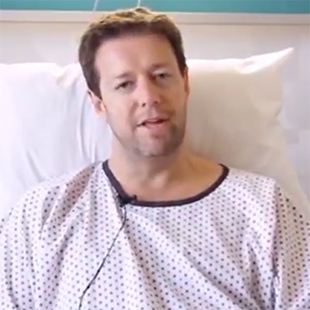
Kevin Stewart: Slip Disc Treatment in UAE

Kevin Stewart from Scotland could barely walk straight due to a Slip Disc. He faced many discomforts for the past…

Mr.Mohamed Dumia
Mr.Mohamed Dumia
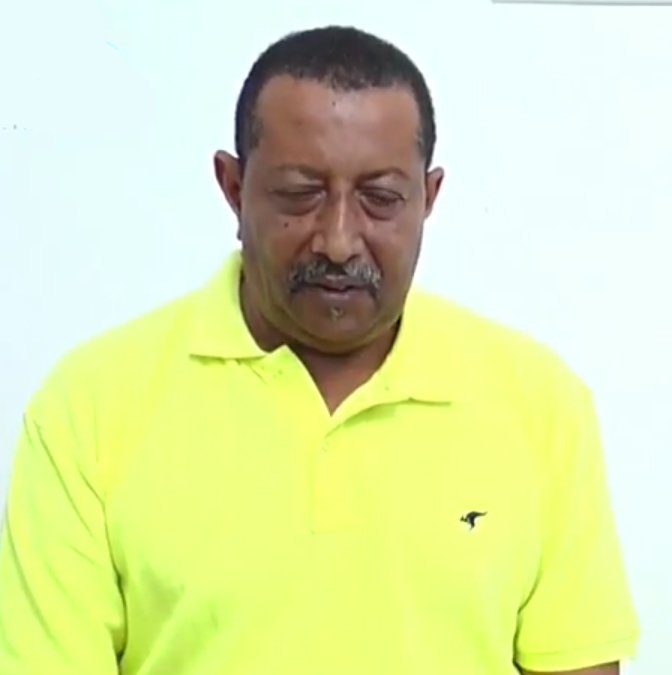
Mr.Mohamed Dumia: Knee Replacement

Mr. Muhammed Dumia was suffering from painful left Knee and was in considerable pain for the last 2 months. He…

Frequently Asked Questions

The cost of hip resurfacing surgery in Czechia is USD 8000 - 20000, and it varies depending on the patient's condition, type of implant, surgical technique, surgeon's expertise, hospital, diagnostic tests, anaesthesia, hospital stay, and rehabilitation requirements. Additional expenses may include medications, follow-up consultations, imaging, and post-operative physiotherapy.

Some of the best hospitals in Czechia for Hip Resurfacing Surgery include:
  • Czech Medical Center
  • Choose an orthopaedic surgeon with specialised experience in hip preservation and hip resurfacing procedures. Consider the surgeon's qualifications, experience with resurfacing implants, surgical volume, outcomes, hospital infrastructure, and ability to manage potential complications or revision surgery if required.

    The success rate of hip resurfacing surgery is approximately 85-95%. Hip resurfacing can provide significant pain relief and improved hip function in appropriately selected patients. Outcomes vary based on age, activity level, bone quality, implant selection, surgical technique, and the patient's overall health. There is no single success rate applicable to every patient.

    Hip resurfacing preserves more of the patient's natural femoral bone. Instead of completely removing the femoral head, the damaged surface is reshaped and covered with a component, while the damaged hip socket is replaced. In total hip replacement, the femoral head and socket are both replaced with prosthetic components.

    Hip resurfacing may be considered for selected patients with significant hip joint damage who have adequate bone quality and anatomy suitable for the procedure. It has traditionally been considered more often in younger, active patients, particularly when preserving femoral bone is an important consideration. A specialist evaluation is necessary to determine suitability.

    The longevity of a hip resurfacing implant varies according to the patient's age, activity level, bone quality, implant type, surgical technique, and other factors. Regular follow-up is important to monitor implant performance and identify potential problems early.

    Hip resurfacing may allow selected patients to return to a wider range of physical activities after adequate recovery. However, the timing and type of activity should be discussed with the surgeon. High-impact or contact sports may carry additional risks and should only be resumed when medically appropriate.

    Neither procedure is universally better. Hip resurfacing may offer advantages for carefully selected patients, including preservation of more femoral bone and a large femoral component. Total hip replacement may be more appropriate for patients with certain anatomical or bone-quality concerns. The choice should be based on individual clinical factors and specialist assessment.

    Depending on the hospital, surgeons may use advanced imaging and surgical planning, modern resurfacing implant systems, minimally invasive approaches, computer-assisted techniques, and enhanced-recovery protocols. The surgeon selects the appropriate technique based on the patient's hip anatomy, bone quality, and clinical requirements.

    Potential complications include infection, blood clots, fractures of the femoral neck, dislocation, implant loosening or wear, persistent pain, nerve or blood-vessel injury, and the need for revision surgery. Implant-related complications may also occur, depending on the implant type and patient factors.

    Patients should provide recent hip X-rays or other imaging, medical history, previous treatment records, medication lists, allergy information, and relevant blood-test reports in Czechia. The treating team may recommend additional investigations or medical clearance before surgery, depending on the patient's age and health.

    Yes. International patients can have an online consultation with an orthopaedic surgeon before travelling. The doctor can review imaging, symptoms, activity level, previous treatments, and medical history to determine whether hip resurfacing may be appropriate and discuss possible alternatives.

    Patients should carry their passport and relevant medical records, including recent hip X-rays or scans, blood-test reports, previous consultation notes, surgical records, medication lists, allergy information, and details of existing medical conditions.

    The duration depends on the patient's recovery, mobility, wound healing, rehabilitation progress, and the treating surgeon's recommendations. International patients generally need to remain in Czechia beyond the initial hospital stay for post-operative assessment and to ensure they are medically fit to travel.

    Recovery varies between patients. Walking and physiotherapy generally begin early after surgery, followed by progressive strengthening and mobility exercises. Many patients gradually return to routine activities over several weeks, while complete recovery and return to higher-impact activities may take several months.

    The treating orthopaedic team will assess the complication and provide appropriate treatment. Depending on the problem, management may include medication, physiotherapy, imaging, wound care, or additional surgery. International patients should receive clear instructions regarding follow-up and emergency care before returning home.

    International patients can submit their medical records through MediGence. The team can help arrange an online consultation with an appropriate orthopaedic surgeon, coordinate hospital selection and treatment planning, and assist with medical travel arrangements.

    Czechia may be considered for hip resurfacing because of the availability of experienced orthopaedic surgeons, modern joint-replacement facilities, advanced implant systems, diagnostic services, and rehabilitation support. Patients should compare hospitals based on surgeon expertise, implant quality, infrastructure, patient outcomes, and total treatment costs.

    Treatment options depend on the severity of hip damage and the patient's suitability for resurfacing. They may include conservative management, physiotherapy, medications, injections, hip resurfacing, or total hip replacement. The surgeon determines the most appropriate option after evaluating the patient's hip joint, bone quality, age, activity level, and overall health.

    Not Sure About Your Treatment Plan? Get a Free Second Opinion

    Have your reports reviewed by independent oncology experts to help you make a confident treatment decision, all online within 48 hours.

    Upload Your Reports
    Free second opinion on your CAR-T plan