Affordable World-class Treatment - Accredited Hospitals - Free Treatment Plan in 24 Hrs

Share your details to receive a personalised treatment plan, estimated costs, hospital recommendations, and expert guidance, “completely free.”
Your information is protected with HIPAA-compliant security standards. We only share your details with hospitals after your consent.
| City | Minimum Cost (USD) | Minimum Cost (SAR) | Maximum Cost (USD) | Maximum Cost (SAR) |
|---|---|---|---|---|
| Al Khobar | USD 10000 | 37500 | USD 15000 | 56250 |
| Riyadh | USD 10000 | 37500 | USD 15000 | 56250 |
| City | Cost (USD) | |
|---|---|---|
| Al Khobar | $10,000 – $15,000 | Explore More |
| Riyadh | $10,000 – $15,000 | Explore More |


Our dedicated Medical Patient Advisors are here to answer your questions, help you compare treatment options, estimate costs, and guide you through every step of your healthcare journey.
Vagus nerve stimulation (VNS) involves using an implantable device to stimulate the vagus nerve located in the neck. The electric impulses this device generates travel to the brain, where they modulate the activity of various brain cells. Often referred to as a "pacemaker for the brain," VNS is approved for the treatment of conditions such as difficult-to-control epilepsy, and depression, and as an aid for stroke rehabilitation.
Vagus nerve stimulation works like a pacemaker for your heart. VNS is sometimes called a “pacemaker for the brain.”
VNS is a treatment option that you and your surgeon might consider after other traditional treatments haven’t been successful. The use of VNS is limited to a select group of individuals who have treatment-resistant epilepsy or treatment-resistant depression. More recently, VNS has been approved as a rehabilitation aid for selected people who’ve had a stroke.
The classification of Vagus Nerve Stimulators (VNS) for epilepsy can be outlined based on various criteria, including:
Implantable vs. Non-Implantable:
A vagal nerve stimulator (VNS) is used to treat epilepsy when medicine alone is insufficient to control seizures. It is usually advised for people with drug-resistant epilepsy or those who have frequent, severe seizures. Over time, the device helps to lessen the frequency, severity, and length of seizures by regularly sending electrical impulses to the brain through the vagus nerve.
Consult a physician if you or your child suffers from severe side effects from epilepsy medications or if seizures are frequent or uncontrollable despite taking medication. Also, seek medical advice if you're considering alternative treatments like vagus nerve stimulation or if your implanted VNS device shows signs of malfunction (e.g., pain, swelling, or changes in seizure patterns).
Make sure you and your doctor agree that vagus nerve stimulation surgery is the best course of action by going over all available treatment choices before the procedure. Inquire about what to expect both during and following the process. You may need to stop certain medications and fast for several hours beforehand.
Typically, vagus nerve stimulation surgery is performed under general anaesthesia as an outpatient procedure. The surgeon makes two tiny incisions: one on the left side of the neck and one in the armpit or chest. A pulse generator is implanted in the chest and connected to the left vagus nerve in the neck via a lead wire tunnelled under the skin. The gadget lasts for years, is battery-operated, and is detachable if needed.
Implanting a vagus nerve stimulation (VNS) device usually takes one to two hours. Since it is typically an outpatient operation, most patients return home the same day.
Post-Surgery Side Effects:
Surgical Risks:
After using the gadget for months or even over a year, you may experience fewer seizures. Additionally, vagus nerve stimulation may speed up the healing process following a seizure. When vagus nerve stimulation is used to treat epilepsy, people may also experience improved emotions and general quality of life.
Approximately 45\u201365% of people with epilepsy can have a 50\u2013100% reduction in seizure frequency with vagus nerve stimulation (VNS), with the best results often shown during the sixth month of treatment.
50–70%
Reduced seizure frequency1–3 days
Typical hospital stay2–4 weeks
Typical recovery periodOur experienced Medical Patient Advisors have supported 100,000+ patients across 120+ countries with personalised treatment plans, hospital recommendations, cost estimates, and travel assistance, all free.
✓ Free Consultation ✓ No Obligation ✓ Personalized Treatment Plan ✓ Response Within 24 Hours
Your medical info is kept HIPAA-style confidential. We never share with hospitals without your consent.

Opinion & Option
We submit the most accurate opinion and options from one or more countries for your review
Consult Privately
Consult with a certified specialist privately on our telemedicine platform even before you decide to travel
Logistics
We handle flights, visas, transfers, and accommodation—so you can focus on your health.
Recovery
Our In-house rehabilitation service packages to better your recovery and treatment outcome

Ms Patience from Uganda travelled to India for cosmetic surgery in May 2017. She got her treatment done in Asian…

Lobna (from Sudan) was diagnosed with meningioma, a form of non-cancerous brain tumor. Her family members decided to take her…
The Vagal Nerve Stimulator for Epilepsy package cost in Riyadh varies from one hospital to another and may offer different benefits. The cost quoted by some of the best hospitals for Vagal Nerve Stimulator for Epilepsy in Riyadh generally covers the pre-surgery investigations of the patient. Typically, the package cost of Vagal Nerve Stimulator for Epilepsy in Riyadh includes the expenses related to the surgeon's fee, anesthesia, hospital, meals, nursing and ICU stay. Stay outside the package duration, port-operative complications and diagnosis of a new condition may further increase the Vagal Nerve Stimulator for Epilepsy cost in Riyadh.
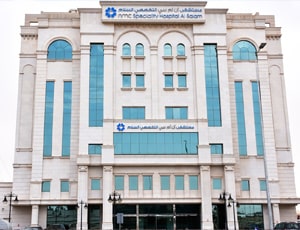
There are many hospitals that perform Vagal Nerve Stimulator for Epilepsy in Riyadh. The following are some of the most renowned hospitals for Vagal Nerve Stimulator for Epilepsy in Riyadh:
Upon discharge from the hospital after Vagal Nerve Stimulator for Epilepsy in Riyadh, the patients are advised to stay for about 24 days for recovery. This period is important to conduct all the follow-up tests to ensure that the surgery was successful and the patient can go back to the home country.
One of the topmost destinations for Vagal Nerve Stimulator for Epilepsy is Riyadh. It has a variety of accredited hospital, affordable cost of treatment and some of the best medical fraternity. Some of the other top destinations for Vagal Nerve Stimulator for Epilepsy include the following:
Apart from the cost of Vagal Nerve Stimulator for Epilepsy, the patient is also required to pay additionally for daily meals and guest house accommodation. These are the chanrges for daily meals and hotel stay outside the hospital. The extra charges may vary from 55 USD.
After Vagal Nerve Stimulator for Epilepsy surgery, the patient is supposed to stay for about 1 Days in the hospital for recovery and monitoring. The patient is subjected to several biochemistry and radiological scans to see that everything is okay and the recovery is on track. After making sure that patient is clinically stable, discharge is planned.
There are about 2 Hospitals in Riyadh that offer Vagal Nerve Stimulator for Epilepsy to international patients. These hospitals have the required infrastructure and a decided Vagal Nerve Stimulator for Epilepsy unit where renal failure patients can be treated. Apart from good services, the hospitals are known to follow all standard and legal guidelines as dictated by the local medical affairs body or organization.
Some of the most sought after doctors for Vagal Nerve Stimulator for Epilepsy in Riyadh are:
The public and private healthcare systems in Riyadh both offer high-quality care. Additionally, the government's Ministry of Health offers the general public almost 60% of its services, including outpatient care, professional services, hospitals, and primary healthcare facilities. All medical professionals in Riyadh are subject to regulation by the Saudi Commission for Health Specialties. The nation's public healthcare system is accessible to the government and residents of Riyadh. Furthermore, a variety of services are given at free cost, including GPs providing a variety of services, including Hospitalisation, Dentistry, and Medications on prescription. In Riyadh, foreign nationals can receive private medical care are hospitals, clinics, and health centers. In Riyadh, there is no standardized registration process because foreigners cannot use the public healthcare system. A person must enroll in private health insurance through their employer in order to receive a health insurance card. With the help of this card, you can pay for private healthcare providers and services like physicians' visits, hospital stays, and therapy sessions. Alternative and complementary therapies are frequently practiced in the city. These are referred to as Islamic Medicine in the neighborhood.
The hospitals in Riyadh deliver quality care and treatment. They are internationally recognized and accredited by healthcare organizations like JCI and ISO. Some of the top hospitals in the city include:
The doctors in Riyadh play a vital role in delivering top-level healthcare services focusing on each patient’s needs. Some of the top doctors in the city include:
Riyadh is an easily reachable city by train, bus, and flight. The nearest airport to Riyadh is Riyadh (RUH) Airport from where you can travel to the city by bus or cab. If you are planning to undergo treatment here, MediGence can assist you in planning your medical travel.
The public and private healthcare systems in Riyadh both offer high-quality care. Additionally, the government's Ministry of Health offers the general public almost 60% of its services, including outpatient care, professional services, hospitals, and primary healthcare facilities. All medical professionals in Riyadh are subject to regulation by the Saudi Commission for Health Specialties. The nation's public healthcare system is accessible to the government and residents of Riyadh. Furthermore, a variety of services are given at free cost, including GPs providing a variety of services, including Hospitalisation, Dentistry, and Medications on prescription. In Riyadh, foreign nationals can receive private medical care are hospitals, clinics, and health centers. In Riyadh, there is no standardized registration process because foreigners cannot use the public healthcare system. A person must enroll in private health insurance through their employer in order to receive a health insurance card. With the help of this card, you can pay for private healthcare providers and services like physicians' visits, hospital stays, and therapy sessions. Alternative and complementary therapies are frequently practiced in the city. These are referred to as Islamic Medicine in the neighborhood.
The hospitals in Riyadh deliver quality care and treatment. They are internationally recognized and accredited by healthcare organizations like JCI and ISO. Some of the top hospitals in the city include:
The doctors in Riyadh play a vital role in delivering top-level healthcare services focusing on each patient’s needs. Some of the top doctors in the city include:
Riyadh is an easily reachable city by train, bus, and flight. The nearest airport to Riyadh is Riyadh (RUH) Airport from where you can travel to the city by bus or cab. If you are planning to undergo treatment here, MediGence can assist you in planning your medical travel.
Have your reports reviewed by independent oncology experts to help you make a confident treatment decision, all online within 48 hours.
Upload Your Reports