Your Notifications
All done, no notifications

Spinal Cord Stimulation Cost in Fethiye

Costs starts from USD15000 to USD28000
Filters

Cost of Spinal Cord Stimulation in Major cities of Turkey

CityMinimum Cost (USD)Minimum Cost (TRY)Maximum Cost (USD)Maximum Cost (TRY)
AnkaraUSD 15000585900USD 280001093680
AntalyaUSD 15000585900USD 280001093680
BursaUSD 15000585900USD 280001093680
CanakkaleUSD 13500527310USD 25200984312
FethiyeUSD 13500527310USD 25200984312
IstanbulUSD 15000585900USD 280001093680
IzmirUSD 15000585900USD 280001093680
KocaeliUSD 15000585900USD 280001093680
KonyaUSD 15000585900USD 280001093680
SakaryaUSD 15000585900USD 280001093680
SamsunUSD 15000585900USD 280001093680
SivasUSD 13500527310USD 25200984312
TokatUSD 13500527310USD 25200984312
TrabzonUSD 13500527310USD 25200984312
UsakUSD 13500527310USD 25200984312
ZonguldakUSD 13500527310USD 25200984312

Need Help Planning Your Treatment Abroad?

Your 24/7 AI Health Assistant

Spinal Cord Stimulation is a minimally invasive procedure used to manage chronic nerve-related pain that does not respond to medications or conventional treatments. It involves implanting a small device under the skin that sends mild electrical signals to the spinal cord, blocking pain messages before they reach the brain. The procedure typically begins with a trial phase, during which temporary electrodes are placed to assess the patient’s response.

If pain relief is significant, a permanent spinal cord stimulator is implanted. This device features a pulse generator, leads, and a remote control, enabling patients to adjust stimulation settings as needed. The procedure is typically performed under local anaesthesia with sedation or general anaesthesia, depending on the patient’s condition.

Spinal Cord Stimulation is commonly used to treat conditions like failed back surgery syndrome, complex regional pain syndrome, and neuropathic leg or arm pain. While results vary, many patients experience long-term relief, reduced need for pain medications, and improved quality of life.

Spinal cord stimulation (SCS) is a procedure used to manage chronic, treatment-resistant nerve pain, especially in the back, legs, or arms. It involves implanting a device that sends mild electrical impulses to the spinal cord, which help block or modify pain signals before they reach the brain. SCS is commonly used to treat conditions such as failed back surgery syndrome (FBSS), complex regional pain syndrome (CRPS), peripheral neuropathy, and chronic leg or back pain unresponsive to other treatments. The goal is to relieve pain, reduce the need for medications, and improve function and quality of life.

You should consult a pain specialist or spine surgeon if you experience:
  • Chronic neuropathic pain that persists for more than 6 months
  • Pain that doesn’t improve with medications, physical therapy, or injections
  • Pain after spinal surgery (FBSS)
  • Intolerance to pain medications due to side effects
  • Consideration of long-term pain management alternatives
SCS is typically recommended after conservative treatments fail and diagnostic nerve blocks confirm nerve involvement.

Preparation for spinal cord stimulation includes:
  • Comprehensive pain assessment and imaging (MRI or CT)
  • Psychological evaluation to ensure readiness for implant therapy
  • A trial stimulation, where temporary electrodes are placed to test effectiveness
  • If the trial is successful, a permanent device is scheduled for implantation
  • Review of medications, especially blood thinners
  • Fasting for 6–8 hours before surgery
  • Detailed discussion of risks, benefits, and lifestyle adjustments with your physician

SCS is usually performed in two stages:Trial Phase:
  • Temporary electrodes are inserted into the epidural space via a needle
  • A small external stimulator delivers electrical pulses
  • Patients test the system for 3 to 7 days to assess pain relief
Permanent Implantation (if the trial is successful):
  • Electrodes are permanently placed near the spinal cord
  • A small pulse generator (battery pack) is implanted under the skin, usually in the buttock or abdomen
  • The system is programmed and adjusted externally with a handheld controller
The procedure is minimally invasive and typically done under local anaesthesia with sedation.

The trial procedure takes about 30 to 60 minutes. The permanent implantation usually takes 1 to 2 hours. Most patients go home the same day or after an overnight stay, depending on the case.

While SCS is generally safe, potential risks include:
  • Infection at the implant site
  • Bleeding or hematoma
  • Device malfunction or lead migration
  • Pain at the implant site
  • Spinal fluid leak
  • Allergic reaction to implant materials
  • Need for device revision or replacement
Complications are rare and often manageable with prompt medical attention.

  • Significant and long-term pain relief
  • Reduced reliance on opioids and pain medications
  • Minimally invasive, with reversible treatment
  • Adjustable stimulation levels to suit daily needs
  • Improved physical activity, sleep, and overall well-being
  • Beneficial for multiple chronic pain conditions, especially when surgery is not an option
Most patients report 50–70% pain relief with proper programming and follow-up.

Recovery from permanent implantation is generally quick. Patients are advised to avoid bending, twisting, or lifting heavy objects for a few weeks. Mild discomfort at the implant site is common and managed with medication. Light activities may resume in 1–2 weeks, with full recovery over 4–6 weeks. The device is programmed and adjusted during follow-up visits to maximise effectiveness.

Spinal cord stimulation has a success rate of 60–80% for reducing chronic nerve pain. Success is higher when patients are carefully selected and respond well to the trial phase. Long-term satisfaction is high, and the device can be reprogrammed or upgraded as needed.

Would you like some help? We are available.

Get Help
Explore Hospitals ( 1 )
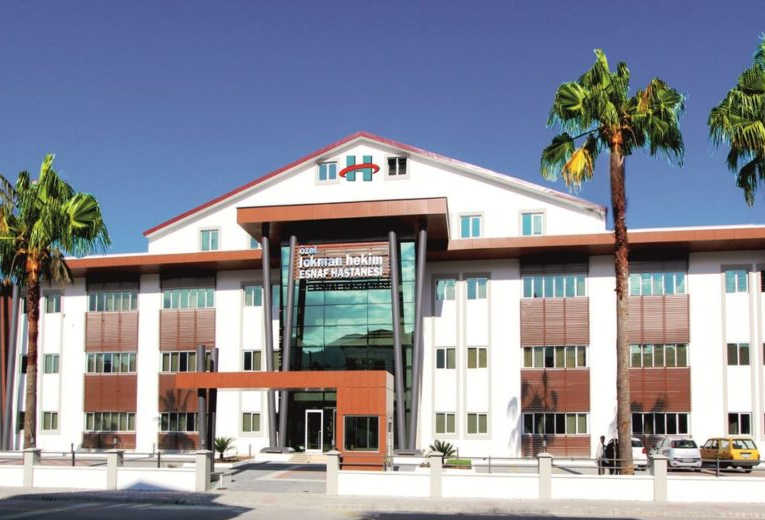
Spinal Cord Stimulation in Lokman Hekim Esnaf Hospital: Costs, Top Doctors, and Reviews

Fethiye, Turkey

  • Joint Commission International, or JCI

Lokman Hekim Esnaf Hospital located in Fethiye, Turkey is accredited by ISO. Also listed below are some of the most prominent infrastructural details:

  • The patients rooms have been designed to simulate hotel comfort; homely private rooms equipped with spacious en suite bathrooms, television and Wi-fi
  • Rehabilitation Center
  • Emergency Department
  • ICU
  • International Patient Department comprises of a Medical Doctor, a tourism doctor, a manager, an assistant manager and 7 officers

Need Some Advice From Our Experts?

Request a Call Back Now!

Our team of healthcare experts would be happy to assist you

trusted Patientstrusted Patients+99
Trusted by 50000+ Patients
Required | alphabets and spaces
Required | A valid, working email address
Required | A valid contact

Process Involved for Spinal Cord Stimulation in Fethiye

  • Diagnosis and Evaluation: Scans such as CT, MRI, or angiography are performed to locate the aneurysm and determine if clipping is the most suitable treatment option.
  • Preoperative Preparation: The patient undergoes health checks, stops certain medications if needed, and receives counselling about the surgery and recovery.
  • Anaesthesia and Positioning: The patient is administered general anaesthesia, and the head is positioned to provide optimal access to the aneurysm.
  • Craniotomy: A small portion of the skull is carefully removed to reach the aneurysm site.
  • Clipping the Aneurysm: A tiny metal clip is gently placed at the base of the aneurysm to stop blood flow and prevent the aneurysm from rupturing.
  • Closing the Skull and Wound: The skull bone is replaced and secured, and then the scalp is stitched or stapled to close the wound.
  • Immediate Recovery Monitoring: The patient is moved to the ICU, where brain activity and vital signs are closely monitored to detect any early complications.
  • Postoperative Care and Rehabilitation: Once stable, the patient begins recovery with medications, rest, and physiotherapy. Regular follow-ups and lifestyle changes support long-term healing.
  • Failed Back Surgery Syndrome: Pain that continues or returns after undergoing spinal surgery.
  • Complex Regional Pain Syndrome: A nerve-related pain disorder that affects a limb following injury or surgery.
  • ChronicBackPain: Long-term pain in the back that doesn’t respond well to conventional therapies.
  • Chronic Leg Pain: Ongoing leg discomfort caused by nerve compression or spinal issues.
  • Peripheral Neuropathy: A condition where peripheral nerves are damaged, resulting in discomfort such as burning, tingling, or numbness, often in the extremities like the hands or feet.
  • Arachnoiditis: Inflammation of the spinal nerve linings that leads to severe, burning-type pain.
  • Spinal Stenosis: Narrowing within the spinal column that can compress nerves and lead to pain.
  • Disc Herniation: When a spinal disc bulges or ruptures, pressing on nearby nerves and causing symptoms.
  • Nerve Injury: Persistent pain and sensory changes resulting from damaged nerves.
  • Ischemic Pain: Pain that arises due to limited blood flow, often affecting the lower limbs.
  • Initial Evaluation: The doctor reviews the patient’s medical history, pain symptoms, and previous treatments to determine if SCS is appropriate.
  • Psychological Assessment: A mental health evaluation is conducted to ensure the patient is emotionally and psychologically prepared for the implant.
  • Imaging tests, such as MRI, CT scans, or X-rays, are used to examine spinal structures and guide the placement of leads.
  • Trial Stimulation: A temporary stimulator is implanted to test how well it manages the patient’s pain over a few days.
  • Permanent Implantation: If the trial is successful, permanent leads and a pulse generator are surgically implanted.
  • Device Programming: The stimulation settings are adjusted using an external device to personalise pain relief.
  • Follow-up care: Regular check-ups are scheduled to monitor recovery, adjust settings as needed, and manage any potential complications that may arise.
  • Laminectomy
  • Discectomy
  • Foraminotomy
  • Epidurogram
  • TrialStimulation
  • LeadPlacement
  • GeneratorImplantation
  • Neuroablation
  • SpinalFusion
  • NerveBlock
  • PainRelief – Helps reduce chronic pain by disrupting pain signals before they reach the brain.
  • Medication Reduction – Lowers the need for long-term pain medications, especially opioids.
  • Improved Mobility – Enhances movement and physical function by managing pain more effectively.
  • Reversible – The system can be turned off or removed if it doesn’t provide relief.
  • Customisable – Stimulation settings can be adjusted to match individual pain patterns.
  • Minimally Invasive – The procedure involves small incisions, resulting in a shorter recovery time compared to traditional surgeries.
  • BetterSleep – Reducing pain often leads to improved sleep quality.
  • Enhanced Quality of Life – Overall well-being and daily functioning improve with sustained pain control.
False

Instantly Connect with our Spinal Cord Stimulation Specialists

Doctor 1
Doctor 2
Doctor 3
Doctor 4
Doctor 5
Doctor 6
Doctor 7
Doctor 8
Our Services to Better your Experience

Opinion & Option

We submit the most accurate opinion and options from one or more countries for your review

Consult Privately

Consult with a certified specialist privately on our telemedicine platform even before you decide to travel

Logistics

We handle flights, visas, transfers, and accommodation—so you can focus on your health.

Recovery

Our In-house rehabilitation service packages to better your recovery and treatment outcome

Other Popular Countries for Spinal Cord Stimulation

Our network connects you with the leading medical tourism destinations globally, offering a wide range of cities, top doctors, and flexible pricing options.

Singapore
Thailand
Spain
India

Frequently Asked Questions

Factors that raise the risk of Anapinal Cord Stimulation in Turkey include

  • Inadequate Rehabilitation: This may limit the overall benefit of stimulation.
  • Cardiovascular Issues: Heart conditions may interfere with safe surgery.
  • Smoking: Common among chronic pain patients, impacting recovery.
  • Infection risk, especially if post-operative care is not closely monitored.

Turkey’s internationally accredited pain clinics report a success rate of 75–80%, with consistent follow-up care improving long-term outcomes.

Centres like Medicana International Istanbul and Memorial Ataşehir Hospital specialise in Spinal Cord Stimulation, utilising up-to-date neurosurgical technology, continuous brain monitoring, and comprehensive treatment plans for neurological disorders.

The following are the precautions to take after a Spinal Cord Stimulation in Turkey :

  • Refrain from high-impact physical activity and swimming until fully healed.
  • Maintain hygiene at the surgical site to avoid post-op complications.
  • Attend scheduled visits for device setting optimisation.

Author

Fauzia Zeb Fatima

M.Pharm

4 Years of Experience

Fauzia Zeb is a distinguished medical and scientific content writer with a robust academic foundation in pharmaceutical sciences, holding a B.Pharm and M.Pharm degree from prestigious institutions, including MIT and Jamia Hamdard University. Her comprehensive expertise in pharmacology, clinical sciences, and biomedical research enables her to translate complex medical and scientific concepts into precise, evidence-based content tailored for diverse audiences. Specializing in peer-reviewed articles, clinical blog posts, and research-driven publications, she demonstrates a consistent ability to bridge the gap between advanced medical science and accessible, audience-specific communication. . View More

Reviewer

⁠Dr Rakesh Kumar Dua

Spine & Neurosurgeon

25 Years of Experience

Dr. Rakesh Dua has more than 25+ years of clinical experience in spine surgeries. He is currently providing his services as Director, Neuro & Spine Surgery at Fortis Hospital, Shalimar Bagh. Before joining Fortis Hospital, he was associated with Max super-specialist Hospital, Shalimar Bagh as Director Neurosurgery & Head Neuro Spine, and with UCMS & GTB hospital as head of the neurosurgery department. View More