Your Notifications
All done, no notifications

Lesionectomy Cost in Vietnam

USD 13000 - USD 24000

Affordable World-class Treatment - Accredited Hospitals - Free Treatment Plan in 24 Hrs

3
Days in Hospital
2-5 hrs
Procedure Time
85 - 95%
Success Rate
Lesionectomy
JCI/ISO 100,000+ Patients 24X7 Coordinator Visa & Travel handled
Your all-in-one medical travel platform for treatment, recovery & care.

Get Your Personalised Treatment Plan in Just 24 Hours.

Share your details to receive a personalised treatment plan, estimated costs, hospital recommendations, and expert guidance, “completely free.”

Required | alphabets and spaces
Required | A valid, working email address
Required | A valid contact
Connect with an Expert

Your information is protected with HIPAA-compliant security standards. We only share your details with hospitals after your consent.

Estimated Treatment Cost
USD 13000 - USD 24000
All-inclusive • Hospital + Medications + Recovery Assistance + Dedicated Care Coordinator

International Quality. Affordable Care.

How Much Does a Lesionectomy Cost in Vietnam?

In Vietnam, the cost of Lesionectomy typically falls between USD 13000 - USD 24000, depending on several variables, including the type, size, and location of the lesion being treated (such as epileptogenic brain lesions, tumors, cavernomas, or cortical dysplasia), the purpose of the surgery (most commonly for drug-resistant epilepsy or focal brain pathology), whether advanced imaging or intraoperative navigation is required, the hospital’s infrastructure, the neurosurgeon’s expertise, and the overall complexity of the procedure.

The overall cost may also be impacted by additional expenses for pre-operative neurological evaluations and imaging (MRI/CT, functional MRI, EEG and video-EEG monitoring if indicated), anaesthesia, intraoperative monitoring, hospital and ICU stays if required, post-operative medications, rehabilitation services, management of potential complications, and follow-up imaging and specialist consultations.

Factors Influencing the Cost of Lesionectomy

  • Type and Location of Lesion: Costs vary depending on the type of brain lesion being removed (such as epileptogenic foci, tumors, or vascular malformations) and its location. Lesions in deep or eloquent brain areas are typically more complex and expensive to treat.
  • Surgical Technique and Equipment: Use of advanced neurosurgical instruments, intraoperative neuronavigation, high-resolution imaging, and, in some cases, intraoperative EEG or functional mapping, can influence the overall procedure cost.
  • Hospital and Location: Leading hospitals in Hanoi, Ho Chi Minh City, and Da Nang charge higher fees due to state-of-the-art neurosurgical suites, ICU facilities, and specialised neuro-oncology or epilepsy surgery teams.
  • Surgeon’s Expertise: Experienced neurosurgeons skilled in lesion removal and functional preservation may charge higher consultation and surgical fees.
  • Complexity of the Case: Patients with prior brain surgery, atypical anatomy, or lesions in high-risk regions may require longer operative times, advanced imaging, or staged procedures, thereby increasing total cost.
  • Post-Operative Care: ICU or hospital stay, post-operative medications, rehabilitation (physical, occupational, or speech therapy if needed), and follow-up imaging and consultations all contribute to the overall treatment expense.

What's included in your Lesionectomy quote?

Comprehensive tests and imaging
MRI, CT scan, Functional MRI, EEG
Spine specialist team
Pre-operative assessment, surgery, post-operative management
Hospital stay + ICU as needed
3-7 days; neurological observation and pain management
Country stay monitoring
MRI scan, neurological evaluation, wound assessment, rehabilitation guidance
Visa & medical-visa invite letter
Airport pickup & transfers

Cost of Lesionectomy in Major Cities of Vietnam

City Cost (USD)
Can Tho $13,000 – $24,000 Explore More
Ha noi $10,400 – $19,200 Explore More
Ho Chi Minh $13,000 – $24,000 Explore More
Nha Trang $11,700 – $21,600 Explore More
Phu Quoc $11,700 – $21,600 Explore More

Lesionectomy - Vietnam Vs the World

$11k - $18k
$13k - $24k
$14k - $26k
$18k - $33k
$20k - $35k
$22k - $40k
$22k - $40k
$25k - $45k
$30k - $45k
$30k - $60k
$30k - $55k

Find the Right Destination for Your Lesionectomy Journey

Nimra Haseeb
Author

MSc Biochemistry

4 Years of Experience

Last Reviewed - June 2026

Miss Nimra Haseeb is a medical researcher and a scientific content writer. She holds a Bachelor’s degree in Biotechnology and a Master’s in Biochemistry from Integral University, Lucknow. With strong experience in healthcare research, she specializes in secondary research, clinical data analysis, and evidence-based medical writing. Her work focuses on transforming complex scientific and medical information into clear, accurate, and reliable healthcare content for patients and healthcare audiences. She is also experienced in interpreting medical studies and healthcare trends to deliver well-researched and informative content that supports better health awareness and decision-making.
View More
⁠Dr Rakesh Kumar Dua
Reviewer

Spine & Neurosurgeon

25 Years of Experience

Last Reviewed - June 2026

Dr. Rakesh Dua has more than 25+ years of clinical experience in spine surgeries. He is currently providing his services as Director, Neuro & Spine Surgery at Fortis Hospital, Shalimar Bagh. Before joining Fortis Hospital, he was associated with Max super-specialist Hospital, Shalimar Bagh as Director Neurosurgery & Head Neuro Spine, and with UCMS & GTB hospital as head of the neurosurgery department.
View More

Need Help Choosing the Right Treatment? Talk to a Medical Advisor

Our dedicated Medical Patient Advisors are here to answer your questions, help you compare treatment options, estimate costs, and guide you through every step of your healthcare journey.

15 min
Average response time

Serving Patients Worldwide in Multiple Languages.

Lesionectomy is a specialised brain surgery designed to remove abnormal tissue causing seizures or other neurological issues, especially in patients who do not respond well to medications. It targets specific brain lesions identified through detailed imaging and diagnostic evaluations.

The procedure involves opening a small part of the skull (craniotomy) to access and carefully remove the lesion, with the help of advanced tools like brain mapping and surgical navigation to avoid damage to healthy brain areas.

Lesionectomy can significantly reduce or stop seizures and may also improve cognitive and functional abilities. Recovery depends on the lesion’s location and complexity, and patients are often supported with short-term rehabilitation and ongoing medical follow-up.

A lesionectomy is a type of brain surgery performed to remove abnormal brain tissue (lesions) that are causing seizures or other neurological problems. These lesions may include tumours, vascular malformations, cortical dysplasia, scarring, or other abnormal brain structures. Lesionectomy is often used to treat drug-resistant epilepsy when seizures originate from a well-defined lesion identifiable on brain imaging. By removing the lesion, the surgery aims to reduce or eliminate seizures and preserve surrounding healthy brain tissue.

You should see a neurologist or neurosurgeon if you experience:

  • Frequent or uncontrolled seizures, especially if medications are ineffective
  • Neurological symptoms such as weakness, vision changes, speech difficulties, or memory problems
  • Changes in personality or cognition
  • Brain imaging (MRI, CT) that shows a lesion with unclear or suspicious features

Persistent neurological issues or structural brain abnormalities may indicate the need for further evaluation, possibly leading to surgical treatment like lesionectomy.

Preparation involves a comprehensive evaluation by a multidisciplinary epilepsy or neurology team:

  • Neuroimaging: MRI, PET, or CT scans to locate the lesion
  • EEG monitoring: To map seizure activity and confirm the lesion as the source
  • Neuropsychological testing: To assess memory, language, and cognitive functions
  • Functional MRI or brain mapping: To identify areas responsible for vital functions like speech or movement
  • Medication review: Some drugs may be paused or adjusted before surgery
  • Fasting: Usually required 6\u20138 hours before the procedure

Patients will meet with an anesthesiologist and surgeon to review risks, benefits, and expected outcomes.

  • Anaesthesia: The patient is placed under general anaesthesia.
  • Craniotomy: A portion of the skull is carefully opened to access the brain.
  • Navigation and Mapping: Advanced imaging and intraoperative brain mapping guide the surgeon to locate the lesion precisely.
  • Lesion Removal: The abnormal tissue is removed, taking care to avoid surrounding healthy or functional areas.
  • Closure: The bone flap is replaced, and the scalp is sutured.

Depending on the lesion's location and the patient's condition, surgery may last 2 to 6 hours.

A lesionectomy usually takes 2 to 6 hours, depending on lesion size, location, and complexity. Patients typically stay in the hospital for 3 to 7 days for observation and early recovery.

Although lesionectomy is generally safe, potential risks include:

  • Infection
  • Bleeding
  • Brain swelling
  • Neurological deficits (speech, memory, or motor issues, depending on location)
  • Seizures after surgery
  • Cerebrospinal fluid leakage
  • Anesthesia-related complications

These risks vary depending on the type, size, and location of the lesion in the brain.

  • Seizure reduction or elimination, especially in drug-resistant epilepsy
  • Improved quality of life, cognitive function, and independence
  • Minimal disruption to the surrounding brain tissue when precisely targeted
  • Increased effectiveness of medications post-surgery, if still required
  • It can sometimes eliminate the need for lifelong anti-seizure medication

Lesionectomy is a valuable option when the abnormal area can be safely removed.

After surgery:

  • Patients are initially monitored in the ICU and then transferred to a regular neurology unit.
  • Headaches, fatigue, or confusion are common during early recovery.
  • Physical, occupational, or speech therapy may be needed depending on outcomes.
  • Most patients resume light activities in 2 to 4 weeks and return to work or school within 6 to 8 weeks.
  • Follow-up includes neuroimaging, EEGs, and ongoing neurology consultations.

Patients must attend all post-operative visits and continue taking prescribed medications as advised.

Lesionectomy has a high success rate, especially in patients with focal epilepsy and identifiable lesions. Studies show that 60\u201380% of patients become seizure-free after surgery, and many experience improved cognitive and psychological function.

85-95%

Pain relief and improved function

3-7 days

Typical recovery period before resuming normal daily activities

1-3 months

Typical recovery to normal daily activities
Explore Hospitals ( 9 )

Ha noi, Vietnam

200+ Beds · 311+ Procedures
JCI

Ha noi, Vietnam

500+ Beds · 310+ Procedures
JCI

Ho Chi Minh, Vietnam

178+ Beds · 311+ Procedures
JCI

Ha noi, Vietnam

500+ Beds · 311+ Procedures
JCI

Phu Quoc, Vietnam

150+ Beds · 295+ Procedures
JCI

Ha noi, Vietnam

500+ Beds · 307+ Procedures
JCI

Da Nang, Vietnam

222+ Beds · 297+ Procedures
JCI

Nha Trang, Vietnam

150+ Beds · 297+ Procedures
JCI

Can Tho, Vietnam

155+ Beds · 297+ Procedures
JCI

Get Your Lesionectomy
Plan in 24 hrs.

Our experienced Medical Patient Advisors have supported 100,000+ patients across 120+ countries with personalised treatment plans, hospital recommendations, cost estimates, and travel assistance, all free.

HIPAA-Compliant Data SecurityShared Only with Your Consent

Free Consultation No Obligation Personalized Treatment Plan Response Within 24 Hours

Required | alphabets and spaces
Required | A valid, working email address
Required | A valid contact

Your medical info is kept HIPAA-style confidential. We never share with hospitals without your consent.

Process Involved for Lesionectomy in Vietnam

  • Preoperative Evaluation: This includes a neurological exam, EEG, MRI, and sometimes intracranial monitoring to localise the lesion.
  • Surgical Planning: Advanced imaging and brain mapping are used to plan a safe and precise lesion removal.
  • Surgery (Lesionectomy): The identified brain lesion is surgically removed through a craniotomy.
  • Intraoperative Monitoring: Brain function is continuously monitored to protect vital areas of the brain.
  • Postoperative Care: Includes observation in the ICU, pain management, and neurological assessments.
  • Rehabilitation: This may involve physical, occupational, or speech therapy, depending on the specific brain area affected.
  • Follow-up and Monitoring: Conduct long-term follow-up, including imaging and seizure monitoring, to assess outcomes and evaluate the effectiveness of treatment.
  • Drug-resistant epilepsy: Lesionectomy is performed when seizures persist despite optimal medication.
  • Low-grade gliomas: The surgery removes slow-growing brain tumours that contribute to seizure activity.
  • Cortical dysplasia: Abnormal brain tissue responsible for seizures is surgically eliminated.
  • Cavernous malformations: These vascular lesions, which cause recurrent seizures, are safely excised.
  • Gangliogliomas: Rare tumours made up of nerve and glial cells are removed to help manage epilepsy.
  • Dysembryoplastic neuroepithelial tumours (DNETs): Benign brain growths that trigger seizures are taken out.
  • Arteriovenous malformations (selected cases): Certain vascular abnormalities linked with seizures are treated surgically.
  • Benign brain lesions causing seizures: Non-cancerous brain abnormalities that generate seizures are targeted and removed.
  • Hamartomas: These non-cancerous tissue overgrowths are excised when they cause epilepsy.
  • Epileptogenic brain tumours: Tumours acting as a source of seizures are surgically treated.
  • Neurological evaluation to confirm seizure origin or lesion-related symptoms.
  • Imaging tests, such as MRI, CT scans, and PET scans, are used to locate the lesion accurately.
  • EEG or intracranial monitoring to identify abnormal electrical activity.
  • Surgical planning using neuronavigation and functional mapping.
  • Craniotomy to access the lesion in the brain.
  • Precise removal of the abnormal tissue causing seizures or symptoms.
  • Intraoperative monitoring is used to ensure the safety of the surrounding brain areas.
  • Closure of the surgical site and transfer to recovery or ICU for observation.
  • Postoperative imaging to confirm complete lesion removal.
  • Ongoing follow-up for seizure control and neurological function evaluation.
  • Craniotomy
  • Electrocorticography (ECoG)
  • Stereoelectroencephalography (SEEG)
  • Neuronavigation
  • Intraoperative MRI
  • Cortical mapping
  • Functional MRI (fMRI)
  • Brain biopsy
  • Intracranial EEG monitoring
  • Awake craniotomy
  • Seizure control in patients with drug-resistant epilepsy
  • Improved quality of life due to reduced or complete seizure freedom
  • Preservation of brain function by targeting only the lesion
  • Minimally invasive options are available in selected cases
  • Faster recovery time compared to extensive brain surgeries
  • Reduced medication dependence, often leading to dose reduction or discontinuation
  • Accurate diagnosis and treatment, when combined with advanced imaging and monitoring techniques
  • Please complete the form to provide us with relevant information about your condition.
  • Consult with Our Healthcare Expert: One of our qualified specialists will contact you for a consultation.
  • Receive a Detailed Treatment Plan: After examining your situation, we will provide you with a detailed treatment plan that includes expert opinions and a cost breakdown for various options.
  • Select your preferred option: Choose the therapy option that best suits your needs.
  • Seamless Organisation: We will manage all the details, including visas, flights, accommodations, and transfers, for a stress-free journey.
Jenny Wilson
Your Dedicated Medical Patient Advisor
Treatment planning • Hospital coordination • Multilingual support • Response within 15 minutes.
Our Services to Better your Experience

Opinion & Option

We submit the most accurate opinion and options from one or more countries for your review

Consult Privately

Consult with a certified specialist privately on our telemedicine platform even before you decide to travel

Logistics

We handle flights, visas, transfers, and accommodation—so you can focus on your health.

Recovery

Our In-house rehabilitation service packages to better your recovery and treatment outcome

Patient Stories

Ms Patience: Cosmetic Surgery
Ms Patience
Ms Patience: Cosmetic Surgery

Ms Patience from Uganda travelled to India for cosmetic surgery in May 2017. She got her treatment done in Asian…

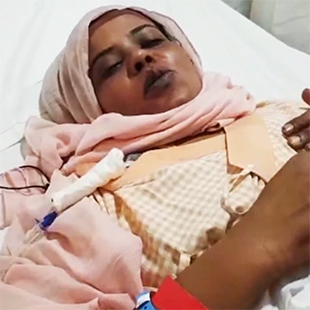
Patient Testimonial: Lobna from Sudan for Successful Open Craniotomy Surgery in India
Mrs. Lobna Salah Hassan
Mrs. Lobna Hasan from Sudan for Open Craniotomy Surgery in India

Lobna (from Sudan) was diagnosed with meningioma, a form of non-cancerous brain tumor. Her family members decided to take her…

Frequently Asked Questions

Lesionectomy is a targeted neurosurgical procedure in which a specific abnormal lesion in the brain is surgically removed to treat drug-resistant epilepsy or other neurological symptoms. Unlike more extensive surgeries, lesionectomy focuses only on removing the seizure-causing lesion while preserving surrounding healthy brain tissue.
The primary goal of lesionectomy is to eliminate or significantly reduce seizures, improve neurological function, and enhance quality of life.

Lesionectomy in Vietnam is commonly used to treat:
  • Drug-resistant focal epilepsy
  • Brain tumours causing seizures (benign or low-grade)
  • Cortical dysplasia
  • Cavernous malformations
  • Brain scars due to trauma or infection
  • Epileptogenic lesions identified on imaging
  • Lesionectomy treatment typically involves:
  • Pre-procedure evaluation: MRI, EEG, PET scans, and seizure mapping
  • Surgical approach: Precise removal of the epileptogenic lesion
  • Neuronavigation: Image-guided techniques to ensure surgical accuracy
  • Intraoperative monitoring: Continuous neurological and electrophysiological monitoring
  • Post-surgical care: Monitoring in the neuro-ICU followed by rehabilitation, if required
  • The procedure is performed under general anaesthesia by experienced epilepsy or neurosurgeons.

    Lesionectomy is generally safe, but potential risks may include:
  • Temporary or permanent neurological deficits
  • Infection or bleeding
  • Seizure recurrence
  • Cerebrospinal fluid (CSF) leak
  • Cognitive or speech changes, depending on lesion location
  • Careful lesion mapping and advanced surgical techniques help minimise complications.

    Leading hospitals and specialised epilepsy surgery centres in Vietnam offering lesionectomy include:
  • Vinmec Hai Phong
  • Vinmec Ha Long Hospital
  • Vinmec Central Park International Hospital
  • Vinmec Times City
  • Vinmec Smart City Hospital
  • These centres have advanced neuroimaging, epilepsy monitoring units, and experienced surgical teams.

    The duration of lesionectomy treatment depends on lesion size and location:
  • Pre-surgical evaluation: 1-2 weeks
  • Surgery duration: 3-6 hours
  • Hospital stay: 7-14 days
  • Recovery and follow-up: Several weeks to months
  • Many patients experience seizure improvement soon after surgery.

    Additional costs may include:
  • Advanced imaging and epilepsy monitoring studies
  • Functional brain mapping and neuropsychological tests
  • ICU or high-dependency unit care
  • Medications and post-operative therapy
  • Rehabilitation and follow-up consultations
  • The leading cities in Vietnam for lesionectomy procedures include:
  • Hanoi
  • Ho Chi Minh City
  • These cities offer advanced epilepsy surgery programmes and specialised neurosurgical care.

    Vietnam is an emerging destination for epilepsy surgery because of:
  • Access to skilled epilepsy neurosurgeons and multidisciplinary teams
  • Modern imaging and neuronavigation technology
  • High-quality treatment at affordable costs
  • Comprehensive patient-centred care
  • Support for international patients
  • The success rate of lesionectomy in Vietnam is high, with many patients achieving complete seizure freedom or significant seizure reduction, particularly when the lesion is well-defined.
    Outcomes depend on lesion type, location, seizure duration, and post-operative care.

    Not Sure About Your Treatment Plan? Get a Free Second Opinion

    Have your reports reviewed by independent oncology experts to help you make a confident treatment decision, all online within 48 hours.

    Upload Your Reports
    Free second opinion on your CAR-T plan