Lesionectomy is a specialised brain surgery designed to remove abnormal tissue causing seizures or other neurological issues, especially in patients who do not respond well to medications. It targets specific brain lesions identified through detailed imaging and diagnostic evaluations.
The procedure involves opening a small part of the skull (craniotomy) to access and carefully remove the lesion, with the help of advanced tools like brain mapping and surgical navigation to avoid damage to healthy brain areas.
Lesionectomy can significantly reduce or stop seizures and may also improve cognitive and functional abilities. Recovery depends on the lesion’s location and complexity, and patients are often supported with short-term rehabilitation and ongoing medical follow-up.
Here are the signs and symptoms of Lesionectomy,

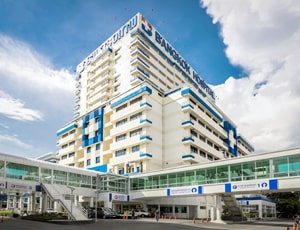
Bangkok, Thailand
One of the most renowned and honoured hospital networks in Asia- Pacific is Bangkok Dusit Medical Se...more
Phone in Room
Foreign Currency Exchange
Rehabilitation
Free Wifi

Singapore, Singapore
Mount Elizabeth Hospital is a multispecialty healthcare facility operated by Parkway Health. The hos...more
SIM
Free Wifi
Translator
Health Insurance Coordination

Seoul, South Korea
Catholic kwandong university international St Mary hospital is one of its kind hospitals in Korea. I...more
International Patient's Lounge
Interpreter
Local Transportation Booking
Accommodation Services

Pediatric Neurosurgeon
Faridabad, India
25 of experience
USD 35 for video consultation

Spine & Neurosurgeon
25 Years of Experience
Dr. Rakesh Dua has more than 25+ years of clinical experience in spine surgeries. He is currently providing his services as Director, Neuro & Spine Surgery at Fortis Hospital, Shalimar Bagh. Before joining Fortis Hospital, he was associated with Max super-specialist Hospital, Shalimar Bagh as Director Neurosurgery & Head Neuro Spine, and with UCMS & GTB hospital as head of the neurosurgery department. View More