Your Notifications
All done, no notifications

Cost of Keyhole Spine Surgery Worldwide

Costs starts from Get a Quote
Filters

Keyhole spine surgery, also known as minimally invasive spine surgery, is a modern technique that treats spinal conditions through small incisions. It uses specialised tools and real-time imaging to access the spine with minimal disruption to surrounding muscles and tissues.

This procedure is commonly used for herniated discs, spinal stenosis, or nerve compression. Patients typically experience less pain, reduced blood loss, shorter hospital stays, and faster recovery compared to traditional open surgery.

Keyhole spine surgery is performed under general anaesthesia and often requires only a few stitches. It offers a safer alternative with excellent long-term outcomes when performed by experienced spine surgeons.

Keyhole spine surgery, also known as minimally invasive spine surgery (MISS), is performed to treat various spinal conditions with reduced trauma to muscles and tissues. It is often used to address herniated discs, spinal stenosis, spinal instability, degenerative disc disease, or to remove tumours and infections. The procedure minimises incision size and recovery time while aiming to relieve chronic back pain, leg pain, or nerve compression. It may also be recommended when conservative treatments like physical therapy or medications have failed to provide relief.

You should consult a spine specialist if you experience any of the following symptoms:
  • Persistent or worsening back or neck pain
  • Radiating pain into the arms or legs
  • Numbness, tingling, or weakness in limbs
  • Difficulty walking or balancing
  • Loss of bladder or bowel control (a medical emergency)
These may signal severe spinal conditions that may require imaging studies and possibly surgical intervention, such as keyhole spine surgery.

Preparation typically includes:
  • A detailed physical examination
  • MRI, CT scans, or X-rays to localise the spinal issue
  • Review of current medications, especially blood thinners, which may need to be paused
  • Fasting for 6–8 hours before the procedure if general anaesthesia is used
  • Discuss allergies, medical history, and potential surgical risks with your doctor
Patients should also arrange for someone to assist them post-surgery and during recovery.

  • Incision & Access: A small incision (usually less than 1 inch) is made. Surgeons use a tubular retractor to create a channel to the spine without cutting large muscles.
  • Microscopic Tools: With the aid of a surgical microscope or endoscope, the surgeon visualises the spinal structures.
  • Treatment: Damaged discs, bone spurs, or other problematic tissues are removed or repaired.
  • Closure: Once completed, the incision is closed with minimal sutures or skin adhesive, and a small bandage is applied to the area.
This technique is highly targeted and avoids significant disruption to surrounding tissues.

Keyhole spine surgery typically lasts between 1 and 3 hours, depending on the complexity and the area being treated. Patients may be discharged the same day or after a brief hospital stay.

While generally safe, potential risks include:
  • Bleeding
  • Infection
  • Nerve injury
  • Spinal fluid leakage
  • Blood clots
  • Incomplete symptom relief
  • Reaction to anaesthesia
Need for further surgery (rare)

  • Smaller incisions and less muscle damage
  • Shorter hospital stay (often outpatient)
  • Reduced pain and faster recovery
  • Lower infection risk
  • Minimal blood loss
  • Improved mobility and function
  • High satisfaction rates among patients
MISS has revolutionised spinal care by making treatment safer, faster, and more efficient.

After the procedure:
  • Patients are monitored for a few hours or overnight
  • Mild discomfort or soreness around the incision site is common
  • Most can walk the same day
  • Return to light activities within 1–2 weeks
  • Avoid heavy lifting and strenuous activity for 4–6 weeks
  • Follow-up appointments and physical therapy may be recommended to optimise recovery
Following your surgeon’s instructions is key to a smooth and successful recovery.

Keyhole spine surgery has a high success rate, often exceeding 90–95%, especially for targeted conditions like herniated discs or spinal stenosis. It effectively reduces pain, improves nerve function, and enhances quality of life with minimal risk and downtime.

Would you like some help? We are available.

Get Help
Explore Hospitals ( 220 )
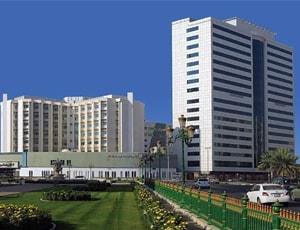
Keyhole Spine Surgery in NMC Royal Hospital Sharjah: Costs, Top Doctors, and Reviews

Sharjah, United Arab Emirates

3.3 ( 5 Reviews )
  • Joint Commission International, or JCI

NMC Royal Hospital Sharjah located in Sharjah, United Arab Emirates is accredited by JCI. Also listed below are some of the most prominent infrastructural details:

  • This is a multispecialty hospital with all the latest amenities and state of the art equipment.
  • It has the best of doctors, surgeons, and allied healthcare professionals who are completely dedicated to patient care.
  • It comprises the below mentioned smart healthcare facilities which make getting treated at this hospital a comfortable and satisfying experience for the patients.
  • High-end operation theatre
  • 24*7 ambulance service which has all emergency equipment
  • 24*7 emergency services
  • Option of a free overnight stay for one parent for child up to 12 years of age
  • International patient care center
  • Special men and women health package
Keyhole Spine Surgery in Phyathai 2 International Hospital: Costs, Top Doctors, and Reviews

Bangkok, Thailand

  • Joint Commission International, or JCI

Phyathai 2 International Hospital located in Bangkok, Thailand is accredited by JCI. Also listed below are some of the most prominent infrastructural details:

  • Fully equipped rooms are available for convenience of the patients- Gold B Room, Gold A Room, Pediatric Gold A, Platinum room, and Prestige ward
  • Nearby accommodations are also available- Abloom Service Apartments, Bangkok Patio, VIB Best Western Sanam Pao, VIC3 Hotel
  • Operating room
  • International Patient Medical Center to assist overseas patients
Keyhole Spine Surgery in ParkCity Medical Centre: Costs, Top Doctors, and Reviews

Kuala Lumpur, Malaysia

  • Joint Commission International, or JCI

In Kuala Lumpur, Malaysia, ParkCity Medical Centre is a 300-bed, cutting-edge, interdisciplinary private hospital that provides award-winning private healthcare in an environment of lush vegetation.

Keyhole Spine Surgery in Florence Nightingale Hospital: Costs, Top Doctors, and Reviews

Istanbul, Turkey

  • Joint Commission International, or JCI

The first green hospital in Turkey, Istanbul Florence Nightingale Hospital, was inaugurated in 2013. Group The Florence Nightingale hospitals are the first Turkish hospitals to be granted Joint Commission International (JCI) accreditation, and they continue to be associated and work with esteemed healthcare organizations.

The Florence Nightingale Group treats 250,000 outpatients and 70,000 inpatients annually, demonstrating its excellence. The hospitals have a capacity of 804 inpatient beds, 141 ICU beds, and 40 operating rooms, and perform 20,000+ procedures annually, of which 1,000 are cardiac operations for children and 2,000 are for adults. For conducting difficult orthopedic, general surgery, minimally invasive, and other heart treatments, the facility stands out. All operating rooms can be interconnected by audio-visual to a 300-person conference room and global hubs, enabling interactive medical teaching and scientific activity.

Interpreter and translator services for languages such as Turkish, Azerbaijani, Bulgarian, Arabic, English, Persian, Serbian, Russian, Albanian, Macedonian, German, Bosnian, and Romanian are available.

The hospital has specialized departments such as Cardiology and Cardiac Surgery, IVF and Infertility, Nephrology, Oncology and Oncosurgery, Spine Surgery, Neurology and Neurosurgery, Orthopedics, Gynecology, and Obesity or Bariatric Surgery. With an extensively qualified and experienced team of advisors and interpreters, Florence Nightingale Istanbul is committed to providing one-stop service from beginning to end, 24 hours a day, 7 days a week.

Keyhole Spine Surgery in Parkway East Hospital: Costs, Top Doctors, and Reviews

Singapore, Singapore

  • Joint Commission International, or JCI

Parkway East Hospital located in Joo Chiat Pl, Singapore is accredited by JCI. Also listed below are some of the most prominent infrastructural details:

  • Total capacity for 143 beds
  • Hospital rooms are available- Single room, 2-bedded room (8), 4-bedded room (2), Deluxe room, and Orchid/Hibiscus Suite
  • All rooms are equipped with all ensuite facilities like Free wifi, mini fridge, sofa couch, telephone, in-room safe, TV, etc.
  • Maternity wards- Accredited as a baby-friendly hospital under the World Health Organisations Baby-Friendly Hospital Initiative (BFHI)
  • 1 Neonatal Intensive Care Unit (NICU) with 14 cots
  • Intensive Care Unit
  • 1 Operation Theatre with 5 Operating rooms
  • 1 Nursery with 30 cots
  • 1 Parentcraft room
  • 24-hour walk-in-clinic (for emergency)
  • 24-hour Pharmacy
Keyhole Spine Surgery in Krabi Nakharin International Hospital: Costs, Top Doctors, and Reviews

Krabi, Thailand

  • Joint Commission International, or JCI

Krabi Nakharin International Hospital located in Krabi, Thailand is accredited by JCI. Also listed below are some of the most prominent infrastructural details:

  • Capacity of Imported electronically adjustable 100 beds
  • Housing Facility in VIP Rooms, Deluxe Rooms, Superior Rooms, 2-Beds room, 9-Beds room
  • All rooms are fully equipped with Smart TV, Refrigerator with soft drinks, Wi-fi, sofacumbed, personal nurse call system, telephone for local & international calls, Microwave,
  • Main meals and snacks are also included
  • Medical Technology includes- 64-slice CT scan, MRI, Fluoroscopy Examination, Digital Mammogram, Computed Radiography and 4D-Ultrasound
  • 14 Treatment Centers and Clinics
  • 24*7 Intensive Care Unit (ICU)
  • Outpatient Department (OPD)
  • Emergency Department
Keyhole Spine Surgery in NPISTANBUL Brain Hospital: Costs, Top Doctors, and Reviews

Istanbul, Turkey

5.0 ( 1 Reviews )
  • Joint Commission International, or JCI

NPISTANBUL Brain Hospital located in Istanbul, Turkey is accredited by ISO, JCI. Also listed below are some of the most prominent infrastructural details:

  • 24/7 Emergency Psychiatry service with a private ambulance
  • Turkeys first and only A-class ultra-clean Operating Room
  • Advanced Toxicology Validation Laboratory service is provided as Addiction Clinic (NPAMATEM)
  • International Patient Center
  • Accommodation assistance in nearby hotels, apartments, lodges, etc.
  • 24-hour translation services for international patients
  • In-house Pharmacy
Keyhole Spine Surgery in Subang Jaya Medical Centre: Costs, Top Doctors, and Reviews

Kuala Lumpur, Malaysia

  • Joint Commission International, or JCI

Subang Jaya Medical Center is renowned for pioneering radiation oncology treatments and infrastructure in Malaysia. The hospital also has a state-of-the-art Cancer Radiosurgery Centre (CRC), which is fully furnished with the latest medical technology for cancer detection, monitoring, and treatment.

Keyhole Spine Surgery in Gleneagles Hospital Mumbai: Costs, Top Doctors, and Reviews

Mumbai, India

  • Joint Commission International, or JCI
  • Gleneagles Hospital, Parel, Mumbai, is a premier quaternary-care multispeciality hospital and a top destination for complex medical care in Western India.
  • Renowned for multi-organ transplants and advanced surgeries, the hospital offers specialised treatment across Cardiology, Neurology, Gastroenterology, Hepatology, Nephrology, Urology, Orthopaedics, Critical Care, Interventional Radiology, Gynaecology, and General Medicine.
  • Equipped with state-of-the-art diagnostic and surgical technology, including 3-Tesla MRI, 128-slice CT Scan, Bi-plane Cath Lab, and robotic surgery systems, Gleneagles provides integrated, patient-focused care.
  • Its expert team of doctors, nurses, and support staff ensures high standards of safety, efficiency, and compassionate care, making it a trusted healthcare destination for patients in Mumbai and beyond.
Keyhole Spine Surgery in Saudi German Hospital: Costs, Top Doctors, and Reviews

Dubai, United Arab Emirates

4.6 ( 1 Reviews )
  • Joint Commission International, or JCI

Saudi German Hospital located in Dubai, United Arab Emirates is accredited by ISO, JCI. Also listed below are some of the most prominent infrastructural details:

  • Saudi German Hospital is spread over 41,062 square meters.
  • Many kinds of rooms are available for patients based on their needs and requirements from General Ward, Economy rooms, Deluxe, Super Deluxe to Royal suites.
  • It is a healthcare services umbrella providing diverse healthcare services.
  • The hospital comprises 37 ICU, 21 NICU,11 PICU and 11 Bed capacity for stroke unit.
  • 30 beds capacity of the 24/7 emergency unit
  • The hospital comprises a medical tourism department under its efforts to better connect with and help international patients.
  • Translators available in many languages such as English, French, Arabic, German, Russian, Turkish, Italian and more.
  • 316 bed capacity of the Saudi German Hospital, Dubai.

Need Some Advice From Our Experts?

Request a Call Back Now!

Our team of healthcare experts would be happy to assist you

trusted Patientstrusted Patients+99
Trusted by 50000+ Patients
Required | alphabets and spaces
Required | A valid, working email address
Required | A valid contact

Process Involved for Keyhole Spine Surgery

Initial Evaluation and Diagnosis

  • The doctor reviews your symptoms and performs physical exams and spinal imaging.
  • Imaging tests, such as MRI or CT scans, provide detailed views to identify the specific area and cause of the spinal problem.

Detailed Consultation and Counselling

  • The surgical process, risks, expected benefits, and outcomes are clearly explained.
  • Patients are encouraged to ask questions and provide consent only after they have a complete understanding.

Preoperative Guidelines

  • You may be asked to fast for 6–8 hours before the surgery to prepare for anaesthesia.
  • Certain medications may need to be adjusted, especially blood thinners or diabetes medications.

Hospital Admission and Preparation

  • Depending on the patient's condition and hospital protocol, admission may occur either on the day of surgery or one day prior.
  • Basic tests are performed, and the surgical area is prepared and marked.

Anaesthesia and Positioning

  • General anaesthesia is administered so you are unconscious and pain-free.
  • The body is gently positioned to allow safe and accurate surgical access.

Minimally Invasive Surgical Technique

  • A small incision is made near the affected spine segment.
  • Special instruments and a microscope or endoscope are used to navigate safely.

Targeted Treatment of the Problem Area

  • The damaged disc, compressed nerve, or bone fragment is removed or repaired.
  • In some cases, spinal fusion or support devices may be placed to stabilise the spine.

Closing the Incision and Recovery Room Transfer

  • The incision is closed using sutures or skin glue for faster healing.
  • You’re moved to a recovery area where vital signs are continuously monitored.

Post-Surgery Observation and Pain Control

  • Pain relief is provided through oral or IV medication as needed.
  • Early movement is encouraged, and most patients start walking the same day.

Safe Discharge and Home Recovery Plan

  • Patients are usually discharged within 24 to 48 hours if stable.
  • Detailed instructions on activity limits, medications, and wound care are given.

Follow-Up and Rehabilitation Support

  • Scheduled follow-ups help track healing progress and prevent complications.
  • Physiotherapy may be recommended to restore strength and spinal mobility.
  • Bulging or Slipped Disc: When spinal discs push out of place and irritate nearby nerves.
  • Narrow Spinal Canal (Spinal Stenosis): Causes nerve compression and pain due to reduced space in the spine.
  • Nerve Root Compression (Sciatica): Causes sharp or burning pain that radiates down the leg, typically due to irritation or pressure on the sciatic nerve.
  • Worn-Out Discs (Degenerative Disc Disease): Discs lose cushioning over time, leading to discomfort and reduced movement.
  • Vertebral Slippage (Spondylolisthesis): Occurs when one vertebra shifts forward over another, affecting spinal stability.
  • Minor Spinal Fractures: Fractures from injury or weak bones that can be stabilised through minimally invasive techniques.
  • Unstable Spine Segments: Unnatural motion between vertebrae that leads to chronic back pain or nerve issues.
  • Nerve Entrapment: When surrounding tissues or discs press on a spinal nerve, causing pain or numbness.
  • Select Non-Cancerous Tumours: Small, non-aggressive spine tumours may be removed using a keyhole approach.
  • Initial Assessment: A thorough medical evaluation is conducted, including physical exams and imaging tests such as MRI or CT scans, to confirm the need for surgery.
  • Pre-Surgical Preparation: The patient receives guidance on when to stop eating and drinking, how to manage current medications, and details about the hospital admission process. The type of anaesthesia and possible surgical risks are also clearly explained beforehand.
  • Anaesthesia and Positioning: The patient is placed under general anaesthesia and carefully positioned—usually face down—for safe and accurate access to the spine.
  • Creating a Small Incision: A tiny cut (usually under 2 cm) is made on the back. Muscles are gently moved aside using special instruments without cutting them.
  • Using a Microscope or Endoscope: A camera or microscope is inserted to provide a clear, magnified view of the spine, helping the surgeon operate with great precision.
  • Surgical Correction: The damaged part—like a slipped disc or bone spur—is removed or repaired using specialised tools inserted through the same small opening.
  • Wound Closure: Once the procedure is complete, the small cut is sealed using either surgical glue or a single stitch, followed by the application of a light dressing to protect the area.
  • Post-Surgery Monitoring: The patient is observed in a recovery room and discharged within 1–3 days. Follow-up care typically includes medication, exercise guidance, and, in some cases, physical therapy.
  • Discectomy
  • Laminectomy
  • Foraminotomy
  • Fusion
  • Vertebroplasty
  • Kyphoplasty
  • Decompression
  • Stabilisation
  • Corpectomy (in select cases)
  • Nucleoplasty
  • Smaller Incision: Less cutting means reduced scarring and faster healing.
  • Less Pain: Minimal tissue damage leads to lower pain levels after surgery.
  • Faster Recovery: Most patients return to normal activities much sooner than with open surgery.
  • Shorter Hospital Stay: Many can go home within 1–3 days.
  • Lower Risk of Infection: Smaller wounds reduce the chance of postoperative infections.
  • Preserves Muscle Strength: Muscles are gently moved aside, rather than cut, which helps maintain mobility.
  • Less Blood Loss: The minimally invasive technique helps reduce bleeding during surgery.
  • Better Precision: Surgeons use high-definition cameras or microscopes for improved accuracy.
False
  • Please complete the form to provide us with relevant information about your condition.
  • Consult with Our Healthcare Expert: One of our qualified specialists will contact you for a consultation.
  • Receive a Detailed Treatment Plan: After examining your situation, we will provide you with a detailed treatment plan that includes expert opinions and a cost breakdown for various options.
  • Select your preferred option: Choose the therapy option that best suits your needs.
  • Seamless Organisation: We will manage all the details, including visas, flights, accommodations, and transfers, for a stress-free journey.

Instantly Connect with our Keyhole Spine Surgery Specialists

Doctor 1
Doctor 2
Doctor 3
Doctor 4
Doctor 5
Doctor 6
Doctor 7
Doctor 8
Our Services to Better your Experience

Opinion & Option

We submit the most accurate opinion and options from one or more countries for your review

Consult Privately

Consult with a certified specialist privately on our telemedicine platform even before you decide to travel

Logistics

We handle flights, visas, transfers, and accommodation—so you can focus on your health.

Recovery

Our In-house rehabilitation service packages to better your recovery and treatment outcome

Author

Dr. Vijita Jayan

BPT, MPT (Neuro)

18 Years of Experience

With over 18 years of distinguished clinical experience, Dr. Vijita Jayan is a highly accomplished Clinical Director and Rehabilitation Specialist, renowned for her expertise in neuro-rehabilitation, functional recovery, and mobility-dependent case management. Her extensive practical knowledge enables her to design and implement individualized, evidence-based rehabilitation protocols that consistently yield measurable patient outcomes. A prolific researcher and academic writer, she has authored numerous peer-reviewed articles and research papers, significantly advancing the field of rehabilitative medicine. The recipient of multiple prestigious accolades, Dr. Jayan is widely regarded as one of the foremost authorities in Physical Medicine and Rehabilitation, continually shaping neuro-rehabilitative care through research, innovation, and clinical excellence.. View More

Reviewer

⁠Dr Rakesh Kumar Dua

Spine & Neurosurgeon

25 Years of Experience

Dr. Rakesh Dua has more than 25+ years of clinical experience in spine surgeries. He is currently providing his services as Director, Neuro & Spine Surgery at Fortis Hospital, Shalimar Bagh. Before joining Fortis Hospital, he was associated with Max super-specialist Hospital, Shalimar Bagh as Director Neurosurgery & Head Neuro Spine, and with UCMS & GTB hospital as head of the neurosurgery department. View More