Your Notifications
All done, no notifications

Foraminotomy Cost in Malaysia

Costs starts from USD8000 to USD14000
Filters

How Much Should a Foraminotomy Cost in Malaysia?

The average price for a Foraminotomy in Malaysia typically ranges between USD 8000 - USD 14000. Still, actual expenses may vary depending on the type of surgery, the quality of the hospital, and the region where the procedure is performed.

This estimate usually covers the initial consultation, imaging scans, diagnostics, surgery itself, hospital stay, and basic follow-up care.

However, the final cost may increase depending on the patient’s overall health, the complexity of spinal compression, and any additional interventions recommended by the medical team.

Factors Influencing the Cost of Foraminotomy in Malaysia

Factors Influencing the Cost of Foraminotomy in Malaysia,

Cost of Foraminotomy in Major cities of Malaysia

CityMinimum Cost (USD)Minimum Cost (MYR)Maximum Cost (USD)Maximum Cost (MYR)
Kuala LumpurUSD 800033920USD 1400059360

Foraminotomy Cost : A Global Comparison

CountryMinimum CostMinimum Local CurrencyMaximum CostMaximum Local Currency
HungaryUSD 9000HUF 3213720USD 15000HUF 5356200
IndiaUSD 6000INR 513840USD 9000INR 770760
IsraelUSD 15000ILS 53100USD 24000ILS 84960
JordanUSD 9000JOD 6390USD 14000JOD 9940
LithuaniaUSD 11000LTL 37628USD 17000LTL 58152
MalaysiaUSD 8000MYR 33920USD 14000MYR 59360
PolandUSD 7000PLN 26320USD 12000PLN 45120
Saudi ArabiaUSD 10000SAR 37500USD 18000SAR 67500
SingaporeUSD 15000SGD 19350USD 28000SGD 36120
South AfricaUSD 8000ZAR 143760USD 15000ZAR 269550
South KoreaUSD 11000KRW 15135780USD 20000KRW 27519600
SpainUSD 10000ESP 1470399USD 18000ESP 2646718
SwitzerlandUSD 20000CHF 16600USD 35000CHF 29050
ThailandUSD 8000THB 261680USD 15000THB 490650
TunisiaUSD 6000TND 17880USD 11000TND 32780
TurkeyUSD 6000TRY 234360USD 11000TRY 429660
United Arab EmiratesUSD 11000AED 40370USD 20000AED 73400
United KingdomUSD 12000GBP 8880USD 22000GBP 16280
VietnamUSD 5500VND 143706695USD 10000VND 261284900

Need Help Planning Your Treatment Abroad?

Your 24/7 AI Health Assistant

A foraminotomy is a type of surgery performed on the spine to relieve a pinched nerve. Your spine is made of small bones stacked on top of each other, and between these bones are small openings called foramina. They are small openings that allow nerves to pass from the spine to various parts of the body.

Sometimes, these openings become too small. This can occur due to conditions such as swelling, the growth of extra bone (known as bone spurs), or a slipped disc. When the opening is too tight, the nerve gets squeezed. That can cause pain, tingling, or weakness in your arms, legs, or back.

In a foraminotomy, the doctor makes a small cut on your back near where the problem is. Then, using specialised tools, they move the muscles aside and carefully remove a small amount of bone or tissue that is pressing on the nerve. This gives the nerve more space and helps it work better again.

The surgery typically lasts only one to two hours. After the operation, you’ll rest in a recovery area while nurses check on you. Most kids and adults can go home the same day or the day after.

Afterwards, you’ll need to rest and avoid heavy lifting. Your doctor may prescribe simple exercises to help your back heal.

This surgery helps many people feel much better and move around more easily without pain.

Foraminotomy is performed to relieve nerve root compression caused by narrowing (stenosis) of the neural foramen , the passageways through which nerves exit the spinal column.It’s commonly used to treat radiculopathy, where spinal nerves are pinched due to herniated discs, bone spurs, or arthritis.The procedure alleviates neck/back pain, numbness, tingling, and limb weakness by creating more space for the affected nerves

Consult a spine specialist if you experience persistent nerve-related pain in the arms or legs, numbness, tingling, or weakness, especially if conservative treatments like medications, physical therapy, or injections fail.If imaging (MRI or CT) shows foraminal stenosis with nerve impingement, surgery may be recommended.Foraminotomy is indicated when quality of life is significantly impacted by nerve compression.

Preparation includes MRI or CT scan to assess the extent and exact location of the nerve compression.You’ll undergo routine blood tests and pre-anesthesia evaluations.Patients are advised to stop blood thinners or anti-inflammatory medications, fast before surgery, and arrange post-op assistance for a few days.

Under general or regional anesthesia, a small incision is made in the back or neck over the affected spinal level.Using microsurgical or minimally invasive tools, the surgeon removes part of the bone, ligament, or disc material compressing the nerve.Foraminotomy may be done alone or combined with discectomy or spinal fusion if instability is present.

The surgery usually takes 1 to 2 hours, depending on the number of spinal levels treated and the surgical approach.It’s often performed as an outpatient or short-stay procedure, and most patients go home the same or next day.Minimally invasive techniques further reduce operation and recovery time.

  • Bleeding or infection at the surgical site
  • Spinal fluid leak (dural tear)
  • Nerve damage (rare but possible)
  • Persistent or recurrent symptoms if decompression is incomplete
  • Instability of the spine requiring future fusion (if significant bone is removed) Careful surgical planning and technique reduce most complications.

  • Relieves pressure on spinal nerves, improving pain, strength, and sensation
  • Minimally invasive option for nerve decompression
  • Preserves spinal stability in most cases
  • Short recovery time and less postoperative pain compared to open spine surgeries
  • High patient satisfaction when symptoms are well-matched with imaging findings

Patients can often walk on the same day of surgery.Initial recovery includes mild pain, soreness, and restrictions on lifting or twisting for 2–4 weeks.Most return to work within 2–4 weeks, depending on job demands.Physical therapy may be advised to restore spinal strength and flexibility.

Foraminotomy has a success rate of 85–95% in relieving nerve compression symptoms, especially in well-selected patients.Outcomes are best when pain is localized to a single nerve root with clear imaging correlation.Many patients experience long-term relief without needing fusion or further surgeries.

Would you like some help? We are available.

Get Help
Explore Hospitals ( 7 )
Foraminotomy in Prince Court Medical Centre: Costs, Top Doctors, and Reviews

Kuala Lumpur, Malaysia

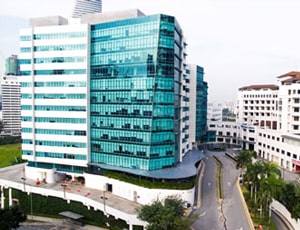
Prince Court is a private medical facility in the center of Kuala Lumpur that has 277 individual beds. Our dedication is to provide you with the best treatment possible from the time you arrive until you depart, healthier and happier. We are well-known for our top-notch facilities, cutting-edge technology, and friendly customer service.

Foraminotomy in Parkway Pantai: Costs, Top Doctors, and Reviews

Kuala Lumpur, Malaysia

  • Joint Commission International, or JCI

Parkway Pantai located in Kuala Lumpur, Malaysia is accredited by JCI. Also listed below are some of the most prominent infrastructural details:

  • Capacity of 335 beds
  • 200+ specialist Doctors
  • Critical Care Unit
  • Neonatal Intensive Care Unit
  • Operating Theatre
  • International Patient Care Center
  • Types of rooms available- Premier Suite, Supreme Suite, Deluxe Single Room, 2-bedded room, 4-bedded room, Deluxe Suite, Premier Single room, and Supreme Single room
Foraminotomy in Sunway Medical Centre: Costs, Top Doctors, and Reviews

Kuala Lumpur, Malaysia

  • The Australian Council on Healthcare Standards (ACHS)

Sunway Medical Centre has initiated a comprehensive expansion plan close to its current hospital facility to enhance its ability to provide services to the global market. The new Cancer Radiosurgery Center and Nuclear Medicine Center, which will also house additional Centers of Excellence like the Digestive Health Center and Dialysis Center, marked the completion of Tower C's first phase in October 2016.

Foraminotomy in ParkCity Medical Centre: Costs, Top Doctors, and Reviews

Kuala Lumpur, Malaysia

  • Joint Commission International, or JCI

In Kuala Lumpur, Malaysia, ParkCity Medical Centre is a 300-bed, cutting-edge, interdisciplinary private hospital that provides award-winning private healthcare in an environment of lush vegetation.

Foraminotomy in Subang Jaya Medical Centre: Costs, Top Doctors, and Reviews

Kuala Lumpur, Malaysia

  • Joint Commission International, or JCI

Subang Jaya Medical Center is renowned for pioneering radiation oncology treatments and infrastructure in Malaysia. The hospital also has a state-of-the-art Cancer Radiosurgery Centre (CRC), which is fully furnished with the latest medical technology for cancer detection, monitoring, and treatment.

Foraminotomy in Ara Damansara Medical Centre: Costs, Top Doctors, and Reviews

Kuala Lumpur, Malaysia

  • Joint Commission International, or JCI

Situated at the junction of Petaling Jaya and Shah Alam, close to the Oasis Ara, Ara Damansara Medical Centre boasts a serene, luxurious ambiance.

The Centre has been awarded several prestigious awards such as the Global Health Asia Pacific Awards 2023, Newsweek Best Specialized Hospital APAC 2023, Healthcare Asia Awards 2023, and Malaysian Healthcare Wellness Excellence.

Foraminotomy in Bukit Tinggi Medical Centre: Costs, Top Doctors, and Reviews

Kuala Lumpur, Malaysia

As a tertiary care hospital, Bukit Tinggi Medical Centre (BTMC) is committed to providing high-quality, reasonably priced healthcare.

With a focus on patient care and a team of committed medical professionals and personnel, we want to realize our ambition of becoming Klang's go-to healthcare provider. Orthopedics, neurosurgery, cardiac surgery, obstetrics and gynecology, pediatrics and rehabilitation, aesthetic surgery, and other specialties are all part of our multidisciplinary team approach. Additionally, BTMC has a Health Screening Center that provides a range of health packages to meet the requirements of diverse patient types.

Need Some Advice From Our Experts?

Request a Call Back Now!

Our team of healthcare experts would be happy to assist you

trusted Patientstrusted Patients+99
Trusted by 50000+ Patients
Required | alphabets and spaces
Required | A valid, working email address
Required | A valid contact

Process Involved for Foraminotomy in Malaysia

  • Evaluation: The doctor reviews symptoms, conducts a physical examination, and orders imaging tests, such as an MRI or CT scan, to confirm nerve compression.
  • Diagnosis Confirmation: Specific spinal level and cause of nerve compression are identified, and foraminotomy is considered based on severity and failed conservative treatments.
  • Preoperative Preparation: Routine blood tests, anaesthesia evaluation, and patient education are done; fasting instructions and consent are obtained.
  • Surgical Procedure: A small incision is made near the affected spinal area, and bone or tissue compressing the nerve in the foramen is removed.
  • Recovery Room Monitoring: The patient is observed for stable vital signs, with pain managed and early complications assessed.
  • Postoperative care includes pain management, wound care, and early mobilisation, all of which are guided by the care team. Discharge may occur within 24 to 48 hours.
  • Rehabilitation: Physical therapy is started to strengthen muscles, improve flexibility, and prevent recurrence.
  • Follow-up: Regular checkups and imaging may be scheduled to ensure proper healing and monitor for any returning symptoms.
  • Radiculopathy: Pain, tingling, or weakness caused by nerve root compression in the spine. Foraminotomy relieves pressure by enlarging the nerve passageway.
  • Spinal Stenosis: Narrowing of spinal spaces that pinches nerves, causing pain or numbness. The procedure helps create more room to reduce nerve irritation.
  • Herniated Disc: A disc pushes out and presses on the spinal nerves, leading to back or leg pain. Foraminotomy may help relieve nerve pressure caused by the herniation.
  • Bone Spurs: Bony overgrowths from arthritis or ageing that compress nearby nerves.
    Removing or bypassing spurs during surgery helps reduce pain and improve function.
  • Degenerative Disc Disease: Worn-out discs can shrink or collapse, pinching nerves and causing chronic pain. Foraminotomy provides nerve space to alleviate symptoms associated with disc degeneration.
  • Sciatica: Radiating leg pain from sciatic nerve irritation, often from spine issues.
    Decompression through foraminotomy can reduce leg pain and improve mobility.
  • Nerve Compression: General compression from discs, bones, or tissue pressing on spinal nerves. Foraminotomy directly opens the narrowed foramina to relieve that pressure.
  • Anaesthesia Administration: General or local anaesthesia is given to keep the patient comfortable and pain-free during the procedure.
  • Positioning the Patient: The patient is carefully positioned (usually face down) to allow access to the affected spinal area.
  • Incision and Exposure: A small skin incision is made, and the soft tissues are gently retracted to expose the spine.
  • Removal of Bone/Tissue: A part of the bone or disc material compressing the nerve in the foramen is removed.
  • Nerve Decompression: The spinal nerve is gently freed from any surrounding pressure to restore function and relieve pain.
  • Wound Closure: The surgical site is closed with sutures or staples, and a sterile dressing is applied.
  • Postoperative Observation: The patient is monitored in the recovery room for vital signs, pain control, and any early complications that may arise.
  • Laminectomy
  • Discectomy
  • Laminotomy
  • Spinalfusion
  • Facetectomy
  • Microdiscectomy
  • Decompression
  • Reduces nerve pressure: Eases the compression on spinal nerves that causes pain or numbness.
  • Enhances movement, allowing for better flexibility and physical activity after healing.
  • Minimally invasive option: This procedure can be performed through small incisions, resulting in less tissue disruption.
  • Shorter hospital time: Many patients are discharged within one day.
  • Decreases medication use: May lower the need for long-term pain medications.
  • Maintains spine motion: The natural structure of the spine remains intact.
  • Speeds up recovery: Often leads to quicker rehabilitation compared to traditional spine surgeries.
False
  • Please complete the form to provide us with relevant information about your condition.
  • Consult with Our Healthcare Expert: One of our qualified specialists will contact you for a consultation.
  • Receive a Detailed Treatment Plan: After examining your situation, we will provide you with a detailed treatment plan that includes expert opinions and a cost breakdown for various options.
  • Select your preferred option: Choose the therapy option that best suits your needs.
  • Seamless Organisation: We will manage all the details, including visas, flights, accommodations, and transfers, for a stress-free journey.

Instantly Connect with our Foraminotomy Specialists

Doctor 1
Doctor 2
Doctor 3
Doctor 4
Doctor 5
Doctor 6
Doctor 7
Doctor 8
Our Services to Better your Experience

Opinion & Option

We submit the most accurate opinion and options from one or more countries for your review

Consult Privately

Consult with a certified specialist privately on our telemedicine platform even before you decide to travel

Logistics

We handle flights, visas, transfers, and accommodation—so you can focus on your health.

Recovery

Our In-house rehabilitation service packages to better your recovery and treatment outcome

Other Popular Countries for Foraminotomy

Our network connects you with the leading medical tourism destinations globally, offering a wide range of cities, top doctors, and flexible pricing options.

Singapore
Thailand
Turkey
India

Frequently Asked Questions

Factors that raise the risk of Foraminotomy :

  • Smoking slows tissue repair and increases the risk of infection.
  • Bone loss or weakness can cause complications during the procedure.
  • Poor organ function, such as kidney or liver issues, may affect recovery.
  • A lack of essential nutrients can hinder post-surgery healing.

Data from Southeast Asia, including Malaysia, indicate that endoscopic lumbar foraminotomy results in 90–91% of patients experiencing marked pain relief and restored mobility at follow-up.

Prince Court Medical Centre in Malaysia and other JCI-accredited hospitals perform minimally invasive lumbar and cervical foraminotomy targeting international patients.

The following are the precautions to take after Foraminotomys in Malaysia:

  • Avoid spine flexing, twisting, and lifting (exceeding 5 kg) for 6 weeks, as per standard protocol.
  • Stand or walk briefly every 20–30 minutes; avoid prolonged periods of sitting in confined spaces.
  • Cover the wound until the stitches or glue are removed; shower after 2–3 days, avoiding submersion.
  • Use the prescribed neck and back brace, and start walking lightly within 24–48 hours.
  • Watch for fever, drainage, swelling, or increased limb weakness—seek care.

Author

Dr. Vishwas Kaushik

MBBS, MD

5 Years of Experience

Dr. Vishwas Kaushik is a qualified medical professional holding an MBBS from the prestigious Belgorod State University, Russia, with a strong foundation in clinical medicine and healthcare practice. His comprehensive medical training has equipped him with a profound understanding of evidence-based clinical practices, patient-centered care, and the evolving landscape of modern medicine. With a keen interest in medical research and scientific communication, he consistently translates complex clinical concepts into clear, accurate, and accessible content for diverse audiences. His work reflects a deep commitment to advancing medical knowledge, delivering impactful healthcare insights, and bridging the gap between clinical expertise and accessible medical communication.. View More

Reviewer

⁠Dr Rakesh Kumar Dua

Spine & Neurosurgeon

25 Years of Experience

Dr. Rakesh Dua has more than 25+ years of clinical experience in spine surgeries. He is currently providing his services as Director, Neuro & Spine Surgery at Fortis Hospital, Shalimar Bagh. Before joining Fortis Hospital, he was associated with Max super-specialist Hospital, Shalimar Bagh as Director Neurosurgery & Head Neuro Spine, and with UCMS & GTB hospital as head of the neurosurgery department. View More