Your Notifications
All done, no notifications

External Ventricular Drainage Cost in Ajman

USD 3000 - USD 8000

Affordable World-class Treatment - Accredited Hospitals - Free Treatment Plan in 24 Hrs

5
Days in Hospital
30-60 min
Procedure Time
85 - 95%
Success Rate
External Ventricular Drainage
JCI/ISO 100,000+ Patients 24X7 Coordinator Visa & Travel handled
Your all-in-one medical travel platform for treatment, recovery & care.

Get Your Personalised Treatment Plan in Just 24 Hours.

Share your details to receive a personalised treatment plan, estimated costs, hospital recommendations, and expert guidance, “completely free.”

Required | alphabets and spaces
Required | A valid, working email address
Required | A valid contact
Connect with an Expert

Your information is protected with HIPAA-compliant security standards. We only share your details with hospitals after your consent.

Estimated Treatment Cost
USD 3000 - USD 8000
All-inclusive • Hospital + Medications + Recovery Assistance + Dedicated Care Coordinator

International Quality. Affordable Care.

Cost of External Ventricular Drainage in Major Cities of United Arab Emirates

CityMinimum Cost (USD)Minimum Cost (AED)Maximum Cost (USD)Maximum Cost (AED)
AjmanUSD 27009909USD 720026424
DubaiUSD 300011010USD 800029360

Cost of External Ventricular Drainage in Major Cities of United Arab Emirates

City Cost (USD)
Ajman $2,700 – $7,200 Explore More
Dubai $3,000 – $8,000 Explore More

Find the Right Destination for Your External Ventricular Drainage Journey

Dr. Vihan Gautam
Author

BPT, MS in Healthcare Mgmt

4 Years of Experience

Last Reviewed - June 2026

Dr. Vihan Gautam is a distinguished Rehabilitation Specialist and Healthcare Management Professional, holding a Bachelor of Physiotherapy (BPT) from Rajiv Gandhi University of Health Sciences and a Master of Science in Healthcare Management (MSc) from the prestigious University of London, United Kingdom. With specialized clinical experience and his advanced medical knowledge in neuro-rehabilitation, musculoskeletal disorders, and evidence-based physiotherapy practices, enables him to develop patient-centered rehabilitation protocols and AI-driven care models that deliver measurable functional recovery outcomes. His diverse contributions across international rehabilitation programs, multidisciplinary care, and AI-driven healthcare initiatives uniquely position him as an emerging leader in neuro-rehabilitative care globally.
View More
⁠Dr Rakesh Kumar Dua
Reviewer

Spine & Neurosurgeon

25 Years of Experience

Last Reviewed - June 2026

Dr. Rakesh Dua has more than 25+ years of clinical experience in spine surgeries. He is currently providing his services as Director, Neuro & Spine Surgery at Fortis Hospital, Shalimar Bagh. Before joining Fortis Hospital, he was associated with Max super-specialist Hospital, Shalimar Bagh as Director Neurosurgery & Head Neuro Spine, and with UCMS & GTB hospital as head of the neurosurgery department.
View More

Need Help Choosing the Right Treatment? Talk to a Medical Advisor

Our dedicated Medical Patient Advisors are here to answer your questions, help you compare treatment options, estimate costs, and guide you through every step of your healthcare journey.

15 min
Average response time

Serving Patients Worldwide in Multiple Languages.

An external ventricular drain (EVD), also referred to as ventriculostomy or extra ventricular drain, is a neurosurgical device used to manage hydrocephalus and reduce elevated intracranial pressure caused by blockages in the normal flow of cerebrospinal fluid (CSF) within the brain.

The temporary drainage of cerebrospinal fluid (CSF) from the lateral ventricles of the brain or the lumbar area of the spine into an external collection bag is known as external drainage and monitoring. Using a mix of gravity and intracerebral pressure, an external ventricular drainage (EVD) system drains CSF. The rate of drainage is determined by the height of the EVD system in relation to the patient's anatomy.

In neurocritical care, EVDs are used to:

  • Reduce high intracranial pressure (ICP)
  • CSF (cerebrospinal fluid) that has become infectious should be drained
  • After surgery or a hemorrhage, drain any crimson CSF or blood
  • Keep an eye on the CSF flow rate
  • Patients undergoing open TAA/TAAA repair surgery or who become symptomatic after surgery should have their CSF removed

Types of drainage used in EVD:

  • Continuous drainage
  • Intermittent drainage

External ventricular drainage (EVD) decreases increased intracranial pressure (ICP) caused by trauma, disease, haemorrhage, or excess cerebrospinal fluid (CSF). While the underlying brain pathology is being treated, EVD drains CSF, monitors ICP, and stabilises the patient. In subarachnoid haemorrhage, traumatic brain injury, or hydrocephalus, EVD can be life-saving.

You should seek medical attention immediately if you experience any of the following symptoms of increased intracranial pressure: a sudden headache, nausea, vomiting, drowsiness, visual changes, confusion, seizures, or loss of consciousness. These may indicate the need for brain imaging immediately and the possible placement of an EVD.

There is limited planning since EVD is often done in an emergency. Blood test, coagulation studies, and imaging (CT or MRI) are conducted in a planned scenario. The scalp is cleaned and sterilised after consent is obtained. Depending on their well-being, patients can be sedated or under general anaesthesia.

  • A neurosurgeon places a catheter in the ventricular system of the brain following creation of a minute hole (burr hole) in the cranium, normally in the forehead bone.
  • To measure and control intracranial pressure and to let CSF be drained out, the catheter is connected to an external draining and monitoring unit.
  • The drain is pitched to a definite level to control the flow.

The procedure takes 30\u201360 minutes. The drain is left in place for a few days to weeks based on the underlying condition and response to treatment. Hospitalisation varies with the severity of illness.

  • Infection
  • Bleeding
  • Hematoma
  • Catheter blockage

EVD can quickly lower brain pressure, halt further brain injury, and allow continued draining and monitoring of the CSF. When needed, it serves as a bridge to more definitive treatments, such as a ventriculoperitoneal (VP) shunt and is essential in treating life-threatening diseases.

In critical care, patients are monitored. Nursing staff continually monitor neurological status and adjust the drainage system. Antibiotics can be given to prevent infection. Once the underlying issue has stabilised, the EVD may be clamped and removed. Neurological exams and repeat imaging monitor continuing care.

The solution's success depends on the underlying illness and how fast the solution is applied. EVD can significantly reduce mortality and improve neurological outcomes in emergency conditions. Sterile procedures and proper management increase overall effectiveness and reduce problems.

85–95%

Effective intracranial pressure relief

5–10 days

Typical hospital stay

2–6 weeks

Typical recovery period
Explore Hospitals ( 1 )

Ajman, United Arab Emirates

4.1 - 1 review · 350+ Beds · 253+ Procedures
JCI

Get Your External Ventricular Drainage
Plan in 24 hrs.

Our experienced Medical Patient Advisors have supported 100,000+ patients across 120+ countries with personalised treatment plans, hospital recommendations, cost estimates, and travel assistance, all free.

HIPAA-Compliant Data SecurityShared Only with Your Consent

Free Consultation No Obligation Personalized Treatment Plan Response Within 24 Hours

Required | alphabets and spaces
Required | A valid, working email address
Required | A valid contact

Your medical info is kept HIPAA-style confidential. We never share with hospitals without your consent.

Process Involved for External Ventricular Drainage in Ajman

  • Consultation: To assess symptoms and determine if EVD is warranted, make an appointment with a neurosurgeon or neurologist.
  • Preoperative Assessment: To verify the diagnosis of hydrocephalus or other illness necessitating EVD, take a patient's medical history and symptoms and perform imaging studies.
  • Treatment Discussion: Based on the patient's condition, decide whether EVD is the most appropriate course of action or whether other treatments could be considered.
  • Surgical Planning: Discuss the procedure's benefits, risks, and expected recovery with the patient.
  • After Surgery Follow-up: Monitor recovery, deal with any issue, and check the procedure's effectiveness with follow-up imaging and symptom checking.
  • Acute Hydrocephalus
  • Traumatic Brain Injury
  • Intracranial Hemorrhage
  • Brain Tumors
  • Infections
  • Acute Hydrocephalus (increased intracranial pressure due to fluid buildup)
  • Traumatic Brain Injury (TBI) (with hydrocephalus or brain swelling)
  • Intracranial Hemorrhage (bleeding in the brain)
  • Brain Tumors
  • Post-Surgical Drainage
  • Infections (such as meningitis, requiring pressure relief)
  • Reduced Intracranial Pressure
  • Improved Neurological Function
  • Prevention of Further Brain Damage
  • Stabilisation of the Patient’s Condition
  • Neurologist
  • Neurosurgeon
  • Fill out the inquiry form: Fill out the form to provide us with the relevant information about your condition.
  • Consult with Our Healthcare Expert: One of our qualified specialists will contact you for a consultation.
  • Receive a Detailed Treatment Plan: After examining your situation, we will provide you with a detailed treatment plan that includes expert views and cost breakdowns for various choices.
  • Choose your preferred option: Choose the treatment option that suits you the best.
Jenny Wilson
Your Dedicated Medical Patient Advisor
Treatment planning • Hospital coordination • Multilingual support • Response within 15 minutes.
Our Services to Better your Experience

Opinion & Option

We submit the most accurate opinion and options from one or more countries for your review

Consult Privately

Consult with a certified specialist privately on our telemedicine platform even before you decide to travel

Logistics

We handle flights, visas, transfers, and accommodation—so you can focus on your health.

Recovery

Our In-house rehabilitation service packages to better your recovery and treatment outcome

Patient Stories

Ms Patience: Cosmetic Surgery
Ms Patience
Ms Patience: Cosmetic Surgery

Ms Patience from Uganda travelled to India for cosmetic surgery in May 2017. She got her treatment done in Asian…

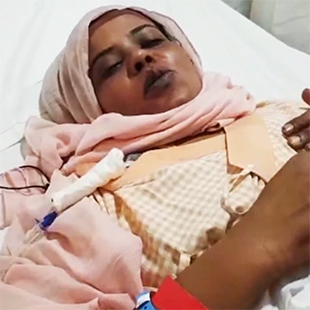
Patient Testimonial: Lobna from Sudan for Successful Open Craniotomy Surgery in India
Mrs. Lobna Salah Hassan
Mrs. Lobna Hasan from Sudan for Open Craniotomy Surgery in India

Lobna (from Sudan) was diagnosed with meningioma, a form of non-cancerous brain tumor. Her family members decided to take her…

Frequently Asked Questions

External Ventricular Drainage cost in Ajman varies from one hospital to the other. The External Ventricular Drainage package cost usually includes all the expenses related to pre and post surgery expenses of the patient. The treatment cost usually includes the expenses related to hospitalization, surgery, nursing, medicines, and anesthesia. A prolonged hospital stay due to delayed recovery, new diagnosis and complications after surgery may increase the cost of External Ventricular Drainage in Ajman.

There are many hospitals that perform External Ventricular Drainage in Ajman. The following are some of the most renowned hospitals for External Ventricular Drainage in Ajman:

The recovery of the patient many vary, depending on several factors. However, on an average, patient is supposed to stay for about 11 days in the country after discharge. This period is important to conduct all the follow-up tests to ensure that the surgery was successful and the patient can go back to the home country.

While Ajman is considered to be one of the best destinations for External Ventricular Drainage owing to the standard of Hospitals, and expertise of doctors there are a select few destinations that provide comparable quality of healthcare for the procedure. Some of such cities are:

Apart from the cost of External Ventricular Drainage, the patient is also required to pay additionally for daily meals and guest house accommodation. These are the chanrges for daily meals and hotel stay outside the hospital. The extra charges may vary from 60 USD.

Patients can also avail to attend a video teleconsultation with the External Ventricular Drainage surgeon in Ajman. The following are some of the best doctors for External Ventricular Drainage in Ajman who are available for video consultation:

Some of the most sought after doctors available for online video consultation for External Ventricular Drainage in Ajman are:

Doctor NameCostBook Appointment
Dr. Mujeeb Mahammad Shaik220Book Now

After External Ventricular Drainage surgery, the patient is supposed to stay for about 4 Days in the hospital for recovery and monitoring. This time frame is important for the patient to recover properly and feel comfortable after the surgery. With the help of several tests, it is determined that the patient is doing fine after the surgery and is okay to be discharged.

Hospitals offering External Ventricular Drainage in Ajman are rated 4.1 on an average. The average rating is based on several parameters such as cleanliness, fair pricing, and quality of care.

There are about 1 Hospitals in Ajman that offer External Ventricular Drainage to international patients. These hospitals are approved to perform the surgery and have proper infrastructure to handle External Ventricular Drainage patients. Such hospitals follow all legal protocols and guidelines as specified by the local medical affairs body when it comes to the treatment of international patients.

Some of the most sought after doctors for External Ventricular Drainage in Ajman are:

Ajman is the fifth largest city in the United Arab Emirates. The Emirate of Ajman recognizes the importance of the health sector in serving all residents, locals, and ex-pats, and providing them with comprehensive healthcare programs to meet all of their medical needs. The healthcare sector in Ajman has recently demonstrated remarkable progress in all services provided. Hospitals in the city offers world-class medical and surgical care. They are known for their excellent standards of care and nursing experience across a wide range of specialties. The staff, including nurses and doctors, have years of training and hands-on experience in the clinical setting to ensure you receive the best care. The city’s hospitals and clinics are further equipped with the latest medical equipment, state-of-the-art technologies, and up-to-date treatment modalities.

The hospitals in Ajman deliver compassionate treatment and are internationally recognized and accredited by healthcare organizations like JCI and ISO. Some of the top hospitals in Ajman include:

  1. Ajman Speciality General Hospital: Ajman Specialty General Hospital features specialized clinics led by highly qualified doctors. Ajman Speciality General Hospital provides over 600 services, including a Pediatric Clinic, an OBG Clinic, a Dermatology Clinic, a Dental Clinic, an Internal Medicine Clinic, an Orthopedic Clinic, and a Physiotherapy Clinic.
  2. Sheikh Khalifa Hospital – General: The hospital offers outpatient care as well as emergency and inpatient care 24*7. It has 106 ordinary medical beds, 12 ICU beds, 4 VIP beds, and five operating theatres in addition to the 106 standard medical beds. Clinical specialties include the following: Paediatrics, Cardiology, Orthopaedics, Ophthalmology, Gynecology Obstetrics, etc.
  3. Rashid Centre For Diabetes & Research: The hospital provides diagnostic, counseling, education, treatment, and wellness support programs to diabetic patients. They provide a comprehensive treatment plan for diabetes.

The doctors in Ajman are highly qualified and trained in their specialization. Some of the best doctors in Ajman include:

  1. Dr. Hillol K Pal: Dr. Pal is a Neuro and spine surgeon with over 25 years of experience. He has expertise in performing skull base and epilepsy surgeries, laminectomy, craniotomy, kyphoplasty, and microdiscectomy.
  2. Dr. Mujeeb M Shaik: He is a joint replacement and orthopedic surgeon with over 22 years of experience. His specialties include Arthroscopy and Sports Medicine, Foot and Ankle Surgery, Hip Surgery, Knee Surgery, Shoulder Surgery, etc.
  3. Dr. Ashish Sam Enos: Dr. Enos is a general surgeon with over 13 years of experience. He is an expert in performing surgeries for hernia, minimal scar breast, laser pilonidal sinus, and laser haemorrhoidectomy.

Ajman is a well-connected city reachable by bus, train, or flight routes. The nearest airport to Ajman is Sharjah Airport. If you are planning to undergo treatment here, MediGence can assist you in planning your medical travel.

FAQ's Related to United Arab Emirates

Ajman is the fifth largest city in the United Arab Emirates. The Emirate of Ajman recognizes the importance of the health sector in serving all residents, locals, and ex-pats, and providing them with comprehensive healthcare programs to meet all of their medical needs. The healthcare sector in Ajman has recently demonstrated remarkable progress in all services provided. Hospitals in the city offers world-class medical and surgical care. They are known for their excellent standards of care and nursing experience across a wide range of specialties. The staff, including nurses and doctors, have years of training and hands-on experience in the clinical setting to ensure you receive the best care. The city’s hospitals and clinics are further equipped with the latest medical equipment, state-of-the-art technologies, and up-to-date treatment modalities.

The hospitals in Ajman deliver compassionate treatment and are internationally recognized and accredited by healthcare organizations like JCI and ISO. Some of the top hospitals in Ajman include:

  1. Ajman Speciality General Hospital: Ajman Specialty General Hospital features specialized clinics led by highly qualified doctors. Ajman Speciality General Hospital provides over 600 services, including a Pediatric Clinic, an OBG Clinic, a Dermatology Clinic, a Dental Clinic, an Internal Medicine Clinic, an Orthopedic Clinic, and a Physiotherapy Clinic.
  2. Sheikh Khalifa Hospital – General: The hospital offers outpatient care as well as emergency and inpatient care 24*7. It has 106 ordinary medical beds, 12 ICU beds, 4 VIP beds, and five operating theatres in addition to the 106 standard medical beds. Clinical specialties include the following: Paediatrics, Cardiology, Orthopaedics, Ophthalmology, Gynecology Obstetrics, etc.
  3. Rashid Centre For Diabetes & Research: The hospital provides diagnostic, counseling, education, treatment, and wellness support programs to diabetic patients. They provide a comprehensive treatment plan for diabetes.

The doctors in Ajman are highly qualified and trained in their specialization. Some of the best doctors in Ajman include:

  1. Dr. Hillol K Pal: Dr. Pal is a Neuro and spine surgeon with over 25 years of experience. He has expertise in performing skull base and epilepsy surgeries, laminectomy, craniotomy, kyphoplasty, and microdiscectomy.
  2. Dr. Mujeeb M Shaik: He is a joint replacement and orthopedic surgeon with over 22 years of experience. His specialties include Arthroscopy and Sports Medicine, Foot and Ankle Surgery, Hip Surgery, Knee Surgery, Shoulder Surgery, etc.
  3. Dr. Ashish Sam Enos: Dr. Enos is a general surgeon with over 13 years of experience. He is an expert in performing surgeries for hernia, minimal scar breast, laser pilonidal sinus, and laser haemorrhoidectomy.

Ajman is a well-connected city reachable by bus, train, or flight routes. The nearest airport to Ajman is Sharjah Airport. If you are planning to undergo treatment here, MediGence can assist you in planning your medical travel.

Not Sure About Your Treatment Plan? Get a Free Second Opinion

Have your reports reviewed by independent oncology experts to help you make a confident treatment decision, all online within 48 hours.

Upload Your Reports
Free second opinion on your CAR-T plan