Your Notifications
All done, no notifications

Endoscopic Third Ventriculostomy Cost in Zonguldak

Starts from USD 10500

Disclaimer: Cost range is subject to change based on clinical evaluation.

Affordable World-class Treatment - Accredited Hospitals - Free Treatment Plan in 24 Hrs

3
Days in Hospital
1-2 hrs
Procedure Time
70 - 90%
Success Rate
Endoscopic Third Ventriculostomy
JCI/ISO 100,000+ Patients 24X7 Coordinator Visa & Travel handled
Your all-in-one medical travel platform for treatment, recovery & care.

Get Your Personalised Treatment Plan in Just 24 Hours.

Share your details to receive a personalised treatment plan, estimated costs, hospital recommendations, and expert guidance, “completely free.”

Required | alphabets and spaces
Required | A valid, working email address
Required | A valid contact

Your information is protected with HIPAA-compliant security standards. We only share your details with hospitals after your consent.

Estimated Treatment Cost
Starts from USD 10500
All-inclusive • Hospital + Medications + Recovery Assistance + Dedicated Care Coordinator

International Quality. Affordable Care.
The average cost of Endoscopic Third Ventriculostomy in Zonguldak starts from USD 10500.

Cost of Endoscopic Third Ventriculostomy in Major Cities of Turkey

CityCost (USD)
Ankara Starting $10.5k Explore More
Canakkale Starting $10.5k Explore More
Istanbul Starting $11k Explore More
Kocaeli Starting $10.5k Explore More
Samsun Starting $10.5k Explore More
Tokat Starting $10.5k Explore More
Trabzon Starting $10.5k Explore More
Usak Starting $10.5k Explore More
Zonguldak Starting $10.5k Explore More
Dr. Vijita Jayan
Author

BPT, MPT (Neuro)

18 Years of Experience

With over 18 years of distinguished clinical experience, Dr. Vijita Jayan is a highly accomplished Clinical Director and Rehabilitation Specialist, renowned for her expertise in neuro-rehabilitation, functional recovery, and mobility-dependent case management. Her extensive practical knowledge enables her to design and implement individualized, evidence-based rehabilitation protocols that consistently yield measurable patient outcomes. A prolific researcher and academic writer, she has authored numerous peer-reviewed articles and research papers, significantly advancing the field of rehabilitative medicine. The recipient of multiple prestigious accolades, Dr. Jayan is widely regarded as one of the foremost authorities in Physical Medicine and Rehabilitation, continually shaping neuro-rehabilitative care through research, innovation, and clinical excellence.
View More
⁠Dr Rakesh Kumar Dua
Reviewer

Spine & Neurosurgeon

25 Years of Experience

Last Reviewed - June 2026

Dr. Rakesh Dua has more than 25+ years of clinical experience in spine surgeries. He is currently providing his services as Director, Neuro & Spine Surgery at Fortis Hospital, Shalimar Bagh. Before joining Fortis Hospital, he was associated with Max super-specialist Hospital, Shalimar Bagh as Director Neurosurgery & Head Neuro Spine, and with UCMS & GTB hospital as head of the neurosurgery department.
View More

Need Help Choosing the Right Treatment? Talk to a Medical Advisor

Our dedicated Medical Patient Advisors are here to answer your questions, help you compare treatment options, estimate costs, and guide you through every step of your healthcare journey.

15 min
Average response time

Serving Patients Worldwide in Multiple Languages.

Endoscopic third ventriculostomy (ETV) is a surgical procedure used to treat obstructive hydrocephalus, a condition characterized by the accumulation of cerebrospinal fluid (CSF) in the brain. CSF is produced in the ventricular system of the brain, which consists of four cavities - two lateral ventricles, the third ventricle, and the fourth ventricle - interconnected by channels.

The third ventricle, situated centrally above the base of the skull, plays a crucial role in CSF circulation. In cases of obstructive hydrocephalus, CSF flow is impeded due to blockage, often occurring at the passage between the third and fourth ventricles, known as the cerebral aqueduct.

ETV involves creating a new pathway for CSF to bypass the blockage by making a small hole in the floor of the third ventricle using an endoscope. This allows CSF to flow directly into the subarachnoid space surrounding the brain, relieving pressure and reducing ventricle enlargement.

Classification:

Based on the Underlying Cause of Hydrocephalus

  • Congenital Obstructive Hydrocephalus
  • Acquired Obstructive Hydrocephalus

Based on Patient Demographics

  • Pediatric ETV
  • Adult ETV
  • Standard ETV

Based on the Surgical Approach

  • Flexible Endoscope ETV
  • Rigid Endoscope ETV
Explore Hospitals ( 1 )

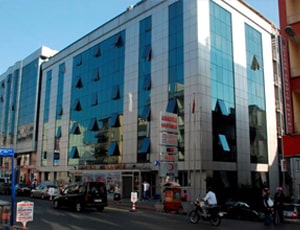
Zonguldak, Turkey

4.0 - 383 reviews · 75+ Beds · 208+ Procedures
JCI
Starting
USD 10500
Chat with a Medical Advisor

Get Your Endoscopic Third Ventriculostomy
Plan in 24 hrs.

Our experienced Medical Patient Advisors have supported 100,000+ patients across 120+ countries with personalised treatment plans, hospital recommendations, cost estimates, and travel assistance, all free.

HIPAA-Compliant Data SecurityShared Only with Your Consent

✓ Free Consultation ✓ No Obligation ✓ Personalized Treatment Plan ✓ Response Within 24 Hours

Required | alphabets and spaces
Required | A valid, working email address
Required | A valid contact

Your medical info is kept HIPAA-style confidential. We never share with hospitals without your consent.

Process Involved for Endoscopic Third Ventriculostomy in Zonguldak

  • Consultation: Meet with a neurosurgeon or neurologist to assess symptoms and the need for ETV.
  • Pre-surgical Examination: Review medical history and symptoms and perform imaging tests to confirm the diagnosis of hydrocephalus.
  • Discussion of Treatment: Evaluate if ETV is the appropriate option or if alternative treatments are required.
  • Surgical Planning: Discuss the procedure, risks, benefits, and expected recovery.
  • Post-Surgery Follow-up: Monitor recovery, manage potential complications, and assess the procedure's success through follow-up imaging and symptom review.
  • Obstructive Hydrocephalus
  • Aqueductal Stenosis
  • Normal Pressure Hydrocephalus (NPH)
  • Cerebral Tumors
  • Communicating Hydrocephalus
  • Obstructive hydrocephalus (obstruction of the brain ventricles leading to accumulation of fluid)
  • A common cause of blockage is aqueductal stenosis, or the constriction of the aqueduct of Sylvius.
  • The condition is termed normal pressure hydrocephalus (NPH) if surgery is more favourable than shunt placement.
  • The underlying cause of persistent headache, nausea, and vomiting symptoms is increased intracranial pressure.
  • Relief from Symptoms of Hydrocephalus
  • Minimally Invasive
  • Faster Recovery Time compared to traditional shunt placement
  • Long-Term CSF Flow Improvement
  • Reduced Dependency on Shunts
  • Neurosurgeon
  • Neurologist
  • Fill out the inquiry form: Fill out the form to provide us with the relevant information about your condition.
  • Consult with Our Healthcare Expert: One of our qualified specialists will contact you for a consultation.
  • Receive a Detailed Treatment Plan: After examining your situation, we will provide you with a detailed treatment plan that includes expert views and cost breakdowns for various choices.
  • Choose your preferred option: Choose the treatment option that suits you the best.
Jenny Wilson
Your Dedicated Medical Patient Advisor
Treatment planning • Hospital coordination • Multilingual support • Response within 15 minutes.
Our Services to Better your Experience

Opinion & Option

We submit the most accurate opinion and options from one or more countries for your review

Consult Privately

Consult with a certified specialist privately on our telemedicine platform even before you decide to travel

Logistics

We handle flights, visas, transfers, and accommodation—so you can focus on your health.

Recovery

Our In-house rehabilitation service packages to better your recovery and treatment outcome

Patient Stories

Ms Patience: Cosmetic Surgery
Ms Patience
Ms Patience: Cosmetic Surgery

Ms Patience from Uganda travelled to India for cosmetic surgery in May 2017. She got her treatment done in Asian…

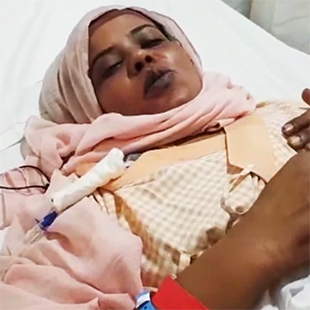
Patient Testimonial: Lobna from Sudan for Successful Open Craniotomy Surgery in India
Mrs. Lobna Salah Hassan
Mrs. Lobna Hasan from Sudan for Open Craniotomy Surgery in India

Lobna (from Sudan) was diagnosed with meningioma, a form of non-cancerous brain tumor. Her family members decided to take her…

Conditions treated by Endoscopic Third Ventriculostomy

Frequently Asked Questions

Endoscopic Third Ventriculostomy (ETV) in Zonguldak typically costs between starts from USD 10500. The final cost depends on the patient's condition, the cause of hydrocephalus, the hospital, and the neurosurgeon's experience. This estimate generally includes consultations, diagnostic tests, surgery, hospitalization, and follow-up care.

Some of the best hospitals in Zonguldak for Endoscopic Third Ventriculostomy (ETV) include:
  • Eregli Anadolu Hospital
  • Choose an experienced neurosurgeon who specializes in neuroendoscopic procedures and the treatment of hydrocephalus. Reviewing the surgeon's qualifications, experience, patient outcomes, and success rates can help you make an informed decision. Seeking a second opinion is also recommended.

    Endoscopic Third Ventriculostomy (ETV) has an overall success rate of approximately 70 - 90%, depending on the patient's age, the underlying cause of hydrocephalus, and overall neurological condition. Success rates are generally higher in patients with obstructive hydrocephalus.

    Hospitals in Zonguldak use advanced neuroendoscopy systems, high-definition endoscopic cameras, neuronavigation, MRI and CT imaging, intraoperative monitoring, and specialized neurosurgical equipment to perform ETV safely and accurately.

    Although ETV is generally safe, potential risks include bleeding, infection, cerebrospinal fluid leakage, injury to surrounding brain structures, failure of the ventriculostomy opening, recurrence of hydrocephalus, and the possible need for a ventriculoperitoneal (VP) shunt.

    Before travelling, gather your medical records, MRI or CT brain scans, laboratory reports, passport, and complete an online consultation if available. Confirm your surgery date, accommodation, and visa requirements in advance, and follow your neurosurgeon's preoperative instructions.

    Yes, MediGence provides online consultations for international patients before travel. Neurospecialists review your medical history and brain imaging to determine whether ETV is appropriate. This also helps you receive an estimated cost and travel guidance.

    Patients should bring a valid passport, visa, medical records, MRI or CT brain scans, laboratory reports, previous treatment records, and a list of current medications to assist with treatment planning.

    Most international patients stay in Zonguldak for about 2 to 3 weeks, depending on the hospital stay, postoperative recovery, and follow-up evaluations. Your neurosurgeon will recommend the appropriate duration based on your condition.

    Recovery after ETV is usually faster than with many traditional neurosurgical procedures. Most patients recover within 2 to 6 weeks, although complete neurological recovery depends on the underlying condition and individual healing.

  • Submit your medical records through the MediGence platform.
  • Receive evaluation from experienced neurosurgeons.
  • Compare hospitals, treatment plans, and estimated costs.
  • Get assistance with appointments, medical visa, travel, and accommodation.
  • Receive complete support before, during, and after treatment.
  • Not Sure About Your Treatment Plan? Get a Second Opinion

    Get your medical reports reviewed by experienced doctors to help you make a confident treatment decision, all online within 48 hours.

    Upload Your Reports
    Free second opinion on your CAR-T plan