Your Notifications
All done, no notifications

Cerebral Dorsal Rhizotomy Cost in Thailand

Costs starts from USD11000 to USD25000
Filters

How Much Does Cerebral Dorsal Rhizotomy Cost in Thailand?

Cerebral Dosrsal Rhizotomy in Thailand typically ranges between USD 11000 - USD 25000 depending on the patient's condition. Additionally, factors like the duration of treatment, the need for follow-up care, and the use of advanced technologies or specialised treatments can further influence the overall cost.

Factors Influencing the Cost of Cerebral Dorsal Rhizotomy in Thailand

Cost of Cerebral Dorsal Rhizotomy in Major Cities of Thailand

CityMinimum Cost (USD)Minimum Cost (THB)Maximum Cost (USD)Maximum Cost (THB)
BangkokUSD 11000359810USD 25000817750

Cerebral Dorsal Rhizotomy Cost : A Global Comparison

CountryMinimum CostMinimum Local CurrencyMaximum CostMaximum Local Currency
IndiaUSD 1200INR 102768USD 4500INR 385380
Israelget request
Lithuaniaget request
MalaysiaUSD 12000MYR 50880USD 18000MYR 76320
Saudi Arabiaget request
SingaporeUSD 15000SGD 19350USD 20000SGD 25800
South Africaget request
SpainUSD 1500ESP 220560USD 5000ESP 735200
Switzerlandget request
ThailandUSD 11000THB 359810USD 25000THB 817750
Turkeyget request
United Arab EmiratesUSD 12000AED 44040USD 50000AED 183500
United Kingdomget request

Need Help Planning Your Treatment Abroad?

Your 24/7 AI Health Assistant

Cerebral Dorsal Rhizotomy is a highly refined, specialised surgery that aims to decrease muscle stiffness within cerebral palsy. When surgery is performed, it cuts segregated rootlets at specific points in the spinal cords of patients who experience hypertonia by nerve damage at the periphery of these rootlets, thereby enhancing mobility and decreasing pain.

The primary objective of Selective Dorsal Rhizotomy (SDR) is to reduce spasticity, or muscle tightness and stiffness, in children and adults with cerebral palsy, typically spastic diplegia. The procedure enhances motor function, reduces pain, enhances mobility, and enhances the effectiveness of physical therapy by severing abnormal nerve rootlets in the spinal cord.

Consult a paediatrician or neurologist if your child is experiencing painful muscle stiffness or causes deformity, persistent spasticity that interferes with walking, standing, or sitting, or does not alleviate with physical therapy. The average age for candidates is 2–12 years, with children with spasticity potentially being helped as well.

A team comprising specialists in physical therapy, neurology, and orthopaedic surgery conducts the intensive review during preparation. EMG, gait analysis, functional motor evaluations, and MRIS of the brain and spine are some examples of procedures performed. Psychiatric and nutritional assessments, alterations to medications, and initiating physical therapy are just some of the requirements patients may need before undergoing surgery.

  • General anaesthesia is administered during the procedure. The doctor:
  • Incision: An incision is made in the lower back of the lumbar spine.
  • Exposes the spinal cord and identifies the rootlets of sensory nerves.
  • Determines the rootlets producing the abnormal impulses through electrical stimulation.
  • Decrease spasticity by selectively cutting the offending rootlets.

The operation typically lasts 4 to 6 hours, and the hospital stay is generally 3 to 7 days. Rehabilitation after an operation lasts for a few months to years and includes intensive physical therapy.

  • Weakness
  • Numbness or sensory loss
  • Bowel or bladder dysfunction
  • Spinal deformity over time

SDR can enhance mobility and gait, reduce pain, increase independence in daily activities, and significantly decrease muscle stiffness. As a consequence, future orthopaedic surgery and long-term spasticity medication might be avoided.

Pain management and bed rest are required during the early stages of rehabilitation. To maximise motor gains, intensive physical therapy starts shortly after surgery and continues for months. Orthopaedic evaluation, therapy modification, and muscular strength monitoring are all components of long-term follow-up.

The majority of patients undergoing rhizotomy experience significant improvement in spasticity or chronic pain relief. A few individuals, however, experience little or no pain relief. Further information about the likelihood of success for your specific procedure can be found through your treatment team.

Would you like some help? We are available.

Get Help
Explore Hospitals ( 4 )
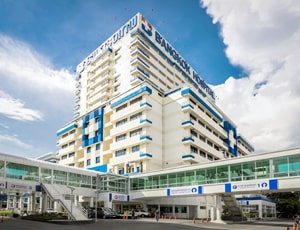
Cerebral Dorsal Rhizotomy in Bangkok Hospital: Costs, Top Doctors, and Reviews

Bangkok, Thailand

  • Joint Commission International, or JCI

Bangkok Hospital located in Bangkok, Thailand is accredited by JCI. Also listed below are some of the most prominent infrastructural details:

  • It is recognised for the application of the newest healthcare technology.
  • Blood analysis center that is not just the best in Thailand but in Asia Pacific as well.
  • Biomolecule center that is the seed of healthcare equipment for Thailand and overseas.
  • International affiliations and collaborations with universities and hospitals in Japan and the United States of America.
  • 11 hospitals are recognised as Centers of Excellence.
  • Known excellence in Trauma, Orthopedics, Cardiovascular, Neurology as well as Cancer Care.
  • There is a proper streamlined patient services process followed in Bangkok Dusit Medical Services, Bangkok, Thailand.
  • A well developed research center showcases the intent of the organisation to provide research based treatment opportunities to the patients.
  • The group has several Medical industry partnerships as well to ensure healthcare solutions.
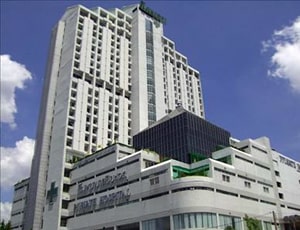
Cerebral Dorsal Rhizotomy in Phyathai 2 International Hospital: Costs, Top Doctors, and Reviews

Bangkok, Thailand

  • Joint Commission International, or JCI

Phyathai 2 International Hospital located in Bangkok, Thailand is accredited by JCI. Also listed below are some of the most prominent infrastructural details:

  • Fully equipped rooms are available for convenience of the patients- Gold B Room, Gold A Room, Pediatric Gold A, Platinum room, and Prestige ward
  • Nearby accommodations are also available- Abloom Service Apartments, Bangkok Patio, VIB Best Western Sanam Pao, VIC3 Hotel
  • Operating room
  • International Patient Medical Center to assist overseas patients
Cerebral Dorsal Rhizotomy in Piyavate Hospital: Costs, Top Doctors, and Reviews

Bangkok, Thailand

  • Joint Commission International, or JCI
  • ISO 9001

Piyavate Hospital located in Bangkok, Thailand is accredited by JCI. Also listed below are some of the most prominent infrastructural details:

  • Medicine Centre: Piyavate Hospital provides advanced holistic treatment for their patients. They offer a complete range of services and physicians that specialize in various fields like the endocrine system, the nervous system, kidney function, cardiovascular care, respiratory and digestive system. They pride themselves for the familial care that they provide to their patients.

  • Fertility and In-Vitro Fertilization Centre: Helping the couples who walk into the Piyavate Hospital to achieve their dream of having a family. They have a medical team that specializes in male and female fertility. They offer consultation services, fertility check-up for both men and women and complete IVF services. They have advanced IVF cycle treatment facilities that offer a high rate of success.

  • Bone and Joint Institute: Piyavate Hospital houses one of the frontrunners in Orthopaedic health care in all of SouthEast Asia. They offer a wide range of services and surgeries in their bone and joint institute that include hand surgery, hip and knee replacement surgery, spinal cord surgery, upper extremity surgery, arthroscopic surgery and sports medicine.

  • Eye and Lasik Centre: Piyavate Hospital is fully equipped with the latest and most advanced technology for eye care and houses highly skilled ophthalmologists, sub-specialists and qualified nurses.

  • Physical Therapy and Rehabilitation Centre: One of the first hospitals to be equipped with the Hybrid Assistive Limb technology that will help a neurologically challenged patient to control the rehabilitation robot limb with a signal from their brain. The Physical Therapy and Rehabilitation Centre at Piyavate Hospital uses this system encourage patients to regain muscle memory to walk and function normally.

Amenities for Patient’s Family:

Piyavate Hospital also offers additional apartment facilities to house the kin of the patients who come to visit them from distant places. A restaurant, a flower shop and a café are a few of the other amenities provided by the hospital.

These are the most popular services offered by the Piyavate Hospital in Bangkok, Thailand. They also provide a plethora of other medical services that are listed below:

  • Diabetic Foot Centre

  • Check-up centre

  • Urology Centre 

  • Heart Institute

  • Paediatric Centre 

  • Obstetrics and Gynaecology Centre

  • Surgery Centre

  • Ear Nose Throat Centre

  • Haemodialysis Centre 

  • Dental Centre

  • X-Ray Centre

  • Gastroenterology Centre

  • Cancer Centre

  • Neonatal Intensive Care Unit (NICU)

  • Emergency Services and Centre

  • Tele-medicine

Cerebral Dorsal Rhizotomy in MALI Interdisciplinary Hospital: Costs, Top Doctors, and Reviews

Bangkok, Thailand

  • National Accreditation Board for Hospitals & Healthcare Providers (NABH)
  • Joint Commission International, or JCI

MALI Interdisciplinary Hospital located in Bangkok, Thailand is accredited by JCI. Also listed below are some of the most prominent infrastructural details:

  • Operating Room
  • X-Ray Department
  • Laboratory
  • Inpatient Department
  • Emergency Department

Need Some Advice From Our Experts?

Request a Call Back Now!

Our team of healthcare experts would be happy to assist you

trusted Patientstrusted Patients+99
Trusted by 50000+ Patients
Required | alphabets and spaces
Required | A valid, working email address
Required | A valid contact

Process Involved for Cerebral Dorsal Rhizotomy in Thailand

  • Pre-Surgical Evaluation: MRI, nerve conduction tests, and gait analysis are performed to select candidates for surgery.
  • Surgical Procedure: Under general anesthesia, selective nerve rootlets are cut to disallow spasticity.
  • Immediate Postoperative Care: ICU monitoring for pain control and recovery assessment.
  • Early rehabilitation and physiotherapy: They will begin within days to improve strength and movement.
  • Long-Term Recovery: Intensive physical therapy for up to a year to aid further in functional improvements.
  • Spastic diplegia in cerebral palsy patients.
  • Severe lower limb stiffness and hypertonia.
  • Difficulty walking due to muscle spasticity.
  • Neurological disorders causing involuntary muscle contractions.
  • Patients experiencing limited mobility due to spasticity.
  • Children affected by spastic diplegia caused by cerebral palsy, typically 3 to 12 years old.
  • Patients must have adequate muscle strength and coordination to participate in post-surgical rehabilitation.
  • Those who suffer from significant spasticity interfering with mobility, although physical therapy has been tried.
  • Patients who do not exhibit significant joint contractures or irreversibly tight muscles.
  • Those with a stable general health condition can undergo neurosurgery.
  • MRI and gait analysis for pre-surgical evaluation.
  • Physical therapy before and after surgery to optimise outcomes.
  • Orthopedic interventions such as tendon lengthening if needed.
  • Muscle strengthening programs to improve mobility post-surgery.
  • Botox or other spasticity treatments for non-surgical candidates.
  • Permanent reduction in muscle spasticity.
  • Improvement in mobility, walking, and posture.
  • Decreased necessity for orthopedic operations as they age.
  • Improved capability for independent functioning in activities of daily living.
  • Increased comfort and decrease in pain related to muscle stiffness.
  • Neurosurgeon:
  • Pediatric Neurosurgeon:
  • Orthopedic Surgeon:
  • Rehabilitation Specialist
  • Fill out the inquiry form: Fill out the form to provide us with the relevant information about your condition.
  • Consult with Our Healthcare Expert: One of our qualified specialists will contact you for a consultation.
  • Receive a Detailed Treatment Plan: After examining your situation, we will provide you with a detailed treatment plan that includes expert views and cost breakdowns for various choices.
  • Choose your preferred option: Choose the therapy option that best suits you.
  • Seamless Organization: We will manage all the details, including visas, flights, accommodations, and transfers, for a stress-free journey.

Instantly Connect with our Cerebral Dorsal Rhizotomy Specialists

Doctor 1
Doctor 2
Doctor 3
Doctor 4
Doctor 5
Doctor 6
Doctor 7
Doctor 8
Our Services to Better your Experience

Opinion & Option

We submit the most accurate opinion and options from one or more countries for your review

Consult Privately

Consult with a certified specialist privately on our telemedicine platform even before you decide to travel

Logistics

We handle flights, visas, transfers, and accommodation—so you can focus on your health.

Recovery

Our In-house rehabilitation service packages to better your recovery and treatment outcome

Other Popular Countries for Cerebral Dorsal Rhizotomy

Our network connects you with the leading medical tourism destinations globally, offering a wide range of cities, top doctors, and flexible pricing options.

Malaysia
Spain
Italy
United Kingdom

Author

Dr. Shagufta Parveen

Doctor of Pharmacy

1.5 Years of Experience

Dr. Shagufta Parveen is a medical and scientific content writer with expertise in clinical pharmacology and pharmacotherapeutics. She holds a B.Pharm and Doctor of Pharmacy (Post-Baccalaureate) degree from Teerthanker Mahaveer University, Moradabad. During her clinical stint at BLK-Max Super Speciality Hospital and Indraprastha Apollo Hospital, she gained hands-on experience in the Clinical Pharmacology Department. Combining scientific knowledge with strong medical writing skills, Dr. Shagufta develops evidence-based healthcare content, treatment guides, and patient education resources. Her work focuses on simplifying complex medical concepts while maintaining scientific accuracy, helping readers better understand healthcare advancements and treatment options. . View More

Reviewer

⁠Dr Rakesh Kumar Dua

Spine & Neurosurgeon

25 Years of Experience

Dr. Rakesh Dua has more than 25+ years of clinical experience in spine surgeries. He is currently providing his services as Director, Neuro & Spine Surgery at Fortis Hospital, Shalimar Bagh. Before joining Fortis Hospital, he was associated with Max super-specialist Hospital, Shalimar Bagh as Director Neurosurgery & Head Neuro Spine, and with UCMS & GTB hospital as head of the neurosurgery department. View More