Affordable World-class Treatment - Accredited Hospitals - Free Treatment Plan in 24 Hrs
Share your details to receive a personalised treatment plan, estimated costs, hospital recommendations, and expert guidance, “completely free.”
Your information is protected with HIPAA-compliant security standards. We only share your details with hospitals after your consent.
The average cost of Brain Tumour Treatment in Tunis approximately starts from USD 5000 - USD 15000
| City | Minimum Cost (USD) | Minimum Cost (TND) | Maximum Cost (USD) | Maximum Cost (TND) |
|---|---|---|---|---|
| Tunis | USD 5000 | 14900 | USD 15000 | 44700 |
| City | Cost (USD) | |
|---|---|---|
| Ariana | $5,000 – $15,000 | Explore More |
| Tunis | $5,000 – $15,000 | Explore More |


Our dedicated Medical Patient Advisors are here to answer your questions, help you compare treatment options, estimate costs, and guide you through every step of your healthcare journey.
A brain tumor is an abnormal growth of cells in the brain which can be cancerous or non-cancerous. This growth can occur in any part of the brain or originate elsewhere in the body and spread to the brain.
It is a fairly common condition that affects millions of people worldwide. An undiagnosed brain tumor can be fatal, making it crucial to undergo specific tests and begin treatment promptly once the diagnosis is confirmed.
The two most common symptoms of a brain tumor are increasingly severe headaches and blurred vision. Additionally, individuals with this condition may experience seizures, confusion, nausea, vertigo, impaired speech, and loss of balance.
Treatment for a brain tumor depends on several factors, including the type, size, and location of the tumor, as well as the overall health of the patient and age. These considerations are taken by the doctor while preparing a brain tumor treatment plan.
Different treatment modalities can be used to treat brain tumor patients and surgery, chemotherapy, and radiation therapy are among them. Usually, a combination of treatment modalities is used to conduct brain tumor treatment.
Brain tumors are of various types, determined by the cells they consist of. Tumor cell testing in the lab helps identify the type of Tumor. Some are noncancerous or benign, while others are cancerous or malignant. Benign tumors typically grow slowly, while malignant tumors tend to overgrow.
A brain tumour is treated to remove or shrink it, relieve symptoms like headaches or seizures, and prevent further neurological damage. Treatment may be curative, life-prolonging, or palliative depending on the type.
Those who suffer from ongoing headaches, visual distortions, seizures, unexplained nausea, mental and personality changes, or weakness in one or more limbs should consider early consultation, especially if these symptoms continue to worsen or prevent them from participating in daily activities.
The preparations included neurological examination and multiple imaging procedures, such as an MRI or CT scan. A biopsy may need to be done to ascertain the tumour type. Then, the patient will receive instructions, such as withholding medications, fasting before the procedure, and consultations with various specialists, such as neurosurgeons, oncologists, and anesthetists.
In many brain tumours, surgical resection is deemed the primary mode of treatment. It involves a craniotomy, whereby the surgeon removes part of the skull to gain access to the area and obtain the excised tumour. Lesser forms of surgical intervention are also applied, e.g., stereotactic radiosurgery and endoscopic surgery. Depending on the nature of the tumour, postoperative treatment commonly consists of radiotherapy and/or chemotherapy.
Brain tumour surgery can last 2 to 6 hours or more, depending on the size and location of the tumour. Hospitalisation generally involves 3 to 10 days, with longer durations for more complicated cases.
Treatment relieves symptoms and kills the tumour wherever possible. In malignant situations, it also increases the survival time. Treatment also improves comfort and the ability to execute day-to-day activities in non-curable cases.
Rest, physiotherapy, and gradual resumption of normal activities constitute post-operative rehabilitation. Depending on the case, speech therapy or occupational therapy might be required. In most cases, further management involves repeated imaging and oncological treatments such as chemotherapy and radiation.
Success varies by type, grade, and location of the tumor. After the surgical procedure, benign conditions have high rates of cure. Treating malignant tumors may be more difficult, but the ultimate purpose is lifespan extension and symptom control.
70–90%
Treatment success rate (depends on tumour type, grade, and stage)5–10 days
Typical hospital stay (for surgery; varies by treatment)4–8 weeks
Return to normal daily activities depending on treatment and recoveryOur experienced Medical Patient Advisors have supported 100,000+ patients across 120+ countries with personalised treatment plans, hospital recommendations, cost estimates, and travel assistance, all free.
✓ Free Consultation ✓ No Obligation ✓ Personalized Treatment Plan ✓ Response Within 24 Hours
Your medical info is kept HIPAA-style confidential. We never share with hospitals without your consent.

Opinion & Option
We submit the most accurate opinion and options from one or more countries for your review
Consult Privately
Consult with a certified specialist privately on our telemedicine platform even before you decide to travel
Logistics
We handle flights, visas, transfers, and accommodation—so you can focus on your health.
Recovery
Our In-house rehabilitation service packages to better your recovery and treatment outcome

Lobna (from Sudan) was diagnosed with meningioma, a form of non-cancerous brain tumor. Her family members decided to take her…

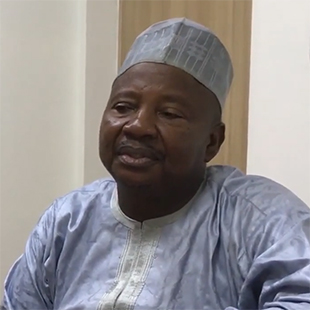
This is the journey of Mohammud Rabia from Nigeria who had to undergo Medical Management for his Brain Stroke which…
The cost of Brain Tumour Treatment procedure starts from $30000 in Tunis. In Tunis, Brain Tumour Treatment is conducted across many multispecialty hospitals.
Brain Tumour Treatment cost in Tunis varies from one hospital to the other. The Brain Tumour Treatment package cost usually includes all the expenses related to pre and post surgery expenses of the patient. The Brain Tumour Treatment cost in Tunis includes the cost of anesthesia, medicines, hospitalization and the surgeon's fee. There are many things that may increase the cost of Brain Tumour Treatment in Tunis, including prolonged hospital stay and complications after the procedure.
Many hospitals in Tunis perform Brain Tumour Treatment. The top hospitals for Brain Tumour Treatment in Tunis include the following:
The recovery of the patient many vary, depending on several factors. However, on an average, patient is supposed to stay for about 25 days in the country after discharge. This duration of stay is recommended to complete all the necessary follow-ups and control tests to ensure that the surgery was successful.
One of the topmost destinations for Brain Tumour Treatment is Tunis. It has a variety of accredited hospital, affordable cost of treatment and some of the best medical fraternity. Some of the other destinations that are popular for Brain Tumour Treatment include the following:
Apart from the Brain Tumour Treatment cost, the patient may have to pay for additional daily expenses such as for guest house after discharge and meals. These are the chanrges for daily meals and hotel stay outside the hospital. The extra charges may vary from 35 USD.
After Brain Tumour Treatment surgery, the patient is supposed to stay for about 5 Days in the hospital for recovery and monitoring. The patient is subjected to several biochemistry and radiological scans to see that everything is okay and the recovery is on track. After making sure that patient is clinically stable, discharge is planned.
There are more than 1 Hospitals that offer Brain Tumour Treatment in Tunis. These hospitals have proper infrastructure for the treatment of patients who require Brain Tumour Treatment. Such hospitals follow all legal protocols and guidelines as specified by the local medical affairs body when it comes to the treatment of international patients.
Tunis is Tunisia's capital and largest city. Tunis's healthcare system integrates the public and private sectors, allowing it to serve the vast majority of the country's citizens. The Ministry of Public Health is in charge of basic primary care and preventive services in the public sector. In the private sector, healthcare facilities include an outpatient network of general or specialized medicine, paramedical treatment, and hospitalization. The "Caisse Nationale d'Assurance Maladie" manages Tunis's health insurance. Expats and travelers pay more for medical care however most medical centers provide excellent services. The wait is brief, and doctor visits are neither time-consuming nor inconvenient. Tunisians have free access to government-owned medical facilities including hospitals. Staff at public healthcare facilities are fluent in Arabic, French, and English, making it easier for patients from all over the country to be treated here. In recent years, Tunis's private healthcare system has expanded in terms of infrastructure, capacity, and healthcare professionals. Private clinics, especially in Tunis, adhere to worldwide standards. Some clinics are equipped to perform surgeries on patients. In Tunis, ambulance services are limited to major cities, and air evacuation is highly preferred in the majority of medical emergencies.
The hospitals in Tunis deliver quality care and treatment. They are internationally recognized and accredited by healthcare organizations like JCI and ISO. Some of the top hospitals in the city include:
The doctors in Tunis play a vital role in delivering top-level healthcare services focusing on each patient’s needs. Some of the top doctors in the city include:
Tunis is an easily reachable city by train, bus, and flight. The nearest airport to Tunis is Tunis–Carthage International Airport from where you can travel to the city by bus or cab. If you are planning to undergo treatment here, MediGence can assist you in planning your medical travel.
Tunis is Tunisia's capital and largest city. Tunis's healthcare system integrates the public and private sectors, allowing it to serve the vast majority of the country's citizens. The Ministry of Public Health is in charge of basic primary care and preventive services in the public sector. In the private sector, healthcare facilities include an outpatient network of general or specialized medicine, paramedical treatment, and hospitalization. The "Caisse Nationale d'Assurance Maladie" manages Tunis's health insurance. Expats and travelers pay more for medical care however most medical centers provide excellent services. The wait is brief, and doctor visits are neither time-consuming nor inconvenient. Tunisians have free access to government-owned medical facilities including hospitals. Staff at public healthcare facilities are fluent in Arabic, French, and English, making it easier for patients from all over the country to be treated here. In recent years, Tunis's private healthcare system has expanded in terms of infrastructure, capacity, and healthcare professionals. Private clinics, especially in Tunis, adhere to worldwide standards. Some clinics are equipped to perform surgeries on patients. In Tunis, ambulance services are limited to major cities, and air evacuation is highly preferred in the majority of medical emergencies.
The hospitals in Tunis deliver quality care and treatment. They are internationally recognized and accredited by healthcare organizations like JCI and ISO. Some of the top hospitals in the city include:
The doctors in Tunis play a vital role in delivering top-level healthcare services focusing on each patient’s needs. Some of the top doctors in the city include:
Tunis is an easily reachable city by train, bus, and flight. The nearest airport to Tunis is Tunis–Carthage International Airport from where you can travel to the city by bus or cab. If you are planning to undergo treatment here, MediGence can assist you in planning your medical travel.
Have your reports reviewed by independent oncology experts to help you make a confident treatment decision, all online within 48 hours.
Upload Your Reports