Your Notifications
All done, no notifications

Aneurysm Clipping Cost in India

Costs starts from USD13000 to USD22000
Filters

How Much Should an Aneurysm Clipping Cost in India?

The average cost of aneurysm clipping in India usually ranges between USD 13000 - USD 22000. This estimate typically includes a consultation with a neurosurgeon, brain imaging such as an MRI or CT scan, necessary pre-surgical tests, the aneurysm clipping procedure itself, the hospital stay, and routine post-surgery care.

However, the exact price can vary depending on several factors, such as the size and location of the aneurysm, whether advanced surgical techniques like neuronavigation or intraoperative monitoring are used, and the hospital’s overall reputation.

The surgeon’s level of experience also plays a role, and if any complications arise that require ICU admission or a more extended hospital stay, the total cost may increase accordingly.

Factors Influencing the Cost of an Aneurysm Clipping in India

Factors Influencing the Cost of an Aneurysm Clipping in India

Cost of Aneurysm Clipping in Major cities of India

CityMinimum Cost (USD)Minimum Cost (INR)Maximum Cost (USD)Maximum Cost (INR)
AhmedabadUSD 117001001988USD 198001695672
BangaloreUSD 130001113320USD 220001884080
ChennaiUSD 130001113320USD 220001884080
DelhiUSD 130001113320USD 220001884080
FaridabadUSD 130001113320USD 220001884080
GhaziabadUSD 130001113320USD 220001884080
GurgaonUSD 130001113320USD 220001884080
GurugramUSD 130001113320USD 220001884080
HyderabadUSD 130001113320USD 220001884080
KochiUSD 130001113320USD 220001884080
KolkataUSD 130001113320USD 220001884080
MohaliUSD 117001001988USD 198001695672
MumbaiUSD 130001113320USD 220001884080
NoidaUSD 130001113320USD 220001884080
PanjimUSD 117001001988USD 198001695672
PuneUSD 117001001988USD 198001695672

Aneurysm Clipping Cost : A Global Comparison

CountryMinimum CostMinimum Local CurrencyMaximum CostMaximum Local Currency
HungaryUSD 30000HUF 10712400USD 50000HUF 17854000
IndiaUSD 13000INR 1113320USD 22000INR 1884080
IsraelUSD 40000ILS 141600USD 65000ILS 230100
JordanUSD 20000JOD 14200USD 32000JOD 22720
LithuaniaUSD 28000LTL 95780USD 45000LTL 153932
MalaysiaUSD 20000MYR 84800USD 38000MYR 161120
PolandUSD 18000PLN 67680USD 32000PLN 120320
Saudi ArabiaUSD 25000SAR 93750USD 45000SAR 168750
SingaporeUSD 35000SGD 45150USD 65000SGD 83850
South AfricaUSD 20000ZAR 359400USD 35000ZAR 628950
South KoreaUSD 28000KRW 38527440USD 50000KRW 68799000
SpainUSD 26000ESP 3823037USD 48000ESP 7057915
SwitzerlandUSD 50000CHF 41500USD 90000CHF 74700
ThailandUSD 19000THB 621490USD 35000THB 1144850
TunisiaUSD 15000TND 44700USD 28000TND 83440
TurkeyUSD 14000TRY 546840USD 26000TRY 1015560
United Arab EmiratesUSD 28000AED 102760USD 50000AED 183500
United KingdomUSD 35000GBP 25900USD 60000GBP 44400
VietnamUSD 13000VND 339670370USD 24000VND 627083760

Need Help Planning Your Treatment Abroad?

Your 24/7 AI Health Assistant

Aneurysm clipping is a type of brain surgery done to treat a bulging blood vessel, known as an aneurysm, before it bursts. In this procedure, a neurosurgeon places a small metal clip at the base of the aneurysm to stop blood from entering it, which helps prevent bleeding or rupture.

The surgery is performed under general anaesthesia, and a small opening is made in the skull to reach the affected area. The clip stays in the brain permanently and does not interfere with normal blood flow. It is made of medical-grade metal that is safe and does not cause problems with scans or metal detectors.

After the operation, patients are closely monitored in the hospital to check for any signs of swelling, bleeding, or complications. Recovery time depends on the patient’s health and the location of the aneurysm, but most people can return home within a few days to a week.

Aneurysm clipping is a surgical procedure used to treat a brain aneurysm, a weak, bulging area in the wall of a blood vessel in the brain. If an aneurysm ruptures, it can cause a life-threatening brain haemorrhage (subarachnoid haemorrhage). Clipping prevents rupture by sealing off the aneurysm from the normal blood circulation. This procedure is often recommended for ruptured aneurysms or unruptured aneurysms that are large, growing, or have a high risk of bleeding.

Seek immediate medical attention if you experience symptoms suggestive of a brain aneurysm, such as:
  • Sudden, severe headache
  • Nausea or vomiting
  • Blurred or double vision
  • Loss of consciousness
  • Seizures
  • Neck stiffness
  • Drooping eyelid or weakness on one side of the body
For unruptured aneurysms, consult a neurologist or neurosurgeon if imaging tests reveal a cerebral aneurysm, especially if you have risk factors like a family history, high blood pressure, or a smoking history.

Preoperative preparation for aneurysm clipping includes:
  • Neurological examination and imaging, such as CT angiography, MRI, or cerebral angiogram to locate and assess the aneurysm
  • Blood tests and cardiac evaluation to ensure you are fit for surgery
  • Review of current medications, particularly blood thinners, which may need to be paused
  • Fasting for 6–8 hours prior to the procedure
  • Discussion of surgical risks, recovery expectations, and alternatives (e.g., coiling) with your neurosurgeon
You may also meet with an anesthesiologist and plan for hospital stay and post-operative support at home.

The procedure is performed under general anaesthesia and involves the following steps:
  • A craniotomy is performed, where a small portion of the skull is temporarily removed to access the brain.
  • Using a microscope and delicate instruments, the surgeon locates the aneurysm.
  • A small metal clip is placed at the neck of the aneurysm to block blood flow and prevent rupture.
  • The clip remains permanently in place, and the skull bone is repositioned and secured.
The procedure is typically done through microsurgical techniques for precision and to minimise damage to surrounding brain tissue.

Aneurysm clipping generally takes between 3 to 6 hours, depending on the aneurysm’s size, location, and complexity. Hospital stays usually range from 4 to 14 days, especially if the aneurysm had ruptured prior to surgery.

As with all brain surgeries, aneurysm clipping carries some risks, including:
  • Infection
  • Bleeding or re-bleeding
  • Seizures
  • Stroke
  • Swelling in the brain
  • Memory or speech problems
  • Vasospasm (narrowing of blood vessels post-surgery)
  • Reactions to anaesthesia
The risk is generally higher for patients with ruptured aneurysms or poor overall health.

  • Permanent closure of the aneurysm, effectively preventing future rupture
  • Lower risk of recurrence compared to endovascular coiling in some cases
  • Effective treatment for complex or wide-neck aneurysms
  • Improved long-term survival and neurological function, especially when performed before rupture
  • Durable solution, with most clips lasting a lifetime without needing replacement
Clipping is often the preferred option for younger patients or those with accessible aneurysm locations.

After aneurysm clipping, patients are monitored in the neuro ICU for a few days. Temporary symptoms like headache, fatigue, or mild confusion may occur. Hospital stays typically range from a few days to two weeks. Recovery may involve physical therapy, with light activities resuming in 4–6 weeks and full recovery taking several months. Follow-up imaging is done to confirm successful healing.

Aneurysm clipping has a high success rate, particularly when performed before rupture. The procedure effectively prevents bleeding in over 90–95% of cases. Long-term outcomes are best in patients with unruptured aneurysms and when surgery is performed early by experienced neurosurgeons. Even in cases of rupture, clipping can significantly improve survival and reduce the risk of rebleeding.

Would you like some help? We are available.

Get Help
Explore Hospitals ( 68 )
Aneurysm Clipping in BLK-Max Super Speciality Hospital: Costs, Top Doctors, and Reviews

Delhi, India

5.0 ( 1 Reviews )
  • Joint Commission International, or JCI
  • National Accreditation Board for Hospitals & Healthcare Providers (NABH)

BLK-Max Super Speciality Hospital, located in New Delhi, is the leading best-in-class healthcare institution in India, providing tertiary and quaternary care. 650 + beds including 162 critical care beds, 22 OTs with 1,500+ clinical professionals allied to health are at the hospital's disposal. JCI, NABH, and NABL accredited. The hospitals are a leader in transplants, cancer care, and robotic surgery education and implementation. Established in1959 by Dr. B.L. Kapur, the hospital combines state-of-the-art technology with patient-centric values including compassion, efficiency, and consistency.

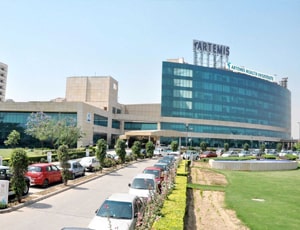
Aneurysm Clipping in Artemis Health Institute: Costs, Top Doctors, and Reviews

Gurgaon, India

3.3 ( 4 Reviews )
  • Joint Commission International, or JCI
  • National Accreditation Board for Hospitals & Healthcare Providers (NABH)

Artemis Hospital, established in 2007 in Gurgaon, India, is a 750+ bed, state-of-the-art multi-speciality hospital and the first in Gurgaon accredited by JCI and NABH. A flagship of the Apollo Tyres Group, it offers advanced care across cardiology, oncology, orthopaedics, neurology, and transplant medicine, supported by modern infrastructure and 60+ world-class operating theatres. Its Centres of Excellence span critical areas like heart, cancer, neurosciences, orthopaedics, and women & child care. Guided by values of Service, Compassion, and Integrity, Artemis combines innovation, technology, and affordability, making it a trusted international healthcare destination for comprehensive and compassionate patient care.

Aneurysm Clipping in Medanta - The Medicity: Costs, Top Doctors, and Reviews

Gurgaon, India

3.4 ( 1 Reviews )
  • Joint Commission International, or JCI
  • National Accreditation Board for Hospitals & Healthcare Providers (NABH)

Medanta – The Medicity, Gurugram, founded by renowned cardiac surgeon Dr. Naresh Trehan, is a leading multi-super speciality hospital offering advanced yet affordable healthcare. Spread across a 43-acre campus, it houses 1,391 beds, 270 ICU beds, 40 operation theatres, and 900+ doctors across 30+ specialities. Accredited by JCI, NABH, and NABL, Medanta is designed per American Institute of Architects’ healthcare guidelines. Recognised as the Best Private Hospital in India (2020–2025) and among the World’s Top 250 Hospitals (Newsweek 2024), it excels in Cardiac Care, Cancer, Neurosciences, Gastro, Orthopaedics, and Renal Care, ensuring world-class, collaborative, and compassionate treatment.

Aneurysm Clipping in Gleneagles Hospital Mumbai: Costs, Top Doctors, and Reviews

Mumbai, India

  • Joint Commission International, or JCI
  • Gleneagles Hospital, Parel, Mumbai, is a premier quaternary-care multispeciality hospital and a top destination for complex medical care in Western India.
  • Renowned for multi-organ transplants and advanced surgeries, the hospital offers specialised treatment across Cardiology, Neurology, Gastroenterology, Hepatology, Nephrology, Urology, Orthopaedics, Critical Care, Interventional Radiology, Gynaecology, and General Medicine.
  • Equipped with state-of-the-art diagnostic and surgical technology, including 3-Tesla MRI, 128-slice CT Scan, Bi-plane Cath Lab, and robotic surgery systems, Gleneagles provides integrated, patient-focused care.
  • Its expert team of doctors, nurses, and support staff ensures high standards of safety, efficiency, and compassionate care, making it a trusted healthcare destination for patients in Mumbai and beyond.
Aneurysm Clipping in Max Super Specialty Hospital, Vaishali: Costs, Top Doctors, and Reviews

Ghaziabad, India

4.9 ( 1 Reviews )
  • National Accreditation Board for Testing and Calibration Laboratories (NABL)
  • National Accreditation Board for Hospitals & Healthcare Providers (NABH)
  • Max Super Speciality Hospital, Vaishali, Ghaziabad, is a leading multi-speciality hospital with 387+ beds and 37+ clinical specialities, offering advanced care in Cardiology, Neuro Sciences, Oncology, Orthopaedics, Transplants, Gastroenterology, and Reconstructive Surgery.
  • Supported by 389+ doctors and 1038+ trained staff, the hospital combines state-of-the-art technology, including robotic surgery and advanced imaging systems, with compassionate, patient-centred care.
  • Accredited by NABH and NABL, Max Vaishali is a trusted destination for both domestic and international patients seeking high-quality, integrated medical services.
Aneurysm Clipping in Max Hospital, Gurgaon: Costs, Top Doctors, and Reviews

Gurgaon, India

  • ISO 9001
  • National Accreditation Board for Hospitals & Healthcare Providers (NABH)
  • Max Hospital Gurugram is a leading multi-speciality healthcare centre in Haryana, renowned for its advanced clinical expertise and patient-focused care.
  • Established in 2007, it is part of the trusted Max Healthcare network and has treated over 500,000 patients across 35+ specialities.
  • The hospital is equipped with modern medical technology, internationally trained doctors, and superior clinical infrastructure.
  • Known for its excellence in Cardiology, Oncology, Neurosciences, Orthopaedics, Gastroenterology, and Women & Child Care, Max Hospital is a preferred choice for both domestic and international patients seeking high-quality treatment with compassionate care.
Aneurysm Clipping in Indraprastha Apollo Hospital: Costs, Top Doctors, and Reviews

Delhi, India

4.4 ( 5 Reviews )
  • Joint Commission International, or JCI

Indraprastha Apollo Hospital is known for delivering treatment to over 200,000 patients every year; 10,000 of which are generally medical tourists. The efficient team of doctors has the record of 99.6 percent success rate. Indraprastha Apollo Hospital deals in treatment of over 50 specialities.  

Let’s see some of the features of the infrastructure:

  • Spread over 15 acres, the hospital has 710 beds.
  • 6 beds dedicated to bone marrow transplant units with very strict infection control practices.
  • 64-Slice Scan coupled with data acquisition which provides highest temporal resolution
  • One of the hospitals to be using Da Vinci Robotics Surgery System
  • In South Asia, the Spect-CT and Pet-CT got their first installation at Indraprastha Apollo Hospital in India
  • Technologies such as PET- MR, BrainLab Navigation System, PET-CT, Portable CT Scanner, Tilting MRI, NovalisTx, Cobalt based HDR Brachytherapy, Hyperbaric Chamber, DSA Lab, Fibroscan, 3 Tesla MRI, Endosonography, 128 Slice CT scanner are all installed at the hospital.
  • The Cancer Institute at Indraprastha Apollo is equipped with a highly advanced Radiation Oncology Center with ClinaciX, NovalisTx, and HDR-Brachytherapy.
  • It is equipped with the largest Sleep Lab in Asia, & has one of the largest Dialysis Units in India.
  • A large number of ICU beds than any other Private Hospitals in India.
  • WIFI is accessible across the whole campus.
Aneurysm Clipping in Apollo Hospitals: Costs, Top Doctors, and Reviews

Hyderabad, India

  • Joint Commission International, or JCI

Apollo Hospitals located in Hyderabad, India is accredited by JCI, NABH. Also listed below are some of the most prominent infrastructural details:

  • A premier multi-specialty hospital with 477-bed capacity
  • More than 50 specialties, super-specialties
  • 12 Centers of Excellence
  • The Institutes for Heart Diseases, Neurosciences, Cancer, Emergency, Orthopaedics, Renal Diseases, and Transplants
  • Centers of Excellence are known for patient care, training and research
  • Doctors with years of truly global experience in healthcare delivery
Aneurysm Clipping in Star Hospitals: Costs, Top Doctors, and Reviews

Hyderabad, India

  • National Accreditation Board for Hospitals & Healthcare Providers (NABH)
  • National Accreditation Board for Testing and Calibration Laboratories (NABL)

Star Hospitals located in Hyderabad, India is accredited by NABH, NABL. Also listed below are some of the most prominent infrastructural details:

  • The bed capacity of Star Hospitals, Hyderabad, India is 130.
  • The hospital has Intensive Care Units which are upgraded with the latest technologies.
  • International patient care services are applied to make the process of medical travel easier for international patients.
  • Centres of Excellence across disciplines such as Cardiac Sciences, Renal Sciences, Critical Care, ENT, Spine Surgery etc.
  • A radiology centre which has been digitised.
  • There are Centers of Excellence for prominent specialties such as cardiac care and neurosciences, there are a total of six.
Aneurysm Clipping in Sterling Wockhardt Hospital: Costs, Top Doctors, and Reviews

Mumbai, India

  • National Accreditation Board for Testing and Calibration Laboratories (NABL)

Sterling Wockhardt Hospital located in Mumbai, India is accredited by NABH. Also listed below are some of the most prominent infrastructural details:

  • The bed capacity of Sterling Wockhardt Hospital is 50.
  • Critical care and complex cases resolution is done with excellent results.
  • Emergency departments with 3 beds capacity and Intensive Care Unit with 10 beds capacity.
  • The healthcare delivery focus of the hospital is both on prevention as well curing the conditions.
  • Diagnostics are well developed with the latest technological developments.
  • Pharmacy, operating rooms, lab services are at par with the best in the country.
  • 24/7 ambulance services to cover healthcare requirements in Panvel and Vashi.
  • Accommodation, airport transfers, flight bookings and translation services are all available for international patients.

Need Some Advice From Our Experts?

Request a Call Back Now!

Our team of healthcare experts would be happy to assist you

trusted Patientstrusted Patients+99
Trusted by 50000+ Patients
Required | alphabets and spaces
Required | A valid, working email address
Required | A valid contact

Process Involved for Aneurysm Clipping in India

  • Diagnosis and Evaluation: Scans such as CT, MRI, or angiography are performed to locate the aneurysm and determine if clipping is the most suitable treatment option.
  • Preoperative Preparation: The patient undergoes health checks, stops certain medications if needed, and receives counselling about the surgery and recovery.
  • Anaesthesia and Positioning: The patient is administered general anaesthesia, and the head is positioned to provide optimal access to the aneurysm.
  • Craniotomy: A small portion of the skull is carefully removed to reach the aneurysm site.
  • Clipping the Aneurysm: A tiny metal clip is gently placed at the base of the aneurysm to stop blood flow and prevent the aneurysm from rupturing.
  • Closing the Skull and Wound: The skull bone is replaced and secured, and then the scalp is stitched or stapled to close the wound.
  • Immediate Recovery Monitoring: The patient is moved to the ICU, where brain activity and vital signs are closely monitored to detect any early complications.
  • Postoperative Care and Rehabilitation: Once stable, the patient begins recovery with medications, rest, and physiotherapy. Regular follow-ups and lifestyle changes support long-term healing.
  • Ruptured Brain Aneurysm: When an aneurysm bursts and causes bleeding in the brain, clipping is done to stop further blood flow and prevent life-threatening complications.
  • Unruptured Brain Aneurysm: Clipping is also used to treat aneurysms that haven’t ruptured but have a high chance of bursting due to their size or location.
  • Large or Irregular Aneurysms: Aneurysms that are growing, unusually shaped, or challenging to treat with coiling are often managed through surgical clipping.
  • Aneurysms Causing Pressure Symptoms: If an aneurysm presses on nearby nerves or brain tissue, causing pain, vision problems, or seizures, clipping can relieve the pressure.
  • Recurrent Aneurysm After Coiling: If an aneurysm reopens after coiling or remains incompletely sealed, clipping may be necessary for long-term closure and safety.
  • Pre-Surgical Assessment: Doctors perform scans like CT, MRI, or angiography to confirm the aneurysm’s size, shape, and location. The patient’s general health is also assessed to ensure readiness for surgery.
  • Anaesthesia Administration: The patient is placed under general anaesthesia to remain unconscious and pain-free during the entire procedure.
  • Craniotomy: A section of the skull is gently removed to allow the surgeon to reach the affected area in the brain. This procedure is performed with high accuracy to avoid damage.
  • Aneurysm Identification: Using advanced surgical tools and a microscope, the surgeon gently separates brain tissues to locate the aneurysm without harming nearby structures.
  • Clipping the Aneurysm: A small metal clip is carefully attached to the neck of the aneurysm.. This blocks blood flow into it, preventing rupture or re-bleeding.
  • Closing the Skull and Wound: After the surgery is complete, the bone piece is securely reattached using small screws or plates. The skin on the head is then closed neatly with stitches or staples.
  • Immediate Recovery Monitoring: The patient is shifted to the ICU for close observation. Vital signs, brain activity, and surgical site healing are monitored round-the-clock.
  • Post-Surgery Rehabilitation: Once the patient is stable, gentle movement and therapy begin. Regular follow-ups, medications, and lifestyle changes are part of continued recovery.
  • Craniotomy
  • Angiography
  • Intubation
  • Ventilation
  • Catheterisation
  • Hemostasis
  • Neuroimaging
  • Suturing
  • Coiling (if done before or alongside)
  • Monitoring
  • Sedation
  • Clipping
  • Drainage
  • Irrigation
  • Closure
  • Embolisation (in some hybrid cases)
  • Lasting Protection: The clip stops blood flow into the aneurysm, helping to prevent future complications or rupture.
  • Works for Difficult Cases: It is suitable for large or unusual-shaped aneurysms that may not respond well to other procedures.
  • Protects Against Rebleeding: For patients with a history of rupture, clipping helps lower the chance of rebleeding.
  • Stays in Place for Life: Once placed, the clip usually does not need to be replaced or adjusted again.
  • Precise Surgical Control: Surgeons can directly visualise and treat the aneurysm, ensuring accuracy during the procedure.
  • Improves Patient Outcome: When done early, it can reduce the risk of stroke, brain damage, or serious complications.
  • Minimal Recurrence Risk: After clipping, it’s scarce for the same aneurysm to return or reopen.
False
  • Please complete the form to provide us with relevant information about your condition.
  • Consult with Our Healthcare Expert: One of our qualified specialists will contact you for a consultation.
  • Receive a Detailed Treatment Plan: After examining your situation, we will provide you with a detailed treatment plan that includes expert opinions and a cost breakdown for various options.
  • Select your preferred option: Choose the therapy option that best suits your needs.
  • Seamless Organisation: We will manage all the details, including visas, flights, accommodations, and transfers, for a stress-free journey.

Instantly Connect with our Aneurysm Clipping Specialists

Doctor 1
Doctor 2
Doctor 3
Doctor 4
Doctor 5
Doctor 6
Doctor 7
Doctor 8
Our Services to Better your Experience

Opinion & Option

We submit the most accurate opinion and options from one or more countries for your review

Consult Privately

Consult with a certified specialist privately on our telemedicine platform even before you decide to travel

Logistics

We handle flights, visas, transfers, and accommodation—so you can focus on your health.

Recovery

Our In-house rehabilitation service packages to better your recovery and treatment outcome

Other Popular Countries for Aneurysm Clipping

Our network connects you with the leading medical tourism destinations globally, offering a wide range of cities, top doctors, and flexible pricing options.

United Kingdom
Vietnam
United Arab Emirates
Singapore

Frequently Asked Questions

Factors that raise the risk of Aneurysm Clipping in India include: -

  • A hot and humid climate may increase the chance of surgical site infections if hygiene is not strictly maintained.
  • Limited access to high-end neurosurgical facilities in rural areas.
  • Delayed diagnosis due to a lack of awareness or affordability of advanced imaging.
  • Inconsistent follow-up care because of insurance or distance from treatment centres.
  • High prevalence of uncontrolled hypertension and smoking, which raises surgical risk.

In major centres, the success rate is about 85–90%. Results may vary in smaller cities due to limited infrastructure, but outcomes are strong when performed in top-tier hospitals.

Fortis Hospital and Artemis Hospital are renowned for performing lesionectomies with a focus on precision, combining expert neurosurgeons, advanced imaging, and personalised rehabilitation programs.

The following are the precautions to take after an Aneurysm Clipping in India:

  • Avoid crowded or dusty places to reduce the risk of infection, especially during hot and humid weather.
  • Keep the surgical area clean and dry, and follow wound care instructions strictly.
  • Manage blood pressure regularly, as uncontrolled hypertension increases re-bleed risk.
  • Stick to follow-up visits even if you need to travel far; rural areas may have limited access to specialists.

Author

Tanya Bose

MSc Biotechnology

2.5 Years of Experience

Tanya Bose is a medical content specialist with a strong medical background. She has completed her Bachelor's and Master’s in Biotechnology from Amity University. With a deep understanding of biomedical sciences and research, she develops authoritative and patient-focused medical content covering treatments, surgical procedures, and healthcare innovations. Her writing emphasizes accuracy, clarity, and evidence-based information to help readers better understand complex medical topics. She is dedicated to improving patient awareness and supporting informed healthcare decisions by delivering trustworthy medical insights in a clear and accessible format. . View More

Reviewer

⁠Dr Rakesh Kumar Dua

Spine & Neurosurgeon

25 Years of Experience

Dr. Rakesh Dua has more than 25+ years of clinical experience in spine surgeries. He is currently providing his services as Director, Neuro & Spine Surgery at Fortis Hospital, Shalimar Bagh. Before joining Fortis Hospital, he was associated with Max super-specialist Hospital, Shalimar Bagh as Director Neurosurgery & Head Neuro Spine, and with UCMS & GTB hospital as head of the neurosurgery department. View More