Would you like some help? We are available.
Get Help
Kuala Lumpur, Malaysia
Prince Court is a private medical facility in the center of Kuala Lumpur that has 277 individual beds. Our dedication is to provide you with the best treatment possible from the time you arrive until you depart, healthier and happier. We are well-known for our top-notch facilities, cutting-edge technology, and friendly customer service.

Kuala Lumpur, Malaysia
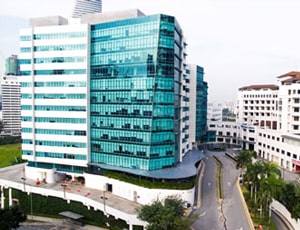
Parkway Pantai located in Kuala Lumpur, Malaysia is accredited by JCI. Also listed below are some of the most prominent infrastructural details:

Kuala Lumpur, Malaysia
Sunway Medical Centre has initiated a comprehensive expansion plan close to its current hospital facility to enhance its ability to provide services to the global market. The new Cancer Radiosurgery Center and Nuclear Medicine Center, which will also house additional Centers of Excellence like the Digestive Health Center and Dialysis Center, marked the completion of Tower C's first phase in October 2016.

Kuala Lumpur, Malaysia
In Kuala Lumpur, Malaysia, ParkCity Medical Centre is a 300-bed, cutting-edge, interdisciplinary private hospital that provides award-winning private healthcare in an environment of lush vegetation.

Kuala Lumpur, Malaysia
Subang Jaya Medical Center is renowned for pioneering radiation oncology treatments and infrastructure in Malaysia. The hospital also has a state-of-the-art Cancer Radiosurgery Centre (CRC), which is fully furnished with the latest medical technology for cancer detection, monitoring, and treatment.

Kuala Lumpur, Malaysia
Situated at the junction of Petaling Jaya and Shah Alam, close to the Oasis Ara, Ara Damansara Medical Centre boasts a serene, luxurious ambiance.
The Centre has been awarded several prestigious awards such as the Global Health Asia Pacific Awards 2023, Newsweek Best Specialized Hospital APAC 2023, Healthcare Asia Awards 2023, and Malaysian Healthcare Wellness Excellence.

Kuala Lumpur, Malaysia
Apart from in-detail treatment procedures available, Beverly Wilshire Medical Centre located in Kuala Lumpur, Malaysia has a wide variety of facilities available for International Patients. Some of the facilities which are provided by them are Accommodation, Airport Transfer, Choice of Meals, Interpreter, SIM, TV inside room. Also listed below are some of the most prominent infrastructural details:

Kuala Lumpur, Malaysia
As a tertiary care hospital, Bukit Tinggi Medical Centre (BTMC) is committed to providing high-quality, reasonably priced healthcare.
With a focus on patient care and a team of committed medical professionals and personnel, we want to realize our ambition of becoming Klang's go-to healthcare provider. Orthopedics, neurosurgery, cardiac surgery, obstetrics and gynecology, pediatrics and rehabilitation, aesthetic surgery, and other specialties are all part of our multidisciplinary team approach. Additionally, BTMC has a Health Screening Center that provides a range of health packages to meet the requirements of diverse patient types.
Need Some Advice From Our Experts?
Our team of healthcare experts would be happy to assist you

+99


Opinion & Option
We submit the most accurate opinion and options from one or more countries for your review
Consult Privately
Consult with a certified specialist privately on our telemedicine platform even before you decide to travel
Logistics
We handle flights, visas, transfers, and accommodation—so you can focus on your health.
Recovery
Our In-house rehabilitation service packages to better your recovery and treatment outcome
Our network connects you with the leading medical tourism destinations globally, offering a wide range of cities, top doctors, and flexible pricing options.


.png)
Adjibi's world began to shrink at the age of 27. Her thighs and lower back ached constantly, depriving her of energy and making even sitting intolerable. Due to her intricate spinal condition, the young Senegalese woman felt that her alternatives for local treatment were restricted.
Some of the leading hospital groups in Malaysia are:
These hospitals have state-of-the-art infrastructure and are well-equipped with advanced technologies. The Malaysian healthcare system is advanced due to extensive support from the Malaysian government through investment in hospital’s medical infrastructure. Supported by excellent facilities and well-trained staff, the hospitals in Malaysia have witnessed tremendous growth and are on par with well-developed countries.
The healthcare systems in Malaysia receive accreditation from Malaysian Society for Quality in Health (MSQH) and JCI. Total 12 hospitals in Malaysia have JCI certification and each of them complies with the global standards. MSQH has recently partnered with Malaysia’s Ministry of Health, Association of Private Hospitals Malaysia and the Malaysian Medical Association, to work together on raising the standards of healthcare in Malaysia. The process of receiving healthcare accreditation in Malaysia is very stringent and the hospitals are strictly evaluated on quality parameters.
An emerging global giant in medical tourism, Malaysia has one of the most strong healthcare systems in the world supported by solid governmental participation in the market and public-private healthcare collaboration. Supported by cutting-edge technology, advanced infrastructure, and skilled medical professionals, Malaysia provides quality and affordable healthcare. Malaysia is attracting a large number of medical tourists every year for cardiology and fertility treatments. Malaysia is also popular among medical tourists because of its food, cultural diversity, and heritage spots.
Malaysia has highly trained doctors and many of them are trained internationally before returning to work in their home country. Malaysia has a very stringent evaluation process for doctor’s certification and all medical professionals have to complete three years of service in the public sector to ensure they have achieved an extreme level of professionalism. Doctors in Malaysia have received worldwide recognition for their high success rates in IVF and cardiac procedures. Malaysian Healthcare Travellers Program (MHTP) allows all medical tourists to apply for eVISA for traveling to Malaysia and residing there for a period of 30 days.
Malaysia offers all medical tourists the facility of applying for eVisa for traveling to the country for treatment and reside there for a period of 30 days. A person can get eVisa through online platforms and its validity expires in 3 months. Below things are required for obtaining an eVisa:
Two attendants who are close relatives are allowed to accompany the applicant under separate Medical Attendant Visas.
Malaysia is known for providing some popular procedures, with high success rates, such as prostate surgery, cosmetic surgery, dental work, vitiligo treatment, cancer care, discectomy. Malaysia has effectively treated a large number of cancer patients through gene therapy which brings several benefits like reduced treatment costs, shorter treatment time, and minimal adverse effects of current chemo-drugs. With a high success rate of 55 to 60, IVF in Malaysia is much affordable and performed using the latest technology. Malaysia has highly trained orthopedic doctors who have reported high success rates in procedures like shoulder replacement, knee replacement surgery, and hip replacement.
Some of the leading medical tourism destinations in Malaysia are:
The cities in Malaysia deliver a world-class treatment experience through their superior hospitals backed with state-of-art infrastructure and talented doctors. Both Penang and Kuala Lumpur are the centres of attraction for medical tourists as they are serviced by airlines from around the world; have a number of reasonably-priced hotel rooms and an excellent public transportation system. A large number of hospitals, scenic value, rich culture, availability of translators, and safety of tourists also contribute to the popularity of these cities in medical tourism.
A medical tourist traveling to Malaysia needs to get below vaccines:
Before a trip to Malaysia, you can get pre-exposure vaccination against rabies. Children are more vulnerable. It is always suggested that a person traveling to Malaysia get Japanese encephalitis vaccination. International Certificate of Vaccination would be required if you are coming from a country with a high risk of Yellow Fever.
Some of the leading hospital groups in Malaysia are:
These hospitals have state-of-the-art infrastructure and are well-equipped with advanced technologies. The Malaysian healthcare system is advanced due to extensive support from the Malaysian government through investment in hospital’s medical infrastructure. Supported by excellent facilities and well-trained staff, the hospitals in Malaysia have witnessed tremendous growth and are on par with well-developed countries.
The healthcare systems in Malaysia receive accreditation from Malaysian Society for Quality in Health (MSQH) and JCI. Total 12 hospitals in Malaysia have JCI certification and each of them complies with the global standards. MSQH has recently partnered with Malaysia’s Ministry of Health, Association of Private Hospitals Malaysia and the Malaysian Medical Association, to work together on raising the standards of healthcare in Malaysia. The process of receiving healthcare accreditation in Malaysia is very stringent and the hospitals are strictly evaluated on quality parameters.
An emerging global giant in medical tourism, Malaysia has one of the most strong healthcare systems in the world supported by solid governmental participation in the market and public-private healthcare collaboration. Supported by cutting-edge technology, advanced infrastructure, and skilled medical professionals, Malaysia provides quality and affordable healthcare. Malaysia is attracting a large number of medical tourists every year for cardiology and fertility treatments. Malaysia is also popular among medical tourists because of its food, cultural diversity, and heritage spots.
Malaysia has highly trained doctors and many of them are trained internationally before returning to work in their home country. Malaysia has a very stringent evaluation process for doctor’s certification and all medical professionals have to complete three years of service in the public sector to ensure they have achieved an extreme level of professionalism. Doctors in Malaysia have received worldwide recognition for their high success rates in IVF and cardiac procedures. Malaysian Healthcare Travellers Program (MHTP) allows all medical tourists to apply for eVISA for traveling to Malaysia and residing there for a period of 30 days.
Malaysia offers all medical tourists the facility of applying for eVisa for traveling to the country for treatment and reside there for a period of 30 days. A person can get eVisa through online platforms and its validity expires in 3 months. Below things are required for obtaining an eVisa:
Two attendants who are close relatives are allowed to accompany the applicant under separate Medical Attendant Visas.
Malaysia is known for providing some popular procedures, with high success rates, such as prostate surgery, cosmetic surgery, dental work, vitiligo treatment, cancer care, discectomy. Malaysia has effectively treated a large number of cancer patients through gene therapy which brings several benefits like reduced treatment costs, shorter treatment time, and minimal adverse effects of current chemo-drugs. With a high success rate of 55 to 60, IVF in Malaysia is much affordable and performed using the latest technology. Malaysia has highly trained orthopedic doctors who have reported high success rates in procedures like shoulder replacement, knee replacement surgery, and hip replacement.
Some of the leading medical tourism destinations in Malaysia are:
The cities in Malaysia deliver a world-class treatment experience through their superior hospitals backed with state-of-art infrastructure and talented doctors. Both Penang and Kuala Lumpur are the centres of attraction for medical tourists as they are serviced by airlines from around the world; have a number of reasonably-priced hotel rooms and an excellent public transportation system. A large number of hospitals, scenic value, rich culture, availability of translators, and safety of tourists also contribute to the popularity of these cities in medical tourism.
A medical tourist traveling to Malaysia needs to get below vaccines:
Before a trip to Malaysia, you can get pre-exposure vaccination against rabies. Children are more vulnerable. It is always suggested that a person traveling to Malaysia get Japanese encephalitis vaccination. International Certificate of Vaccination would be required if you are coming from a country with a high risk of Yellow Fever.