Affordable World-class Treatment - Accredited Hospitals - Free Treatment Plan in 24 Hrs

Share your details to receive a personalised treatment plan, estimated costs, hospital recommendations, and expert guidance, “completely free.”
Your information is protected with HIPAA-compliant security standards. We only share your details with hospitals after your consent.
The cost of Bipolar Disorder Treatment in India is USD 5500 - USD 15000
Additionally, factors like the duration of treatment, the need for follow-up care, and the use of advanced technologies or specialized treatments can further influence the overall cost.
Bipolar disorder is a mental illness that involves unusual shifts in mood – from the ‘highs’ of mania to the ‘lows’ of depression. The Recommended course of action for bipolar disorder is the use of medication to control symptoms as well as the use of antidepressant medications and psychological counseling for sustaining moods. The approach used is normally focused on the individual needs of the person in question.
The therapy process is most of the time personalized and can change course with time as new conditions develop in the patient. Another aspect of the disorder is that the affected person should visit the healthcare providers for follow-up more frequently than the healthy individual.
| City | Cost (USD) | |
|---|---|---|
| Calicut | $4,400 – $12,000 | Explore More |
| Delhi | $5,500 – $15,000 | Explore More |
| Delhi / NCR | $4,400 – $12,000 | Explore More |
| Faridabad | $5,500 – $15,000 | Explore More |
| Gurgaon | $5,500 – $15,000 | Explore More |
| Kalka | $4,400 – $12,000 | Explore More |
| Ludhiana | $4,400 – $12,000 | Explore More |
| Mumbai | $5,500 – $15,000 | Explore More |


General & Laparoscopic Surgeon
33 Years of Experience
Last Reviewed - June 2026
Our dedicated Medical Patient Advisors are here to answer your questions, help you compare treatment options, estimate costs, and guide you through every step of your healthcare journey.
Extreme mood swings characterized by emotional highs (mania or hypomania) and lows (depression) are the characteristic features of bipolar disorder, formerly known as manic depression.
When you're depressed, you could experience feelings of sadness or despair as well as lose interest in or pleasure from most things. Mania or hypomania, which is less severe than mania, can cause mood swings that include euphoria, excessive energy, or extraordinary irritability. Sleep, energy, activity, judgment, behavior, and the capacity for thinking clearly can all be impacted by these mood changes.
Mood swing episodes may occur infrequently or frequently throughout the year. Some people may not have any emotional symptoms in between bouts, but most people will. Even though bipolar disorder is a lifelong diagnosis, you can control other symptoms like mood swings by adhering to a treatment plan. The majority of the time, psychotherapy and medication are used to manage bipolar disorder.
Although the exact cause of bipolar disorder is uncertain, several factors, including:
Treatment for bipolar disorder is intended to help control the severe mood swings, mania, and sadness that are linked to the illness. It seeks to improve everyday functioning and quality of life, stabilise mood, and lessen the frequency and intensity of episodes. Unmanaged bipolar disease can have a profound negative influence on relationships, employment, general health, and the risk of suicide, so treatment is crucial. Bipolar disorder cannot be cured by treatment, although it can be managed over the long term.
Suppose you or someone you know is experiencing excessive emotional highs or lows, dangerous conduct, or depressed symptoms that last longer than two weeks. In that case, MediGence can help you connect with skilled psychiatrists. MediGence can help set up early consultations, which are essential if there are warning indications such as acute mania, psychosis, or suicidal thoughts.
The first step in preparation is a comprehensive psychiatric evaluation that includes medical history, symptom tracking, and a family history of mental disease. To spot trends, patients could be advised to maintain a mood journal. Blood testing or other evaluations may be performed to rule out medical reasons for mood swings.
Treatment for bipolar disorder usually entails:
Treatment is continuous and long-term. Bipolar disorder management is usually a lifelong procedure, even though initial symptom control may take a few weeks. Over the course of several months, the effects of the medication are tracked, and therapy is modified as necessary.
Medication side effects, such as tremors, sleepiness, or weight gain, are examples of potential risks. If medications are not taken regularly, there is also a chance of mood instability. If taken carelessly, certain medications, such as antidepressants, can cause mania. Relationship problems, financial difficulties, and substance abuse are all made more likely by untreated or inadequately managed bipolar disease.
People with bipolar disorder can have stable, fulfilling lives if they receive the right care. Treatment improves emotional regulation, everyday functioning, and lessens the severity and frequency of mood episodes. Additionally, it lowers the chance of self-harm and hospitalisation. Medication can offer steady mood stability, and therapy helps in the development of coping mechanisms.
Bipolar disorder recovery is a continuous process. After starting treatment, patients may require multiple medications and therapy changes to determine what works best. Recovery is greatly helped by support networks, such as friends, family, or support groups, and follow-up appointments are essential. Consistent lifestyle choices (stress, food, and sleep) support long-term stability. Patients and caregivers must be educated about the warning signs of relapse.
When taken regularly, bipolar illness medication is quite successful. About 70–80% of people report considerable symptom alleviation and better functioning after receiving the proper treatment. Continued treatment and lifestyle control are essential for long-term stability and preventing relapses.
Delhi, India
Our experienced Medical Patient Advisors have supported 100,000+ patients across 120+ countries with personalised treatment plans, hospital recommendations, cost estimates, and travel assistance, all free.
✓ Free Consultation ✓ No Obligation ✓ Personalized Treatment Plan ✓ Response Within 24 Hours
Your medical info has is HIPAA-style confidential. We never share with hospitals without your consent.

Opinion & Option
We submit the most accurate opinion and options from one or more countries for your review
Consult Privately
Consult with a certified specialist privately on our telemedicine platform even before you decide to travel
Logistics
We handle flights, visas, transfers, and accommodation—so you can focus on your health.
Recovery
Our In-house rehabilitation service packages to better your recovery and treatment outcome
The cost of treatment for bipolar disorder in India is USD 800- 9000 for treatment of 7-90 days. The cost may vary depending on the severity of the patient’s condition.
The treatment plan for bipolar disorder is curated by a team of psychiatrists, psychologists, and psychotherapists. The experts carefully go through the patient’s history and identify the type of bipolar disorder they have. The cost is based on various factors like diagnostic evaluations, medications, therapy, hospitalization, frequency of consultations, etc.
India has some of the best clinics and hospitals offering treatment for bipolar disorder. Some of them include:
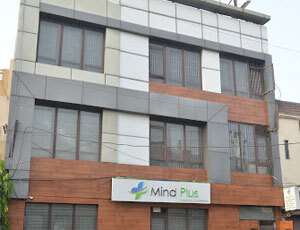
MindPlus Hospital Kalka
At MindPlus Kalka, a team of highly qualified psychiatrists, psychologists, and social workers provide exceptional care to patients dealing with bipolar disorder. The facility is known for its peaceful environment, ensuring a safe and open space for patients. Mindplus Kalka offers a range of therapeutic approaches for bipolar disorder. These include Cognitive Behavior Therapy, Cognitive Therapy, Dialectical Behavior Therapy, Acceptance and Commitment Therapy, Motivational Enhancement Therapy, Exposure and Response Prevention Therapy, Rational Emotive Behavioral Therapy, Psychodynamic Therapy, and Supportive Therapy. The hospital offers in-patient care and comprehensive rehabilitation programs to support patients in their recovery.
MindPlus Ludhiana has a highly qualified team of world-renowned psychiatrists, psychologists, and social workers. The facility offers a relaxing, serene environment, a safe atmosphere, and open space. It is widely recognized for its dedication to delivering unique and evidence-based treatment for bipolar disorder. Therapies available at the facility include Cognitive Behavior Therapy, Cognitive Therapy, Dialectical Behavior Therapy, Acceptance and Commitment Therapy, Motivational Enhancement Therapy, Exposure and Response Prevention Therapy, Rational Emotive Behavioral Therapy, Psychodynamic, Supportive Therapy, etc. The hospital also offers OPD services and rehabilitation programs.
Bipolar disorder is a mental illness that requires planned treatment by a doctor who specializes in mental health conditions (a psychiatrist). The treatment team may also include psychologists and a social worker.
Some of the best-rated, certified, and experienced psychologists and psychiatrists who treat bipolar disorder in India are listed below:
Dr. Amruta Kashikar (Psychologist)
Dr. Srishti Agrawal (Psychologist)
Dr. Pankaj Mahal (Psychiatrist)
Dr. Asweeja Nagesh (Psychiatrist)
Dr. Jasdeep Saluja (Psychiatrist)
Dr. Keerat Kaur (Psychiatrist)
Have your reports reviewed by independent oncology experts to help you make a confident treatment decision, all online within 48 hours.
Upload Your Reports