Your Notifications
All done, no notifications

Laparoscopic Gall Bladder Removal Cost in Thailand

USD 3000 - USD 5500

Affordable World-class Treatment - Accredited Hospitals - Free Treatment Plan in 24 Hrs

1
Days in Hospital
13
Post-Hospital
95 - 99%
Success Rate
Laparoscopic Gall Bladder Removal
JCI/ISO 100,000+ Patients 24X7 Coordinator Visa & Travel handled
Your all-in-one medical travel platform for treatment, recovery & care.

Get Your Personalised Treatment Plan in Just 24 Hours.

Share your details to receive a personalised treatment plan, estimated costs, hospital recommendations, and expert guidance, “completely free.”

Required | alphabets and spaces
Required | A valid, working email address
Required | A valid contact
Connect with an Expert

Your information is protected with HIPAA-compliant security standards. We only share your details with hospitals after your consent.

Estimated Treatment Cost
USD 3000 - USD 5500
All-inclusive • Hospital + Medications + Recovery Assistance + Dedicated Care Coordinator

International Quality. Affordable Care.

How Much Does Laparoscopic Gall Bladder Removal Cost in Thailand?

The cost of Laparoscopic Gall Bladder removal in Thailand typically ranges between USD 3000 - USD 5500.

However, this cost can vary depending on several factors, including the type and severity of the condition, treatment techniques chosen, the healthcare facility's location and reputation, the treating professionals' experience and specialisation, and the patient's overall health status.

Additionally, factors like the duration of treatment, the need for follow-up care, and the use of advanced technologies or specialised treatments can further influence the overall cost.

Factors Influencing the Cost of Laparoscopic Gall Bladder Removal:

  • Surgical Complexity: The cost may increase if the surgery is more complex or there are issues during the process.
  • Hospital and Location: Hospitals in urban areas or those with higher operating expenses may charge more than rural hospitals.
  • Pre-Treatment Tests: Diagnostic tests (e.g., ultrasound, blood work) and pre-surgery consultations can add to the total cost.
  • Post-Treatment Care: Follow-up visits, pain management medications, and additional treatments or therapies can increase the expense.
  • Length of Hospital Stay: Hospital stays may become more expensive due to complicated surgeries or complications.

A minimally invasive surgical operation called laparoscopic gallbladder removal, or laparoscopic cholecystectomy, removes the gallbladder. During this procedure, a laparoscope is used to remove the gallbladder.

A laparoscope, a lighted scope with a video camera, is inserted into one of the small incisions the surgeon creates in the belly and then inflated with carbon dioxide. The gallbladder is then removed by the physician using surgical instruments that are placed through the other incisions.

What's included in your Laparoscopic Gall Bladder Removal quote?

Key: Laparoscopic gall bladder removal surgery
Surgeon fee, anaesthesia, operating room charges
General surgeon consultations
Pre-operative evaluation, surgery, post-operative follow-ups
1-2-day hospital stay
Inpatient care, medications, and recovery monitoring
5–7-day in-country follow-up
Wound check, recovery assessment, and surgeon consultation
Visa & medical-visa invite letter
Airport pickup & transfers

Cost of Laparoscopic Gall Bladder Removal in Major Cities of Thailand

City Cost (USD)
Bangkok $3,000 – $5,500 Explore More

Laparoscopic Gall Bladder Removal - Thailand Vs the World

$0 - $0
$2k - $5k
$2k - $6k
$3k - $6k
$3k - $8k
$4k - $4k
$5k - $16k
$6k - $10k
$6k - $11k
$8k - $10k
$10k - $20k
Dr. Vijita Jayan
Author

BPT, MPT (Neuro)

18 Years of Experience

Last Reviewed - June 2026

With over 18 years of distinguished clinical experience, Dr. Vijita Jayan is a highly accomplished Clinical Director and Rehabilitation Specialist, renowned for her expertise in neuro-rehabilitation, functional recovery, and mobility-dependent case management. Her extensive practical knowledge enables her to design and implement individualized, evidence-based rehabilitation protocols that consistently yield measurable patient outcomes. A prolific researcher and academic writer, she has authored numerous peer-reviewed articles and research papers, significantly advancing the field of rehabilitative medicine. The recipient of multiple prestigious accolades, Dr. Jayan is widely regarded as one of the foremost authorities in Physical Medicine and Rehabilitation, continually shaping neuro-rehabilitative care through research, innovation, and clinical excellence.
View More
Dr. Pradeep Jain
Reviewer

General & Laparoscopic Surgeon

33 Years of Experience

Last Reviewed - June 2026

Dr. Pradeep Jain has completed his MBBS, MS - General Surgery, MCh - Surgical Gastroenterology/G.I. Surgery, and MCh - Surgical Oncology. He is a GastroIntestinal Surgeon, General Surgeon, Surgical Oncologist, Bariatric Surgeon par excellence with total experience of 36 years of which about 33+ years have been as a specialist
View More

Need Help Choosing the Right Treatment? Talk to a Medical Advisor

Our dedicated Medical Patient Advisors are here to answer your questions, help you compare treatment options, estimate costs, and guide you through every step of your healthcare journey.

15 min
Average response time

Serving Patients Worldwide in Multiple Languages.

Laparoscopic gallbladder removal is a minimally invasive surgical procedure used to remove a diseased or inflamed gallbladder. This small organ lies just below the liver in the right upper abdomen and stores bile, a liquid produced by the liver. Bile helps in the digestion and absorption of dietary fats by being released into the small bowel.

While the gallbladder plays a role in digestion, it is not essential for normal digestive function, and its removal is considered if it becomes significantly diseased or inflamed. Laparoscopic cholecystectomy, as it is formally known, involves making small incisions and using specialized tools to perform the surgery, making it the most common approach for gallbladder removal.

Reasons:

The prime reason for having a laparoscopic gallbladder removal is Cholelithiasis, the presence of gallstones. Apart from this patient might also need this surgery because of the following

  • Biliary dyskinesia: It occurs when the gallbladder doesn't empty bile properly.
  • Choledocholithiasis: This happens when the gallstones move to the common bile duct and cause a blockage
  • Cholecystitis: Inflammation of the gallbladder.
  • Pancreatitis: Inflammation of the pancreas, often related to gallstones.

Laparoscopic surgery is preferred over open surgery due to smaller incisions, which reduce the risk of infection, and bleeding, and shorten recovery time.

This operation removes gallstones that cause pain, infection (cholecystitis), or bile duct blockage. It is also performed for gallbladder dysfunction or inflammation. The removal of the gallbladder stops the recurrence of conditions and complications.

Consult a physician if you have recurring upper belly pain, particularly after fatty food, in combination with signs such as nausea, vomiting, fever, or jaundice. Imaging (ultrasound or CT scan) can diagnose gallstones or inflammation.

Before surgery, you'll have blood work, imaging, and a review of your medical history. You might need to discontinue blood thinners and fast for 6–8 hours. Your physician will also instruct you on managing any underlying medical conditions, such as diabetes or high blood pressure.

Laparoscopic cholecystectomy takes 3–4 tiny cuts in the abdomen. A laparoscope and instruments are passed in to remove and disconnect the gallbladder. It is less invasive, and the whole process is conducted under general anesthesia.

Surgery takes 45 minutes to 1 hour. It is sometimes done on an outpatient basis, although some patients, depending on their situation, will require a brief hospital stay.

  • Infection
  • Bleeding
  • Injury to nearby structures
  • Bile leakage

This procedure permanently relieves gallstone symptoms, prevents recurrence, and allows quicker recovery and less post-op pain than open surgery. It also enables the patient to get back to normal activities more quickly.

Most individuals go home the same day and recover in 1 to 2 weeks. Light exercise may be resumed after a few days, and the diet can gradually be resumed to normal. The recovery would take longer if complications or open surgery were needed.

Laparoscopic cholecystectomy is a highly successful operation, with an over 95% success rate, a low risk of complications, and excellent patient satisfaction.

Explore Hospitals ( 4 )

Bangkok, Thailand

JCI GHA
Starting
USD 6900

Bangkok, Thailand

JCI

Bangkok, Thailand

JCI ISO

Bangkok, Thailand

JCI

Get Your Laparoscopic Gall Bladder Removal
Plan in 24 hrs.

Our experienced Medical Patient Advisors have supported 100,000+ patients across 120+ countries with personalised treatment plans, hospital recommendations, cost estimates, and travel assistance, all free.

HIPAA-Compliant Data SecurityShared Only with Your Consent

Free Consultation No Obligation Personalized Treatment Plan Response Within 24 Hours

Required | alphabets and spaces
Required | A valid, working email address
Required | A valid contact

Your medical info has is HIPAA-style confidential. We never share with hospitals without your consent.

Process Involved for Laparoscopic Gall Bladder Removal in Thailand

  • Pre-Surgical Preparation: Ultrasounds, blood tests, fasting, and your anesthetic assessment will be performed.
  • Surgical Procedure: Incisions will be made, the laparoscope inserted, and the gallbladder removed.
  • Post-Surgical Recovery: Same-day discharge or short stay at the hospital, mild pain, and returning to normal activities in 1-2 weeks.
  • Laparoscopic Cholecystectomy (Minimally Invasive - Preferred)
  • Open Cholecystectomy (Traditional Surgery)
  • Have symptomatic gallstones (pain, nausea, bloating, or indigestion).
  • Suffer from chronic gallbladder inflammation (cholecystitis).
  • Experienced biliary colic (severe pain in the upper right abdomen).
  • Have gallbladder polyps larger than 1 cm (risk of cancer).
  • Be diagnosed with gallbladder dysfunction (biliary dyskinesia).
  • Abdominal Ultrasound
  • HIDA Scan (Cholescintigraphy)
  • Endoscopic Retrograde Cholangiopancreatography (ERCP)
  • Liver Function Tests (LFTs)
  • Permanent relief of gallbladder pain and discomfort.
  • Prevents complications such as gallbladder infection or pancreatitis.
  • Minimally invasive means less scarring and faster healing.
  • Very short recovery time (2 weeks back to normal activities).
  • Has low-risk complications compared to open surgery.
  • General Surgeon
  • Laparoscopic Surgeon
  • Gastroenterologist
  • Fill out the inquiry form: Fill out the form to provide us with the relevant information about your condition.
  • Consult with Our Healthcare Expert: One of our qualified specialists will contact you for a consultation.
  • Receive a Detailed Treatment Plan: After examining your situation, we will provide you with a detailed treatment plan that includes expert views and cost breakdowns for various choices.
  • Choose your preferred option: Choose the treatment option that suits you the best.
Jenny Wilson
Your Dedicated Medical Patient Advisor
Treatment planning • Hospital coordination • Multilingual support • Response within 15 minutes.
Our Services to Better your Experience

Opinion & Option

We submit the most accurate opinion and options from one or more countries for your review

Consult Privately

Consult with a certified specialist privately on our telemedicine platform even before you decide to travel

Logistics

We handle flights, visas, transfers, and accommodation—so you can focus on your health.

Recovery

Our In-house rehabilitation service packages to better your recovery and treatment outcome

Patient Stories

Claudia Boke Chacha Underwent Myomectomy in India
Claudia Boke Chacha
Patient from Kenya underwent Myomectomy Procedure in India

A 41 years old patient from Kenya underwent successful myomectomy procedure in India's leading Jaypee Hospital.

Ms. Fiona Whitecross
Patient From Australia underwent Varicose Veins Treatment in India

Ms. Fiona Whitecross decided to treat herself at Sri Ram Chandra Medical Center, Chennai. Dr. Radhakrishnan, one of the finest…

Conditions treated by Laparoscopic Gall Bladder Removal

Frequently Asked Questions

On an average, Laparoscopic Gall Bladder Removal in Thailand costs about $6900. In Thailand, Laparoscopic Gall Bladder Removal is conducted across many multispecialty hospitals.

Laparoscopic Gall Bladder Removal cost in Thailand varies from one hospital to the other. The Laparoscopic Gall Bladder Removal package cost usually includes all the expenses related to pre and post surgery expenses of the patient. The treatment cost usually includes the expenses related to hospitalization, surgery, nursing, medicines, and anesthesia. Extended hospital stay, complications after the surgery or new diagnosis may affect the overall cost of Laparoscopic Gall Bladder Removal in Thailand.

There are several best hospitals for Laparoscopic Gall Bladder Removal in Thailand. The top hospitals for Laparoscopic Gall Bladder Removal in Thailand include the following:

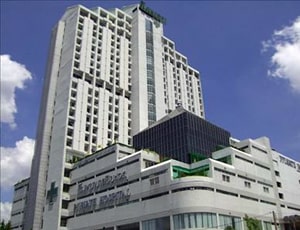
  1. Bangpakok 9 International Hospital (BPK 9)

Upon discharge from the hospital after Laparoscopic Gall Bladder Removal in Thailand, the patients are advised to stay for about 14 days for recovery. This is important to ensure that the surgery was successful. During this time, control and follow-up tests take place to check for medical fitness.

There are certain expenses additional to the Laparoscopic Gall Bladder Removal cost that the patient may have to pay for. These are the chanrges for daily meals and hotel stay outside the hospital. These charges starts from USD 50 per person.

Some of the cpopular cities in Thailand that offer Laparoscopic Gall Bladder Removal include the following:

  • Bangkok
  • Krabi

Patients can also avail to attend a video teleconsultation with the Laparoscopic Gall Bladder Removal surgeon in Thailand. the following are some of the top doctors offering Laparoscopic Gall Bladder Removal in Thailand:

DoctorCostSchedule Your Appointment
Dr. Voratape KijtaveeUSD 81Schedule Now

After the Laparoscopic Gall Bladder Removal takes place, the average duration of stay at the hospital is about 2 days. The patient is subjected to several biochemistry and radiological scans to see that everything is okay and the recovery is on track. After making sure that patient is clinically stable, discharge is planned.

There are more than 1 hospitals that offer Laparoscopic Gall Bladder Removal in Thailand. These clinics have proper infrastructure for the treatment of patients who require kidney transplant. Also, these hospitals follow the necessary guidelines as required by the medical associations for the treatment of Laparoscopic Gall Bladder Removal patients.

Some of the most sought after doctors for Laparoscopic Gall Bladder Removal in Thailand are:

  1. Dr. Wisanu Panchan
  2. Dr. Koravee Wirojskoolchai
  3. Dr. Jirasak Peiansirichai
  4. Dr. Narongchai Yingsakmongkol
  5. Dr. Prasy Ahmed Abdelaziz

Not Sure About Your Treatment Plan? Get a Free Second Opinion

Have your reports reviewed by independent oncology experts to help you make a confident treatment decision, all online within 48 hours.

Upload Your Reports
Free second opinion on your CAR-T plan