Your Notifications
All done, no notifications

Adrenalectomy Cost in Fethiye

USD 4500 - USD 9000

Affordable World-class Treatment - Accredited Hospitals - Free Treatment Plan in 24 Hrs

2
Days in Hospital
2-4 hrs
Procedure Time
95 - 98%
Success Rate
uploads/procedure/images/1772168313_0a7389b2c9b839fcf378.png
JCI/ISO 100,000+ Patients 24X7 Coordinator Visa & Travel handled
Your all-in-one medical travel platform for treatment, recovery & care.

Get Your Personalised Treatment Plan in Just 24 Hours.

Share your details to receive a personalised treatment plan, estimated costs, hospital recommendations, and expert guidance, “completely free.”

Required | alphabets and spaces
Required | A valid, working email address
Required | A valid contact
Connect with an Expert

Your information is protected with HIPAA-compliant security standards. We only share your details with hospitals after your consent.

Estimated Treatment Cost
USD 4500 - USD 9000
All-inclusive • Hospital + Medications + Recovery Assistance + Dedicated Care Coordinator

International Quality. Affordable Care.

Cost of Adrenalectomy in Major cities of Turkey

CityMinimum Cost (USD)Minimum Cost (TRY)Maximum Cost (USD)Maximum Cost (TRY)
AnkaraUSD 4500200250USD 9000400500
AntalyaUSD 4500200250USD 9000400500
BursaUSD 4500200250USD 9000400500
CanakkaleUSD 4050180225USD 8100360450
ElazigUSD 4050180225USD 8100360450
FethiyeUSD 4050180225USD 8100360450
IstanbulUSD 4500200250USD 9000400500
KocaeliUSD 4500200250USD 9000400500
KonyaUSD 4500200250USD 9000400500
SamsunUSD 4500200250USD 9000400500
SivasUSD 4050180225USD 8100360450
TokatUSD 4050180225USD 8100360450
TrabzonUSD 4050180225USD 8100360450
ZonguldakUSD 4050180225USD 8100360450

Cost of Adrenalectomy in Major Cities of Turkey

City Cost (USD)
Ankara $4,500 – $9,000 Explore More
Antalya $4,500 – $9,000 Explore More
Bursa $4,500 – $9,000 Explore More
Canakkale $4,050 – $8,100 Explore More
Elazig $4,050 – $8,100 Explore More
Fethiye $4,050 – $8,100 Explore More
Istanbul $4,500 – $9,000 Explore More
Kocaeli $4,500 – $9,000 Explore More
Konya $4,500 – $9,000 Explore More
Samsun $4,500 – $9,000 Explore More
Sivas $4,050 – $8,100 Explore More
Tokat $4,050 – $8,100 Explore More
Trabzon $4,050 – $8,100 Explore More
Zonguldak $4,050 – $8,100 Explore More

Find the Right Destination for Your Adrenalectomy Journey

Dr. Abdullah Rahil
Author

MPT (Neuro)

7 Years of Experience

Last Reviewed - June 2026

Dr. Abdullah Rahil, M.P.T. (Neurology), is a dedicated physiotherapy professional specializing in orthopedic, neurological, and musculoskeletal rehabilitation. With strong clinical expertise, he focuses on improving patient mobility, reducing pain, and restoring functional independence through evidence-based rehabilitation techniques. He is skilled in advanced therapeutic approaches that support effective rehabilitation and recovery for a wide range of musculoskeletal and neurological conditions, focusing on improving mobility, reducing pain, and restoring functional independence. Dr. Rahil has extensive experience managing diverse rehabilitation cases. His patient-centered approach emphasizes personalized treatment plans, continuous assessment, and comprehensive rehabilitation to achieve optimal recovery outcomes.
View More
Dr. Ashish George
Reviewer

Gastroenterologist

18 Years of Experience

Last Reviewed - June 2026

Dr. Ashish George is one of the leading names in HPB surgery & liver transplantation and has about 18+ years of experience.He is a principal consultant & unit head of liver transplant at Fortis Shalimar Bagh.
View More

Need Help Choosing the Right Treatment? Talk to a Medical Advisor

Our dedicated Medical Patient Advisors are here to answer your questions, help you compare treatment options, estimate costs, and guide you through every step of your healthcare journey.

15 min
Average response time

Serving Patients Worldwide in Multiple Languages.

Adrenalectomy is performed to remove one or both adrenal glands when they develop tumors or produce excessive hormones. Conditions such as adrenal adenomas, pheochromocytoma, adrenal cancer, cushing\u2019s syndrome, or conn\u2019s syndrome may require surgical removal of adrenal glands. The procedure helps control hormone overproduction, relieve symptoms, and prevent serious complications affecting the heart, blood pressure, metabolism and overall health.

You should consult a doctor if you experience persistent high blood pressure that is difficult to control, unexplained weight gain, muscle weakness, excessive sweating, palpitations, or hormonal symptoms such as abnormal hair growth or fatigue. Imaging tests showing an adrenal mass or abnormal hormone levels are also strong reasons to seek specialist evaluation.

Preparations for adrenalectomy include detailed medical evaluations, blood and urine tests to assess hormone level, imaging studies such as CT or MRI scans, and optimization of blood pressure or blood sugar levels if needed. Certain medications may be started or adjusted before surgery to control hormone effects. Patients are usually advised to fast for several hours before the procedure and follow specific instructions given by the surgical team.

Patients who receive preoperative counseling are better able to comprehend the surgical procedure and expectations for their recuperation. Prior to surgery, medication evaluation and quitting smoking may be advised. Proper planning lowers surgical risks and enhances results.

Adrenalectomy can be performed using an open approach or a minimally invasive technique such as laparoscopic or robotic surgery. In minimally invasive surgery, small incisions are made and specialized instruments along with a camera are used to remove the adrenal gland. Open surgery involves a larger incision and is usually reserved for large or suspected cancers. The surgeon carefully removes the affected gland while preserving surrounding structures.

In general, minimally invasive procedures cause less discomfort and a quicker recovery. The size, location, and health of the patient all influence the strategy that is used. General anesthesia is used to execute the surgery.

The procedure typically takes between 2 to 4 hours, depending on the complexity of the case, the surgical approach, and whether one or both adrenal glands are removed. Additional time may be required for anesthesia and post-operative monitoring.

  • Bleeding
  • Infection
  • Injury to nearby organs
  • Blood pressure fluctuations
  • Hormonal imbalance
  • Temporary adrenal insufficiency
  • Long-term hormone replacement therapy (if needed)
  • Blood clots (DVT/PE)
  • Pain, bruising, or swelling
  • Wound healing issues/hernia (rare)
  • Anesthesia-related complications
  • Conversion to open surgery (rare)

The main benefit of adrenalectomy is the resolution of symptoms caused by excess hormone production or tumor growth. It can significantly improve blood pressure control, metabolic balance, and overall quality of life. In cases of cancer, surgery can be life-saving and prevent disease progression.

For many patients, the treatment also lessens the need for long-term drugs. Following surgery, hormonal balance is gradually restored, improving general wellbeing and energy levels. Early intervention reduces the likelihood of consequences from unchecked hormone secretion in the future.

After surgery,patients are closely monitored for blood pressure and hormone levels. Most patients who undergo minimally invasive surgery can resume light activities within a few days and return to normal routines within 2-4 weeks. Open surgery may require a longer recovery period. Medications and follow-up visits are essential for smooth recovery.

With prescription drugs, pain and discomfort are typically bearable. Temporary hormone replacement therapy may be necessary for certain patients. Adhering to food recommendations and activity limitations facilitates appropriate healing and recuperation.

Adrenalectomy has a high success rate, particularly for benign tumors and hormone-related conditions. Most patients experience significant symptoms relief and improved long-term outcomes when the procedure is performed at an experienced center.

95-98%

Successful adrenal gland removal with effective treatment of the underlying condition

2-5 days

Typical hospital stay

1-2 months

Typical recovery with gradual return to normal activities and endocrine follow-up
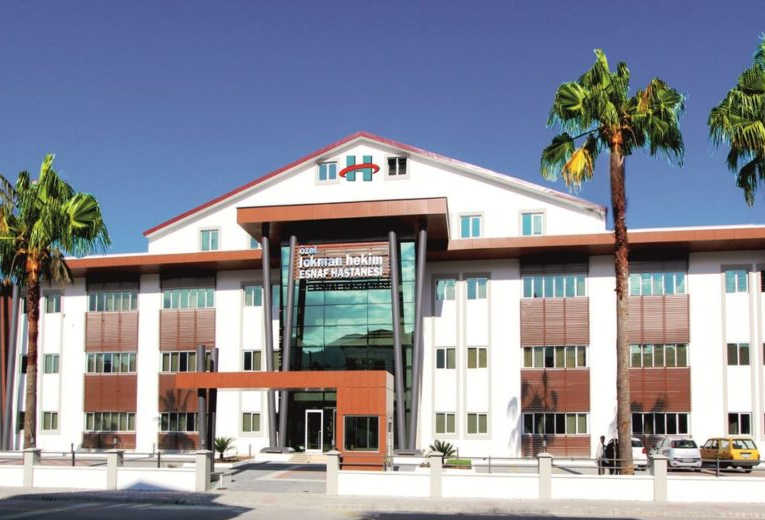
Explore Hospitals ( 1 )

Fethiye, Turkey

75+ Beds · 151+ Procedures
JCI

Get Your Adrenalectomy
Plan in 24 hrs.

Our experienced Medical Patient Advisors have supported 100,000+ patients across 120+ countries with personalised treatment plans, hospital recommendations, cost estimates, and travel assistance, all free.

HIPAA-Compliant Data SecurityShared Only with Your Consent

Free Consultation No Obligation Personalized Treatment Plan Response Within 24 Hours

Required | alphabets and spaces
Required | A valid, working email address
Required | A valid contact

Your medical info is kept HIPAA-style confidential. We never share with hospitals without your consent.

Process Involved for Adrenalectomy in Fethiye

  • The treatment stages include pre-operative evaluation, surgical removal of the adrenal gland, immediate post-operative monitoring, and long-term follow up to assess hormone levels and recovery.
  • Conditions treated with adrenalectomy include adrenal adenoma, pheochromocytoma, adrenal carcinoma, Cushing’s syndrome, Conn’s syndrome, and adrenal metastasis.
  • Adrenalectomy can be unilateral (removal of one adrenal glands) or bilateral (removal of both glands). It can also be classified as open adrenalectomy or minimally invasive adrenalectomy.
  • Patients diagnosed with functional adrenal tumors, adrenal masses with suspicious features, adrenal cancer, or hormone-related disorders that do not respond to medical treatment are generally eligible for adrenalectomy. A thorough evaluation by an endocrinologist and surgeon is required.
  • Adrenalectomy typically does not require implants. However, patients may need hormonal medications post-surgery if adrenal function is reduced.
  • Associated procedures may include biopsy,imaging-guided diagnostic tests, or additional surgeries if the tumor has spread to nearby structures.
  • The procedure helps normalize hormone levels, reduce symptoms, prevent complications, and improve overall health and life expectancy.
  • Most patients experience relief from symptoms such as uncontrolled blood pressure, weight changes and metabolic disturbances. Long-term outcomes are generally positive with appropriate follow-up care.
  • Fill out the inquiry form: Fill out the form to provide us with the relevant information about your condition.
  • Consult with Our Healthcare Expert:One of our qualified specialists will contact you for a consultation
  • Receive a Detailed Treatment Plan:After examining your situation, we will provide you with a detailed treatment plan that includes expert views and cost breakdowns for various choices.
  • Choose your preferred option: Choose the treatment option that suits you the best.
Jenny Wilson
Your Dedicated Medical Patient Advisor
Treatment planning • Hospital coordination • Multilingual support • Response within 15 minutes.
Our Services to Better your Experience

Opinion & Option

We submit the most accurate opinion and options from one or more countries for your review

Consult Privately

Consult with a certified specialist privately on our telemedicine platform even before you decide to travel

Logistics

We handle flights, visas, transfers, and accommodation—so you can focus on your health.

Recovery

Our In-house rehabilitation service packages to better your recovery and treatment outcome

Frequently Asked Questions

In addition to the procedure cost, patients may incur:
  • Pre-treatment tests
  • Medications during recovery
  • Follow-up consultations
  • Additional expenses may include accommodations, follow-up consultations, medications, diagnostic tests, and travel costs.

    Long term care may include hormone level monitoring, medications, lifestyle adjustments, and regular follow-up visits.

    Turkey offers skilled surgeons, advanced medical infrastructure, and cost-effective treatment options for adrenalectomy.

    Pre-treatment tests include blood and urine hormone tests, CT or MRI scans, ECG, and general health assessments.

    Yes, adrenalectomy in Turkey is considered safe for international patients when performed at accredited hospitals with experienced teams.

    The success rate is high, especially for benign and hormone-secreting tumors, with most patients achieving good outcomes.

    Not Sure About Your Treatment Plan? Get a Free Second Opinion

    Have your reports reviewed by independent oncology experts to help you make a confident treatment decision, all online within 48 hours.

    Upload Your Reports
    Free second opinion on your CAR-T plan