Your Notifications
All done, no notifications

Left ventricular assist device (LVAD) Cost in Jordan

USD 45000 - USD 65000

Affordable World-class Treatment - Accredited Hospitals - Free Treatment Plan in 24 Hrs

10
Days in Hospital
4-8 hrs
Procedure Time
80 - 90%
Success Rate
JCI/ISO 100,000+ Patients 24X7 Coordinator Visa & Travel handled
Your all-in-one medical travel platform for treatment, recovery & care.

Get Your Personalised Treatment Plan in Just 24 Hours.

Share your details to receive a personalised treatment plan, estimated costs, hospital recommendations, and expert guidance, “completely free.”

Required | alphabets and spaces
Required | A valid, working email address
Required | A valid contact
Connect with an Expert

Your information is protected with HIPAA-compliant security standards. We only share your details with hospitals after your consent.

Estimated Treatment Cost
USD 45000 - USD 65000
All-inclusive • Hospital + Medications + Recovery Assistance + Dedicated Care Coordinator

International Quality. Affordable Care.

How Much Does a Left Ventricular Assist Device (LVAD) Cost in Jordan?

The cost of Left Ventricular Assist Device (LVAD) Implantation in Jordan typically ranges between USD 45000 - USD 65000, depending on factors such as the patient’s cardiac condition, the type and brand of the LVAD used, hospital standards, and the cardiothoracic surgeon’s expertise.

Additional expenses, including pre-operative cardiac evaluations, ICU stay, medications, and post-operative rehabilitation, can also influence the total treatment cost.

Factors Influencing the Cost of Left Ventricular Assist Device (LVAD)

  • Cost varies by LVAD type: temporary devices are less expensive, while advanced, long-term continuous-flow LVADs cost more due to superior durability and technology.
  • Patient’s Heart Condition: Patients with severe heart failure, prior cardiac surgeries, or additional comorbidities (like diabetes or renal issues) may require more extensive pre-operative management and more extended hospitalisation, increasing the overall cost.
  • Hospital Standards: Top-tier hospitals in Amman equipped with advanced cardiac surgery and transplant units, hybrid operating theatres, and 24/7 intensive care facilities may have higher treatment costs due to premium infrastructure and technology.
  • Surgeons and Cardiac Team’s Expertise: Cardiothoracic surgeons and heart failure specialists experienced in mechanical circulatory support systems typically have higher consultation and surgical fees, reflecting their specialised training and procedural precision.
  • Duration of Hospitalisation and ICU Care: LVAD implantation requires close ICU monitoring post-surgery, and prolonged stays can significantly increase overall costs.
  • Post-operative Care and Follow-up: Long-term follow-up visits, cardiac rehabilitation, and regular device checks are crucial for monitoring device performance and patient recovery, thereby increasing overall costs.

What's included in your Left ventricular assist device (LVAD) quote?

LVAD
fee, Device, intensive care support
cardiac surgery consultations
Pre-operative evaluation, surgical planning, and follow-ups
10–21-day hospital stay
Inpatient care, ICU monitoring,, and recovery
14–21-day in-country follow-up
Device assessment, monitoring
Visa & medical-visa invite letter
Airport pickup & transfers

Cost of Left ventricular assist device (LVAD) in Major Cities of Jordan

City Cost (USD)
Amman $45,000 – $65,000 Explore More

Left Ventricular Assist Device Lvad - Jordan Vs the World

$0 - $0
$25k - $40k
$40k - $60k
$80k - $170k
$80k - $105k
$100k - $0
$100k - $160k
$100k - $200k
$100k - $170k
$100k - $180k
$120k - $180k
$150k - $300k

Find the Right Destination for Your Left ventricular assist device (LVAD) Journey

Dr. Vijita Jayan
Author

BPT, MPT (Neuro)

18 Years of Experience

Last Reviewed - June 2026

With over 18 years of distinguished clinical experience, Dr. Vijita Jayan is a highly accomplished Clinical Director and Rehabilitation Specialist, renowned for her expertise in neuro-rehabilitation, functional recovery, and mobility-dependent case management. Her extensive practical knowledge enables her to design and implement individualized, evidence-based rehabilitation protocols that consistently yield measurable patient outcomes. A prolific researcher and academic writer, she has authored numerous peer-reviewed articles and research papers, significantly advancing the field of rehabilitative medicine. The recipient of multiple prestigious accolades, Dr. Jayan is widely regarded as one of the foremost authorities in Physical Medicine and Rehabilitation, continually shaping neuro-rehabilitative care through research, innovation, and clinical excellence.
View More
Dr. Naresh Kumar Goyal
Reviewer

Cardiologist

21 Years of Experience

Last Reviewed - June 2026

Dr. Naresh Kumar Goyal is highly trained as a cardiologist with exposure in virtually all aspects of cardiology. He qualified with an MD in internal medicine in 1999 from SMS Medical College, Jaipur, and served in the Cardiology Department as an honorary resident. From this stage, he also started with training in the temporary pacing of the pacemaker as well as interventional services.
View More

Need Help Choosing the Right Treatment? Talk to a Medical Advisor

Our dedicated Medical Patient Advisors are here to answer your questions, help you compare treatment options, estimate costs, and guide you through every step of your healthcare journey.

15 min
Average response time

Serving Patients Worldwide in Multiple Languages.

Ventricular assist devices (VADs) are pumps that help pump blood from the lower chambers of the heart to the rest of the body's organs. It's a therapy for heart failure or a failing heart. While further therapies, like such a heart transplant, are not yet a reality, a VAD can be used to sustain the heart. A VAD can be used to help the heart pump forever.

A long-term mechanical circulatory support device (VAD) is another term for all of these devices.

A VAD is most commonly placed in the left ventricle, which is the lower chamber of the heart. A left ventricular assist device (LVAD) is its name when it is placed inside the left ventricle. LVADs are what this article discusses.

Explore Hospitals ( 1 )

Amman, Jordan

243+ Beds · 293+ Procedures
JCI

Get Your Left ventricular assist device (LVAD)
Plan in 24 hrs.

Our experienced Medical Patient Advisors have supported 100,000+ patients across 120+ countries with personalised treatment plans, hospital recommendations, cost estimates, and travel assistance, all free.

HIPAA-Compliant Data SecurityShared Only with Your Consent

Free Consultation No Obligation Personalized Treatment Plan Response Within 24 Hours

Required | alphabets and spaces
Required | A valid, working email address
Required | A valid contact

Your medical info is kept HIPAA-style confidential. We never share with hospitals without your consent.

Jenny Wilson
Your Dedicated Medical Patient Advisor
Treatment planning • Hospital coordination • Multilingual support • Response within 15 minutes.
Our Services to Better your Experience

Opinion & Option

We submit the most accurate opinion and options from one or more countries for your review

Consult Privately

Consult with a certified specialist privately on our telemedicine platform even before you decide to travel

Logistics

We handle flights, visas, transfers, and accommodation—so you can focus on your health.

Recovery

Our In-house rehabilitation service packages to better your recovery and treatment outcome

Patient Stories

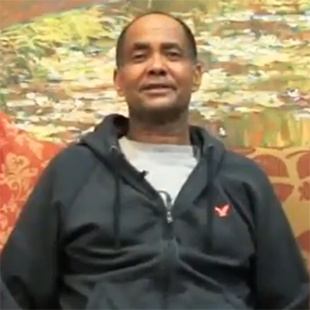
Mr Hailu Kassa : CABG Surgery
Mr Hailu Kassa
Mr Hailu Kassa : CABG Surgery

Mr. Hailu Kassa underwent Coronary Artery Bypass Surgery in Vejthani Hospital, Thailand under the supervision of Dr. Piya, Cardio-Thoracic Surgeon

Rod Schaubroeck
Rod Schaubroeck
Rod Schaubroeck : Double Valve Replacement

Patient Testimonial: Rod Schaubroeck from United States (U.S.A) underwent heart valve replacement at Fortis Hospital, India

Frequently Asked Questions

A Left Ventricular Assist Device (LVAD) is a mechanical pump implanted inside the chest to help the heart’s left ventricle pump blood to the rest of the body. It supports patients with severe heart failure who are not responding to medications.LVADs can serve as:
  • Bridge to Transplant: Helping patients survive while waiting for a heart transplant.
  • Destination Therapy: A long-term solution for patients not eligible for transplant.
  • Bridge to Recovery: Supporting the heart temporarily until it regains strength.
  • LVAD implantation is recommended for patients with:
  • End-stage heart failure unresponsive to medication
  • Severe left ventricular dysfunction
  • Dependence on intravenous inotropes
  • Poor quality of life or frequent hospital admissions due to heart failure
  • The procedure is performed under general anaesthesia and typically involves the following steps:
  • Incision and Exposure: The chest is opened to access the heart.
  • Device Implantation: The LVAD pump is connected to the left ventricle and the aorta to assist blood flow.
  • Power Connection: The driveline (power cable) passes through the abdominal wall and connects to an external controller and battery pack.
  • Closure: The incision is closed, and the patient is transferred to the ICU for monitoring.
  • The surgery usually takes 4-6 hours, followed by intensive post-operative monitoring and rehabilitation.

    While LVAD implantation is a lifesaving procedure, potential complications may include:
  • Bleeding or infection
  • Blood clots or stroke
  • Device malfunction or driveline issues
  • Right heart failure post-surgery
  • Anaesthesia-related risks
  • With modern technology, rigorous infection control, and expert surgical teams, these risks are significantly minimised in leading cardiac centres.

    One of the best hospitals in Jordan for advanced cardiac procedures, including LVAD implantation, is:Arab Medical Center, Amman, is known for its advanced cardiac surgery department, dedicated heart failure programs, and specialised cardiac rehabilitation units. The hospital’s team includes internationally trained cardiologists and cardiothoracic surgeons with expertise in mechanical circulatory support systems.

    Recovery varies depending on the patient’s condition and response to surgery:
  • ICU Stay: 5-10 days for monitoring and stabilisation.
  • Hospital Stay: 2-3 weeks for wound healing and device training.
  • Rehabilitation: Begins immediately after discharge and continues for several months.
  • Full Recovery: Typically achieved within 3-6 months, with patients able to return to daily activities under supervision.
  • Patients are trained to safely manage and maintain their LVAD devices before returning home.

    Additional costs may include:
  • Pre-surgical cardiac imaging and laboratory tests
  • Anaesthesia and ICU care charges
  • Medications and blood products
  • Device maintenance and controller/battery replacements
  • Follow-up visits and cardiac rehabilitation sessions
  • Amman is the most preferred destination, offering:
  • State-of-the-art cardiac surgery hospitals
  • Experienced cardiologists and LVAD specialists
  • Affordable treatment packages for international patients
  • Comprehensive rehabilitation and post-operative support programs
  • Jordan is increasingly recognised for its excellence in advanced cardiac and heart failure management due to:
  • Internationally trained cardiothoracic surgeons
  • World-class hospitals with dedicated heart failure units
  • Affordable costs compared to Western countries
  • Excellent patient care, follow-up, and recovery programs for international patients
  • LVAD Implantation in Jordan has a success rate of 85-95%, depending on the patient’s pre-surgical condition and the quality of post-operative care.Most patients experience a dramatic improvement in heart function, physical stamina, and quality of life within months of the procedure. With proper management and follow-up, LVADs can support patients for several years, significantly enhancing survival and well-being.

    Not Sure About Your Treatment Plan? Get a Free Second Opinion

    Have your reports reviewed by independent oncology experts to help you make a confident treatment decision, all online within 48 hours.

    Upload Your Reports
    Free second opinion on your CAR-T plan