Affordable World-class Treatment - Accredited Hospitals - Free Treatment Plan in 24 Hrs

Share your details to receive a personalised treatment plan, estimated costs, hospital recommendations, and expert guidance, “completely free.”
Your information is protected with HIPAA-compliant security standards. We only share your details with hospitals after your consent.
The cost of a Dual Chamber Pacemaker in India typically ranges between USD 9000 - USD 15000 depending on the patient's condition. This procedure is often used to diagnose or treat aortic stenosis. The cost of TAVR in India varies according to the patient's medical requirements, the hospital's location and the type of valve utilised (domestic or imported).
| City | Cost (USD) | |
|---|---|---|
| Ahmedabad | $8,100 – $13,500 | Explore More |
| Bangalore | $9,000 – $15,000 | Explore More |
| Calicut | $7,200 – $12,000 | Explore More |
| Chennai | $9,000 – $15,000 | Explore More |
| Delhi | $9,000 – $15,000 | Explore More |
| Faridabad | $9,000 – $15,000 | Explore More |
| Ghaziabad | $9,000 – $15,000 | Explore More |
| Gurgaon | $9,000 – $15,000 | Explore More |
| Gurugram | $9,000 – $15,000 | Explore More |
| Hyderabad | $9,000 – $15,000 | Explore More |
| Kochi | $9,000 – $15,000 | Explore More |
| Kolkata | $9,000 – $15,000 | Explore More |
| Mohali | $8,100 – $13,500 | Explore More |
| Mumbai | $9,000 – $15,000 | Explore More |
| Noida | $9,000 – $15,000 | Explore More |
| Panjim | $8,100 – $13,500 | Explore More |
| Pune | $8,100 – $13,500 | Explore More |


Our dedicated Medical Patient Advisors are here to answer your questions, help you compare treatment options, estimate costs, and guide you through every step of your healthcare journey.
A dual-chamber pacemaker is a medical device that is implanted to control irregular heartbeats by stimulating the right atrium and right ventricle with electrical impulses. It facilitates the natural rhythm of the heart, guaranteeing effective blood flow. For heart block and bradycardia, which are disorders in which the heart beats excessively slowly or irregularly, this kind of pacemaker is frequently utilized. A dual-chamber pacemaker improves cardiac function and an individual's quality of life by simulating the normal electrical system of the heart.
A dual-chamber pacemaker is implanted to treat arrhythmias, particularly atrioventricular (AV) block and bradycardia (slow heart rate). It controls the timing of the heart's bottom (ventricle) and upper (atrium) chambers to ensure they beat in unison. This keeps blood flowing properly and avoids symptoms like heart failure, exhaustion, dizziness, and fainting. Patients with AV conduction abnormalities or sick sinus syndrome benefit most from it.
Consult a cardiologist if you experience symptoms like palpitations, lightheadedness, shortness of breath, chronic exhaustion, or fainting (syncope). These could be signs of a sluggish or erratic heartbeat. Regular cardiac examinations are recommended for patients with a known history of conduction system disorders or those whose prior ECGs exhibit heart block or pauses. You can get help from qualified cardiologists on MediGence with diagnosis and treatment choices, such as pacemaker therapy.
A comprehensive cardiac evaluation, including echocardiography, Holter monitoring, ECG, and potentially electrophysiology (EP) testing to evaluate conduction problems, is part of the preparation process. In addition to reviewing your whole medical history, your healthcare team will give you condition-specific preoperative advice.
Typically, the process takes one to two hours. While some patients might need to stay overnight, most are released within 24 hours. It usually takes one to two weeks for the patient to recover fully.
A dual-chamber pacemaker increases the effectiveness of blood flow between the ventricles and atria while restoring a normal cardiac rhythm. It improves the general quality of life for people with conduction system problems and dramatically lowers symptoms, including exhaustion, fainting, and shortness of breath.
Patients are instructed to adhere to physical activity limitations and watch for any indications of infection around the incision. Instructions for wound care will be given, and follow-up visits are required to assess pacemaker function and make any necessary changes. Within a few weeks, most patients return to their regular activities. Periodic, long-term examinations guarantee the best possible performance from the gadget.
Dual-chamber pacemaker implantation has an extremely high success rate; more than 95% of patients report better quality of life and efficient symptom control.
Our experienced Medical Patient Advisors have supported 100,000+ patients across 120+ countries with personalised treatment plans, hospital recommendations, cost estimates, and travel assistance, all free.
✓ Free Consultation ✓ No Obligation ✓ Personalized Treatment Plan ✓ Response Within 24 Hours
Your medical info has is HIPAA-style confidential. We never share with hospitals without your consent.

Opinion & Option
We submit the most accurate opinion and options from one or more countries for your review
Consult Privately
Consult with a certified specialist privately on our telemedicine platform even before you decide to travel
Logistics
We handle flights, visas, transfers, and accommodation—so you can focus on your health.
Recovery
Our In-house rehabilitation service packages to better your recovery and treatment outcome

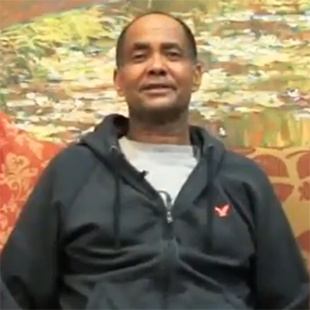
Mr. Hailu Kassa underwent Coronary Artery Bypass Surgery in Vejthani Hospital, Thailand under the supervision of Dr. Piya, Cardio-Thoracic Surgeon

Patient Testimonial: Rod Schaubroeck from United States (U.S.A) underwent heart valve replacement at Fortis Hospital, India
Have your reports reviewed by independent oncology experts to help you make a confident treatment decision, all online within 48 hours.
Upload Your Reports