Our Platform Features
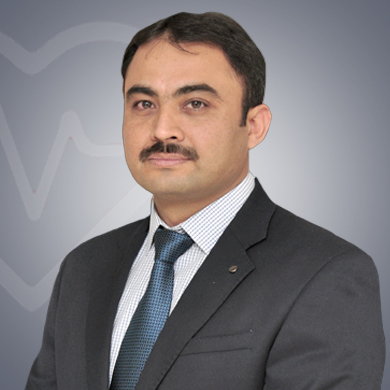
Dr. Sharad Chauhan
Aakash Healthcare Super Speciality Hospital, India, Delhi
Male Fertility Specialist • 14 years experience
Hindi EnglishDr Sharad Chauhan is one of the leading Urologist in New Delhi, India. The medical practitioner holds over 10 years of experience and is associated with Aakash Healthcare Super Speciality Hospital.
Association and Memberships Dr. Sharad Chauhan is part of:
- American Urological Association
- Urological society of India
Qualifications :
- MCh
- MS
- MBBS
Hospital Address :
Sector 3, Dwarka, New Delhi, Delhi 110075, India
Medical Expertise of Dr. Sharad Chauhan
- Endourology, laser prostatectomy, RIRS, advanced laparoscopic operations, and kidney transplantation are among Dr. Sharad Chauhan's specialties.
- He is one of the greatest in the field of retroperitoneoscopic surgery and is a talented urologist with extensive knowledge in uro-oncology.
- He played a key role in the Rockland Group of Hospitals' Kidney Transplant Program in New Delhi, where he was the departmental head.
- In Aakash Healthcare in New Delhi, he developed the Department of Urology, Uro-oncology, and Kidney Transplant.
- Member of the Indian Society of Organ Transplantation, the American Urological Association, the Urological Society of India, the North Zone USI, and the Association of Surgeons of India, etc
- He became an Assistant Professor in the Department of Urology and Renal Transplantation at IKDRC-ITS Ahmedabad, reputed kidney transplant clinic, after obtaining his M.Ch.
- He has a long list of publications to his name, many of which have appeared in national and international magazines. .
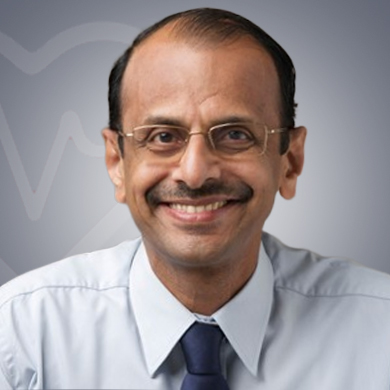
Dr. V Narayanan Unni
Aster Medcity, India, Kochi
Nephrologist • 45 years experience
Malayalam EnglishDr V Narayanan Unni is one of the leading Nephrologist in Kochi, India. The medical specialist holds over 31 years of experience and is associated with Aster Medicity.
Association and Memberships Dr. V Narayanan Unni is part of:
- Member of many national and international professional associations in Nephrology
Certifications :
- FRCP
- FISN
Qualifications :
- DNB
- MD
- MBBS
Hospital Address :
Aster Medcity Hospital, South Chittoor, Kochi, Kerala, India
Medical Expertise of Dr. V Narayanan Unni
- Dr. Unni is a Hypertension and kidney transplantation expert ( Adult & Children ).
- He has extensive experience in the treatment of diabetic kidney disease, paediatric renal illness, and various forms of dialysis.
- Fellowship of Royal College of Physicians and Surgeons (Glasgow, UK), Fellowship of Indian Society of Nephrology, and Fellowship of Indian Society of Nephrology
- Member of many national and international professional associations in Nephrology
- Delivered talks and guest lectures at national and international conferences and published 54 articles in International and Indian Medical Journals with chapters in textbooks
- Examiner for Nephrology in the National Board of Examinations, New Delhi
- He has more than 35 years of expertise treating patients of all ages with renal disorders and is considered one of the greatest nephrologists in the country.
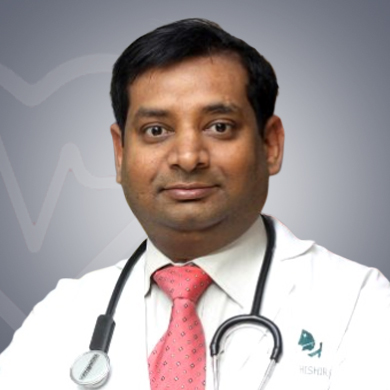
Dr. Shishir Seth
Indraprastha Apollo Hospital, India, Delhi
Hematologist • 19 years experience
Hindi EnglishDr Shishir Seth is one of the best Haematologist in New Delhi, India. The medical specialist holds over 15 years of experience and is associated with Indraprastha Apollo Hospital.
Do you know?
Using MediGence’s Telemedicine Platform, you can book a personalized video consultation with renowned doctors around the world

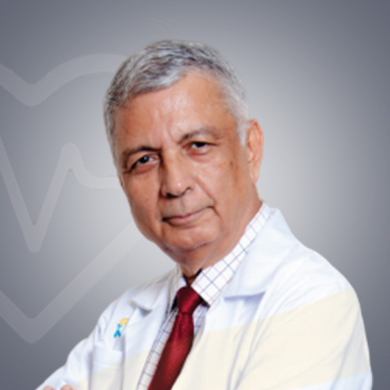
Dr. Ashok Sarin
Indraprastha Apollo Hospital, India, Delhi
Nephrologist • 54 years experience
Hindi EnglishDr Ashok Sarin is one of the leading Nephrologist in New Delhi, India. The clinician holds over 40 years of experience and is associated with Indraprastha Apollo Hospital.
Dr. Sanjeev Gulati
Fortis Flt. Lt. Rajan Dhall Hospital, India, Delhi
Nephrologist • 39 years experience
Hindi EnglishDr Sanjeev Gulati is one of the foremost Pediatric Nephrologist in New Delhi, India. The medical specialist holds over 29 years of experience and is associated with Fortis Flt. Lt. Rajan Dhall Hospital.
Association and Memberships Dr. Sanjeev Gulati is part of:
- International Society of Nephrology
- International Paediatric Nephrology Association
- American Society of Paediatric Nephrology
- Canadian Society of Nephrology
- European Dialysis and Transplant Association
- Indian Academy of Pediatrics.
- Indian Society of Pediatric Nephrology
- Indian Society of Nephrology
Certifications :
- FIPN
- FIAP
- FRCPC
- FISN
Qualifications :
- MD
- MBBS
- DNB
Hospital Address :
Fortis Flt. Lt. Rajan Dhall Hospital, Vasant Kunj, Pocket 1, Sector B, Vasant Kunj, New Delhi, Delhi, India
Medical Expertise of Dr. Sanjeev Gulati
- Medical expertise of Dr. Sanjeev Gulati is in managing kidney transplants and children with renal disorders.
- He specialises in treatment of conditions as Polycystic Kidney Disease, Kidney Injury or Trauma, Kidney Cancer, Kidney Failure, and Glomerulonephritis.
- Dr. Sanjeev Gulati worked in academia at McMaster University in Hamilton, Canada, and Sanjay Gandhi Post Graduate Institute of Medical Sciences in Lucknow.
- He has experience in renowned hospitals in the United Kingdom, Australia, and Canada,
- Dr. Gulati was an integral part of the Dialysis and Transplant programme at SGPGI, Lucknow, which is one of the country's largest.
- He has over 130 scholarly publications published in peer-reviewed journals and authored 20 chapters in textbooks and is also the author of a book on Renal Diseases in Children.
- He serves as Vice President of the Indian Society of Organ Transplantation and as a member of the Indian Society of Nephrology's Governing Body. Nephrology.
Dr. Nitin Sood
Medanta - The Medicity, India, Gurgaon
Hematologist • 22 years experience
Hindi EnglishDr Nitin Sood is one of the most skillful Haemato Oncologist in Gurugram, India. The medical practitioner holds over 15 years of experience and is associated with Medanta - The Medicity.
Association and Memberships Dr. Nitin Sood is part of:
- Royal College of Surgeons (MRCS)
- Royal College of Physicians, London
- Royal College of Physicians, Edinburgh
Certifications :
- Fellow, Royal College of Pathologists (Haemato-oncology), UK
Qualifications :
- DNB
- MBBS
- MD
Hospital Address :
Medanta The Medicity, Medicity, Islampur Colony, Sector 38, Gurugram, Haryana, India
Medical Expertise of Dr. Nitin Sood
- Medical expertise of Dr. Nitin Sood is in Haemato-oncology, haematology, haemostasis and thrombosis.
- Some of the focus areas in terms of treatments is the treatment of Aplastic Anemia, Myelodysplastic Syndrome (MDS) Treatment - Preleukemia, Allogeneic Bone Marrow Transplant, and Thalassemia Treatment.
- Dr. Nitin Sood has more than 16 years of experience as a haematologist.
- In 2011, the UK Myeloma Forum American Society of Hematology granted him a bursary, and the British Society of Hematology awarded him First Prize in 2009.
- Dr. Sood is a member of the General Medicine Council (GMC), UK; Royal College of Physicians, London; Royal College of Physicians, Edinburgh; Royal College of Pathologists (Haemato-oncology), UK and the Royal College of Surgeons (MRCS).
- He earned his MBBS, his MD (General Medicine), DNB (General Medicine) from the National Board of Examination, and FRC (Pathology) from the Royal College of Pathologists.
Dr. Sanjiv Saxena
Pushpawati Singhania Research Institute, India, Delhi
Nephrologist • 28 years experience
Hindi EnglishDr Sanjiv Saxena is one of the foremost Nephrologist in New Delhi, India. The medical specialist holds over 30 years of experience and is associated with Pushpawati Singhania Research Institute.
Association and Memberships Dr. Sanjiv Saxena is part of:
- World Congress of Nephrology, Vancouver, Canada
- Indian Society of Organ Transplantation (ISOT)
- National Academy of Medical Sciences
- Indian Society Of Nephrology
- Geriatric Society Of India
Qualifications :
- MD
- MBBS
- DNB
Hospital Address :
Pushpawati Singhania Research Institute, Phase II, Sheikh Sarai, New Delhi, Delhi, India
Medical Expertise of Dr. Sanjiv Saxena
- Dr. Sanjiv Saxena specializes in primary & secondary Glomerular Diseases, Haemodialysis and Precision.
- Medical expertise in renal transplantation, nephrectomy, kidney stones, UTI, Benign Prostate Hyperplasia, and diagnosis of various urinary disorders.
- Recipient of fellowships of Indian Society of Nephrology and Geriatric Society of India.
- Nephrology course from AIIMS and has been the Reviewer of Abstracts for World Congress of Nephrology, Vancouver, Canada.
- His research articles have been published in the British Medical Journal, the National Medical Journal of India, the British Med Journal, and many more.
- Recipient of Institute Book Prize for Pharmacology, Sir Dorabjee Tata Award for Biochemistry, and Distinguished Service Award by Geriatric Society of India.
- Member of ISOT, AMS, Indian Society of Nephrology, NAMS, GSI, and WCN, Vancouver, Canada.
Dr. Ashok Kumar Vaid
Medanta - The Medicity, India, Gurgaon
Hepatologist • 30 years experience
Hindi EnglishDr Ashok Kumar Vaid is one of the most skillful Haemato Oncologist in Gurugram, India. The doctor holds over 27 years of experience and is associated with Medanta - The Medicity.
Association and Memberships Dr. Ashok Kumar Vaid is part of:
- Indian Society of Medical & Pediatric Oncology (ISMPO)
- Indian Cooperative Oncology Network (ICON)
- Breast Cancer Foundation of India
- Indian Association of Gynaec Oncologists (IAGO)
- Indian Medical Association (IMA)
- Association of Physicians of India (API)
- Indian Association of Clinical Medicine (IACM)
- American Society of Clinical Oncology (ASCO)
- European Society for Medical Oncology (ESMO)
- European Hematology Association (EHA)
- Editorial Board of Current Trends in Asian Oncology
Qualifications :
- MD
- MBBS
- DM
Hospital Address :
Medanta The Medicity, Medicity, Islampur Colony, Sector 38, Gurugram, Haryana, India
Medical Expertise of Dr. Ashok Kumar Vaid
- Medical expertise of Dr. Ashok Kumar Vaid is in Organ-Specific Cancer Treatment, Leukemias, Solid Tumours, and Lymphomas.
- He is recognised for his excellent work in Hematopoietic stem cell transplantation and Chemotherapy.
- Member of ISMPO, Founder Member of ICON, Life Member of BCFI, IAGO, IMA, Member of API, Life Member of IACM, Member of ASCO, ESMO, EHA, Member of Editorial Board of Current Trends in Asian Oncology, and Consultant Editor at JK Science (Journal of Medical Education & Research).
- Recipient of Padma Shri Award, 2009 and Chikitsa Shiromani Award, 2007.
- Author of informative articles on Blood cancer, Lung cancer, Lung Health, Cancer Recurrence, and Chemotherapy etc.
- Recipient of the prestigious Padma Shri Award, Dr. Ashok Vaid has been responsible for the initial 25 bone marrow transplants in any private sector hospital in North India.
- He has also organised numerous seminars, workshops, and conferences and has done over 40 international and national clinical research investigations.
Dr. Shaleen Aggarwal
Max Super Speciality Hospital, Saket, India, Delhi
Hepatologist • 28 years experience
Hindi EnglishDr Shaleen Aggarwal is one of the foremost Liver Transplant Surgeon in New Delhi, India. The clinician holds over 25 years of experience and is associated with Max Super Speciality Hospital, Saket.
Association and Memberships Dr. Shaleen Aggarwal is part of:
- Delhi Medical Council
- Association of Surgeons of India (ASI)
- Indian Association of Surgical Gastroenterology (IASG)
- International Hepatopancreatobiliary Association (IHPBA) (Indian chapter)
- Indian Society of Gastroenterology (ISG)
- Indian National Association for the study of Liver (INASL)
- Indian Association of Gastrointestinal Endo Surgeons (IAGES)
- Association of Minimally access surgeons of India (AMASI)
- National Academy of Medical Sciences (MNAMS)
- American Society of Transplant Surgeons (ASTS)
Certifications :
- Visiting Fellow (Laparoscopic GI Surgery) - Department of Digestive Surgery, Institute Mutualiste Montsouris, Paris, France(April-May 2008)
- Visiting Fellow (HPB surgery and Liver Tx) - Department of HPB Surgery, Hospital Beaujon, Paris, France (June 2008)
- Visiting Fellow (Liver Tx) - Asan Medical Center, Seoul, South Korea (Sept to Nov 2007)
- Visiting fellow to Department of Digestive Surgery, GEM Hospital, Coimbatore, India, for training in Advanced Laparoscopic GI Surgery, Nov 2007
- Visiting fellow in the Department of Surgical Oncology, Tata Memorial Hospital, Mumbai, India, May, 2006
Qualifications :
- MBBS
- MS
- MCh
Hospital Address :
Max Super Speciality Hospital, Saket Institutional Area, Saket, New Delhi, Delhi, India
Dr. Prashant Vilas Bhangui
Medanta - The Medicity, India, Gurgaon
Hepatologist • 20 years experience
Hindi EnglishDr Prashant Vilas Bhangui is one of the foremost Liver Transplant Surgeon in Gurugram, India. The medical practitioner holds over 20 years of experience and is associated with Medanta - The Medicity.
Association and Memberships Dr. Prashant Vilas Bhangui is part of:
- International Liver Transplantation Society
- European Society for Organ Transplantation (ESOT)
- European Liver Transplant Association(ELITA)
- American Association for the Study of Liver Diseases (AASLD)
- The Transplantation Society (TTS)
- International Living Donor Liver Transplant (ILDLT) Study Group
Qualifications :
- MBBS
- MS
Hospital Address :
Medanta The Medicity, Medicity, Islampur Colony, Sector 38, Gurugram, Haryana, India
Dr. S Ramalakshmi
Sri Ramachandra Medical Centre, India, Chennai
Nephrologist • 15 years experience
Tamil EnglishDr S Ramalakshmi is one of the best Nephrologist in Chennai, India. The clinician holds over 13 years of experience and is associated with Sri Ramachandra Medical Centre .
Qualifications :
- AB
Hospital Address :
Sri Ramachandra Medical Centre, Sri Ramachandra Nagar, Porur, Chennai, Tamil Nadu, India
Dr. Manav Wadhawan
BLK-Max Super Speciality Hospital, India, Delhi
Hepatologist • 23 years experience
Hindi EnglishDr Manav Wadhawan is one of the most sought after Gastroenterologist in New Delhi, India. The doctor holds over 20 years of experience and is associated with BLK-Max Super Speciality Hospital.
Association and Memberships Dr. Manav Wadhawan is part of:
- Indian Society of Gastroenterology
- International Association of Study of Liver
Certifications :
- Trained in Transplant Hepatology at Montreal, Canada in 2005
Qualifications :
- MBBS
- MD
- DM
Hospital Address :
BLK Super Speciality Hospital, Prasad Nagar, Rajinder Nagar, New Delhi, Delhi, India
Dr Varun Verma is one of the most sought after Nephrologist in Ghaziabad, India. The doctor holds over 22 years of experience and is associated with Fortis Hospital.
Association and Memberships Dr. Varun Verma is part of:
- Indian Academy Of Medical Sciences
- Indian Society Of Nephrology (ISN)
- International Society Of Nephrology
Qualifications :
- MBBS
- MD
- DNB
Hospital Address :
Fortis Hospital, Rasoolpur Nawada, Industrial Area, Sector 62, Noida, Uttar Pradesh, India
What is the medical expertise of Dr Varun Verma?
- Dr Varun Verma is an acclaimed nephrologist with 22 years of experience. He has expertise in kidney transplantation, treatment of biliary stones, glomerular diseases, renal replacement therapy including peritoneal dialysis and hemodialysis, hypertension, and intensive care nephrology.
- He is a Fellow of the Royal College of Physicians and Surgeons of Canada, 2020.
Dr Verma also completed a Fellowship in Nephrology at the University of Ottawa, in 2021. He is also an American Hypertension Society Certified Specialist(2021). - Dr Verma holds professional memberships in organizations such as the Indian Society of Nephrology, the American Society of Nephrology, the Association of Physicians of India, the Indian Academy of Medical Sciences, and the International Society of Nephrology.
Dr. Subhash Gupta
Max Super Speciality Hospital, Saket, India, Delhi
Hepatologist • 37 years experience
Hindi EnglishDr Subhash Gupta is one of the most sought after Liver Transplant Surgeon in New Delhi, India. The doctor holds over 34 years of experience and is associated with Max Super Speciality Hospital, Saket.
Association and Memberships Dr. Subhash Gupta is part of:
- Delhi Medical Council
Certifications :
- FRCS - General Surgery (Upper GI) - Royal College of Surgeons of Edinburgh (RCSE), U.K, 1994
- FRCSEd - Liver Transplant - Queen Elizabeth Medical Centre, 1995
Qualifications :
- MBBS
- MS ,FRCS
Hospital Address :
Max Super Speciality Hospital, Vaishali, near Radisson Blu Hotel, Sector-1, Vaishali, Ghaziabad, Uttar Pradesh, India
Dr. Abhijit Taraphder
Apollo Multispecialty Hospitals, India, Kolkata
Nephrologist • 42 years experience
Hindi EnglishDr Abhijit Taraphder is one of the foremost Nephrologist in Kolkata, India. The medical practitioner holds over 39 years of experience and is associated with Apollo Multispecialty Hospitals.
Association and Memberships Dr. Abhijit Taraphder is part of:
- West Bengal Medical Council
Qualifications :
- MBBS
- MD
- DM
Hospital Address :
Apollo Gleneagles Hospitals, Canal Circular Road, Kadapara, Phool Bagan, Kadapara, Kolkata, West Bengal, India
What is the medical expertise of Dr Abhijit Taraphder?
- With 39 years of experience, Dr Abhijit Taraphder is a renowned nephrologist. He specializes in renal transplantation, dialysis, kidney diseases, and kidney stone treatment.
- He was a part of the scientific committee of the Indian Society of Nephrology.
- Dr Taraphder has many publications to his credit. Some of these include:
- Nephrogenic fibrosing dermopathy: A series in a non-Western population" J Am Acad Dermatol. 2006; 54: 155-9.
- Pregnancy-related acute renal failure in eastern India. International Journal of Gynecology and Obstetrics (2010). Doi: 10.1016/j. ijgo. 2010.06.026.
- Ten-year follow-up of children after acute renal failure from a developing country. Nephrol Dial Transplant. (2009) 24: 829-833.
- He is registered with the West Bengal Medical Council.


