Your Notifications
All done, no notifications

2 Specialists

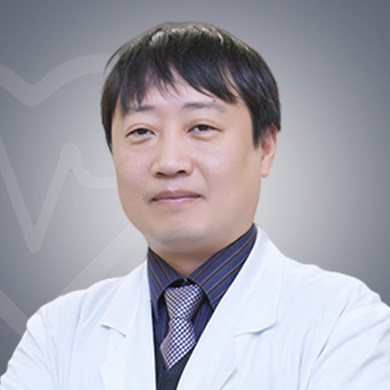
Dr. Jung Won Kwak

Oncologist

, Seoul, South Korea

27 Years of experience

Speaks: Korean , English


Dr. Jung Won Kwak is a specialized Radiation Oncologist in South Korea. And one of the most sought after medical specialists in Seoul, South Korea. The doctor has over 20 Years of experience and is associated with Asan Medical Centre.

Qualifications :

  • Doctor of Philosophy : Korea University
  • Master of Science : Korea University
  • Bachelor of Physics : Korea University

Hospital Address :

Asan Medical Center, Olympic-ro 43-gil, Pungnap 2(i)-dong, Songpa-gu, Seoul, South Korea

What is the medical expertise of Dr Jung Won Kwak?

  • Dr Jung Won Kwak is a prominent radiation oncologist with 20 years of experience. His expertise includes intensity-modulated radiotherapy(IMRT), stereotactic radiotherapy (SRT), and brachytherapy. He is skilled in providing treatments for conditions such as cervical cancer, pancreatic cancer, gynecological cancer, and brain cancer.
  • Over the course of his career, Dr Kwak has published numerous scientific papers in reputed journals. These include:
    1. Chung H, Jung J, Jeong C, Kwak J, et al. Evaluation of delivered dose to a moving target by 4D dose reconstruction in gated volumetric modulated arc therapy. PLoS One. 2018 Sep 7;13(9):e0202765.
    2. Jung J, Song SY, Yoon SM, Kwak J, Yoon K, Choi W, Jeong SY, Choi EK, Cho B. Verification of Accuracy of CyberKnife Tumor-tracking Radiation Therapy Using Patient-specific Lung Phantoms. Int J Radiat Oncol Biol Phys. 2015 Jul 15;92(4):745-53.
    3. Jung IH, Song SY, Jung J, Cho B, Kwak J, Je HU, Choi W, Jung NH, Kim SS, Choi EK. Clinical outcome of fiducial-less CyberKnife radiosurgery for stage I non-small cell lung cancer. Radiat Oncol J. 2015 Jun;33(2):89-97.
Dr. Su Ssan Kim

Oncologist

, Seoul, South Korea

15 Years of experience

Speaks: Korean , English


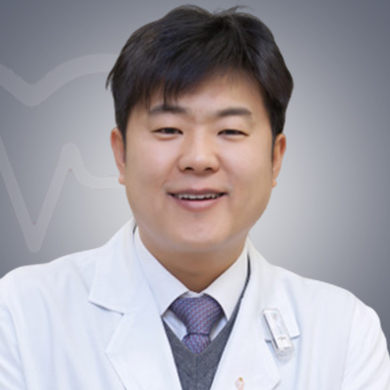
Dr. Su Ssan Kim is a specialized Radiation Oncologist in South Korea. And one of the most sought after medical specialists in Seoul, South Korea. The doctor has over 15 Years of experience and is associated with Asan Medical Centre.

Qualifications :

  • Doctor of Medicine : University of Ulsan
  • Master of Medicine : Seoul National University
  • Bachelor of Medicine : Seoul National University
  • Fellowship in Radiation Oncology, Hallym University Medical Center

Hospital Address :

Asan Medical Center, Olympic-ro 43-gil, Pungnap 2(i)-dong, Songpa-gu, Seoul, South Korea

Online Radiation Oncologist Consultations in the South Korea

About Radiation Oncologist

A radiation oncologist is a physician who specializes in the controlled use of ionizing radiation for the treatment of cancer. Radiation oncology is a branch of oncology, which is often used in combination with the other two branches of medical oncology and surgical oncology to treat a cancer patient.

A radiation oncologist works alongside medical oncologist, surgical oncologist, radiologists, interventional radiologists, internal medicine specialists as well as physicists who form a part of multidisciplinary cancer team at the hospital. The team, based on the patient’s clinical status, develop a comprehensive treatment plan. A radiation oncologist determines the dosage and delivery method of radiation therapy to be given to the patient as per the current clinical status and medical history.

Procedures Performed

Based on the area of specialization, a radiation oncologist offers procedure not limited to the following:

  • Brachytherapy
  • Internal modulated radiation therapy (IMRT)
  • Stereotactic radiosurgery
  • Stereotactic body radiotherapy (Cyberknife, Gammaknife, X-knife)
  • Proton therapy
  • Radiation therapy
  • 3D conformal radiation
  • Adaptive radiation therapy (ART)
  • Proton therapy
  • Radioactive iodine therapy
  • Radionucleotide therapy

Top Radiation Oncologists in South Korea

DoctorAssociated Hospital
Dr. Jung Won KwakAsan Medical Centre, Seoul
Dr. Su Ssan KimAsan Medical Centre, Seoul

About Radiation Oncologist South Korea

Which are the countries where we can find Cancer Specialist?

Popular Cancer Specialist in Top Countries are :

Type of Cancer Specialist available in South Korea?

Top Speciality Doctors in South Korea:

Top Rated Hospitals Where We Can Find Cancer Specialist in South Korea?

List of Top Rated Hospitals where we can find Cancer Specialist in South Korea are as followed:

Can we get the list of Cancer Specialist in South Korea in any other language?

Yes, we provide the list of Cancer Specialist in South Korea in the following languages:

Frequently Asked Questions
Which are some of the procedures performed by Radiation Oncologists in South Korea?

Check out the procedures performed by radiation oncologists in South Korea:

Which are some of the best hospitals in South Korea, Radiation Oncologist are associated with?

Given below are some of the most popular hospitals in South Korea where radiation oncologists work:

Which are some of the conditions treated by Radiation Oncologist in South Korea?

Most common conditions performed by radiation oncologists in South Korea are:

  • Functional Abnormalities and Small Tumors of the Brain
  • Gastrointestinal Cancers
  • Cervical Cancer
  • Lung Tumours
  • Eye Cancer
  • Prostate Tumours
  • Pancreas Tumours
  • Kidney Tumours
  • Head and Neck Cancers
  • Cancers near the Brain and Spinal Cord
  • Liver Tumours
  • Uterine Cancer
  • Spine Tumours
  • Lung Cancer
  • Breast Cancer
  • Head And Neck Cancer
  • Prostate Cancer
  • Thyroid Cancer
  • Brain Cancer
  • Brain Tumours
  • Vascular Malformations
  • Rectal Cancer
  • Abnormalities in the Brain
  • Tumors
Who is a Radiation Oncologist?

A radiation oncologist is a specialist doctor who uses ionizing radiation in the treatment of cancer. Radiation oncology is one of the 3 primary specialties, including medical and surgical oncology, involved in the treatment of cancer. Also, radiation could be given either alone or together with chemotherapy and/or surgery. It can also be used palliatively, to provide relief in patients with incurable cancers.

A radiation oncologist might also use radiation for the treatment of some benign diseases, such as benign tumors. In some countries, radiotherapy and chemotherapy are performed by a single oncologist called a "clinical oncologist". Radiation oncologists work closely with other doctors such as interventional radiologists, surgical oncologists, internal medicine subspecialists, medical oncologists, and medical physicists as part of the multi-disciplinary cancer team.

Radiation oncologists have four years of oncology-specific training, and oncologists who provide chemotherapy have 2 years of additional training in cancer care while doing fellowship after internal medicine residency. A radiation oncologist works very closely with surgeons, medical oncologists, and other doctors to find the most appropriate course of treatment for cancer.

What are the qualifications of a Radiation Oncologist?

Radiotherapy training focuses on the treatment of solid tumors in terms of radiation therapy, chemotherapy, and palliative care in most states. A person needs to complete five and half years of MBBS course which also includes in-service comprehensive training and a university-level exam.

After completing MBBS interested candidate who wants to join the profession as Radiation Oncologist needs to undergo a post-graduation course in oncology like MD (Radiotherapy) or MD (Oncology) followed by DM (Medical Oncology). MD Radiation oncology specialists are the most proficient oncologists providing radiotherapy and chemotherapy.

What conditions do Radiation oncologists treat?

A radiation oncologist can treat a wide variety of conditions listed below:

  • Bone cancer
  • Brain tumor
  • Breast cancer
  • Colorectal cancer
  • Esophageal cancer
  • Head and neck cancers
  • Leukemia
  • Prostate Tumours
  • Pancreas Tumours
  • Kidney Tumours
  • Gastrointestinal Cancers
  • Cervical Cancer
  • Lung Tumours
  • Liver Tumours
  • Uterine Cancer
  • Spine Tumours
  • Eye Cancer
  • Lung Cancer
  • Prostate Cancer
  • Thyroid Cancer
  • Head and Neck Cancer
  • Brain Cancer
  • Vascular Malformations
  • Rectal Cancer
What diagnostic tests are required by Radiation oncologists?

Diagnostic tests are used to detect cancer in its initial stages, and a person shows no symptoms. This process is called early detection and cancer screening tests. These can sometimes help find whether a tumor would become cancer.

Some common diagnostic tests ordered by a radiation oncologist are:

  • Computed tomography (CT) scan
  • X-rays or other radiographic tests
  • Mammography
  • Magnetic resonance imaging (MRI) scan
  • Breast MRI
  • Nuclear medicine scans (such as PET scans, bone scans, Thyroid scans, gallium scans, MUGA scans)
  • Ultrasound
When should you visit a Radiation Oncologist?

Radiation oncologists treat different kinds of cancer. If you are diagnosed with any of the following conditions, you need to see a radiation oncologist. You should see an oncologist if you have any of the below-listed symptoms:

  • Weight changes, or unintended loss or gain
  • Changes in bowel/bladder habits
  • Lump or area of thickening
  • Persistent cough, trouble breathing
  • Skin changes like yellowing, redness or darkening of the skin
  • Sores that are not healing, or changes in existing moles
  • Fatigue
  • Breast changes
What can you expect from your first visit with a Radiation Oncologist?

During your first visit, a radiation oncologist will review your all medical records and x-rays, and carry out a physical exam. The oncologist doctor will talk about their findings and will decide what treatment plan would be best for you.

You may expect to have radiation treatments five days a week for about 6-7 weeks. Each visit lasts for 10 to 30 minutes, but you may be given radiation for 1-2 minutes per session. Many small doses are given to help protect the healthy cells in the area being treated, and the two-day break from treatment allows normal cells to recover. The radiation oncologist will review your condition every week to see how your body is acting to the treatment.

Which are the most common procedures performed by a Radiation Oncologist?

A radiation oncologist can perform a number of procedures as listed below:

  • Cyberknife, X-knife, Gammaknife
  • Proton therapy
  • Radiation therapy
  • Brachytherapy
  • Internal modulated radiation therapy
  • Stereotactic radiosurgery
  • Proton therapy
  • Radioactive iodine therapy
  • 3D conformal radiation
  • Adaptive radiation therapy
  • Radionucleotide therapy

FAQs related to South Korea

How to avail online consultation with some of the top doctors in South Korea?

Telemedicine by MediGence makes virtual care for critical conditions easily accessible for you. You can talk to a specialist on a video call from your distant location, real-time screening of reports will be done and you will get the diagnosis, right then and there. You can also record the conversation to use later. We value your privacy, hence all the Healthcare records and teleconsultation are stored securely on HIPAA compliant servers on Cloud.

Follow the simple steps at our Telemedicine platform to book an appointment with a doctor

  • Simply search for the Doctor by a specialty/name
  • Select the best-suited Doctor for you
  • Choose your day for consultation
  • Fill in the details- Name, Mail id, Contact, Describe your symptoms, upload your reports
  • At last, Pay online via Paypal to Book an Appointment for a video consultation with the top renowned doctors/specialists in Thailand

Benefits of Telemedicine :

  • Patient Engagement Increases
  • Reduced Admission Rates and Better Mental Health
  • Cost and Time Saving
  • Optimizing Medications Intake and Reducing Outpatient Visits
  • Keeping medical records and reports up to date
How to choose some of the best rated doctors in South Korea?

Once you have consulted people in your network and researched through various sources the credentials of the doctors, their reviews and referrals, the next step is to zero in further on the basis of their specific skills. The best rated and reviewed doctors in South Korea can be chosen based on the below mentioned and outlined criteria via MediGence.com.

  • Communication skills - A doctor's communication skills are crucial in a variety of situations, including patient contact, staff collaboration, and talking with family members. They must be able to explain what is happening to their patients in a clear and simple manner, ensuring that they comprehend what is going on while staying professional and pleasant. They will also be part of a multi-disciplinary team, and it is vital that they communicate accurately with the other team members.
  • Capable of working in a team - There is no doctor who works on their own. Interdisciplinary teams are common in medical environments, and they will have to collaborate with other doctors, nurses, healthcare assistants, physiotherapists, social workers, and a variety of other professionals. They will be dealing with these employees on a daily basis, therefore it is critical that they are able to interact effectively with others in order to provide the greatest care for their patients. This necessitates them contributing ideas and assisting when possible, as well as delegating any tasks they require and according to any orders given.
  • Work ethics and compassion - A doctor's scientific brilliance may enable them to cure their patients, but without compassion, they will not be the greatest doctor they can be. They must be concerned about their patients' well-being. A doctor helps other people, and they can't do it regularly if they don't care about their patients' well-being. A strong work ethic is also important, but compassion is the attribute that will motivate a doctor to move out of bed at 2 a.m. when they are on call to assist someone who is in need.
  • Organizational Skills - As a doctor, you must juggle a large number of patients, sometimes across numerous wards and even at opposite ends of a hospital. It's easy to become overloaded with patient contact, paperwork, as well as meetings. This is where having good organizational abilities comes in handy. Knowing which activities are critical and which can wait will make one's job much easier, ensuring that patients receive the best possible care while also meeting their specific deadlines.
  • Professionalism - Even as it is a noble profession, being a doctor is a job, and as such, professionalism is essential. This entails remaining courteous, attentive, and well-dressed. One can receive complaints and be disciplined for being disrespectful to both various staff members and patients, just like in any other employment, so it's critical that one maintains a good standard of conduct while at work.

References:

Which are the most common Medical Specialities available in South Korea