Your Notifications
All done, no notifications

4 Specialists

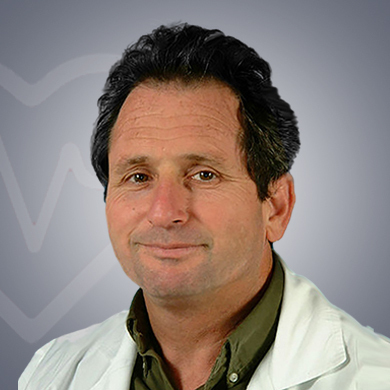
Dr. Eytan Aharon Ben-Ami

Medical Oncologist

, Ramat Gan, Israel

10 Years of experience

Speaks: Hebrew , English

USD 3000 USD 2800 for video consultation


Dr.Eytan Aharon Ben-Ami is a specialized Cancer Specialist. And one of the most sought after medical specialists in Israel. The doctor has 10 of experience and is associated with , one of the best hospitals in Israel.
Dr. Akram Saad

Medical Oncologist

, Ramat Gan, Israel

6 Years of experience

Speaks: Hebrew , English

USD 3000 USD 2800 for video consultation


Dr.Akram Saad is a specialized Cancer Specialist. And one of the most sought after medical specialists in Israel. The doctor has 6 of experience and is associated with , one of the best hospitals in Israel.
Dr. Eyal Fenig

Surgical Oncologist

, Herzliya, Israel

15 Years of experience

Speaks: Hebrew , English


Dr. Eyal Fenig is a specialized Surgical Oncologist in Israel. And one of the most sought after medical specialists in Herzliya, Israel. The doctor has over 15 Years of experience and is associated with Herzliya Medical Center.

Association and Memberships Dr. Eyal Fenig is part of:

  • American Society for Radiotherapy and Oncology
  • Israeli Association of Oncologists

Qualifications :

  • MD from the Faculty of Medicine at the Technion in Haifa
  • Specialization in Oncology held in Beilinson Hospital
  • Internships and narrow specialization in the field of radiotherapy in Sloan Kettering Medical Center, New York, USA (Memorial Sloan Ketering Cancer Center)

Hospital Address :

Herzliya Medical Center, Ramat Yam Street, Herzliya, Israel

What is the medical expertise of Dr Eyal Fenig?

  • Dr Eyal Fenig has 15 years of experience as a surgical oncologist. He is skilled in providing effective treatments for prostate cancer and lymphoma. Dr Fenig performs procedures like stereotactic radiotherapy and intensity-modulated radiotherapy on a regular basis.
  • Dr Fenig is a member of noteworthy organizations such as the Israeli Association of Oncologists and the American Society for Radiotherapy and Oncology.
  • He completed a minor specialization in Radiotherapy at the Sloan Kettering Medical Center in New York, USA. Dr Fenig finished a Fellowship at the Radiation Oncology Department at the Memorial Sloan Kettering Cancer Center in New York.
  • Over the course of his career, Dr Fenig has published several papers in respected scientific journals. Some of these include:
    1. Maloof P, Wang Q, Wang H, Stein D, Denny TN, Yahalom J, Fenig E, Wieder R. Overexpression of basic fibroblast growth factor (FGF-2) downregulates Bcl-2 and promotes apoptosis in MCF-7 human breast cancer cells. Breast Cancer Res Treat. 1999 Jul;56(2):153-67.
    2. Sidi Y, Panet C, Cyjon A, Fenig E, Beery E, Nordenberg J. Guanosine potentiates the antiproliferative effect of cytosine-beta-D-arabinofuranoside in melanoma cell lines. Cancer Invest. 1993;11(5):523-9.
    3. Fenig E, Lurie H, Sulkes A. The use of cyclophosphamide, methotrexate, and 5-fluorouracil in the treatment of Merkel cell carcinoma. Am J Clin Oncol. 1993 Feb;16(1):54-7.

Do you know?

Using MediGence’s Telemedicine Platform, you can book a personalized video consultation with renowned doctors around the world

Explore Telemedicine Platform

Featured Telemedicine Doctors

Online Radiation Oncologist Consultations in the Israel

About Radiation Oncologist

A radiation oncologist is a physician who specializes in the controlled use of ionizing radiation for the treatment of cancer. Radiation oncology is a branch of oncology, which is often used in combination with the other two branches of medical oncology and surgical oncology to treat a cancer patient.

A radiation oncologist works alongside medical oncologist, surgical oncologist, radiologists, interventional radiologists, internal medicine specialists as well as physicists who form a part of multidisciplinary cancer team at the hospital. The team, based on the patient’s clinical status, develop a comprehensive treatment plan. A radiation oncologist determines the dosage and delivery method of radiation therapy to be given to the patient as per the current clinical status and medical history.

Procedures Performed

Based on the area of specialization, a radiation oncologist offers procedure not limited to the following:

  • Brachytherapy
  • Internal modulated radiation therapy (IMRT)
  • Stereotactic radiosurgery
  • Stereotactic body radiotherapy (Cyberknife, Gammaknife, X-knife)
  • Proton therapy
  • Radiation therapy
  • 3D conformal radiation
  • Adaptive radiation therapy (ART)
  • Proton therapy
  • Radioactive iodine therapy
  • Radionucleotide therapy

Top Radiation Oncologists in Israel

DoctorAssociated Hospital
Dr. Eyal FenigHerzliya Medical Center, Herzliya

About Radiation Oncologist Israel

Which are the countries where we can find Cancer Specialist?

Popular Cancer Specialist in Top Countries are :

Type of Cancer Specialist available in Israel?

Top Speciality Doctors in Israel:

Top Rated Hospitals Where We Can Find Cancer Specialist in Israel?

List of Top Rated Hospitals where we can find Cancer Specialist in Israel are as followed:

Can we get the list of Cancer Specialist in Israel in any other language?

Yes, we provide the list of Cancer Specialist in Israel in the following languages:

Frequently Asked Questions
Who are some of the top Radiation Oncologists from other countries?

Here are some of the best rated radiation oncologists in other countries:

Which are some of the procedures performed by Radiation Oncologists in Israel?
Which are some of the best hospitals in Israel, Radiation Oncologist are associated with?

Listed below are some of the top hospitals in Israel where radiation oncologists work:

Which are some of the conditions treated by Radiation Oncologist in Israel?

Some of the conditions performed by radiation oncologists in Israel are:

  • Functional Abnormalities and Small Tumors of the Brain
  • Gastrointestinal Cancers
  • Cervical Cancer
  • Lung Tumours
  • Eye Cancer
  • Prostate Tumours
  • Pancreas Tumours
  • Kidney Tumours
  • Head and Neck Cancers
  • Cancers near the Brain and Spinal Cord
  • Liver Tumours
  • Uterine Cancer
  • Spine Tumours
  • Lung Cancer
  • Breast Cancer
  • Head And Neck Cancer
  • Prostate Cancer
  • Thyroid Cancer
  • Brain Cancer
  • Brain Tumours
  • Vascular Malformations
  • Rectal Cancer
  • Abnormalities in the Brain
  • Tumors
Who is a Radiation Oncologist?

A radiation oncologist is a specialist doctor who uses ionizing radiation in the treatment of cancer. Radiation oncology is one of the 3 primary specialties, including medical and surgical oncology, involved in the treatment of cancer. Also, radiation could be given either alone or together with chemotherapy and/or surgery. It can also be used palliatively, to provide relief in patients with incurable cancers.

A radiation oncologist might also use radiation for the treatment of some benign diseases, such as benign tumors. In some countries, radiotherapy and chemotherapy are performed by a single oncologist called a "clinical oncologist". Radiation oncologists work closely with other doctors such as interventional radiologists, surgical oncologists, internal medicine subspecialists, medical oncologists, and medical physicists as part of the multi-disciplinary cancer team.

Radiation oncologists have four years of oncology-specific training, and oncologists who provide chemotherapy have 2 years of additional training in cancer care while doing fellowship after internal medicine residency. A radiation oncologist works very closely with surgeons, medical oncologists, and other doctors to find the most appropriate course of treatment for cancer.

What are the qualifications of a Radiation Oncologist?

Radiotherapy training focuses on the treatment of solid tumors in terms of radiation therapy, chemotherapy, and palliative care in most states. A person needs to complete five and half years of MBBS course which also includes in-service comprehensive training and a university-level exam.

After completing MBBS interested candidate who wants to join the profession as Radiation Oncologist needs to undergo a post-graduation course in oncology like MD (Radiotherapy) or MD (Oncology) followed by DM (Medical Oncology). MD Radiation oncology specialists are the most proficient oncologists providing radiotherapy and chemotherapy.

What conditions do Radiation oncologists treat?

A radiation oncologist can treat a wide variety of conditions listed below:

  • Bone cancer
  • Brain tumor
  • Breast cancer
  • Colorectal cancer
  • Esophageal cancer
  • Head and neck cancers
  • Leukemia
  • Prostate Tumours
  • Pancreas Tumours
  • Kidney Tumours
  • Gastrointestinal Cancers
  • Cervical Cancer
  • Lung Tumours
  • Liver Tumours
  • Uterine Cancer
  • Spine Tumours
  • Eye Cancer
  • Lung Cancer
  • Prostate Cancer
  • Thyroid Cancer
  • Head and Neck Cancer
  • Brain Cancer
  • Vascular Malformations
  • Rectal Cancer
What diagnostic tests are required by Radiation oncologists?

Diagnostic tests are used to detect cancer in its initial stages, and a person shows no symptoms. This process is called early detection and cancer screening tests. These can sometimes help find whether a tumor would become cancer.

Some common diagnostic tests ordered by a radiation oncologist are:

  • Computed tomography (CT) scan
  • X-rays or other radiographic tests
  • Mammography
  • Magnetic resonance imaging (MRI) scan
  • Breast MRI
  • Nuclear medicine scans (such as PET scans, bone scans, Thyroid scans, gallium scans, MUGA scans)
  • Ultrasound
When should you visit a Radiation Oncologist?

Radiation oncologists treat different kinds of cancer. If you are diagnosed with any of the following conditions, you need to see a radiation oncologist. You should see an oncologist if you have any of the below-listed symptoms:

  • Weight changes, or unintended loss or gain
  • Changes in bowel/bladder habits
  • Lump or area of thickening
  • Persistent cough, trouble breathing
  • Skin changes like yellowing, redness or darkening of the skin
  • Sores that are not healing, or changes in existing moles
  • Fatigue
  • Breast changes
What can you expect from your first visit with a Radiation Oncologist?

During your first visit, a radiation oncologist will review your all medical records and x-rays, and carry out a physical exam. The oncologist doctor will talk about their findings and will decide what treatment plan would be best for you.

You may expect to have radiation treatments five days a week for about 6-7 weeks. Each visit lasts for 10 to 30 minutes, but you may be given radiation for 1-2 minutes per session. Many small doses are given to help protect the healthy cells in the area being treated, and the two-day break from treatment allows normal cells to recover. The radiation oncologist will review your condition every week to see how your body is acting to the treatment.

Which are the most common procedures performed by a Radiation Oncologist?

A radiation oncologist can perform a number of procedures as listed below:

  • Cyberknife, X-knife, Gammaknife
  • Proton therapy
  • Radiation therapy
  • Brachytherapy
  • Internal modulated radiation therapy
  • Stereotactic radiosurgery
  • Proton therapy
  • Radioactive iodine therapy
  • 3D conformal radiation
  • Adaptive radiation therapy
  • Radionucleotide therapy

FAQs related to Israel

How to avail online consultation with some of the top doctors in Israel?

Telemedicine is a fantastic way for incorporating technology into healthcare. It makes clinical care so simple to adopt and progress with in order to identify better ways to treat patients and return them to excellent health and optimum parameters. It is a system for virtual care consultations for a variety of ailments.

How to access Telemedicine by MediGence?

Exploring & Booking an appointment with the specialist in 3 simple steps-

  • Choose a suitable Doctor based on your symptoms or condition
  • Schedule an appointment with the doctor of your choice

Our Telemedicine offering makes things simple via its user-friendly interface.

  • On-demand Scheduled Appointments
  • Data Security Guaranteed with HIPAA Compliance
  • Video Interaction with Top Medical Experts across borders
  • Video Recording Option for Patient’s convenience
  • Private video consultations can be downloaded within 72 hours
  • Clinical notes & prescriptions
  • Secured & Easy Payment Options- E-receipt is generated & sent automatically to the patient.
How to choose some of the best rated doctors in Israel?

The majority of people believe they do have a broad understanding of what a "good" doctor can accomplish or haven't given it any thought. If you're searching for a new doctor or a specialist, you might have a few extra questions about what to look for in a medical professional. Knowing what makes a good doctor can aid in the diagnosis and get you the care you want without having to worry about anything.

  • Domain Knowledge - A qualified doctor should understand how the entire body works as a unit and what one must do to keep their complete health. They should keep up with all of the newest developments in the industry and share their knowledge in an easy-to-understand manner. Patients will become more likely to follow this advice correctly and trust the doctor when there is an issue if doctors provide a wide range of facts and clearly state why they consider a given style of medical care to be good.
  • Doctor’s Reputation - Doctors are frequently chosen by word of mouth, but when looking for a new doctor, it is crucial to consider your sources. Ask a few different people and watch whose name keeps coming up. You can also get useful information by asking your primary care physician about specialists and others in the region. Several people nowadays look for reviews of new doctors on the internet, but this information might be skewed. To gain a better idea about what a doctor is like, look for consistency in remarks regarding them, both favorable and negative.
  • Credentials of the Doctor - A good school education or other credentials may not guarantee that a doctor will deliver exceptional care, but it is a fine place to begin. If the doctor's credentials or affiliations within the field are lacking, this is a red flag. Check to see if the doctor is board certified and has fulfilled all licensure criteria. Knowing the hospital they are linked with or what qualifications other members of their practice have can give you an idea of the kind of care one will receive if they require extra treatment.
  • Empathy and Sincerity of the Doctor - The doctor's demeanor can put you at ease during the appointments. A patient wishes to feel that their doctor actually cares about them and their family so that one can openly discuss any questions or concerns they may have. It is not a bad idea to switch doctors if one does not feel emotionally connected to their current one. Seek someone who is friendly and attentive, and who encourages their patients to express themselves freely. To make someone comfortable and make it simpler for them to follow treatments effectively, the doctor must explain what they are doing and the reasoning behind it.
  • Good Communication Skills - A physician must be able to communicate effectively with their patients, which entails both listening to them and presenting information in an understandable way. Patients who can communicate effectively with their doctors are more likely to comply with their treatment regimen and reveal any extra health issues they could be facing. This will assist clinicians in identifying potentially harmful trends that the patient might be experiencing and intervening to ensure that therapies are effective.

Reference:

The Lancet

Which are the most common Medical Specialities available in Israel