Your Notifications
All done, no notifications

5 Specialists

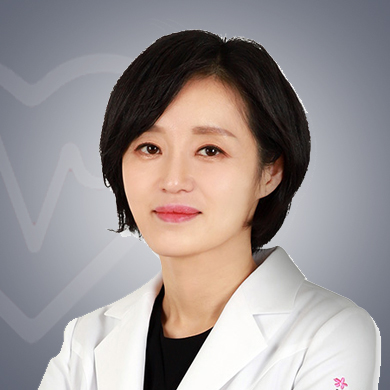
Dr. So Young Lee

Otolaryngologist

, Seoul, South Korea

20 Years of experience

Speaks: Korean , English


Dr. So Young Lee is a specialized ENT Surgeon in South Korea. And one of the most sought after medical specialists in Seoul, South Korea. The doctor has over 15 Years of experience and is associated with ID Hospital.

Association and Memberships Dr. So Young Lee is part of:

  • Full Member, Korean Society of Otorhinolaryngology-head and Neck Surgery
  • Full Member, Korean Rhinologic Society

Qualifications :

  • M.D.Catholic University of Korea, College of Medicine
  • Intern, St. Marys Hospital, Department of Plastic & Reconstructive Surgery

Hospital Address :

South Korea, Seoul, Gangnam-gu, Nonhyeon-dong, Dosan-daero, ID Hospital Korea
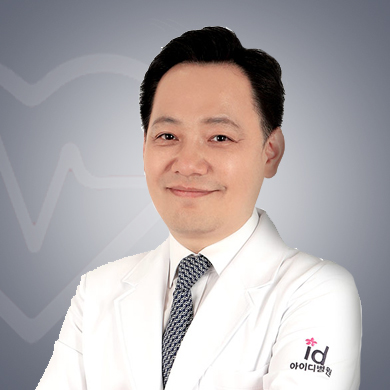
Dr. Bum Soo Kim

Otolaryngologist

, Seoul, South Korea

12 Years of experience

Speaks: Korean , English


Dr. Bum Soo Kim is a specialized ENT Surgeon in South Korea. And one of the most sought after medical specialists in Seoul, South Korea. The doctor has over 12 Years of experience and is associated with ID Hospital.

Qualifications :

  • Kyung Hee University College of Medicine

Hospital Address :

South Korea, Seoul, Gangnam-gu, Nonhyeon-dong, Dosan-daero, ID Hospital Korea
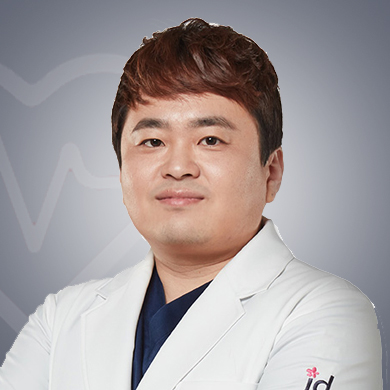
Dr. Seong Jun Yun

Otolaryngologist

, Seoul, South Korea

10 Years of experience

Speaks: Korean , English


Dr. Seong Jun Yun is a specialized ENT Surgeon in South Korea. And one of the most sought after medical specialists in Seoul, South Korea. The doctor has over 10 Years of experience and is associated with ID Hospital.

Association and Memberships Dr. Seong Jun Yun is part of:

  • Full Member, the Korean Society for Aesthetic Plastic Surgery
  • Full Member, the Korean Aesthetic Surgery & Laser Society
  • American Society for Laser Medicine & Surgery

Qualifications :

  • Soonchunhyang University, College of Medicine Resident, Korea University Anam Hospital

Hospital Address :

South Korea, Seoul, Gangnam-gu, Nonhyeon-dong, Dosan-daero, ID Hospital Korea

Do you know?

Using MediGence’s Telemedicine Platform, you can book a personalized video consultation with renowned doctors around the world


Explore Telemedicine Platform

Featured Telemedicine Doctors

Dr. Yoo Sam Chung

Otolaryngologist

, Seoul, South Korea

20 Years of experience

Speaks: Korean , English


Dr. Yoo Sam Chung is a specialized ENT Surgeon in South Korea. And one of the most sought after medical specialists in Seoul, South Korea. The doctor has over 20 Years of experience and is associated with Asan Medical Centre.

Certifications :

  • Fellowship in Otorhinolaryngology Head and Neck Surgery, UUCM AMC

Qualifications :

  • Doctor of Medicine : Yonsei University
  • Master of Medicine : Yonsei University
  • Bachelor of Medicine : Yonsei University

Hospital Address :

Asan Medical Center, Olympic-ro 43-gil, Pungnap 2(i)-dong, Songpa-gu, Seoul, South Korea
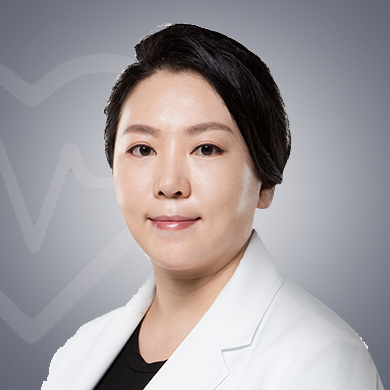
Dr. Kyung Jin

Otolaryngologist

, Seoul, South Korea

20 Years of experience

Speaks: Korean , English


Dr. Kyung Jin is a specialized ENT Surgeon in South Korea. And one of the most sought after medical specialists in Seoul, South Korea. The doctor has over 20 Years of experience and is associated with ID Hospital.

Association and Memberships Dr. Kyung Jin is part of:

  • Full member, the Korean Association of Internal Medicine
  • Member, the Korean Academy of Asthma, Allergy and Clinical Immunology
  • Member, Korean Endocrine Society

Qualifications :

  • M.D., Yonsei University College of Medicine
  • Intern, Department of Internal medicine, Gangnam Severance Hospital, Yonsei University

Hospital Address :

South Korea, Seoul, Gangnam-gu, Nonhyeon-dong, Dosan-daero, ID Hospital Korea

Top ENT Specialist in South Korea

About ENT Specialist

ENT Specialist, also called an Otolaryngologist, is a doctor specialized in the diagnosis, treatment and prevention of disorders of the head, neck, ears, nose, sinuses, voice box (larynx) and other structures. The ENT specialist, who performs surgery to treat these conditions, is called ENT surgeons.

Common symptoms requiring a visit to an ENT Specialist include:

  • Hearing loss and ear disorders (e.g., ear infection, dizziness, tinnitus)
  • Allergies (e.g., hay fever, seasonal rhinitis)
  • Infections (e.g., sinusitis, tonsillitis)
  • Injuries
  • Congenital (present at birth) or acquired abnormalities (e.g., cleft palate, cleft lip, deviated septum, drooping eyelids, loss of smell)
  • Swallowing disorders (e.g., difficulty swallowing)
  • Speech disorders (e.g., hoarseness, laryngitis)
  • Benign (non-cancerous) growths and malignant (cancerous) tumors of the nose, sinuses, mouth, throat, larynx, upper esophagus, thyroid gland and parathyroid (e.g., nasal polyps, head and neck cancer)
  • Certain nerve disorders (e.g., Bell's palsy)
  • Sleep disorders (e.g., sleep apnea, snoring)

Procedures Performed by ENT Specialist in South Korea

  • Tonsillectomy and Adnoidectomy (tonsils)
  • Myringotomy with Tube Insertion (ear tubes)
  • Functional Endoscopic Sinus Surgery (FESS)
  • Sleep Apnea Inspire Therapy
  • Corrective breathing surgery
  • Sinus surgery
  • Blepharoplasty
  • Endoscopic sinus surgery
  • Excision and biopsy
  • Facial plastic surgery
  • Myringotomy and pressure equalization (PE) tube placement
  • Neck dissection
  • Septoplasty
  • Surgery for snoring or obstructive sleep apnea (OSA)
  • Thyroid Surgery
  • Tonsillectomy or adenoidectomy
  • Tracheostomy
  • Tympanoplasty

Top ENT Specialists in South Korea

DoctorAssociated Hospital
Dr. Kyung JinID Hospital, Seoul
Dr. Seong Jun YunID Hospital, Seoul
Dr. Bum Soo KimID Hospital, Seoul
Dr. Yoo Sam ChungAsan Medical Centre, Seoul
Dr. So Young LeeID Hospital, Seoul

Top ENT Experts in South Korea Hospitals

Who Are ENT Surgeons?

ENT Surgeons are doctors specialized in providing medical and surgical treatment to people who are facing problems and/or conditions pertaining to their ears, nose and/or throat. Patients sometimes visit an otolaryngologist for getting the best ENT treatment for the conditions of ears, nose and throat, other times these doctors of ENT are consulted for ENT surgeries to aesthetically enhance the appearance of the face.

When should you consider visiting an ENT Surgeon?

There can be various symptoms or conditions that might cause you to visit an ENT surgeon. Some of them are as follows:

Ear conditions:

  • Hearing loss, other hearing related problems and deafness
  • Glue ear in i.e. blockage of the ear with fluid
  • Tinnitus causing the ringing in the ears
  • Eustachian tube dysfunction
  • Dizziness and vertigo
  • Ear infections
  • Perforated ear drum and cholesteatoma
  • Protruding ears

Nose conditions:

  • Sinus infection
  • Nasal injuries
  • Nasal polyps
  • Tumours of the nose
  • Nasal obstruction
  • Disorders of the sense of smell

Throat conditions:

  • Tonsillitis
  • Hoarseness and laryngitis
  • Problems in swallowing
  • Upper airway breathing problems
  • Snoring
  • Breathing stops during sleep

Head and neck conditions:

  • Problem and conditions affecting the head and neck

Procedures Performed by ENT Surgeons in South Korea

  • Tonsillectomy and Adnoidectomy (tonsils)
  • Myringotomy with Tube Insertion (ear tubes)
  • Functional Endoscopic Sinus Surgery (FESS)
  • Sleep Apnea Inspire Therapy
  • Insertion of grommets for glue ear
  • Tonsillectomy (removal of tonsils) or adenoidectomy (removal of adenoids)
  • Septoplasty
  • Microlaryngoscopy
  • Oesophagoscopy
  • Endoscopic sinus surgery
  • Tympanomastoid surgery
  • Open operations to remove neck lumps and salivary gland tumours
  • Tracheostomy

Facial cosmetic surgery is related to ENT surgery

Facial plastic surgery is a part of ENT surgery, which is divided into two categories: cosmetic and reconstructive. Some of the features of facial plastic surgery are:

  • Enhancing aesthetic appeal of facial features
  • Removal of excess skin and fat pads around the upper and lower eyelids
  • Facial reconstruction following trauma or cancer

Which are the countries where we can find Ent Specialist?

Popular Ent Specialist in Top Countries are :

Type of Ent Specialist available in South Korea?

Top Speciality Doctors in South Korea:

  • ENT Surgeon

Top Rated Hospitals Where We Can Find Ent Specialist in South Korea?

List of Top Rated Hospitals where we can find Ent Specialist in South Korea are as followed:

Can we get the list of Ent Specialist in South Korea in any other language?

Yes, we provide the list of Ent Specialist in South Korea in the following languages:

Frequently Asked Questions
Who are the top ENT Specialists from other countries?

Following are some of the best ent specialis in other countries:

  • Lebanon
    • Dr. Patrick Snaifer
    • Dr. Marc Mourad
    • Dr. Walid Bejjani
    • Dr. Jade Nehme
    • Dr. Ziad Rohayem
Which are some of the best hospitals in South Korea, All are associated with?

Listed below are some of the top hospitals in South Korea where ent specialis work:

Who is an ENT Specialist?

Otolaryngology is the specialty area that deals with conditions of the ear, nose, and throat (ENT), and related areas of the neck and head. If you are experiencing a problem that is related to your nose, ear, and nose, you can see an ENT specialist, who is also known as an otolaryngologist, or an ear, nose, and throat doctor.

An ENT specialist may have also completed an additional 1-2 years of training in one of the following subspecialty areas:

  • Pediatric otolaryngology (treating ENT problems in children)
  • Allergy
  • Otology/audiology/neurotology (focusing on ears, tinnitus, balance)
  • Facial plastic/reconstructive surgery
  • Laryngology (specializing in the voice, throat, and swallowing)
  • Neck and neck surgery
  • Rhinology (specialization in the sinus cavity and nose)

ENTs deal with anything related to the head, neck, and ears in children and adults, including:

  • sinuses
  • larynx
  • mouth
  • Hearing
  • adenoids and tonsils
  • thyroid
  • throat
  • Cancers of the head, neck, throat
  • Reconstructive or cosmetic surgery on the head or neck
  • Ear tubes
  • Ear surgery
What are the qualifications of an ENT Specialist?

Candidates aspiring to become an ENT specialist must have a 5½ year-MBBS degree followed by MS (ENT) course. The candidates need to follow the below steps to become an ENT Specialist:

  • Students who have to appear in a medical entrance test.
  • After completion of the four and half years of MBBS course and one year and six months of training, one needs to pursue M.S. (ENT).
  • After completing their requisite specialization courses, MS (ENT), and getting the compulsory registration from a medical council, the aspiring ENT specialist can work in a government as well as a private hospital.
  • Those who want to go for more specialization and research work could also opt for M.Ch.(ENT) or P.hD. (ENT) courses after completing 2-3 years of MS (ENT) program.
What conditions do ENT Specialists treat?

An ENT specialist or an otolaryngologist is trained in the treatment and care of a number of conditions that may affect the areas in and around the throat, ears, nose, head, and neck problems. Common conditions an ENT specialist may treat include:

  • Goiter
  • Perforates Eardrum
  • Irregular Ear Shape and Size
  • Deviated Nasal Septum
  • Hearing loss
  • Radiation Necrosis in the Neck
  • Profound Deafness
  • Head and Neck Cancer
  • Nasal Polyp
  • Hyperthyroidism
  • Throat Cancer
  • Laryngeal Cancer
  • Thyroid Cancer
  • Neck Injury
  • Tonsil
  • Nasal polyp
  • Allergy
  • Nasal congestion
  • Polyps in the nose
  • Throat or vocal cord issues
  • Tonsillar infections/enlarged tonsil
  • Giddiness, vertigo
What diagnostic tests are required by ENT Specialists?

If your ENT specialist suspects you might need surgery or any other treatment for your throat, ears, or nose, you may be recommended to undergo additional testing and screening. It ensures the accuracy of diagnosis so that the right treatment can start.

Your doctors and audiologists can perform a number of tests to help identify the nature of your condition. Besides specific tests for your throat, ears, and nose, doctors might recommend other blood tests or imaging, such as X-rays, MRIs, CT, and PET scans.

  • Audiometric testing
  • Nasal endoscopy
  • Allergy testing
  • CT scan
  • Cultures and biopsies
  • Tympanometry
  • Pure tone audiometry
  • Evoked potential
  • Barium swallow
  • Biopsy
  • Laryngoscopy
  • Laryngeal electromyography
  • Stroboscopy
When should you visit an ENT Specialist?

You need not see an ENT consultant in case you are having problems with your nose, ears, and throat, but it may be sometimes necessary to have specialist care. Knowing when to consult a specialist is crucial as it would ensure that you receive the help you require instead of bearing uncomfortable and painful symptoms.

Consult an ENT specialist if you experience below signs and symptoms:

  • Injury to your nose, throat, ears
  • Nerve problems in your throat, ears, nose
  • Ear infection
  • Tonsil or any adenoid infection
  • Hearing impairment
  • Swimmer's ear, Dizziness, Balance problems
  • Pain in your throat, ears, nose
  • Breathing problem
  • Tinnitus
  • Ear, nose, or throat birth defect
  • Sinus problem
  • Asthma
  • Deviated septum
  • Bleeding nose
  • Cleft palate
  • Sore throat, voice, or swallowing problems
  • Nasal congestion, hoarseness, drooping of the eyelids
  • Problems with smell
What can you expect from your first visit with an ENT Specialist?

Here is an overview of what you expect from your first visit with an ENT Specialist:

  • Exam and conversation: When it is time to meet an ENT specialist, you would be visiting in a private examination room. Also, the doctor would ask about your complete medical history. Make sure to share full details about your health, such as the reason for the visit.
  • Ask Questions: You should write your questions and symptoms beforehand so you do not ignore anything during the appointments.
  • Treatment Plan: An initial examination will provide all the information required to determine the best ways to start a treatment plan. Your ENT can recommend additional testing or medications to be used to look closely at the nose and sinuses.
  • The doctor can collect important details during the exam, which may show that more information is required.
  • The direction of your appointment depends on your overall complaints. For example, in case the complaint is about the ear, they will do ear tests like an audiogram and a tympanogram. If you are experiencing sinus pain, a nasal scope may be used to see the area.
Which are the most common procedures performed by an ENT Specialist?
  • Sinus surgery
  • Blepharoplasty
  • Tonsillectomy, Adnoidectomy (tonsils)
  • Myringotomy with Tube Insertion
  • Functional Endoscopic Sinus Surgery
  • Excision and biopsy
  • Facial plastic surgery
  • Sleep Apnea Inspire Therapy
  • Corrective breathing surgery
  • Endoscopic sinus surgery
  • Surgery for snoring, obstructive sleep apnea
  • Thyroid surgery
  • Myringotomy and pressure equalization tube placement
  • Neck dissection
  • Tympanoplasty
  • Tonsillectomy/adenoidectomy
  • Septoplasty
  • Tracheostomy

FAQs related to South Korea

How to avail online consultation with some of the top doctors in South Korea?

Telemedicine by MediGence makes virtual care for critical conditions easily accessible for you. You can talk to a specialist on a video call from your distant location, real-time screening of reports will be done and you will get the diagnosis, right then and there. You can also record the conversation to use later. We value your privacy, hence all the Healthcare records and teleconsultation are stored securely on HIPAA compliant servers on Cloud.

Follow the simple steps at our Telemedicine platform to book an appointment with a doctor

  • Simply search for the Doctor by a specialty/name
  • Select the best-suited Doctor for you
  • Choose your day for consultation
  • Fill in the details- Name, Mail id, Contact, Describe your symptoms, upload your reports
  • At last, Pay online via Paypal to Book an Appointment for a video consultation with the top renowned doctors/specialists in Thailand

Benefits of Telemedicine :

  • Patient Engagement Increases
  • Reduced Admission Rates and Better Mental Health
  • Cost and Time Saving
  • Optimizing Medications Intake and Reducing Outpatient Visits
  • Keeping medical records and reports up to date
How to choose some of the best rated doctors in South Korea?

Once you have consulted people in your network and researched through various sources the credentials of the doctors, their reviews and referrals, the next step is to zero in further on the basis of their specific skills. The best rated and reviewed doctors in South Korea can be chosen based on the below mentioned and outlined criteria via MediGence.com.

  • Communication skills - A doctor's communication skills are crucial in a variety of situations, including patient contact, staff collaboration, and talking with family members. They must be able to explain what is happening to their patients in a clear and simple manner, ensuring that they comprehend what is going on while staying professional and pleasant. They will also be part of a multi-disciplinary team, and it is vital that they communicate accurately with the other team members.
  • Capable of working in a team - There is no doctor who works on their own. Interdisciplinary teams are common in medical environments, and they will have to collaborate with other doctors, nurses, healthcare assistants, physiotherapists, social workers, and a variety of other professionals. They will be dealing with these employees on a daily basis, therefore it is critical that they are able to interact effectively with others in order to provide the greatest care for their patients. This necessitates them contributing ideas and assisting when possible, as well as delegating any tasks they require and according to any orders given.
  • Work ethics and compassion - A doctor's scientific brilliance may enable them to cure their patients, but without compassion, they will not be the greatest doctor they can be. They must be concerned about their patients' well-being. A doctor helps other people, and they can't do it regularly if they don't care about their patients' well-being. A strong work ethic is also important, but compassion is the attribute that will motivate a doctor to move out of bed at 2 a.m. when they are on call to assist someone who is in need.
  • Organizational Skills - As a doctor, you must juggle a large number of patients, sometimes across numerous wards and even at opposite ends of a hospital. It's easy to become overloaded with patient contact, paperwork, as well as meetings. This is where having good organizational abilities comes in handy. Knowing which activities are critical and which can wait will make one's job much easier, ensuring that patients receive the best possible care while also meeting their specific deadlines.
  • Professionalism - Even as it is a noble profession, being a doctor is a job, and as such, professionalism is essential. This entails remaining courteous, attentive, and well-dressed. One can receive complaints and be disciplined for being disrespectful to both various staff members and patients, just like in any other employment, so it's critical that one maintains a good standard of conduct while at work.

References:

Which are the most common Medical Specialities available in South Korea