Browse verified doctors or let our care team help you find the doctor best suited to your condition, treatment goals, and budget.

Arab Medical Center is a trusted healthcare provider for Plasmapheresis, offering therapeutic plasma exchange supported by experienced specialists, advanced apheresis systems, trained nursing teams, and multidisciplinary clinical care. Established in 1997, the JCI- accredited hospital is situated in Amman, Jordan and has 243 beds.
Plasmapheresis works by selectively removing plasma containing disease-associated antibodies, proteins, immune complexes, or other circulating substances. The cellular components of blood are preserved and returned to the circulation along with replacement fluid. The number and frequency of treatment sessions depend on the underlying condition, severity of disease, response to therapy, and the treating specialist's clinical assessment.
Choosing Ara Damansara Medical Centre for Plasmapheresis gives patients access to experienced apheresis specialists, advanced plasma separation technology, specialized vascular access, continuous monitoring, and structured follow-up care. Established in 2012, the JCI, MSQH accredited hospital in Kuala Lumpur, Malaysia has 220 beds and provides specialized therapeutic plasma exchange services.
Plasmapheresis is generally performed through a peripheral vein or, when necessary, a central venous access device. Blood is continuously circulated through the apheresis machine, where plasma is separated and removed while the cellular components are returned with replacement fluid. Patients are monitored throughout the procedure for changes in blood pressure, heart rate, calcium levels, fluid balance, and other potential reactions. Treatment duration varies according to the exchange volume and clinical protocol.
Riyadh Care Hospital provides specialised Plasmapheresis with a focus on precise plasma removal, advanced apheresis technology, individualized treatment protocols, and comprehensive patient monitoring. Established in 1990, the JCI accredited hospital is located in Riyadh, Saudi Arabia and operates 325 beds, with modern apheresis, critical-care, and multidisciplinary medical infrastructure.
Plasmapheresis can help reduce circulating disease-associated substances when therapeutic plasma exchange is clinically indicated. Treatment planning considers the patient's underlying disease, blood volume, vascular access, coagulation profile, electrolyte levels, and overall clinical condition. A detailed assessment helps the medical team determine the appropriate exchange volume, replacement fluid, treatment frequency, and monitoring requirements while minimizing potential complications such as low blood pressure, allergic reactions, bleeding, or electrolyte disturbances.
Taoufik Clinique provides specialised Plasmapheresis with a focus on precise plasma removal, advanced apheresis technology, individualized treatment protocols, and comprehensive patient monitoring. Established in 1979, the ISO accredited hospital is located in Tunis, Tunisia and operates 180 beds, with modern apheresis, critical-care, and multidisciplinary medical infrastructure.
Plasmapheresis can help reduce circulating disease-associated substances when therapeutic plasma exchange is clinically indicated. Treatment planning considers the patient's underlying disease, blood volume, vascular access, coagulation profile, electrolyte levels, and overall clinical condition. A detailed assessment helps the medical team determine the appropriate exchange volume, replacement fluid, treatment frequency, and monitoring requirements while minimizing potential complications such as low blood pressure, allergic reactions, bleeding, or electrolyte disturbances.
Choosing Care national Hospital for Plasmapheresis gives patients access to experienced apheresis specialists, advanced plasma separation technology, specialized vascular access, continuous monitoring, and structured follow-up care. Established in 2003, the JCI accredited hospital in Riyadh, Saudi Arabia has 460 beds and provides specialized therapeutic plasma exchange services.
Plasmapheresis is generally performed through a peripheral vein or, when necessary, a central venous access device. Blood is continuously circulated through the apheresis machine, where plasma is separated and removed while the cellular components are returned with replacement fluid. Patients are monitored throughout the procedure for changes in blood pressure, heart rate, calcium levels, fluid balance, and other potential reactions. Treatment duration varies according to the exchange volume and clinical protocol.
At Meliva Kardiolita Hospital, Vilnius, Plasmapheresis is performed using specialised therapeutic plasma exchange equipment and comprehensive pre-procedure assessment. Established in 1998, this JCI accredited hospital in Vilnius, Lithuania has 36 beds and offers advanced blood purification and multidisciplinary medical services.
Plasmapheresis may be considered for selected autoimmune, neurological, hematological, or other conditions in which circulating substances contribute to disease activity. During treatment, blood is withdrawn through suitable vascular access and passed through an apheresis machine that separates plasma from blood cells. The plasma is removed and replaced with an appropriate fluid before the blood cells are returned to the patient.
Vinmec Hai Phong is a trusted healthcare provider for Plasmapheresis, offering therapeutic plasma exchange supported by experienced specialists, advanced apheresis systems, trained nursing teams, and multidisciplinary clinical care. Established in 2018, the JCI- accredited hospital is situated in Ha noi, Vietnam and has 200 beds.
Plasmapheresis works by selectively removing plasma containing disease-associated antibodies, proteins, immune complexes, or other circulating substances. The cellular components of blood are preserved and returned to the circulation along with replacement fluid. The number and frequency of treatment sessions depend on the underlying condition, severity of disease, response to therapy, and the treating specialist's clinical assessment.
Vinmec Ha Long Hospital offers advanced Plasmapheresis using modern therapeutic plasma exchange techniques and individualized clinical care plans. Established in 2018, the JCI accredited hospital is located in Ha noi, Vietnam and has 500 beds, providing comprehensive care for local and international patients.
Plasmapheresis is a blood purification procedure in which plasma is separated from the cellular components of blood and removed or exchanged with a replacement fluid. It may be used to reduce harmful antibodies, abnormal proteins, immune complexes, or other substances circulating in the plasma. Depending on the underlying condition, the removed plasma may be replaced with albumin, saline, donor plasma, or another clinically appropriate replacement solution.
Vinmec Central Park International Hospital provides specialised Plasmapheresis with a focus on precise plasma removal, advanced apheresis technology, individualized treatment protocols, and comprehensive patient monitoring. Established in 2015, the JCI accredited hospital is located in Ho Chi Minh, Vietnam and operates 178 beds, with modern apheresis, critical-care, and multidisciplinary medical infrastructure.
Plasmapheresis can help reduce circulating disease-associated substances when therapeutic plasma exchange is clinically indicated. Treatment planning considers the patient's underlying disease, blood volume, vascular access, coagulation profile, electrolyte levels, and overall clinical condition. A detailed assessment helps the medical team determine the appropriate exchange volume, replacement fluid, treatment frequency, and monitoring requirements while minimizing potential complications such as low blood pressure, allergic reactions, bleeding, or electrolyte disturbances.
Choosing VPS Lakeshore Hospital for Plasmapheresis gives patients access to experienced apheresis specialists, advanced plasma separation technology, specialized vascular access, continuous monitoring, and structured follow-up care. Established in 2003, the NABH, ISO accredited hospital in Kochi, India has 350 beds and provides specialized therapeutic plasma exchange services.
Plasmapheresis is generally performed through a peripheral vein or, when necessary, a central venous access device. Blood is continuously circulated through the apheresis machine, where plasma is separated and removed while the cellular components are returned with replacement fluid. Patients are monitored throughout the procedure for changes in blood pressure, heart rate, calcium levels, fluid balance, and other potential reactions. Treatment duration varies according to the exchange volume and clinical protocol.
The Medical Park provides specialised Plasmapheresis with a focus on precise plasma removal, advanced apheresis technology, individualized treatment protocols, and comprehensive patient monitoring. Established in 1987, the accredited hospital is located in Chennai, India and operates 300 beds, with modern apheresis, critical-care, and multidisciplinary medical infrastructure.
Plasmapheresis can help reduce circulating disease-associated substances when therapeutic plasma exchange is clinically indicated. Treatment planning considers the patient's underlying disease, blood volume, vascular access, coagulation profile, electrolyte levels, and overall clinical condition. A detailed assessment helps the medical team determine the appropriate exchange volume, replacement fluid, treatment frequency, and monitoring requirements while minimizing potential complications such as low blood pressure, allergic reactions, bleeding, or electrolyte disturbances.
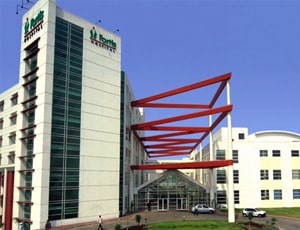
At Fortis Hospital, Plasmapheresis is performed using specialised therapeutic plasma exchange equipment and comprehensive pre-procedure assessment. Established in 2004, this NABH, NABL accredited hospital in Noida, India has 400 beds and offers advanced blood purification and multidisciplinary medical services.
Plasmapheresis may be considered for selected autoimmune, neurological, hematological, or other conditions in which circulating substances contribute to disease activity. During treatment, blood is withdrawn through suitable vascular access and passed through an apheresis machine that separates plasma from blood cells. The plasma is removed and replaced with an appropriate fluid before the blood cells are returned to the patient.
nM Virani Wockhardt offers advanced Plasmapheresis using modern therapeutic plasma exchange techniques and individualized clinical care plans. Established in 1998, the NABH accredited hospital is located in Rajkot, India and has 280 beds, providing comprehensive care for local and international patients.
Plasmapheresis is a blood purification procedure in which plasma is separated from the cellular components of blood and removed or exchanged with a replacement fluid. It may be used to reduce harmful antibodies, abnormal proteins, immune complexes, or other substances circulating in the plasma. Depending on the underlying condition, the removed plasma may be replaced with albumin, saline, donor plasma, or another clinically appropriate replacement solution.
Jimenez Diaz Foundation University Hospital offers advanced Plasmapheresis using modern therapeutic plasma exchange techniques and individualized clinical care plans. Established in 1935, the ISO, JCI accredited hospital is located in Madrid, Spain and has 686 beds, providing comprehensive care for local and international patients.
Plasmapheresis is a blood purification procedure in which plasma is separated from the cellular components of blood and removed or exchanged with a replacement fluid. It may be used to reduce harmful antibodies, abnormal proteins, immune complexes, or other substances circulating in the plasma. Depending on the underlying condition, the removed plasma may be replaced with albumin, saline, donor plasma, or another clinically appropriate replacement solution.
Choosing Manipal Hospital, Dwarka for Plasmapheresis gives patients access to experienced apheresis specialists, advanced plasma separation technology, specialized vascular access, continuous monitoring, and structured follow-up care. Established in 2018, the NABH accredited hospital in Delhi, India has 380 beds and provides specialized therapeutic plasma exchange services.
Plasmapheresis is generally performed through a peripheral vein or, when necessary, a central venous access device. Blood is continuously circulated through the apheresis machine, where plasma is separated and removed while the cellular components are returned with replacement fluid. Patients are monitored throughout the procedure for changes in blood pressure, heart rate, calcium levels, fluid balance, and other potential reactions. Treatment duration varies according to the exchange volume and clinical protocol.
| Speciality | Transplants |
| Procedure | Plasmapheresis |
| Success Rate | Varies by condition |
| Recovery Time | NA |
| Treatment Time | 1-3 hours, multiple sessions |
| Chances of Recurrence | Varies by condition |

Weber, a 57-year-old man from the United States, travelled to India seeking specialised medical care and underwent plasmapheresis as part of his treatment.