Browse verified doctors or let our care team help you find the doctor best suited to your condition, treatment goals, and budget.

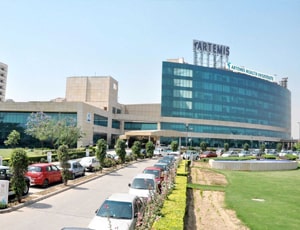
Delhi, India
Bangpakok 9 International Hospital is a distinguished member of the BPK Hospital Group. It stands as one of Thailand's premier private healthcare institutions. The hospital is known for its exceptional medical services and caters to both local residents of Bangpakok and international visitors. With its JCI accreditation, the facility upholds rigorous global standards of care. Utilizing state-of-the-art diagnostic tools such as digital X-rays and CT scans (128 slice), the expert team prioritizes the health and well-being of every patient.
For individuals with conditions like aplastic anemia, leukemia, myelodysplastic syndrome, and hematological malignancies (including lymphoma and multiple myeloma), where the bone marrow fails to generate sufficient blood-forming cells, bone marrow transplantation is often recommended. Experts determine the suitability of a bone marrow transplant through comprehensive physical examinations and a detailed medical history assessment. Moreover, this procedure proves effective in treating certain chemotherapy-resistant cancers like testicular cancer, neuroblastoma, and medulloblastoma, as well as congenital disorders such as thalassemia, sickle cell disease, porphyrias, and severe immunodeficiency disorders. The hospital is equipped with excellent facilities to provide comprehensive care for patients undergoing bone marrow transplantation and ensure optimal post-operative recovery.
Best doctors for Bone Marrow Transplant at Bangpakok 9 International Hospital:
When obtaining a top-notch bone marrow transplant at Medanta The Medicity in Gurugram, international patients can benefit from superior care and patient-friendly facilities. Autologous Bone Marrow Transplant at Medanta is highly effective and successful, boosting patients' survival rates by up to 75%. Medanta, through its research, combines various forms of stem cell transplants to provide quality healthcare services.
The BMT specialists at Medanta will thoroughly prepare you for the procedure. A physical exam and a number of tests may be required to assess your blood and the condition of your body's other organs. The hospital is fully equipped with all the radiology & imaging facilities, BMT rooms with separate HEPA filters for infection control, a Blood Bank, etc. Medanta’s Medical & Haemato-oncology department strives to provide patients with advanced and affordable autologous or any other bone marrow transplant services. Dr. Ashok Vaid and Dr. Dhwanee Thakkar are very experienced and highly renowned Bone Marrow Transplant Specialists at Medanta.
Best doctors for Bone Marrow Transplant at Medanta - The Medicity:
| Speciality | Transplants |
| Procedure | Bone Marrow Transplant |
| Success Rate | Varies by condition |
| Recovery Time | 6-12 months |
| Treatment Time | Several hours to days |
| Chances of Recurrence | Varies by condition |
A bone marrow transplant is a medical procedure that involves replacing damaged or diseased bone marrow with healthy stem cells. The process typically begins with conditioning therapy, which involves high-dose chemotherapy or radiation to destroy the unhealthy bone marrow. Then, healthy stem cells are infused into the patient's bloodstream, where they travel to the bone marrow and start producing new, healthy blood cells. The transplant aims to restore the patient's ability to produce normal blood cells and improve their overall health.
A bone marrow transplant is primarily used to treat hematological conditions, including leukemia, lymphoma, myelodysplastic syndromes, aplastic anemia, and certain genetic disorders like sickle cell disease and thalassemia. These conditions involve abnormalities in the bone marrow's ability to produce healthy blood cells.
The recovery process following a bone marrow transplant is complicated and unique to each patient. Initially, the patient may experience nausea, fatigue, and an increased risk of infection as a result of the conditioning therapy. Following the transplant, the recovery period entails close monitoring and supportive care. The patient will be given medications to suppress the immune system and prevent graft-versus-host disease. The transplanted stem cells will engraft and begin producing new blood cells over time. Typically, the recovery period lasts several months, during which the patient receives regular follow-up visits, blood tests, and supportive care to manage any potential complications and ensure the transplant's success.

Bone marrow transplants (BMT), also known as hematopoietic stem cell transplants (HSCT), can be life-saving for patients whose bone marrow is not functioning to produce healthy blood cells.