Browse verified doctors or let our care team help you find the doctor best suited to your condition, treatment goals, and budget.

Apollo Hospitals is a trusted healthcare provider for Vitrectomy, offering specialized vitreoretinal surgery supported by experienced ophthalmic surgeons and advanced operating facilities. Established in 1988, the JCI accredited hospital is situated in Hyderabad, India and has 550 beds.
Vitrectomy is used to remove cloudy, hemorrhagic, or structurally abnormal vitreous material and provide access to the retina. It can form part of treatment for conditions such as tractional retinal detachment, retinal tears, persistent vitreous bleeding, macular disorders, and some severe eye injuries. The surgeon works through small ports in the eye using high-magnification visualization. Depending on the diagnosis, additional procedures may be performed to stabilize or repair the retina. Post-operative follow-up is important to assess retinal healing and visual recovery.
At Sterling Wockhardt Hospital, Vitrectomy is performed using advanced retinal imaging, microsurgical instruments, and personalized treatment planning. Established in 2001, this NABL accredited hospital in Mumbai, India has 225 beds and offers specialized vitreoretinal services.
Vitrectomy may be recommended when abnormalities within the vitreous or retina interfere with vision or threaten retinal health. During the operation, the ophthalmic surgeon creates tiny openings in the eye and uses specialized instruments to remove the vitreous gel and address the underlying retinal problem. Depending on the condition, laser treatment, cryotherapy, membrane removal, or retinal repair may be performed during the same procedure. In selected cases, a gas bubble or silicone oil is used to support the retina during healing.
Choosing Global Health City for Vitrectomy gives patients access to experienced retinal specialists, high-resolution diagnostic imaging, and modern vitreoretinal surgical technology. Established in 1999, the NABH, NABL accredited hospital in Chennai, India has 200 beds and provides specialized retinal care.
Vitrectomy may be considered when bleeding, scar tissue, abnormal vitreous changes, or retinal disorders significantly affect vision. The procedure involves removing the vitreous gel through small surgical openings and treating the underlying cause. For example, the surgeon may remove scar tissue causing retinal traction or repair a detached retina. A gas bubble or silicone oil may be placed inside the eye when additional internal support is needed. Patients receiving a gas bubble may need to follow specific positioning instructions and avoid air travel until the gas has completely resolved.
At nanavati Super Speciality Hospital, Vitrectomy is performed using advanced retinal imaging, microsurgical instruments, and personalized treatment planning. Established in 1950, this NABH accredited hospital in Mumbai, India has 350 beds and offers specialized vitreoretinal services.
Vitrectomy may be recommended when abnormalities within the vitreous or retina interfere with vision or threaten retinal health. During the operation, the ophthalmic surgeon creates tiny openings in the eye and uses specialized instruments to remove the vitreous gel and address the underlying retinal problem. Depending on the condition, laser treatment, cryotherapy, membrane removal, or retinal repair may be performed during the same procedure. In selected cases, a gas bubble or silicone oil is used to support the retina during healing.
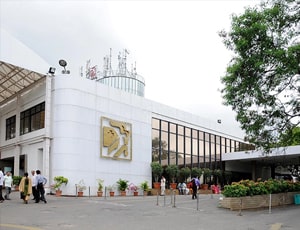
Delhi, India
At Max Super Speciality Hospital, Patparganj, Vitrectomy is performed using advanced retinal imaging, microsurgical instruments, and personalized treatment planning. Established in 2005, this NABH, NABL, AACI accredited hospital in Delhi, India has 400 beds and offers specialized vitreoretinal services.
Vitrectomy may be recommended when abnormalities within the vitreous or retina interfere with vision or threaten retinal health. During the operation, the ophthalmic surgeon creates tiny openings in the eye and uses specialized instruments to remove the vitreous gel and address the underlying retinal problem. Depending on the condition, laser treatment, cryotherapy, membrane removal, or retinal repair may be performed during the same procedure. In selected cases, a gas bubble or silicone oil is used to support the retina during healing.
Centro Medico Teknon provides specialized Vitrectomy with a focus on precise retinal surgery, preservation of vision, and individualized post-operative care. Established in 1994, the JCI accredited hospital is located in Barcelona, Spain and operates 211 beds with modern ophthalmic infrastructure.
Vitrectomy is a surgical technique used to manage diseases affecting the vitreous and retina when less invasive treatments are insufficient. It may be performed for macular holes, epiretinal membranes, retinal detachments, non-clearing vitreous hemorrhage, or selected complications associated with diabetic retinopathy. During surgery, the surgeon removes the vitreous and may perform procedures such as membrane peeling, endolaser, or retinal fluid drainage. The eye may then be filled with a balanced solution, gas, or silicone oil depending on the surgical requirement. Recovery varies according to the underlying condition and additional retinal procedures performed.
At Hospital Quironsalud Barcelona, Vitrectomy is performed using advanced retinal imaging, microsurgical instruments, and personalized treatment planning. Established in 1944, this JCI, ISO accredited hospital in Barcelona, Spain has 165 beds and offers specialized vitreoretinal services.
Vitrectomy may be recommended when abnormalities within the vitreous or retina interfere with vision or threaten retinal health. During the operation, the ophthalmic surgeon creates tiny openings in the eye and uses specialized instruments to remove the vitreous gel and address the underlying retinal problem. Depending on the condition, laser treatment, cryotherapy, membrane removal, or retinal repair may be performed during the same procedure. In selected cases, a gas bubble or silicone oil is used to support the retina during healing.
The London Clinic is a trusted healthcare provider for Vitrectomy, offering specialized vitreoretinal surgery supported by experienced ophthalmic surgeons and advanced operating facilities. Established in , the JCI accredited hospital is situated in London, United Kingdom and has 234 beds.
Vitrectomy is used to remove cloudy, hemorrhagic, or structurally abnormal vitreous material and provide access to the retina. It can form part of treatment for conditions such as tractional retinal detachment, retinal tears, persistent vitreous bleeding, macular disorders, and some severe eye injuries. The surgeon works through small ports in the eye using high-magnification visualization. Depending on the diagnosis, additional procedures may be performed to stabilize or repair the retina. Post-operative follow-up is important to assess retinal healing and visual recovery.
Farrer Park Hospital offers advanced Vitrectomy using modern vitreoretinal surgical techniques and specialized ophthalmic equipment. Established in 2016, the accredited hospital is located in Singapore, Singapore and has 220 beds, providing comprehensive eye care for local and international patients.
Vitrectomy is a microsurgical procedure in which some or all of the vitreous gel inside the eye is removed and replaced with a suitable solution or, when required, a gas bubble or silicone oil. It may be performed to treat retinal detachment, vitreous hemorrhage, macular hole, epiretinal membrane, or certain complications of diabetic eye disease. The surgeon may also use the procedure to access and repair the retina. A detailed retinal examination and imaging are usually performed before surgery to determine the appropriate technique.
Venkateshwar Hospital is a trusted healthcare provider for Vitrectomy, offering specialized vitreoretinal surgery supported by experienced ophthalmic surgeons and advanced operating facilities. Established in 2016, the NABL, NABH accredited hospital is situated in Delhi, India and has 325 beds.
Vitrectomy is used to remove cloudy, hemorrhagic, or structurally abnormal vitreous material and provide access to the retina. It can form part of treatment for conditions such as tractional retinal detachment, retinal tears, persistent vitreous bleeding, macular disorders, and some severe eye injuries. The surgeon works through small ports in the eye using high-magnification visualization. Depending on the diagnosis, additional procedures may be performed to stabilize or repair the retina. Post-operative follow-up is important to assess retinal healing and visual recovery.
At Primus Super Speciality Hospital, Vitrectomy is performed using advanced retinal imaging, microsurgical instruments, and personalized treatment planning. Established in 2001, this NABH accredited hospital in Delhi, India has 250 beds and offers specialized vitreoretinal services.
Vitrectomy may be recommended when abnormalities within the vitreous or retina interfere with vision or threaten retinal health. During the operation, the ophthalmic surgeon creates tiny openings in the eye and uses specialized instruments to remove the vitreous gel and address the underlying retinal problem. Depending on the condition, laser treatment, cryotherapy, membrane removal, or retinal repair may be performed during the same procedure. In selected cases, a gas bubble or silicone oil is used to support the retina during healing.
Choosing Medical Park Trabzon Star Hospital for Vitrectomy gives patients access to experienced retinal specialists, high-resolution diagnostic imaging, and modern vitreoretinal surgical technology. Established in 2011, the JCI accredited hospital in Trabzon, Turkey has 120 beds and provides specialized retinal care.
Vitrectomy may be considered when bleeding, scar tissue, abnormal vitreous changes, or retinal disorders significantly affect vision. The procedure involves removing the vitreous gel through small surgical openings and treating the underlying cause. For example, the surgeon may remove scar tissue causing retinal traction or repair a detached retina. A gas bubble or silicone oil may be placed inside the eye when additional internal support is needed. Patients receiving a gas bubble may need to follow specific positioning instructions and avoid air travel until the gas has completely resolved.
Choosing Medical Park Usak Hospital for Vitrectomy gives patients access to experienced retinal specialists, high-resolution diagnostic imaging, and modern vitreoretinal surgical technology. Established in 2013, the JCI accredited hospital in Usak, Turkey has 106 beds and provides specialized retinal care.
Vitrectomy may be considered when bleeding, scar tissue, abnormal vitreous changes, or retinal disorders significantly affect vision. The procedure involves removing the vitreous gel through small surgical openings and treating the underlying cause. For example, the surgeon may remove scar tissue causing retinal traction or repair a detached retina. A gas bubble or silicone oil may be placed inside the eye when additional internal support is needed. Patients receiving a gas bubble may need to follow specific positioning instructions and avoid air travel until the gas has completely resolved.
At Medical Park Tokat Hospital, Vitrectomy is performed using advanced retinal imaging, microsurgical instruments, and personalized treatment planning. Established in 2015, this JCI accredited hospital in Tokat, Turkey has 157 beds and offers specialized vitreoretinal services.
Vitrectomy may be recommended when abnormalities within the vitreous or retina interfere with vision or threaten retinal health. During the operation, the ophthalmic surgeon creates tiny openings in the eye and uses specialized instruments to remove the vitreous gel and address the underlying retinal problem. Depending on the condition, laser treatment, cryotherapy, membrane removal, or retinal repair may be performed during the same procedure. In selected cases, a gas bubble or silicone oil is used to support the retina during healing.
VM Medical Park Ankara provides specialized Vitrectomy with a focus on precise retinal surgery, preservation of vision, and individualized post-operative care. Established in 2014, the JCI accredited hospital is located in Ankara, Turkey and operates 327 beds with modern ophthalmic infrastructure.
Vitrectomy is a surgical technique used to manage diseases affecting the vitreous and retina when less invasive treatments are insufficient. It may be performed for macular holes, epiretinal membranes, retinal detachments, non-clearing vitreous hemorrhage, or selected complications associated with diabetic retinopathy. During surgery, the surgeon removes the vitreous and may perform procedures such as membrane peeling, endolaser, or retinal fluid drainage. The eye may then be filled with a balanced solution, gas, or silicone oil depending on the surgical requirement. Recovery varies according to the underlying condition and additional retinal procedures performed.
| Speciality | Ophthalmology |
| Procedure | Vitrectomy |
| Success Rate | Varies by condition |
| Recovery Time | Several weeks to several months |
| Treatment Time | 1-2 hours |
| Chances of Recurrence | Varies by condition |
A vitrectomy is a surgical procedure performed to address various retinal and vitreous problems in the eye. In this surgery, the ophthalmologist removes the gel-like vitreous from the middle part of the eye and replaces it with another solution. The process involves using small instruments to carefully cut and suction the vitreous. The surgeon then performs any additional necessary repairs, such as fixing retinal holes. To support the retina in its correct position, the ophthalmologist may introduce air or other gas into the eye. Vitrectomy aims to improve eye health and restore vision by addressing specific eye conditions.
A vitrectomy may be recommended if you experience any of the following eye conditions:
Following a vitrectomy, expect your eye to be swollen, red, or tender for several weeks. You may experience some discomfort and blurry vision in the initial days after the surgery. Allow yourself 2 to 4 weeks of recovery before resuming your regular activities. It's essential to follow your ophthalmologist's post-operative instructions diligently for a smooth healing process and optimal outcomes.