Browse verified doctors or let our care team help you find the doctor best suited to your condition, treatment goals, and budget.
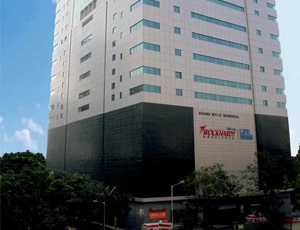
Wockhardt Hospital's Spine Services Department has a multidisciplinary program with a dedicated team of highly experienced spine surgeons, neuro physicians, pain block experts, physiotherapists, and rehabilitation experts. Wockhardt Hospitals has one of the best state-of-the-art equipment, world-class infrastructure, and diagnostic services. Digital radiography x-rays, MRI, CT scan, CAT scan, Electromyography, Nerve Conduction Velocity, and other diagnostic tests for spinal issues are available at the hospital.
At the hospital, modern treatment modalities for spinal issues include pedicular fixation (using screws, interbody cage PLIF, TLIF, ALIF, artificial disc replacement, spinal osteotomies and fusions, vertebral column resection, and minimally invasive and endoscopic surgeries). Expert spine surgeons perform a laminectomy, a surgical procedure used to remove areas of the vertebral bones called the lamina, in the hospital. During the procedure, the back muscles are pushed sideways, and sections of the vertebra adjacent to the lamina are left intact. It's also known as a decompression surgery. It relieves pressure on the spinal nerves and spinal cord. This procedure is commonly used to treat spinal stenosis. Computer-guided navigation systems are available with other high-tech instruments such as the 3D C-arm. Wockhardt Hospital's spine surgeons include Dr. Shekhar Bhojraj, Dr. Abhay Nene, and Dr. Premik Nagad.
Best doctors for Laminectomy at Wockhardt Hospital - A New Age Hospital:
Jaypee Hospital's orthopedic and spine center is well-known for its excellent procedures and cutting-edge technology. Laminectomy can be performed as open or minimally invasive surgery at Jaypee Hospital's spine and orthopedic center. To confirm cases of decompressions, the hospital has diagnostic facilities such as imaging tests, blood tests, spine x-rays, MRIs, and a DEXA scanner. Laminectomy is performed to relieve pressure from the nerves. The doctor may remove bone spurs from the vertebrae to achieve optimum results.
At Jaypee, the Laminectomy procedure can be performed as a minimally invasive technique under x-ray guidance to correctly position the vertebra. Following the procedure, a CT scan is performed to ensure that the decompressions are resolved and the patient is not suffering from any pain. The procedure takes about an hour and a half and allows the patient to walk for a few hours afterward. Dr. Rohan Sinha, Dr. Dinesh Rattnani, and Dr. Pramod Saini are some of the spine specialists associated with Jaypee Hospital.
Best doctors for Laminectomy at Jaypee Hospital:
Laminectomy, also referred to as decompression surgery, is a surgical procedure to remove the lamina to relieve the pressure on the spinal cord caused due to the overgrowth of bone in the spinal canal. The highly experienced spine surgeons at PSRI evaluate the condition of patients to decide the nature of the treatment. They might use more-conservative treatments like medication, injections, or physical therapy. Surgeons prefer laminectomy if the symptoms are severe or worsening gradually. The patient recovers after the laminectomy surgery but in some cases, the complete relief from spinal stenosis might take time. Pushpawati Singhania Research Institute offers laminectomy at an affordable cost.
Best doctors for Laminectomy at Pushpawati Singhania Research Institute:
| Speciality | Neurology |
| Procedure | Laminectomy |
| Success Rate | 85-95% |
| Recovery Time | 3-4 weeks |
| Treatment Time | 1-3 hours |
| Chances of Recurrence | 10-20% |
A laminectomy, also known as decompression surgery, is a surgical procedure performed to relieve pressure on the spinal cord or nerves by removing a portion of the vertebral bone called the lamina. The lamina is located at the back of the vertebra and forms the "roof" of the spinal canal. By removing a section of the lamina, the surgeon creates more space in the spinal canal, reducing compression and alleviating symptoms.
Laminectomy is commonly used to treat spinal conditions that cause compression of the spinal cord or nerves. This includes spinal stenosis, herniated discs, bone spurs, and tumors in the spinal canal. These conditions can result in symptoms such as pain, numbness, weakness, and difficulty with motor function.
The recovery process after a laminectomy varies depending on the extent of the procedure and individual factors. In general, patients can expect to stay in the hospital for a few days following the surgery. Pain medications and physical therapy may be prescribed. Full recovery may take several weeks to months, during which time the surgical site heals and the body adjusts to the changes in the spinal canal. Regular follow-up visits are scheduled to monitor the healing process.
.png)
Back pain, sciatica, numbness, or weakness in the legs are more than symptoms; they are barriers to work, family life, and joy. For many patients with spinal stenosis, herniated discs, or nerve compression, a laminectomy can provide dramatic relief.