Browse verified doctors or let our care team help you find the doctor best suited to your condition, treatment goals, and budget.

Prince Court Medical Centre offers advanced Spider Veins (Sclerotherapy) using modern vein-treatment techniques and individualized vascular care plans. Established in 2007, the MSQH accredited hospital is located in Kuala Lumpur, Malaysia and has 277 beds, providing comprehensive care for local and international patients.
Sclerotherapy is a minimally invasive treatment used to reduce the appearance of spider veins and selected small varicose veins. During the procedure, a sclerosant solution is injected directly into the targeted vein, causing the vessel to close and gradually be reabsorbed by the body. Depending on the size and location of the veins, the treatment may be performed with or without ultrasound guidance. Multiple sessions may be needed to achieve the desired cosmetic improvement.
Acibadem International Hospital provides specialized Spider Veins (Sclerotherapy) with a focus on precise vein targeting, safe injection practices, and individualized aesthetic outcomes. Established in 1989, the JCI accredited hospital is located in Istanbul, Turkey and operates 112 beds with modern vascular and minimally invasive treatment infrastructure.
Sclerotherapy can improve the appearance of spider veins by sealing the small superficial vessels responsible for their visibility. Depending on the patient's vein pattern, the specialist may treat multiple vessels during one session. A sclerosant is carefully delivered into the vein, prompting the vessel to close and gradually disappear from view. Temporary effects such as redness, itching, tenderness, bruising, or small lumps can occur after treatment. A medical assessment before therapy helps identify suitable veins and determine whether additional vascular evaluation is necessary.
At Mount Elizabeth Novena Hospital, Spider Veins (Sclerotherapy) is performed using specialized injection techniques and personalized assessment of the affected veins. Established in 2012, this JCI accredited hospital in Novena, Singapore has 313 beds and offers specialized vascular and cosmetic vein services.
Spider Veins (Sclerotherapy) may be considered for small, visible blood vessels that commonly appear on the legs and sometimes other areas. The specialist first examines the veins to determine whether sclerotherapy is appropriate. A fine needle is then used to introduce a sclerosant into the selected vessels. The solution irritates the vein lining, causing the treated vessel to collapse and eventually fade. Compression garments may be recommended after treatment depending on the treated area and clinical circumstances.
Asan Medical Centre offers advanced Spider Veins (Sclerotherapy) using modern vein-treatment techniques and individualized vascular care plans. Established in 1989, the ISO accredited hospital is located in Seoul, South Korea and has 2700 beds, providing comprehensive care for local and international patients.
Sclerotherapy is a minimally invasive treatment used to reduce the appearance of spider veins and selected small varicose veins. During the procedure, a sclerosant solution is injected directly into the targeted vein, causing the vessel to close and gradually be reabsorbed by the body. Depending on the size and location of the veins, the treatment may be performed with or without ultrasound guidance. Multiple sessions may be needed to achieve the desired cosmetic improvement.
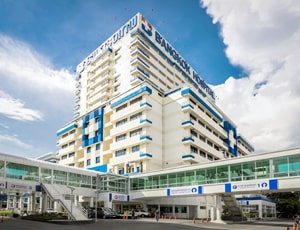
Bangkok Hospital provides specialized Spider Veins (Sclerotherapy) with a focus on precise vein targeting, safe injection practices, and individualized aesthetic outcomes. Established in 1972, the JCI accredited hospital is located in Bangkok, Thailand and operates 580 beds with modern vascular and minimally invasive treatment infrastructure.
Sclerotherapy can improve the appearance of spider veins by sealing the small superficial vessels responsible for their visibility. Depending on the patient's vein pattern, the specialist may treat multiple vessels during one session. A sclerosant is carefully delivered into the vein, prompting the vessel to close and gradually disappear from view. Temporary effects such as redness, itching, tenderness, bruising, or small lumps can occur after treatment. A medical assessment before therapy helps identify suitable veins and determine whether additional vascular evaluation is necessary.
Mount Elizabeth Hospital is a trusted healthcare provider for Spider Veins (Sclerotherapy), offering minimally invasive treatment for superficial venous concerns supported by experienced vascular specialists and modern facilities. Established in 1979, the JCI accredited hospital is situated in Singapore, Singapore and has 345 beds.
Sclerotherapy for Spider Veins works by intentionally closing the small veins responsible for visible web-like or branching patterns beneath the skin. The clinician injects a suitable sclerosant into each targeted vessel, after which the vein gradually becomes less visible. Foam or liquid formulations may be selected depending on the characteristics of the veins being treated. Before treatment, the specialist may assess the venous circulation and look for underlying vein problems, particularly when symptoms such as swelling, heaviness, or pain are present.
Delhi, India
BLK-Max Super Speciality Hospital offers advanced Spider Veins (Sclerotherapy) using modern vein-treatment techniques and individualized vascular care plans. Established in 1959, the JCI, NABH accredited hospital is located in Delhi, India and has 650 beds, providing comprehensive care for local and international patients.
Sclerotherapy is a minimally invasive treatment used to reduce the appearance of spider veins and selected small varicose veins. During the procedure, a sclerosant solution is injected directly into the targeted vein, causing the vessel to close and gradually be reabsorbed by the body. Depending on the size and location of the veins, the treatment may be performed with or without ultrasound guidance. Multiple sessions may be needed to achieve the desired cosmetic improvement.
At ID Hospital, Spider Veins (Sclerotherapy) is performed using specialized injection techniques and personalized assessment of the affected veins. Established in 2017, this JCI, NABH accredited hospital in Seoul, South Korea has 25 beds and offers specialized vascular and cosmetic vein services.
Spider Veins (Sclerotherapy) may be considered for small, visible blood vessels that commonly appear on the legs and sometimes other areas. The specialist first examines the veins to determine whether sclerotherapy is appropriate. A fine needle is then used to introduce a sclerosant into the selected vessels. The solution irritates the vein lining, causing the treated vessel to collapse and eventually fade. Compression garments may be recommended after treatment depending on the treated area and clinical circumstances.
Parkway Pantai offers advanced Spider Veins (Sclerotherapy) using modern vein-treatment techniques and individualized vascular care plans. Established in 1974, the JCI, MSQH accredited hospital is located in Kuala Lumpur, Malaysia and has 499 beds, providing comprehensive care for local and international patients.
Sclerotherapy is a minimally invasive treatment used to reduce the appearance of spider veins and selected small varicose veins. During the procedure, a sclerosant solution is injected directly into the targeted vein, causing the vessel to close and gradually be reabsorbed by the body. Depending on the size and location of the veins, the treatment may be performed with or without ultrasound guidance. Multiple sessions may be needed to achieve the desired cosmetic improvement.
Vejthani Hospital is a trusted healthcare provider for Spider Veins (Sclerotherapy), offering minimally invasive treatment for superficial venous concerns supported by experienced vascular specialists and modern facilities. Established in 1994, the JCI accredited hospital is situated in Bangkok, Thailand and has 263 beds.
Sclerotherapy for Spider Veins works by intentionally closing the small veins responsible for visible web-like or branching patterns beneath the skin. The clinician injects a suitable sclerosant into each targeted vessel, after which the vein gradually becomes less visible. Foam or liquid formulations may be selected depending on the characteristics of the veins being treated. Before treatment, the specialist may assess the venous circulation and look for underlying vein problems, particularly when symptoms such as swelling, heaviness, or pain are present.
Choosing Memorial Ankara Hospital for Spider Veins (Sclerotherapy) gives patients access to experienced vein specialists, modern vascular assessment tools, and personalized post-treatment care. Established in 2014, the JCI accredited hospital in Ankara, Turkey has 230 beds and provides specialized vein treatment services.
Spider Veins (Sclerotherapy) is generally performed as an outpatient procedure and does not usually require major surgery. The treatment area is cleaned before very small needles are used to inject the sclerosant into visible veins. The treated vessels may initially appear darker, swollen, or bruised before gradually fading. Patients are typically encouraged to walk soon after treatment, while strenuous activities may be limited temporarily according to the specialist's advice. Follow-up treatment may be required if additional veins remain visible.
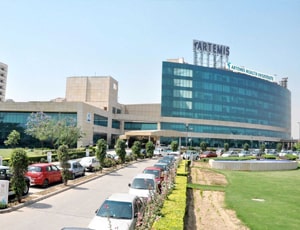
Artemis Health Institute is a trusted healthcare provider for Spider Veins (Sclerotherapy), offering minimally invasive treatment for superficial venous concerns supported by experienced vascular specialists and modern facilities. Established in 2007, the JCI, NABH accredited hospital is situated in Gurgaon, India and has 750 beds.
Sclerotherapy for Spider Veins works by intentionally closing the small veins responsible for visible web-like or branching patterns beneath the skin. The clinician injects a suitable sclerosant into each targeted vessel, after which the vein gradually becomes less visible. Foam or liquid formulations may be selected depending on the characteristics of the veins being treated. Before treatment, the specialist may assess the venous circulation and look for underlying vein problems, particularly when symptoms such as swelling, heaviness, or pain are present.
Gleneagles Hospital is a trusted healthcare provider for Spider Veins (Sclerotherapy), offering minimally invasive treatment for superficial venous concerns supported by experienced vascular specialists and modern facilities. Established in 1959, the JCI accredited hospital is situated in Singapore, Singapore and has 258 beds.
Sclerotherapy for Spider Veins works by intentionally closing the small veins responsible for visible web-like or branching patterns beneath the skin. The clinician injects a suitable sclerosant into each targeted vessel, after which the vein gradually becomes less visible. Foam or liquid formulations may be selected depending on the characteristics of the veins being treated. Before treatment, the specialist may assess the venous circulation and look for underlying vein problems, particularly when symptoms such as swelling, heaviness, or pain are present.
Choosing International St. Mary's Hospital for Spider Veins (Sclerotherapy) gives patients access to experienced vein specialists, modern vascular assessment tools, and personalized post-treatment care. Established in 2014, the JCI accredited hospital in Seoul, South Korea has 808 beds and provides specialized vein treatment services.
Spider Veins (Sclerotherapy) is generally performed as an outpatient procedure and does not usually require major surgery. The treatment area is cleaned before very small needles are used to inject the sclerosant into visible veins. The treated vessels may initially appear darker, swollen, or bruised before gradually fading. Patients are typically encouraged to walk soon after treatment, while strenuous activities may be limited temporarily according to the specialist's advice. Follow-up treatment may be required if additional veins remain visible.
Choosing Sunway Medical Centre for Spider Veins (Sclerotherapy) gives patients access to experienced vein specialists, modern vascular assessment tools, and personalized post-treatment care. Established in 1999, the ACHS accredited hospital in Kuala Lumpur, Malaysia has 724 beds and provides specialized vein treatment services.
Spider Veins (Sclerotherapy) is generally performed as an outpatient procedure and does not usually require major surgery. The treatment area is cleaned before very small needles are used to inject the sclerosant into visible veins. The treated vessels may initially appear darker, swollen, or bruised before gradually fading. Patients are typically encouraged to walk soon after treatment, while strenuous activities may be limited temporarily according to the specialist's advice. Follow-up treatment may be required if additional veins remain visible.
| Speciality | Cosmetic Surgery |
| Procedure | Spider Veins (Sclerotherapy) |
| Success Rate | 90-95% |
| Recovery Time | 1-2 weeks |
| Treatment Time | 30 minutes - 1 hour |
| Chances of Recurrence | Moderate |
At 41, Ameera lived in the United Arab Emirates, where she led an active lifestyle. Ameera took care of the household while working long hours at her job, often on her feet. After some time, however