Browse verified doctors or let our care team help you find the doctor best suited to your condition, treatment goals, and budget.

VPS Rockland Hospital is a trusted healthcare provider for Heart Double Valve Replacement, offering specialized multi-valve cardiac surgery supported by experienced cardiothoracic surgeons and advanced cardiac-care infrastructure. Established in 2013, the NABH, NABL accredited hospital is situated in Gurgaon, India and has 345 beds.
Heart Double Valve Replacement involves replacing two malfunctioning valves to restore more effective blood flow through the heart. The procedure may be recommended when valve disease causes severe obstruction or regurgitation and repair is not suitable. The surgery is generally performed under general anesthesia, with the patient connected to cardiopulmonary bypass during the valve replacement. After surgery, patients require close cardiac monitoring, followed by gradual mobilization and rehabilitation. Long-term follow-up is important to assess prosthetic valve function and overall heart health.
Chennai, India
The Madras Institute of Orthopedics and Traumatology offers advanced Heart Double Valve Replacement using modern cardiac surgical techniques and individualized treatment protocols. Established in 1999, the JCI, NABH accredited hospital is located in Chennai, India and has 1000 beds, providing comprehensive cardiac care for local and international patients.
Heart Double Valve Replacement is a surgical procedure in which two diseased heart valves are replaced during the same operation. It may be required when two valves, commonly the aortic and mitral valves, have severe narrowing, leakage, or structural damage that cannot be adequately managed with medication or valve repair. Depending on the patient's age, medical condition, lifestyle, and valve anatomy, surgeons may use mechanical or biological prosthetic valves. Detailed cardiac imaging and functional assessment are performed before surgery to plan the procedure.
Choosing Sanar International Hospital for Heart Double Valve Replacement gives patients access to experienced cardiac surgeons, advanced operating facilities, intensive cardiac monitoring, and comprehensive post-operative care. Established in 2018, the NABH, JCI, AACI accredited hospital in Gurugram, India has 150 beds and provides specialized heart valve treatment.
Heart Double Valve Replacement may be advised when two heart valves have become severely damaged due to conditions such as rheumatic valve disease, degenerative valve changes, congenital abnormalities, or infection. The operation replaces the affected valves with prosthetic alternatives selected according to the patient's clinical needs. Before surgery, doctors may perform echocardiography, electrocardiography, cardiac catheterization, and other investigations to evaluate valve severity, heart chambers, and overall cardiovascular function. After replacement, medications and regular cardiac follow-up may be required.
At Manipal Hospital, Ghaziabad, Heart Double Valve Replacement is performed using advanced cardiac surgery techniques, heart-lung support systems, and personalized treatment planning. Established in 2010, this NABH, NABL accredited hospital in Ghaziabad, India has 9500 beds and offers comprehensive cardiovascular services.
Heart Double Valve Replacement may be considered for patients with significant disease affecting two heart valves and symptoms such as breathlessness, fatigue, chest discomfort, or reduced exercise tolerance. During the operation, both damaged valves are removed or prepared and replaced with suitable prosthetic valves. The choice between mechanical and tissue valves depends on several factors, including age, bleeding risk, ability to take long-term anticoagulants, and patient preference. Echocardiography and other cardiac investigations help assess valve function and heart performance before surgery.
At Shanti Mukand Hospital, Heart Double Valve Replacement is performed using advanced cardiac surgery techniques, heart-lung support systems, and personalized treatment planning. Established in 1995, this NABH, NABL accredited hospital in Delhi, India has 200 beds and offers comprehensive cardiovascular services.
Heart Double Valve Replacement may be considered for patients with significant disease affecting two heart valves and symptoms such as breathlessness, fatigue, chest discomfort, or reduced exercise tolerance. During the operation, both damaged valves are removed or prepared and replaced with suitable prosthetic valves. The choice between mechanical and tissue valves depends on several factors, including age, bleeding risk, ability to take long-term anticoagulants, and patient preference. Echocardiography and other cardiac investigations help assess valve function and heart performance before surgery.
VPS Lakeshore Hospital offers advanced Heart Double Valve Replacement using modern cardiac surgical techniques and individualized treatment protocols. Established in 2003, the NABH, ISO accredited hospital is located in Kochi, India and has 350 beds, providing comprehensive cardiac care for local and international patients.
Heart Double Valve Replacement is a surgical procedure in which two diseased heart valves are replaced during the same operation. It may be required when two valves, commonly the aortic and mitral valves, have severe narrowing, leakage, or structural damage that cannot be adequately managed with medication or valve repair. Depending on the patient's age, medical condition, lifestyle, and valve anatomy, surgeons may use mechanical or biological prosthetic valves. Detailed cardiac imaging and functional assessment are performed before surgery to plan the procedure.
Apollo Multispecialty Hospitals is a trusted healthcare provider for Heart Double Valve Replacement, offering specialized multi-valve cardiac surgery supported by experienced cardiothoracic surgeons and advanced cardiac-care infrastructure. Established in 2003, the JCI, ISO accredited hospital is situated in Kolkata, India and has 700 beds.
Heart Double Valve Replacement involves replacing two malfunctioning valves to restore more effective blood flow through the heart. The procedure may be recommended when valve disease causes severe obstruction or regurgitation and repair is not suitable. The surgery is generally performed under general anesthesia, with the patient connected to cardiopulmonary bypass during the valve replacement. After surgery, patients require close cardiac monitoring, followed by gradual mobilization and rehabilitation. Long-term follow-up is important to assess prosthetic valve function and overall heart health.
Apollo Hospital is a trusted healthcare provider for Heart Double Valve Replacement, offering specialized multi-valve cardiac surgery supported by experienced cardiothoracic surgeons and advanced cardiac-care infrastructure. Established in 1983, the JCI accredited hospital is situated in Chennai, India and has 550 beds.
Heart Double Valve Replacement involves replacing two malfunctioning valves to restore more effective blood flow through the heart. The procedure may be recommended when valve disease causes severe obstruction or regurgitation and repair is not suitable. The surgery is generally performed under general anesthesia, with the patient connected to cardiopulmonary bypass during the valve replacement. After surgery, patients require close cardiac monitoring, followed by gradual mobilization and rehabilitation. Long-term follow-up is important to assess prosthetic valve function and overall heart health.
Fortis Hospital provides specialized Heart Double Valve Replacement with a focus on restoring valve function, improving cardiac circulation, and supporting long-term recovery. Established in 2004, the NABH, NABL accredited hospital is located in Noida, India and operates 400 beds with modern cardiothoracic surgery infrastructure.
Heart Double Valve Replacement is performed when two heart valves require replacement because they are severely narrowed or unable to close properly. The affected valves are replaced with either mechanical prostheses or tissue-based valves, depending on the patient's medical circumstances and treatment preferences. In selected cases, minimally invasive approaches may be considered, although the appropriate technique depends on the valves involved and the complexity of the disease. After surgery, patients are monitored for heart rhythm, valve function, bleeding, and other potential complications. Cardiac rehabilitation and ongoing medical follow-up help support recovery and long-term valve function.
At Manipal Hospital, Yeshwantpur, Heart Double Valve Replacement is performed using advanced cardiac surgery techniques, heart-lung support systems, and personalized treatment planning. Established in 2022, this JCI, NABH, NABL accredited hospital in Bangalore, India has 250 beds and offers comprehensive cardiovascular services.
Heart Double Valve Replacement may be considered for patients with significant disease affecting two heart valves and symptoms such as breathlessness, fatigue, chest discomfort, or reduced exercise tolerance. During the operation, both damaged valves are removed or prepared and replaced with suitable prosthetic valves. The choice between mechanical and tissue valves depends on several factors, including age, bleeding risk, ability to take long-term anticoagulants, and patient preference. Echocardiography and other cardiac investigations help assess valve function and heart performance before surgery.
Choosing BGS Gleneagles Global Hospitals for Heart Double Valve Replacement gives patients access to experienced cardiac surgeons, advanced operating facilities, intensive cardiac monitoring, and comprehensive post-operative care. Established in 2007, the NABH, NABL accredited hospital in Bangalore, India has 500 beds and provides specialized heart valve treatment.
Heart Double Valve Replacement may be advised when two heart valves have become severely damaged due to conditions such as rheumatic valve disease, degenerative valve changes, congenital abnormalities, or infection. The operation replaces the affected valves with prosthetic alternatives selected according to the patient's clinical needs. Before surgery, doctors may perform echocardiography, electrocardiography, cardiac catheterization, and other investigations to evaluate valve severity, heart chambers, and overall cardiovascular function. After replacement, medications and regular cardiac follow-up may be required.
Wockhardt Hospital, Umrao provides specialized Heart Double Valve Replacement with a focus on restoring valve function, improving cardiac circulation, and supporting long-term recovery. Established in 2014, the NABH accredited hospital is located in Mumbai, India and operates 350 beds with modern cardiothoracic surgery infrastructure.
Heart Double Valve Replacement is performed when two heart valves require replacement because they are severely narrowed or unable to close properly. The affected valves are replaced with either mechanical prostheses or tissue-based valves, depending on the patient's medical circumstances and treatment preferences. In selected cases, minimally invasive approaches may be considered, although the appropriate technique depends on the valves involved and the complexity of the disease. After surgery, patients are monitored for heart rhythm, valve function, bleeding, and other potential complications. Cardiac rehabilitation and ongoing medical follow-up help support recovery and long-term valve function.
Choosing Manipal Hospital, Dwarka for Heart Double Valve Replacement gives patients access to experienced cardiac surgeons, advanced operating facilities, intensive cardiac monitoring, and comprehensive post-operative care. Established in 2018, the NABH accredited hospital in Delhi, India has 380 beds and provides specialized heart valve treatment.
Heart Double Valve Replacement may be advised when two heart valves have become severely damaged due to conditions such as rheumatic valve disease, degenerative valve changes, congenital abnormalities, or infection. The operation replaces the affected valves with prosthetic alternatives selected according to the patient's clinical needs. Before surgery, doctors may perform echocardiography, electrocardiography, cardiac catheterization, and other investigations to evaluate valve severity, heart chambers, and overall cardiovascular function. After replacement, medications and regular cardiac follow-up may be required.
At Dr. Rela Institute and Medical Centre, Heart Double Valve Replacement is performed using advanced cardiac surgery techniques, heart-lung support systems, and personalized treatment planning. Established in 2018, this NABH, NABL accredited hospital in Chennai, India has 450 beds and offers comprehensive cardiovascular services.
Heart Double Valve Replacement may be considered for patients with significant disease affecting two heart valves and symptoms such as breathlessness, fatigue, chest discomfort, or reduced exercise tolerance. During the operation, both damaged valves are removed or prepared and replaced with suitable prosthetic valves. The choice between mechanical and tissue valves depends on several factors, including age, bleeding risk, ability to take long-term anticoagulants, and patient preference. Echocardiography and other cardiac investigations help assess valve function and heart performance before surgery.
Yatharth hospital provides specialized Heart Double Valve Replacement with a focus on restoring valve function, improving cardiac circulation, and supporting long-term recovery. Established in 2008, the JCI, NABH, NABL accredited hospital is located in Delhi, India and operates 400 beds with modern cardiothoracic surgery infrastructure.
Heart Double Valve Replacement is performed when two heart valves require replacement because they are severely narrowed or unable to close properly. The affected valves are replaced with either mechanical prostheses or tissue-based valves, depending on the patient's medical circumstances and treatment preferences. In selected cases, minimally invasive approaches may be considered, although the appropriate technique depends on the valves involved and the complexity of the disease. After surgery, patients are monitored for heart rhythm, valve function, bleeding, and other potential complications. Cardiac rehabilitation and ongoing medical follow-up help support recovery and long-term valve function.

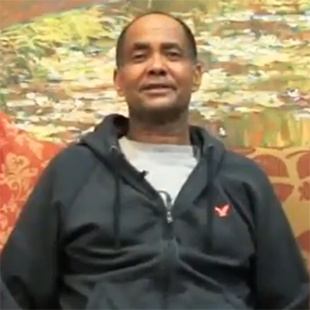
Mr. Hailu Kassa underwent Coronary Artery Bypass Surgery in Vejthani Hospital, Thailand under the supervision of Dr. Piya, Cardio-Thoracic Surgeon

Patient Testimonial: Rod Schaubroeck from United States (U.S.A) underwent heart valve replacement at Fortis Hospital, India
| Speciality | Cardiac Sciences |
| Procedure | Heart Double Valve Replacement |
| Success Rate | 95% |
| Recovery Time | 4-6 weeks |
| Treatment Time | 4-5 hours |
| Chances of Recurrence | 1-2% |
The various hospitals in India that offer heart double valve replacement surgeries are adequately endowed with technological equipment. Modern facilities in the major cities of Delhi, Mumbai, Bangalore, Chennai, and Hyderabad are equipped with state-of-the-art imaging methods, including 3D echocardiography, cardiac CT scans, robotic surgery, and minimally invasive surgical procedures.
They also employ efficient heart-lung machines, state-of-the-art anaesthesia, and a perfect intensive care unit for post-surgical care. Most of these hospitals are accredited internationally, so they provide quality, new-age treatment for heart valve surgeries.
The competent staffing of India's best hospitals for heart double valve replacement entails highly skilled cardiac surgeons, advanced medical technology, robotic surgery, comprehensive diagnosis equipment, and pre- and post-operative care. It also has international accreditation, a high pass rate, and a highly esteemed program in Cardiac Science. They provide quality services, inform patients of the prices of their services, and set sequenced follow-up programs for quick recovery and positive results.
The operative success rate of heart double valve DVR in India is usually above 90-95%, depending on the general health of the patient, the skill of the medical team, and the availability of the technical facility of the heart surgery hospital.
It also offers a list of listed Heart Double Valve Replacement providers in India with verified and accredited healthcare facilities through the MediGence platform providing quality treatment. Also, resources for learning expertise, success rates and other information about cardiologists will be provided. It gives comprehensive information that helps patients to be referred to the right cardiologist, thus mapping them to a highly informed and efficient healthcare experience.
A few of the best hospitals for Heart Double Valve Replacement in India are as follows:
The cost of Heart Double Valve Replacement in India typically ranges from (USD 8000 - 10000), depending on the hospital location, surgeon's expertise, and the procedure's complexity.
Yes, Heart Double Valve Replacement in India does include complete treatment solutions for overseas visitors. Numerous healthcare organisations nationwide are conversant with medical tourism and have individual services to cater to international clients. These services often include:
Although the success rate is relatively high, knowing the possible problems, how they may occur, and when they are most likely to appear during surgery or afterwards is helpful. The risks associated with DVR surgery in India are similar to those encountered globally and include:
Total mobility after heart double valve replacement in India takes three to six months, during which the first week is spent resting and the rest undergoing rehabilitation. Most patients are relieved of pain and discomfort and can perform minor activities in about one to two months. However, minor activities without complications may take about three to six months. Follow-ups, post-treatment management, and relevant lifestyle changes are vital in healing.
To receive a teleconsultation with a cardiologist before planning your trip to India to undergo Heart Double Valve Replacement, use the Medigence platform. All it takes is a callback from a specialist, a diagnosis, and learning about treatments and procedures available to you from the comfort of your home. This way, you can make the right choices and may not doubt your treatment choice.
The care plan for patients with post-heart DVR in India is as follows: The following steps are offered after the operation as a way of helping the patient get back on their feet and prevent further complications. Here’s an overview of what patients can expect:
India is a popular choice for Heart Double Valve Replacement because of several factors:
First, the patient will be asked to complete an online contact form on our site. Once submitted, MediGence will contact you to help fix your Heart Double Valve Replacement in India. With us, you will know which hospital to go to, you will see a doctor of your choice, and we will support you step by step. Enrollment is our guideline, with the help of which we help you receive the required documents and coordinate your treatment schedule so you can have comfort all the time from the day of registration up to the day of discharge from the hospital.
Heart Double Valve Replacement in India during a hospital visit is likely to be followed by several procedure-related procedures before and after the procedure. These are mainly aimed at providing the operation safety, comfort, and success. Here’s what patients should anticipate:
It is the best treatment for severe valve disease. In that case, there are other treatment methods for patients in India based on their condition, age, general health, and severity of the valve disease. Such options include interventional therapy, administering medication, and lifestyle changes. Here are some options:
The preoperative process of a heart double valve replacement (DVR) surgery in India requires various tests and changes in behaviour and psychological state. Below is a guide to help you prepare for the procedure:

The heart is made up of tissues and muscles that pump blood. It is divided into a right and left side and has four chambers: 2 lower chambers called ventricles and 2 upper chambers called atria.