Browse verified doctors or let our care team help you find the doctor best suited to your condition, treatment goals, and budget.

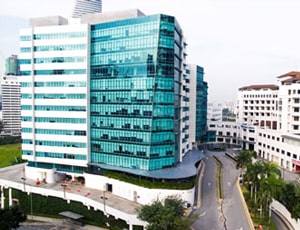
Prince Court Medical Centre is a trusted healthcare provider for Heart Double Valve Replacement, offering specialized multi-valve cardiac surgery supported by experienced cardiothoracic surgeons and advanced cardiac-care infrastructure. Established in 2007, the MSQH accredited hospital is situated in Kuala Lumpur, Malaysia and has 277 beds.
Heart Double Valve Replacement involves replacing two malfunctioning valves to restore more effective blood flow through the heart. The procedure may be recommended when valve disease causes severe obstruction or regurgitation and repair is not suitable. The surgery is generally performed under general anesthesia, with the patient connected to cardiopulmonary bypass during the valve replacement. After surgery, patients require close cardiac monitoring, followed by gradual mobilization and rehabilitation. Long-term follow-up is important to assess prosthetic valve function and overall heart health.
Acibadem International Hospital is a trusted healthcare provider for Heart Double Valve Replacement, offering specialized multi-valve cardiac surgery supported by experienced cardiothoracic surgeons and advanced cardiac-care infrastructure. Established in 1989, the JCI accredited hospital is situated in Istanbul, Turkey and has 112 beds.
Heart Double Valve Replacement involves replacing two malfunctioning valves to restore more effective blood flow through the heart. The procedure may be recommended when valve disease causes severe obstruction or regurgitation and repair is not suitable. The surgery is generally performed under general anesthesia, with the patient connected to cardiopulmonary bypass during the valve replacement. After surgery, patients require close cardiac monitoring, followed by gradual mobilization and rehabilitation. Long-term follow-up is important to assess prosthetic valve function and overall heart health.
Mount Elizabeth Novena Hospital provides specialized Heart Double Valve Replacement with a focus on restoring valve function, improving cardiac circulation, and supporting long-term recovery. Established in 2012, the JCI accredited hospital is located in Novena, Singapore and operates 313 beds with modern cardiothoracic surgery infrastructure.
Heart Double Valve Replacement is performed when two heart valves require replacement because they are severely narrowed or unable to close properly. The affected valves are replaced with either mechanical prostheses or tissue-based valves, depending on the patient's medical circumstances and treatment preferences. In selected cases, minimally invasive approaches may be considered, although the appropriate technique depends on the valves involved and the complexity of the disease. After surgery, patients are monitored for heart rhythm, valve function, bleeding, and other potential complications. Cardiac rehabilitation and ongoing medical follow-up help support recovery and long-term valve function.
Asan Medical Centre offers advanced Heart Double Valve Replacement using modern cardiac surgical techniques and individualized treatment protocols. Established in 1989, the ISO accredited hospital is located in Seoul, South Korea and has 2700 beds, providing comprehensive cardiac care for local and international patients.
Heart Double Valve Replacement is a surgical procedure in which two diseased heart valves are replaced during the same operation. It may be required when two valves, commonly the aortic and mitral valves, have severe narrowing, leakage, or structural damage that cannot be adequately managed with medication or valve repair. Depending on the patient's age, medical condition, lifestyle, and valve anatomy, surgeons may use mechanical or biological prosthetic valves. Detailed cardiac imaging and functional assessment are performed before surgery to plan the procedure.
At Bangkok Hospital, Heart Double Valve Replacement is performed using advanced cardiac surgery techniques, heart-lung support systems, and personalized treatment planning. Established in 1972, this JCI accredited hospital in Bangkok, Thailand has 580 beds and offers comprehensive cardiovascular services.
Heart Double Valve Replacement may be considered for patients with significant disease affecting two heart valves and symptoms such as breathlessness, fatigue, chest discomfort, or reduced exercise tolerance. During the operation, both damaged valves are removed or prepared and replaced with suitable prosthetic valves. The choice between mechanical and tissue valves depends on several factors, including age, bleeding risk, ability to take long-term anticoagulants, and patient preference. Echocardiography and other cardiac investigations help assess valve function and heart performance before surgery.
Mount Elizabeth Hospital is a trusted healthcare provider for Heart Double Valve Replacement, offering specialized multi-valve cardiac surgery supported by experienced cardiothoracic surgeons and advanced cardiac-care infrastructure. Established in 1979, the JCI accredited hospital is situated in Singapore, Singapore and has 345 beds.
Heart Double Valve Replacement involves replacing two malfunctioning valves to restore more effective blood flow through the heart. The procedure may be recommended when valve disease causes severe obstruction or regurgitation and repair is not suitable. The surgery is generally performed under general anesthesia, with the patient connected to cardiopulmonary bypass during the valve replacement. After surgery, patients require close cardiac monitoring, followed by gradual mobilization and rehabilitation. Long-term follow-up is important to assess prosthetic valve function and overall heart health.
Delhi, India
At BLK-Max Super Speciality Hospital, Heart Double Valve Replacement is performed using advanced cardiac surgery techniques, heart-lung support systems, and personalized treatment planning. Established in 1959, this JCI, NABH accredited hospital in Delhi, India has 650 beds and offers comprehensive cardiovascular services.
Heart Double Valve Replacement may be considered for patients with significant disease affecting two heart valves and symptoms such as breathlessness, fatigue, chest discomfort, or reduced exercise tolerance. During the operation, both damaged valves are removed or prepared and replaced with suitable prosthetic valves. The choice between mechanical and tissue valves depends on several factors, including age, bleeding risk, ability to take long-term anticoagulants, and patient preference. Echocardiography and other cardiac investigations help assess valve function and heart performance before surgery.
Kings College Hospital Dubai provides specialized Heart Double Valve Replacement with a focus on restoring valve function, improving cardiac circulation, and supporting long-term recovery. Established in 2019, the JCI accredited hospital is located in Dubai, United Arab Emirates and operates 100 beds with modern cardiothoracic surgery infrastructure.
Heart Double Valve Replacement is performed when two heart valves require replacement because they are severely narrowed or unable to close properly. The affected valves are replaced with either mechanical prostheses or tissue-based valves, depending on the patient's medical circumstances and treatment preferences. In selected cases, minimally invasive approaches may be considered, although the appropriate technique depends on the valves involved and the complexity of the disease. After surgery, patients are monitored for heart rhythm, valve function, bleeding, and other potential complications. Cardiac rehabilitation and ongoing medical follow-up help support recovery and long-term valve function.
Choosing Parkway Pantai for Heart Double Valve Replacement gives patients access to experienced cardiac surgeons, advanced operating facilities, intensive cardiac monitoring, and comprehensive post-operative care. Established in 1974, the JCI, MSQH accredited hospital in Kuala Lumpur, Malaysia has 499 beds and provides specialized heart valve treatment.
Heart Double Valve Replacement may be advised when two heart valves have become severely damaged due to conditions such as rheumatic valve disease, degenerative valve changes, congenital abnormalities, or infection. The operation replaces the affected valves with prosthetic alternatives selected according to the patient's clinical needs. Before surgery, doctors may perform echocardiography, electrocardiography, cardiac catheterization, and other investigations to evaluate valve severity, heart chambers, and overall cardiovascular function. After replacement, medications and regular cardiac follow-up may be required.
Vejthani Hospital provides specialized Heart Double Valve Replacement with a focus on restoring valve function, improving cardiac circulation, and supporting long-term recovery. Established in 1994, the JCI accredited hospital is located in Bangkok, Thailand and operates 263 beds with modern cardiothoracic surgery infrastructure.
Heart Double Valve Replacement is performed when two heart valves require replacement because they are severely narrowed or unable to close properly. The affected valves are replaced with either mechanical prostheses or tissue-based valves, depending on the patient's medical circumstances and treatment preferences. In selected cases, minimally invasive approaches may be considered, although the appropriate technique depends on the valves involved and the complexity of the disease. After surgery, patients are monitored for heart rhythm, valve function, bleeding, and other potential complications. Cardiac rehabilitation and ongoing medical follow-up help support recovery and long-term valve function.
Memorial Ankara Hospital provides specialized Heart Double Valve Replacement with a focus on restoring valve function, improving cardiac circulation, and supporting long-term recovery. Established in 2014, the JCI accredited hospital is located in Ankara, Turkey and operates 230 beds with modern cardiothoracic surgery infrastructure.
Heart Double Valve Replacement is performed when two heart valves require replacement because they are severely narrowed or unable to close properly. The affected valves are replaced with either mechanical prostheses or tissue-based valves, depending on the patient's medical circumstances and treatment preferences. In selected cases, minimally invasive approaches may be considered, although the appropriate technique depends on the valves involved and the complexity of the disease. After surgery, patients are monitored for heart rhythm, valve function, bleeding, and other potential complications. Cardiac rehabilitation and ongoing medical follow-up help support recovery and long-term valve function.
At Artemis Health Institute, Heart Double Valve Replacement is performed using advanced cardiac surgery techniques, heart-lung support systems, and personalized treatment planning. Established in 2007, this JCI, NABH accredited hospital in Gurgaon, India has 750 beds and offers comprehensive cardiovascular services.
Heart Double Valve Replacement may be considered for patients with significant disease affecting two heart valves and symptoms such as breathlessness, fatigue, chest discomfort, or reduced exercise tolerance. During the operation, both damaged valves are removed or prepared and replaced with suitable prosthetic valves. The choice between mechanical and tissue valves depends on several factors, including age, bleeding risk, ability to take long-term anticoagulants, and patient preference. Echocardiography and other cardiac investigations help assess valve function and heart performance before surgery.
Gleneagles Hospital provides specialized Heart Double Valve Replacement with a focus on restoring valve function, improving cardiac circulation, and supporting long-term recovery. Established in 1959, the JCI accredited hospital is located in Singapore, Singapore and operates 258 beds with modern cardiothoracic surgery infrastructure.
Heart Double Valve Replacement is performed when two heart valves require replacement because they are severely narrowed or unable to close properly. The affected valves are replaced with either mechanical prostheses or tissue-based valves, depending on the patient's medical circumstances and treatment preferences. In selected cases, minimally invasive approaches may be considered, although the appropriate technique depends on the valves involved and the complexity of the disease. After surgery, patients are monitored for heart rhythm, valve function, bleeding, and other potential complications. Cardiac rehabilitation and ongoing medical follow-up help support recovery and long-term valve function.
Sunway Medical Centre is a trusted healthcare provider for Heart Double Valve Replacement, offering specialized multi-valve cardiac surgery supported by experienced cardiothoracic surgeons and advanced cardiac-care infrastructure. Established in 1999, the ACHS accredited hospital is situated in Kuala Lumpur, Malaysia and has 724 beds.
Heart Double Valve Replacement involves replacing two malfunctioning valves to restore more effective blood flow through the heart. The procedure may be recommended when valve disease causes severe obstruction or regurgitation and repair is not suitable. The surgery is generally performed under general anesthesia, with the patient connected to cardiopulmonary bypass during the valve replacement. After surgery, patients require close cardiac monitoring, followed by gradual mobilization and rehabilitation. Long-term follow-up is important to assess prosthetic valve function and overall heart health.
Bangpakok 9 International Hospital provides specialized Heart Double Valve Replacement with a focus on restoring valve function, improving cardiac circulation, and supporting long-term recovery. Established in 2003, the JCI, GHA accredited hospital is located in Bangkok, Thailand and operates 300 beds with modern cardiothoracic surgery infrastructure.
Heart Double Valve Replacement is performed when two heart valves require replacement because they are severely narrowed or unable to close properly. The affected valves are replaced with either mechanical prostheses or tissue-based valves, depending on the patient's medical circumstances and treatment preferences. In selected cases, minimally invasive approaches may be considered, although the appropriate technique depends on the valves involved and the complexity of the disease. After surgery, patients are monitored for heart rhythm, valve function, bleeding, and other potential complications. Cardiac rehabilitation and ongoing medical follow-up help support recovery and long-term valve function.
| Speciality | Cardiac Sciences |
| Procedure | Heart Double Valve Replacement |
| Success Rate | 95% |
| Recovery Time | 4-6 weeks |
| Treatment Time | 4-5 hours |
| Chances of Recurrence | 1-2% |
A heart double valve replacement is a surgical procedure performed to replace both the aortic and mitral valves in the heart. It is typically done when both valves are diseased or damaged and need to be replaced simultaneously. The surgery involves removing the damaged valves and replacing them with artificial valves made of bioprosthetic or mechanical materials. The artificial valves mimic the function of the natural valves, allowing for proper blood flow through the heart chambers.
Heart double valve replacement is primarily used to treat conditions such as severe aortic valve stenosis, mitral valve regurgitation, or a combination of both. These conditions can cause symptoms like shortness of breath, fatigue, chest pain, and fluid retention. By replacing the diseased valves, the surgery helps restore proper valve function, improves blood flow, and alleviates the associated symptoms.
The recovery process after a heart double valve replacement involves a hospital stay of several days or longer, depending on the patient's condition and recovery progress. During this time, the patient will be closely monitored in the intensive care unit (ICU) before transitioning to a regular hospital room. Pain medication and antibiotics may be prescribed to manage discomfort and prevent infection. Cardiac rehabilitation is recommended to aid in recovery. Regular follow-up appointments will be scheduled to monitor the healing process, assess valve function, and adjust medications if needed.

The heart is made up of tissues and muscles that pump blood. It is divided into a right and left side and has four chambers: 2 lower chambers called ventricles and 2 upper chambers called atria.