Would you like some help? We are available.
Get Help
Kuala Lumpur, Malaysia
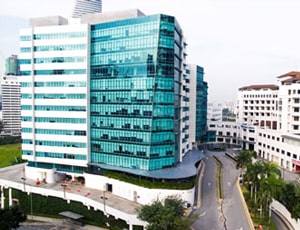
Prince Court is a private medical facility in the center of Kuala Lumpur that has 277 individual beds. Our dedication is to provide you with the best treatment possible from the time you arrive until you depart, healthier and happier. We are well-known for our top-notch facilities, cutting-edge technology, and friendly customer service.

Kuala Lumpur, Malaysia
Parkway Pantai located in Kuala Lumpur, Malaysia is accredited by JCI. Also listed below are some of the most prominent infrastructural details:

Kuala Lumpur, Malaysia
Sunway Medical Centre has initiated a comprehensive expansion plan close to its current hospital facility to enhance its ability to provide services to the global market. The new Cancer Radiosurgery Center and Nuclear Medicine Center, which will also house additional Centers of Excellence like the Digestive Health Center and Dialysis Center, marked the completion of Tower C's first phase in October 2016.

Kuala Lumpur, Malaysia
In Kuala Lumpur, Malaysia, ParkCity Medical Centre is a 300-bed, cutting-edge, interdisciplinary private hospital that provides award-winning private healthcare in an environment of lush vegetation.

Kuala Lumpur, Malaysia
Subang Jaya Medical Center is renowned for pioneering radiation oncology treatments and infrastructure in Malaysia. The hospital also has a state-of-the-art Cancer Radiosurgery Centre (CRC), which is fully furnished with the latest medical technology for cancer detection, monitoring, and treatment.

Kuala Lumpur, Malaysia
Situated at the junction of Petaling Jaya and Shah Alam, close to the Oasis Ara, Ara Damansara Medical Centre boasts a serene, luxurious ambiance.
The Centre has been awarded several prestigious awards such as the Global Health Asia Pacific Awards 2023, Newsweek Best Specialized Hospital APAC 2023, Healthcare Asia Awards 2023, and Malaysian Healthcare Wellness Excellence.

Kuala Lumpur, Malaysia
As a tertiary care hospital, Bukit Tinggi Medical Centre (BTMC) is committed to providing high-quality, reasonably priced healthcare.
With a focus on patient care and a team of committed medical professionals and personnel, we want to realize our ambition of becoming Klang's go-to healthcare provider. Orthopedics, neurosurgery, cardiac surgery, obstetrics and gynecology, pediatrics and rehabilitation, aesthetic surgery, and other specialties are all part of our multidisciplinary team approach. Additionally, BTMC has a Health Screening Center that provides a range of health packages to meet the requirements of diverse patient types.
Need Some Advice From Our Experts?
Our team of healthcare experts would be happy to assist you

+99


Opinion & Option
We submit the most accurate opinion and options from one or more countries for your review
Consult Privately
Consult with a certified specialist privately on our telemedicine platform even before you decide to travel
Logistics
We handle flights, visas, transfers, and accommodation—so you can focus on your health.
Recovery
Our In-house rehabilitation service packages to better your recovery and treatment outcome
Our network connects you with the leading medical tourism destinations globally, offering a wide range of cities, top doctors, and flexible pricing options.


The popular hospital groups in Malaysia are:
These hospitals are supported by the latest medical technologies and superior infrastructure, ensuring world-class treatment. The hospitals in Malaysia are advanced due to more support from the government through investment in medical infrastructure. Supported by excellent facilities and well-trained staff, the hospitals in Malaysia have witnessed tremendous growth and are on par with well-developed countries.
The hospitals in Malaysia follow the healthcare standards set by Malaysian Society for Quality in Health (MSQH) and JCI. Total 12 hospitals in Malaysia have JCI certification and each of them complies with the global standards. MSQH is focusing on strengthening the quality of healthcare by partnering with Malaysia’s Ministry of Health, Association of Private Hospitals Malaysia and Malaysian Medical Association. There is a strict evaluation process for receiving healthcare accreditation in Malaysia and the interested hospitals have to meet all the requirements set by the accreditation bodies.
An emerging global giant in medical tourism, Malaysia has one of the most strong healthcare systems in the world supported by solid governmental participation in the market and public-private healthcare collaboration. Slowly overtaking many other countries as a medical tourism destination, Malaysia is offering affordable healthcare services with cutting-edge technology and skilled professionals. Malaysia has achieved high success rates in fertility treatments and cardiology with world-class hospitals. Malaysia is also popular among medical tourists because of its food, cultural diversity, and heritage spots.
The doctors in Malaysia have deep expertise in their specialty area and most of them are trained internationally before they start work in their home country. Malaysia produces one of the finest doctors in the world because it has a strict evaluation process for offering degrees to them, and also the doctors need to serve in the public sector for at least 3 years, making them attain a high level of professionalism. Doctors in Malaysia have reported best results with many procedures, but their expertise in infertility treatments and cardiology has been globally recognized Medical tourists under Malaysian Healthcare Travellers Program (MHTP) are eligible for applying for eVISA for traveling to Malaysia and living in the country for a period of 30 days.
Malaysian Healthcare Travellers Program (MHTP) allows all medical tourists to apply for eVISA for traveling to Malaysia and residing there for a period of 30 days. eVISA remains valid for 3 months and it can be availed through online platforms. A candidate would require below things to apply for an eVisa.
Medical Attendant Visa is granted to the person accompanying the patient to Malaysia and two persons are allowed to travel with the patient.
The popular procedures available in Malaysia are cosmetic surgery, vitiligo treatment, cancer care, dental work, discectomy, prostate surgery. Cancer treatment through gene therapy is becoming popular in Malaysia as this novel technique guarantees reduced treatment costs, shorter treatment time, minimal adverse effects of current chemo-drugs. Fertility hospitals and clinics have reported high success rates in IFV due to a number of reasons like the use of the latest technology, trained experts, adherence to strict protocols and safety standards, and a holistic treatment approach. Malaysia has also reported great achievements in orthopedic surgeries and some of the popular procedures include hip replacement, shoulder replacement, knee replacement surgery.
Some of the leading medical tourism destinations in Malaysia are:
With highly trained and qualified doctors and a large pool of multispecialty hospitals, Malaysia offers a great medical travel experience. Kuala Lumpur and Penang are the most popular destinations for medical tourism in Malaysia as these cities have an amazing public transportation system, a number of cheap hotels, and connectivity through airlines. These cities have become leading medical tourism destinations in Malaysia due to many other factors, such as a large pool of world-class hospitals, rich heritage, scenic value, availability of translators, and safety of tourists.
A medical tourist traveling to Malaysia needs to get below vaccines:
Pre-exposure vaccination against rabies is recommended before travel to Malaysia and children are at greater risk of rabies. It is always suggested that a person traveling to Malaysia get Japanese encephalitis vaccination. If you are coming from a country with a high risk of Yellow Fever, you might need an International Certificate of Vaccination.
The popular hospital groups in Malaysia are:
These hospitals are supported by the latest medical technologies and superior infrastructure, ensuring world-class treatment. The hospitals in Malaysia are advanced due to more support from the government through investment in medical infrastructure. Supported by excellent facilities and well-trained staff, the hospitals in Malaysia have witnessed tremendous growth and are on par with well-developed countries.
The hospitals in Malaysia follow the healthcare standards set by Malaysian Society for Quality in Health (MSQH) and JCI. Total 12 hospitals in Malaysia have JCI certification and each of them complies with the global standards. MSQH is focusing on strengthening the quality of healthcare by partnering with Malaysia’s Ministry of Health, Association of Private Hospitals Malaysia and Malaysian Medical Association. There is a strict evaluation process for receiving healthcare accreditation in Malaysia and the interested hospitals have to meet all the requirements set by the accreditation bodies.
An emerging global giant in medical tourism, Malaysia has one of the most strong healthcare systems in the world supported by solid governmental participation in the market and public-private healthcare collaboration. Slowly overtaking many other countries as a medical tourism destination, Malaysia is offering affordable healthcare services with cutting-edge technology and skilled professionals. Malaysia has achieved high success rates in fertility treatments and cardiology with world-class hospitals. Malaysia is also popular among medical tourists because of its food, cultural diversity, and heritage spots.
The doctors in Malaysia have deep expertise in their specialty area and most of them are trained internationally before they start work in their home country. Malaysia produces one of the finest doctors in the world because it has a strict evaluation process for offering degrees to them, and also the doctors need to serve in the public sector for at least 3 years, making them attain a high level of professionalism. Doctors in Malaysia have reported best results with many procedures, but their expertise in infertility treatments and cardiology has been globally recognized Medical tourists under Malaysian Healthcare Travellers Program (MHTP) are eligible for applying for eVISA for traveling to Malaysia and living in the country for a period of 30 days.
Malaysian Healthcare Travellers Program (MHTP) allows all medical tourists to apply for eVISA for traveling to Malaysia and residing there for a period of 30 days. eVISA remains valid for 3 months and it can be availed through online platforms. A candidate would require below things to apply for an eVisa.
Medical Attendant Visa is granted to the person accompanying the patient to Malaysia and two persons are allowed to travel with the patient.
The popular procedures available in Malaysia are cosmetic surgery, vitiligo treatment, cancer care, dental work, discectomy, prostate surgery. Cancer treatment through gene therapy is becoming popular in Malaysia as this novel technique guarantees reduced treatment costs, shorter treatment time, minimal adverse effects of current chemo-drugs. Fertility hospitals and clinics have reported high success rates in IFV due to a number of reasons like the use of the latest technology, trained experts, adherence to strict protocols and safety standards, and a holistic treatment approach. Malaysia has also reported great achievements in orthopedic surgeries and some of the popular procedures include hip replacement, shoulder replacement, knee replacement surgery.
Some of the leading medical tourism destinations in Malaysia are:
With highly trained and qualified doctors and a large pool of multispecialty hospitals, Malaysia offers a great medical travel experience. Kuala Lumpur and Penang are the most popular destinations for medical tourism in Malaysia as these cities have an amazing public transportation system, a number of cheap hotels, and connectivity through airlines. These cities have become leading medical tourism destinations in Malaysia due to many other factors, such as a large pool of world-class hospitals, rich heritage, scenic value, availability of translators, and safety of tourists.
A medical tourist traveling to Malaysia needs to get below vaccines:
Pre-exposure vaccination against rabies is recommended before travel to Malaysia and children are at greater risk of rabies. It is always suggested that a person traveling to Malaysia get Japanese encephalitis vaccination. If you are coming from a country with a high risk of Yellow Fever, you might need an International Certificate of Vaccination.